Guide to Using Galvanised Common Round Nails for Durable Construction
The Ultimate Guide to Galvanised Common Round Nails for Durable Construction
In the world of construction and woodworking, the integrity of a structure often depends on the smallest components. Among these, galvanised common round nails play a pivotal role in ensuring longevity and stability. Designed for general-purpose fastening, these nails combine the strength of steel with a protective zinc coating to combat the relentless effects of corrosion. Whether you are framing a new outdoor deck or securing heavy-duty timber, choosing the right nail can mean the difference between a project that lasts decades and one that fails prematurely due to rust. This guide explores everything you need to know about these essential fasteners.
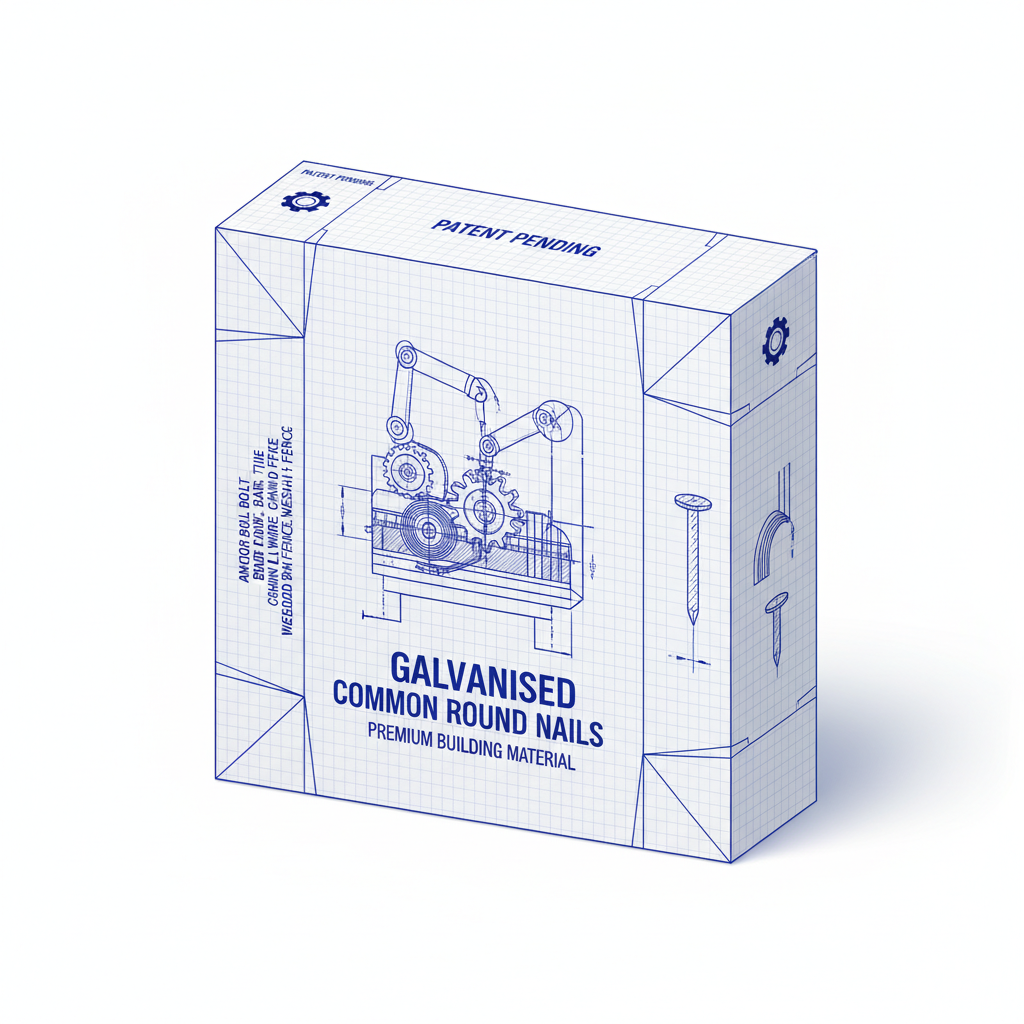
What are Galvanised Common Round Nails?
Common round nails are characterized by their cylindrical shank and a wide head, which provides a large bearing surface to hold materials firmly in place. The term "galvanised" refers to the process of applying a protective layer of zinc to the steel. This chemical barrier prevents oxygen and moisture from reaching the iron in the steel, effectively stopping the oxidation process. For professionals using galvanised common round nails, this means the fasteners can be used in exposed environments without the risk of "bleeding" rust stains onto the wood or losing structural grip over time.
Pro Tip: Always ensure you match the galvanisation level (Hot-Dipped vs. Electro-galvanised) to the severity of the environment. Hot-dipped is generally superior for outdoor and marine-adjacent projects.
Key Benefits of Using Galvanised Common Round Nails
The primary advantage of these nails is their exceptional resistance to corrosion. In outdoor construction, moisture is the enemy; untreated steel nails rust quickly, which weakens the joint and degrades the surrounding timber. By opting for galvanised common round nails, builders gain peace of mind knowing the fasteners will remain intact despite rain, humidity, and temperature fluctuations. Additionally, their round shank allows for easier penetration into most softwoods and hardwoods compared to square nails, reducing the likelihood of splitting the wood during installation.
Performance Advantages:
• Corrosion Resistance: Zinc coating blocks rust and oxidation.
• High Shear Strength: Capable of supporting heavy structural loads.
• Versatility: Ideal for framing, fencing, and general carpentry.
• Cost-Efficiency: Long-term durability reduces replacement costs.
Comparing Galvanised vs. Bright Steel Nails
When selecting fasteners, it is common to weigh the cost of bright steel against the durability of galvanised options. While bright steel nails are cheaper and may be sufficient for indoor furniture or temporary jigs, they are wholly unsuitable for exterior use. The galvanised common round nails provide a critical protective layer that bright steel lacks. As shown in the comparison below, the investment in galvanisation pays off in the lifespan of the project.
Practical Applications for Galvanised Common Round Nails
The versatility of galvanised common round nails makes them a staple in any contractor's toolkit. They are widely used in the construction of fences, where the nail is frequently exposed to soil moisture and rain. In deck building, they secure joists and railings with strength and longevity. Beyond heavy construction, they are excellent for creating outdoor planters, sheds, and pergolas. Because they do not react poorly with most treated lumbers, they ensure that the wood's preservative chemicals do not eat through the nail, which is a common failure point with non-galvanised fasteners.
Technical Specifications of Galvanised Common Round Nails
To choose the correct nail, it is essential to understand the technical parameters. Length and gauge are the two most critical factors. A nail that is too short will not provide enough grip, while one that is too thick may split the timber. Most galvanised common round nails are manufactured to international standards to ensure consistency in strength and coating thickness. Below is a typical product specification table for common sizes:
Tips for Installing Galvanised Nails for Maximum Hold
To get the most out of your galvanised common round nails, proper technique is essential. When driving nails into hardwoods, we recommend pre-drilling pilot holes. This not only prevents the wood from splitting but also ensures the nail follows a straight path, maximizing the surface contact between the zinc coating and the wood fibers. Additionally, always use a hammer with a face that matches the head of the nail to avoid damaging the galvanised layer during installation. A damaged coating can create a vulnerability where rust can begin to form, compromising the nail's long-term effectiveness.
Conclusion: Ensuring Quality with the Right Fasteners
Selecting the right hardware is a critical step in any building project. Galvanised common round nails offer the perfect balance of strength, ease of use, and corrosion resistance. By investing in high-quality galvanised fasteners, you protect your structural investments from the elements and ensure that your work stands the test of time. For those seeking professional-grade materials that guarantee durability, choosing a trusted supplier of galvanised fasteners is the smartest move for any contractor or DIY enthusiast.
Frequently Asked Questions (FAQs)
What is the difference between Hot-Dipped and Electro-galvanised nails?
Hot-dipped galvanising involves submerging the steel nail in a bath of molten zinc, creating a thick, durable layer. This is the preferred choice for outdoor use and pressure-treated lumber. Electro-galvanising uses an electrical current to apply a thinner layer of zinc. While it provides a smoother finish and is more cost-effective, it offers significantly less protection against harsh weather and is better suited for indoor applications where moisture is minimal.
Can I use common round nails for structural framing?
Yes, common round nails are designed for framing and general construction. They provide excellent shear strength, which is the ability to resist forces that try to slide the two pieces of wood apart. However, for high-load structural applications or areas subject to extreme wind or seismic activity, you should always check local building codes to determine if specific structural screws or bolts are required in addition to nails.
Why do some nails cause rust stains on my wood?
Rust stains, often called "bleeding," occur when the iron in the nail oxidises and the resulting iron oxide seeps into the wood fibers. This happens with bright steel nails or poorly galvanised fasteners. By using high-quality galvanised common round nails, the zinc layer acts as a sacrificial anode, corroding slowly and protecting the steel core, which prevents these unsightly and damaging stains from appearing on your project.
How do I choose the right length of nail for my project?
A general rule of thumb is that the nail should penetrate the second piece of wood (the receiving member) by at least 2 to 3 times the thickness of the first piece (the member being nailed). For example, if you are nailing a 1-inch board into a beam, a 3-inch nail is often appropriate to ensure a secure hold. Always consider the density of the wood; harder woods may require slightly shorter, thicker nails to avoid splitting while maintaining grip.


-
Canton Fair 2026-4 in Guangzhou,China
NewsApr.24,2027
-
High Quality Common Nails 1212 for Construction Projects
NewsApr.16,2026
-
The 139th Canton Fair
NewsApr.14,2026
-
Guide to Using Galvanised Common Round Nails for Durable Construction
NewsApr.09,2026
-
Comprehensive Guide to Flat Head Common Nails for Construction Projects
NewsApr.07,2026
-
Understanding the Versatility of the Common Nail 5 5 for Various Applications
NewsApr.04,2026