Understanding Common Polished Nails for Superior Performance and Aesthetics
Understanding Common Polished Nails: A Comprehensive Guide
Polished nails are a staple in the metal finishing industry, used across a variety of applications from automotive components to household appliances. Selecting the right type of polished nail is crucial for ensuring optimal performance and longevity. This article dives deep into the world of common polished nails, exploring their different types, applications, and quality considerations. We'll help you understand how to choose the perfect nail for your project, maximizing efficiency and product quality.
What Are Common Polished Nails?
Common polished nails, unlike standard nails, undergo a finishing process to create a smooth, bright surface. This polishing removes imperfections and provides a visually appealing aesthetic. The polishing process generally involves a series of abrasive treatments, resulting in a nail with improved corrosion resistance and reduced friction. They're manufactured from various materials, including carbon steel, stainless steel, and aluminum, each offering different properties suited to specific applications. The selection of the right material is critical, considering factors like strength, durability, and environmental exposure. You can explore our range of metal nail products at Five Star Metals.
Key Highlights: Polished nails offer improved corrosion resistance, a visually appealing finish, and reduced friction, making them ideal for applications where aesthetics and performance are paramount.
Types of Common Polished Nails
Several types of polished nails cater to diverse needs. These include bright steel nails, known for their high shine and moderate corrosion resistance; stainless steel polished nails, offering superior corrosion resistance and durability, making them ideal for outdoor or marine applications; and aluminum polished nails, lightweight and corrosion-resistant, frequently used in decorative applications. Understanding the specific characteristics of each type is vital for ensuring optimal performance in your intended application. The choice depends on factors such as the environment, the materials being joined, and the desired aesthetic.
Polished Nail Types & Characteristics:
• Bright Steel Nails: High shine, moderate corrosion resistance.
• Stainless Steel Polished Nails: Superior corrosion resistance, high durability.
• Aluminum Polished Nails: Lightweight, excellent corrosion resistance.
Common Polished Nails vs. Standard Nails: A Detailed Comparison
While both polished and standard nails serve the fundamental purpose of fastening materials, significant differences exist. Polished nails boast a smoother surface, enhancing their aesthetic appeal and reducing friction. This lower friction can be particularly beneficial in applications where ease of insertion is critical. Furthermore, the polishing process can improve corrosion resistance, extending the lifespan of the fastener. Standard nails, typically lacking this finishing treatment, are more prone to rust and may not offer the same level of visual refinement. Choosing between the two depends on the specific requirements of the project.
Applications of Common Polished Nails
Polished nails find applications in a broad spectrum of industries. In furniture manufacturing, they contribute to the aesthetic appeal of finished pieces. The automotive sector utilizes them for interior trim and decorative elements. The marine industry benefits from the corrosion resistance of stainless steel polished nails, ensuring durability in harsh saltwater environments. Even in construction, polished nails are often employed for projects where a refined finish is desired. Five Star Metals provides polished nails suited to all of these applications and more.
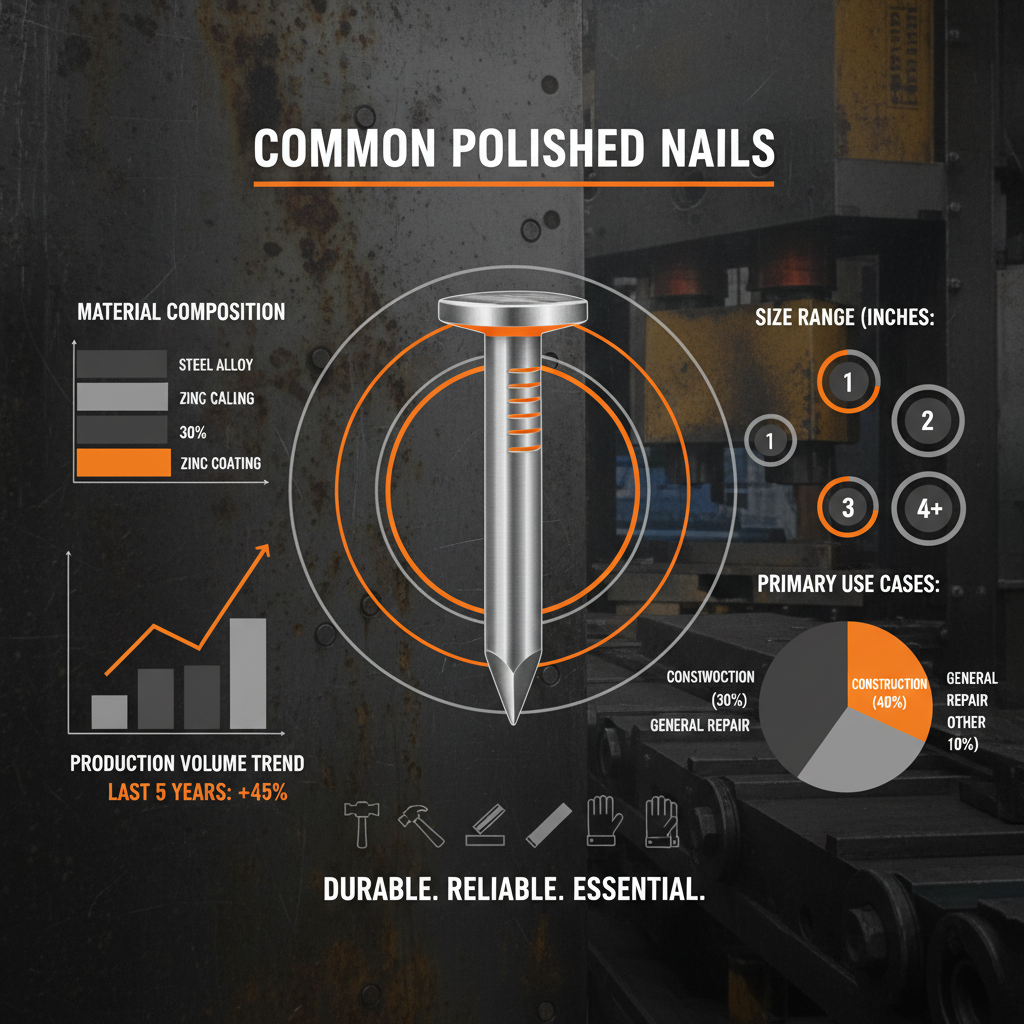
Quality Control and Considerations When Purchasing
Ensuring the quality of polished nails is paramount for reliable performance. Look for nails that are free from defects, such as cracks, dents, or inconsistencies in the polishing. Verify that the nails conform to relevant industry standards, like ASTM specifications. A reputable supplier, like Five Star Metals, will provide documentation confirming adherence to quality standards. Careful inspection and sourcing from a trusted vendor are essential steps in guaranteeing the longevity and effectiveness of your fasteners.
Conclusion: Selecting the Right Polished Nails for Your Needs
Choosing the right common polished nails requires careful consideration of application, material, and quality. Understanding the differences between nail types and prioritizing reliable sourcing are crucial for achieving optimal results. At Five Star Metals, we offer a comprehensive selection of high-quality polished nails to meet your specific requirements. Invest in quality fasteners and ensure the durability and aesthetic appeal of your projects.
Frequently Asked Questions (FAQs)
What is the best way to store polished nails to prevent corrosion?
To prevent corrosion, store polished nails in a dry, well-ventilated area. Avoid storing them in humid environments or direct contact with corrosive materials. Consider using a rust-inhibiting coating or wrapping them in protective paper. For long-term storage, placing them in a sealed container with a desiccant can help absorb moisture. Properly stored nails will maintain their polished finish and structural integrity for a longer period.
Are polished nails suitable for outdoor use?
While polished nails offer improved corrosion resistance compared to standard nails, their suitability for outdoor use depends on the material. Stainless steel polished nails are ideal for outdoor applications due to their superior resistance to rust and weathering. Bright steel or aluminum polished nails may require additional protective coatings for long-term outdoor use. Consider the environmental conditions and potential exposure to moisture, salt, and UV radiation when selecting nails for outdoor projects.
What are the common applications for aluminum polished nails?
Aluminum polished nails are commonly used in decorative applications, such as trim work, furniture embellishments, and craft projects. Their lightweight nature and corrosion resistance make them suitable for indoor use where aesthetics are a priority. They are also often used in applications where contact with certain materials could cause galvanic corrosion with steel nails. You can find a variety of aluminum polished nail options at Five Star Metals.
How do I determine the correct size and gauge of polished nail for my project?
Determining the correct size and gauge of polished nail depends on the thickness and type of materials being joined. Generally, the nail should penetrate at least two-thirds of the base material. The gauge (diameter) of the nail should be appropriate for the wood's density; softer woods require thicker nails, while harder woods can use thinner nails. Consult a nail sizing chart or seek advice from a hardware specialist to ensure you select the optimal size and gauge for your specific project.


-
Canton Fair 2026-4 in Guangzhou,China
NewsApr.24,2027
-
High Quality Common Nails 1212 for Construction Projects
NewsApr.16,2026
-
The 139th Canton Fair
NewsApr.14,2026
-
Guide to Using Galvanised Common Round Nails for Durable Construction
NewsApr.09,2026
-
Comprehensive Guide to Flat Head Common Nails for Construction Projects
NewsApr.07,2026
-
Understanding the Versatility of the Common Nail 5 5 for Various Applications
NewsApr.04,2026