Gabion Mesh Box Wall: Durable, Sustainable Solutions for Modern Construction
Understanding Gabion Mesh Box Wall: Durable Solutions for Modern Challenges
Gabion mesh box walls might sound like niche engineering jargon, but they’re quietly reshaping how we think about sustainable construction, flood control, and even humanitarian relief worldwide. At heart, these are wire mesh cages filled with stones or earth, creating sturdy, permeable walls with a surprisingly wide array of uses. Globally, as urban spaces expand and climate risks intensify, these structures offer an adaptable, eco-friendly way to reinforce infrastructure and mitigate natural hazards. Frankly, knowing about gabion mesh box walls isn’t just for engineers—it helps communities and industries alike understand how low-tech materials can deliver high-impact results.
Why Gabion Mesh Box Walls Matter Globally
From the flood-prone riverbanks of Bangladesh to highway embankments across Europe, gabion mesh box walls provide cost-effective erosion control and structural stability. According to the United Nations Environment Programme, riverbank erosion affects millions globally, threatening livelihoods and infrastructure. Gabions can slow down and absorb water impact, preventing soil loss without expensive concrete. In industry and humanitarian settings, their modular design enables quick deployment and repair—vital where time and budgets are tight.
Mini takeaway: Gabion mesh box walls are practical, scalable solutions aligned with global efforts for resilient infrastructure.
Defining Gabion Mesh Box Wall
At its simplest, a gabion mesh box wall is a cage made from galvanized or PVC-coated wire mesh, formed into boxes which are filled with rocks or rubble. This creates a rigid but permeable barrier used in civil engineering, landscaping, and flood management. It’s this permeability that sets gabions apart—water passes through, reducing hydrostatic pressure unlike solid concrete walls. You’ll find them in retaining walls, noise barriers, and even temporary fortifications in conflict zones.
Mini takeaway: A gabion mesh box wall blends natural materials with flexible design, making it a reliable, adaptable building block.
Key Components of Gabion Mesh Box Walls
1. Durability
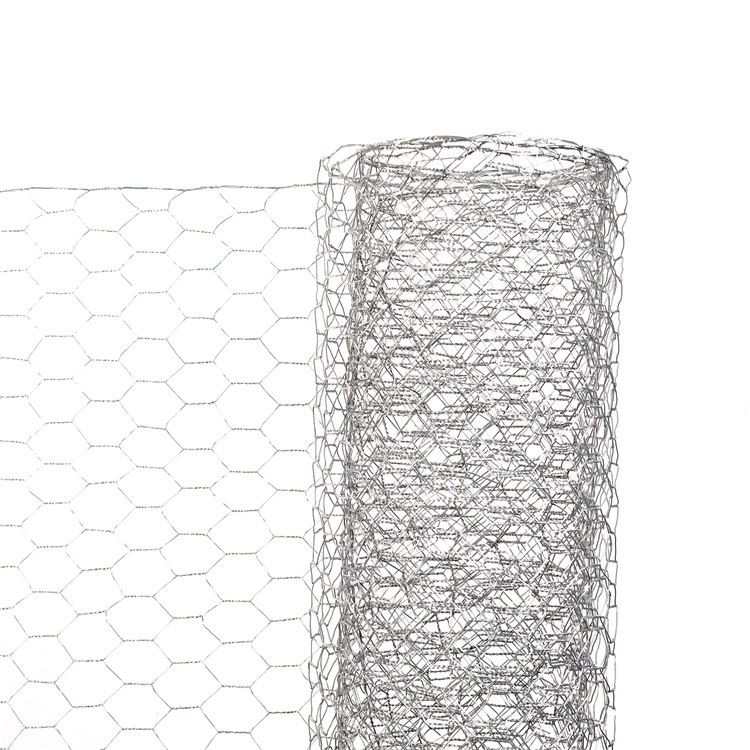
The mesh is typically galvanized steel, sometimes double-twisted hexagonal wire for extra resilience, often treated with PVC for corrosion resistance. This combination ensures the cages last decades even in harsh environments—salt spray, freeze-thaw cycles, or acidic soils. Engineers often note durability is one of the biggest draws.
2. Scalability and Modular Design
Boxes come in standard sizes but can be combined into larger structures. This modularity means they can be customized on-site to fit particular slopes or lengths without specialized equipment—a real advantage in remote or disaster-hit areas.
3. Cost Efficiency
Because gabions use locally sourced fill materials (stones, recycled concrete), material costs stay low, and transport needs are minimal. Installation requires minimal machinery and skilled labor compared to poured concrete walls. Many contractors find this reduces overall project costs significantly.
4. Environmental Benefits
Gabions allow for natural vegetation growth through the rocks over time, promoting ecosystem recovery rather than disrupting it. Their permeable nature also reduces water runoff speed, lowering flood risks downstream—a key sustainability factor.
5. Ease of Repair
If parts of a gabion wall settle or fail, individual boxes can be emptied and refilled or replaced, unlike monolithic concrete which often requires extensive remediation. This is especially appreciated in humanitarian post-disaster rebuilding scenarios.
Mini takeaway: Durability, modularity, and sustainability combine to make gabion mesh box walls efficient and resilient solutions.
Gabion Mesh Box Wall Product Specifications
| Specification | Details |
|---|---|
| Material | Galvanized steel wire, PVC-coated option available |
| Mesh Type | Double-twisted hexagonal mesh, 8x10 cm openings standard |
| Box Dimensions | 1 m x 1 m x 1 m (typical, customizable sizes available) |
| Fill Material | Locally sourced stones, rubble, or recycled concrete |
| Weight (filled) | Approx. 1,600 kg per box |
Vendor Comparison: Choosing a Gabion Mesh Box Wall Supplier
| Feature | Five Star Metals | Global Wire Solutions | EcoSteel Structures |
|---|---|---|---|
| Material Quality | Galvanized & PVC-coated options | Galvanized only | Eco-friendly recycled metals |
| Customization | Flexible sizing & mesh types | Standard sizes only | Custom orders with sustainability goals |
| Lead Time | 2-3 weeks | 4-6 weeks | 3-4 weeks |
| International Shipping | Available | Limited | Available with eco certification |
Global Applications & Use Cases of Gabion Mesh Box Walls
Worldwide, gabion mesh box walls appear in a surprising variety of settings:
- Flood control: In riverbanks across Southeast Asia, they’ve helped stem seasonal floods by stabilizing banks and dissipating flow force.
- Road and railway embankments: European infrastructure planners routinely use gabion walls for erosion control on slopes.
- Post-disaster relief operations: NGOs employ gabions to stabilize landslide zones or temporary shelters after earthquakes or floods.
- Landscape architecture: From terraced gardens to urban noise barriers, gabions blend functionality with aesthetics.
In real terms, their modular and flexible nature means they’re often the only practical solution where conventional concrete can't be delivered quickly or affordably.
Mini takeaway: The versatility of gabion mesh box walls ensures they’re key players in both high-tech infrastructure and grassroots resilience projects.
Advantages & Long-Term Value
Why choose gabion mesh box walls? There are many reasons—beyond simple cost savings. For one, their environmental footprint is relatively low, especially when filled with locally sourced rock or recycled materials. They allow water to flow and vegetation to grow, which enhances the surrounding ecosystem. Socially, they contribute to safer communities by stabilizing dangerous slopes or protecting homes against flooding.
Logically, maintenance is straightforward. Emotionally, there’s a kind of quiet trust in their rugged simplicity—you don’t need fancy machinery to fix or expand them; they grow with the community’s needs. It’s innovation in its most grounded form, really.
Future Trends & Innovations
Looking ahead, advances in tougher, lighter mesh coatings promise even longer lifespans in corrosive environments. Some companies are experimenting with smart sensors embedded in gabions to monitor structural health remotely, a neat trick marrying old-school engineering with digital tech. Sustainability goals push the use of recycled metals and eco-certified manufacturing processes. All this points to gabion mesh box walls not just as cost-cutters but as contributors to greener and smarter infrastructure development.
Challenges & Solutions
Of course, there are a few caveats. Sometimes filling material availability can be a bottleneck. Also, installation on very steep slopes requires careful engineering to avoid failures. But experts recommend pre-planning and site surveys to mitigate such risks. Fortunately, local training and modular designs help communities maintain these structures long-term.
FAQ: Frequently Asked Questions About Gabion Mesh Box Wall
- Q: How long do gabion mesh box walls typically last?
- A: When made with galvanized or PVC-coated wire, gabion walls can last 50 years or more, especially if maintained and properly drained.
- Q: Can gabion mesh box walls be used in cold climates?
- A: Yes, their flexibility and permeability make them well-suited for freeze-thaw environments, reducing cracking seen in rigid concrete walls.
- Q: Are gabion mesh box walls environmentally friendly?
- A: Absolutely. Using natural or recycled fill and their permeability to water and plants supports ecological balance better than solid walls.
- Q: How quickly can a gabion mesh box wall be constructed?
- A: Depending on size and site access, small walls can be assembled within days; larger projects span weeks but still tend to be faster than traditional retaining walls.
- Q: Where can I buy reliable gabion mesh box walls?
- A: Trusted suppliers like Five Star Metals offer customizable options with global shipping and eco-friendly coatings.
Conclusion
Gabion mesh box walls deftly blend simplicity with resilience. Their global relevance—from flood zones to urban infrastructure—makes them vital to a world facing rapid environmental and social changes. They represent a perfect mix of sustainability, cost efficiency, and adaptability. If you’re considering solutions that marry tradition with innovation, gabion mesh box wall systems deserve a spot on your radar.
Don’t just take it from me—see how communities and industries worldwide are implementing these solutions effectively. For detailed specs, customization options, and expert advice, visit our website and start building tomorrow’s resilient infrastructure today.
Oddly enough, sometimes the simplest ideas turn out to be the strongest foundations.
References


-
Canton Fair 2026-4 in Guangzhou,China
NewsApr.24,2027
-
High Quality Common Nails 1212 for Construction Projects
NewsApr.16,2026
-
The 139th Canton Fair
NewsApr.14,2026
-
Guide to Using Galvanised Common Round Nails for Durable Construction
NewsApr.09,2026
-
Comprehensive Guide to Flat Head Common Nails for Construction Projects
NewsApr.07,2026
-
Understanding the Versatility of the Common Nail 5 5 for Various Applications
NewsApr.04,2026