Durable Chicken Wire Fencing Solutions for Global Needs | Five Star Metals
Chicken Wire Fencing: Small Mesh, Huge Global Impact
Chicken wire fencing may sound like something strictly for backyard coops or hobby farms, but it’s far more than that. Globally, this simple steel mesh—lightweight, flexible, and affordable—plays a surprisingly pivotal role in industries, humanitarian efforts, and environmental management. Understanding chicken wire fencing isn’t just a farming thing; it’s about sustainable fencing solutions that span continents and sectors, quietly solving problems ranging from livestock containment to emergency shelter support.
Why Chicken Wire Matters Globally
Take a step back, and you see chicken wire fencing as a classic example of a humble product solving complex challenges worldwide. The United Nations Environment Programme highlights the critical need for sustainable, cost-effective materials in infrastructure development and disaster relief. Chicken wire fencing answers many such calls by offering quick deployment options for fencing in developing regions, protecting food supplies, safeguarding wildlife—sometimes even preventing soil erosion in fragile terrains.
Oddly enough, while advanced materials and high-tech fences are marching ahead, chicken wire fencing remains an essential go-to because of its scalability and adaptability. For NGOs handling refugee camps or rural feeders combating crop-raiding wildlife, it’s a key part of their toolkit.
Breaking Down the Basics: What Is Chicken Wire Fencing?
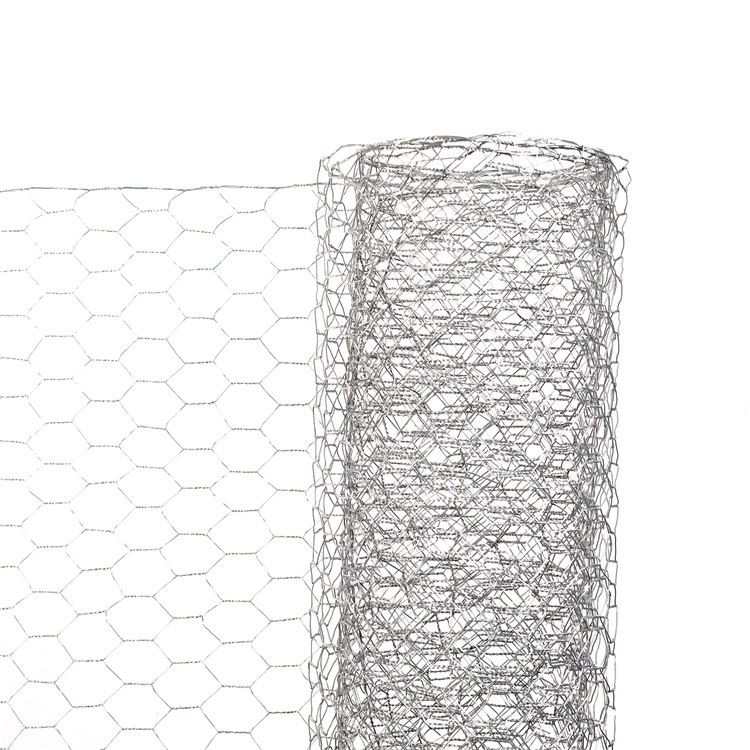
In essence, chicken wire fencing consists of thin, hexagonal wire mesh made predominantly from galvanized steel or PVC-coated metals. The hex pattern lends strength and flexibility, which lets it expand, contract, and twist without cracking—a simple engineering marvel, really.
Today, the phrase “chicken wire fencing” extends beyond poultry containment. It’s used in industrial, agricultural, and humanitarian fields. Fast deployment fencing, erosion control, and even temporary infrastructure protection owe a piece of their effectiveness to chicken wire’s design. It bridges old-school craftsmanship with emerging demands.
Key Characteristics of Chicken Wire Fencing
- Lightweight yet Durable: Easy to transport but tough enough to withstand weather extremes.
- Flexible Hexagonal Mesh: Gives it tensile strength and versatility.
- Corrosion Resistance: Often galvanized or coated for long life, even in humid or saline environments.
- Cost-Effective: Highly affordable compared to alternatives like chain link or welded mesh.
- Easy Installation: Minimal tools and skills required, speeding up projects.
Mini takeaway: chicken wire fencing’s blend of simplicity and strength is why it keeps winning hearts in multiple sectors.
Core Components That Define Its Functionality
1. Durability
Galvanization, the most common treatment, ensures the wire resists rust and corrosion. This is crucial as fencing often endures rain, sunlight, and animal wear-and-tear. Plus, newer PVC or polymer coatings offer extended life in marine or tropical zones.
2. Flexibility
The wire mesh’s hexagonal pattern isn’t just a design quirk. It allows the fencing to flex with terrain variations or accidental knocks without permanent deformation, making maintenance simpler and less frequent.
3. Cost Efficiency
Compared to chain link or solid panels, chicken wire fencing is cheap to produce and install. Procurement by NGOs and rural communities is often from local vendors, minimizing lead times and shipping hassles.
4. Scalability
Available in rolls or panels, chicken wire fencing adapts to small garden plots or sprawling industrial boundaries with ease. Projects can be scaled up or down on a whim.
5. Environmental Adaptability
Because it’s lightweight, it can be used in fragile ecosystems with minimal ground impact. Often, it acts as a barrier supporting reforestation or agriculture in erosion-prone areas.
| Specification | Details |
|---|---|
| Material | Galvanized Steel Wire |
| Wire Diameter | 1.2 mm |
| Mesh Size | 25 mm Hexagonal |
| Roll Length & Width | 25 m x 0.9 m |
| Coating Type | Zinc (Galvanized) |
| Weight per Roll | 12 kg |
Global Applications and Real-World Use Cases
Chicken wire fencing finds itself in a stunning variety of practical scenarios:
- Agriculture: From fencing off chicken runs to protecting vegetable gardens.
- Wildlife Conservation: Used to create animal enclosures or bird control nets in places like Africa and Asia.
- Humanitarian Aid: NGOs rely on chicken wire fencing for fast-setting perimeter fencing in refugee camps — a quick way to define safe zones.
- Construction and Industry: Temporary fencing for construction sites or outdoor equipment storage.
- Erosion Control: Stabilizing slopes and gullies by embedding wire mesh with rocks—a technique popular in hilly developing regions prone to landslides.
For example, during the 2015 Nepal earthquake relief efforts, chicken wire fencing was used extensively to secure makeshift shelter perimeters rapidly. Similarly, Australian farmers use coated chicken wire fencing to safeguard crops from invasive rabbits without the heavy footprint of traditional fencing.
Mini takeaway: chicken wire fencing’s flexibility makes it a global Swiss Army knife for containment and protection.
Long-Term Benefits and Why It’s Worth Considering
The tangible benefits of chicken wire fencing are impressive:
- Affordability: Reduces upfront infrastructure costs.
- Eco-Friendliness: Often recyclable, and requires less metal than heavier fencing.
- Reliability: With proper installation, lasts years, even decades.
- Social Impact: Enhances safety and dignity—especially in refugee camps and farms.
- Innovation: Coatings and mesh sizes now tailored to climates and needs.
Emotionally, chicken wire fencing gives smallholders peace of mind—they can fence property and livestock without breaking the bank. Logically, it keeps costs and maintenance low enough that projects stay sustainable, not just one-offs.
Looking Ahead: Innovations Shaping Chicken Wire Fencing
Technology hasn't ignored this industry. Recent patents involve using biodegradable polymer coatings for easier disposal. Some manufacturers incorporate smart sensor threads—monitoring for breaches or pressure changes, a futuristic touch to keep livestock safe.
Circular economy initiatives encourage recycled steel-based chicken wire, aligned with ISO 14001 environmental standards. Meanwhile, automation in cutting and rolling helps vendors meet bespoke orders rapidly — especially in growing urban agriculture markets.
Vendor Comparison: Major Chicken Wire Fencing Providers
| Vendor | Material Quality | Price Range (per roll) | Custom Sizes | Geographic Reach |
|---|---|---|---|---|
| Five Star Metals | High zinc galvanization, premium coating options | $45–$60 | Yes, including custom mesh sizes | Global (North America, EU, Asia) |
| EcoWire Fencing Ltd. | Standard galvanized, low PVC options | $40–$55 | Limited | Europe, Australia |
| Global Mesh Co. | Basic galvanized wire, affordable pricing | $35–$50 | No | North America, South America |
Challenges and How Industry Experts Address Them
Chicken wire fencing isn't perfect. The main complaints? Limited strength against larger predators, occasional early rusting if coatings fail, and vulnerability to deformation under heavy impacts.
Experts recommend thicker gauges or double layering in high-risk areas. Others explore hybrid fencing, combining chicken wire with solid wire or electric fencing for better security. New coatings with nano-technology repel water and dirt better, drastically cutting maintenance.
FAQ: Your Chicken Wire Fencing Questions Answered
Q1: How long does chicken wire fencing typically last outdoors?
A1: With proper galvanized or PVC coating, chicken wire fencing can last 10–15 years depending on climate. Humidity or salt exposure may reduce lifespan unless premium coatings are used.
Q2: Is chicken wire fencing suitable for protecting small pets indoors?
A2: Yes, it’s flexible enough to create safe enclosures at home but be mindful of wire gauge and spacing to prevent escape or injury.
Q3: Can chicken wire fencing be reused after a project?
A3: Often yes, especially if undamaged. Its flexibility and durability make it easier to take down and reinstall compared to rigid fencing.
Q4: What tools do I need for installing chicken wire fencing?
A4: Basic hand tools like wire cutters, pliers, and staples or fencing nails are sufficient for most installations. A staple gun speeds up attachment to wooden posts.
Q5: How environmentally friendly is chicken wire fencing?
A5: It's recyclable and often made from recycled steel. Choosing suppliers with eco-certifications enhances sustainability credentials.
Wrapping Up: Simple Mesh, Big Solutions
Chicken wire fencing might look unassuming, but its worldwide utility and evolving innovations make it an unsung hero in fencing technology. Whether you’re fencing a garden, safeguarding livestock, or responding to humanitarian crises, its flexibility, cost-effectiveness, and durability are hard to beat. Next time you think fencing, why not look closer at chicken wire? It’s probably already at work somewhere changing lives.
For those ready to explore quality options, visit Five Star Metals — specialists in durable chicken wire fencing that fits your needs globally.
References


-
Canton Fair 2026-4 in Guangzhou,China
NewsApr.24,2027
-
High Quality Common Nails 1212 for Construction Projects
NewsApr.16,2026
-
The 139th Canton Fair
NewsApr.14,2026
-
Guide to Using Galvanised Common Round Nails for Durable Construction
NewsApr.09,2026
-
Comprehensive Guide to Flat Head Common Nails for Construction Projects
NewsApr.07,2026
-
Understanding the Versatility of the Common Nail 5 5 for Various Applications
NewsApr.04,2026