Understanding the Versatility of the 2.5 Inch Common Nail for Construction
Understanding the Versatility of 2.5 Inch Common Nails
When tackling construction, woodworking, or general repairs, having the right fasteners is critical. Among the most frequently used is the 2.5 inch common nail. Its robust design and versatility make it a staple in countless projects. This article will explore the characteristics, uses, and benefits of this essential fastener. Whether you're a professional contractor or a DIY enthusiast, understanding the 2.5 inch common nail will help you select the best fastener for your needs. Explore our selection of high-quality nails at Fivestar Metals.
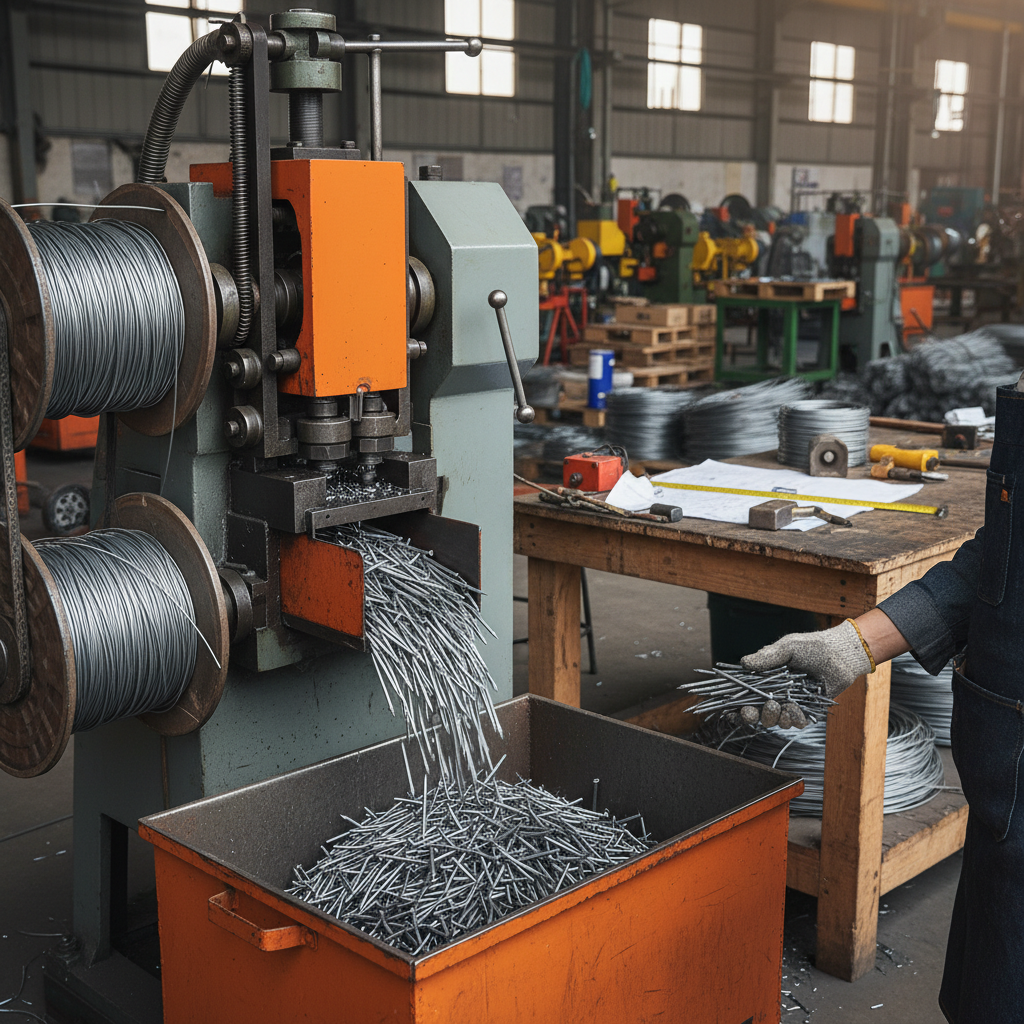
What Defines a 2.5 Inch Common Nail?
The term "common nail" refers to a specific type of nail with a thick shank, a broad head, and a diamond point. The 2.5 inch common nail specifically indicates its length. These nails are generally made of steel, and can be galvanized for enhanced corrosion resistance. Their construction provides substantial holding power, making them ideal for framing, sheathing, and general construction purposes. A key feature is the slightly flattened head, which provides a larger surface area for hammering and a more secure hold in the wood.
Key Highlights: Thick shank for strong holding power, broad head for secure hammering, and diamond point for easy starting in wood.
Applications of 2.5 Inch Common Nails
The 2.5 inch common nail finds use in a wide array of applications. Common uses include framing walls, attaching sheathing to studs, building fences, and general carpentry tasks. Its length provides adequate penetration for secure connections in most wood thicknesses. They are also suitable for pallet construction and various repair jobs around the home. The robust nature of the nail makes it a reliable choice for projects requiring long-term durability. You can find the perfect nails for your project at Fivestar Metals.
Common Uses:
• Framing walls and roofs
• Attaching sheathing and siding
• Building fences and decks
• General carpentry repairs
2.5 Inch Common Nail vs. Other Nail Types
While numerous nail types exist, the 2.5 inch common nail differentiates itself. Compared to finishing nails, it's more substantial and provides greater holding power, but is less aesthetically pleasing. Box nails, with their thinner shank, are easier to drive but lack the same strength. Similarly, roofing nails have barbed shanks for secure attachment to roofing materials, but aren't suitable for general carpentry. The 2.5 inch common nail strikes a balance between strength, ease of use, and cost-effectiveness for a broad range of projects.
Factors Influencing Nail Selection
Choosing the right nail involves considering several factors. The type of wood being used influences the required nail length and gauge. Hardwoods necessitate thicker, longer nails than softwoods. The application also plays a role; structural applications require greater holding power than cosmetic ones. Furthermore, environmental conditions matter; galvanized nails are essential for outdoor projects to prevent rust and corrosion. Fivestar Metals offers a wide selection of nails to suit diverse project requirements.
Product Specifications and Availability
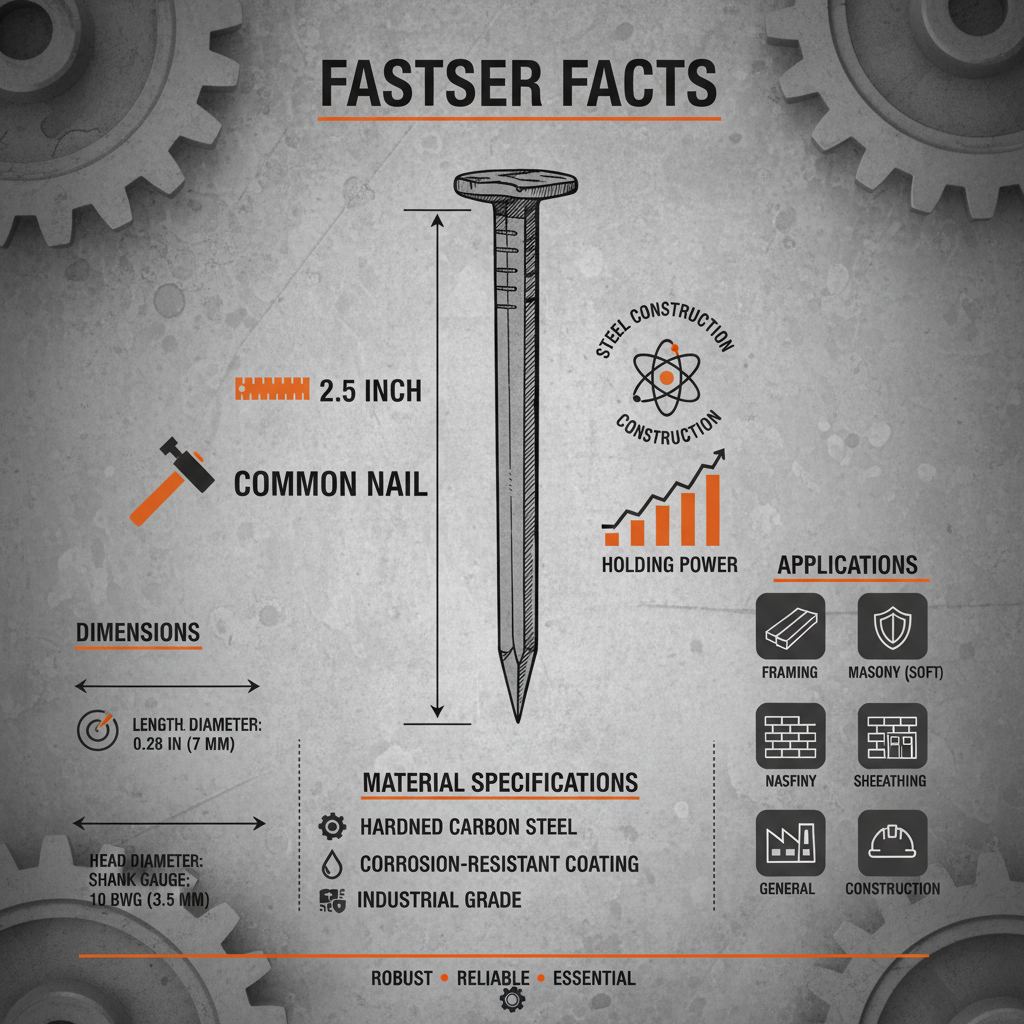
The 2.5 inch common nail typically features a bright finish or a galvanized coating. Common specifications include a shank diameter of 0.120 inches and a head diameter of 0.375 inches. They are available in various quantities, from small boxes to large bulk packages. At Fivestar Metals, we provide a consistent supply of high-quality 2.5 inch common nails to meet your project demands.
Conclusion: A Reliable Fastener for Every Project
The 2.5 inch common nail remains a versatile and reliable fastener for a multitude of applications. Its robust construction, ease of use, and affordability make it an essential component in any toolbox. When sourcing nails, prioritize quality and consider the specific requirements of your project. Fivestar Metals is your trusted partner for all your nail and metal product needs.
Frequently Asked Questions (FAQs)
What wood types are best suited for 2.5 inch common nails?
2.5 inch common nails work well with most softwood lumber, such as pine, fir, and spruce. They can also be used with some hardwoods like poplar and aspen, but pre-drilling may be necessary to prevent splitting. For very dense hardwoods like oak or maple, longer and thicker nails or screws are generally recommended. The key is to select a nail length that penetrates at least two-thirds of the way through the receiving piece of wood to ensure a secure hold. Considering the wood's density is crucial for selecting the appropriate fastener.
Are galvanized 2.5 inch common nails necessary for outdoor use?
Yes, galvanized 2.5 inch common nails are highly recommended for outdoor applications. The galvanized coating provides protection against rust and corrosion, extending the lifespan of the nail and preventing structural failure. Regular steel nails will rust quickly when exposed to moisture and the elements, compromising their holding power and potentially leading to safety hazards. While more expensive, galvanized nails offer a significant long-term benefit for outdoor projects.
What safety precautions should I take when using 2.5 inch common nails?
Always wear safety glasses when hammering nails to protect your eyes from flying debris. Use a hammer with a comfortable grip and swing with controlled force. Be mindful of your surroundings and ensure no one is in the path of the swing. If you're working with hardwoods, pre-drilling can help prevent the wood from splitting and reduce the risk of the nail bending. Finally, store nails safely and securely to prevent accidental injuries.
What’s the difference between bright and galvanized nails?
Bright nails are standard steel nails with no protective coating. They are suitable for indoor projects where corrosion isn’t a concern. Galvanized nails, on the other hand, are coated with a layer of zinc to protect them from rust and corrosion. This makes them ideal for outdoor use or in environments with high humidity. Galvanized nails will cost slightly more than bright nails, but they offer significantly longer-lasting performance in challenging conditions.


-
Canton Fair 2026-4 in Guangzhou,China
NewsApr.24,2027
-
High Quality Common Nails 1212 for Construction Projects
NewsApr.16,2026
-
The 139th Canton Fair
NewsApr.14,2026
-
Guide to Using Galvanised Common Round Nails for Durable Construction
NewsApr.09,2026
-
Comprehensive Guide to Flat Head Common Nails for Construction Projects
NewsApr.07,2026
-
Understanding the Versatility of the Common Nail 5 5 for Various Applications
NewsApr.04,2026