Understanding the Common Nail Grid for Efficient and Secure Fastening
Understanding the Common Nail Grid for Efficient Fastening
In the world of construction, woodworking, and general fastening, the efficiency and accuracy of nail placement are crucial. The common nail grid offers a systematic solution for achieving precisely spaced nail patterns. This article will delve into what a common nail grid is, its applications, benefits, and how it contributes to a more streamlined fastening process. We will explore the various types available and how to choose the right grid for your specific needs. Choosing the right nail grid can significantly improve the quality and speed of your projects.
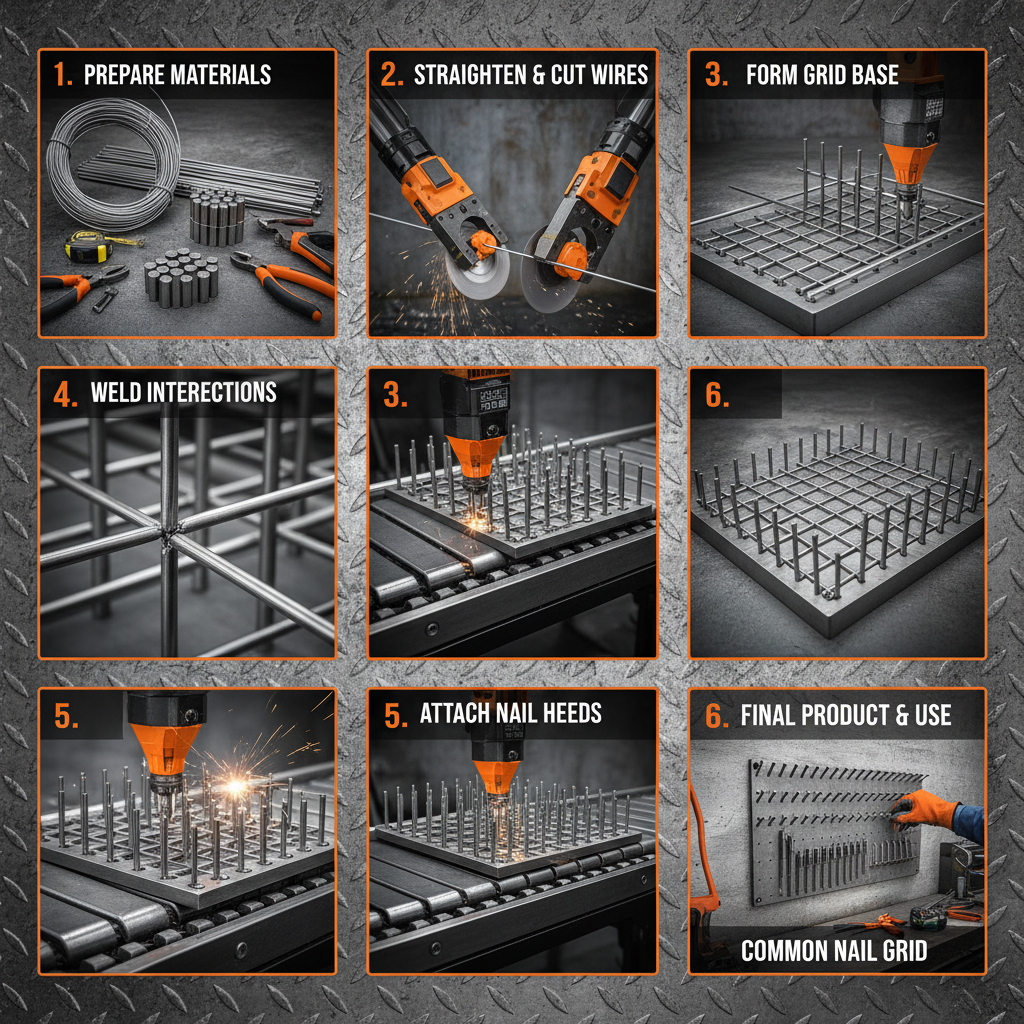
What is a Common Nail Grid?
A common nail grid is essentially a pre-defined pattern or spacing guide used to determine where nails should be placed when joining two or more pieces of material, typically wood. These grids are based on standard building codes and best practices to ensure structural integrity and consistent results. They ensure even distribution of fastening forces, minimizing the risk of splitting or warping. They can be physical tools or visual references. Using a consistent common nail grid promotes uniformity and professionalism in your work.
Key Highlights: A common nail grid is a pre-defined pattern for nail placement, based on industry standards and designed for optimal structural performance and aesthetic consistency.
Common Nail Grid Patterns and Their Applications
Different applications demand different nail grid patterns. Some of the most common include:
- Single Nail Grid: Used for light-duty fastening, typically involving thinner materials.
- Double Nail Grid: Provides increased strength and stability for moderate loads.
- Offset Nail Grid: Distributes stress more evenly, reducing the risk of splitting in the wood.
- Staggered Nail Grid: A variation of the offset grid, commonly used in sheathing applications.
The selection of the appropriate grid depends on factors like the type of materials being joined, the expected load, and local building codes. Five Star Metals provides various nail options to work with these grids.
Grid Application Breakdown:
• Single Nail Grid: Light-duty fastening.
• Double Nail Grid: Moderate load applications.
• Offset Nail Grid: Minimizing wood splitting.
• Staggered Nail Grid: Sheathing applications.
The Benefits of Using a Common Nail Grid
Implementing a consistent nail grid offers numerous benefits, including increased structural integrity, reduced material waste, and improved aesthetic appeal. A well-planned grid ensures that the load is distributed evenly, preventing premature failure of the joint. It also minimizes the chance of nails being driven too close to the edge of the material, which can cause splitting. Furthermore, a visually consistent grid creates a more professional and polished look. Using a nail grid saves time and reduces errors.
Selecting the Right Nails for Your Common Nail Grid
The type of nail used in conjunction with your common nail grid is as important as the grid itself. Factors to consider include the nail's gauge (diameter), length, and head style. For softwood applications, a smaller gauge nail might suffice, while hardwoods require a heavier gauge. The nail length should be approximately three times the thickness of the wood being fastened. Five Star Metals offers a comprehensive selection of nails specifically designed to work with various grid patterns.

Code Compliance and Common Nail Grid Standards
Building codes often specify the minimum nail grid requirements for various structural applications. It's essential to familiarize yourself with the local codes in your area to ensure compliance. These codes dictate the spacing, pattern, and type of nails that must be used for specific connections. Following these guidelines is crucial for safety and legal compliance. Five Star Metals stays updated on industry standards.
Conclusion: Optimize Fastening with a Common Nail Grid
Implementing a common nail grid is a simple yet effective way to improve the quality, efficiency, and safety of your fastening projects. By understanding the different grid patterns, selecting the right nails, and adhering to building codes, you can achieve consistently reliable results. Invest in a systematic approach to fastening and experience the benefits of a well-planned nail grid.
Frequently Asked Questions (FAQs)
What is the difference between a single and double nail grid?
A single nail grid uses one row of nails, ideal for lighter applications and thinner materials. A double nail grid utilizes two rows of nails, providing significantly increased strength and stability for applications requiring greater load-bearing capacity. The choice depends on the specific structural demands of the project. A double nail grid offers more resistance to shear forces than a single nail grid.
How do I determine the correct nail spacing for my project?
The correct nail spacing is determined by factors such as the type of wood, the thickness of the materials, and local building codes. Generally, closer spacing provides greater strength, but can also increase the risk of splitting. Consult building codes and engineering guidelines for specific recommendations. A good starting point is to follow the nail grid patterns specified by industry standards.
Are there any tools to help with creating a consistent nail grid?
Yes, there are various tools available, including nail grid templates, marking gauges, and specialized nail guns with adjustable spacing features. These tools simplify the process of creating a consistent and accurate nail grid, saving time and reducing errors. Using a marking gauge is a simple and effective way to establish consistent nail spacing.
Can a common nail grid be used for materials other than wood?
While commonly used for wood, the principles of a nail grid can be adapted for other materials like composite decking or certain plastics, provided appropriate fasteners are used. The key is to ensure the fasteners are compatible with the material and provide adequate holding power. However, specific materials may require different grid patterns and fastening techniques.


-
Canton Fair 2026-4 in Guangzhou,China
NewsApr.24,2027
-
High Quality Common Nails 1212 for Construction Projects
NewsApr.16,2026
-
The 139th Canton Fair
NewsApr.14,2026
-
Guide to Using Galvanised Common Round Nails for Durable Construction
NewsApr.09,2026
-
Comprehensive Guide to Flat Head Common Nails for Construction Projects
NewsApr.07,2026
-
Understanding the Versatility of the Common Nail 5 5 for Various Applications
NewsApr.04,2026