Understanding Nail Common A Comprehensive Guide to Uses and Types
Understanding Nail Common: A Comprehensive Guide
When undertaking construction, woodworking, or general repair projects, the humble nail common is an essential fastener. Its versatility and affordability make it a staple in many toolboxes. This article provides a detailed exploration of nail common, covering its uses, types, sizes, materials, and best practices for its application. Understanding the nuances of nail common ensures structural integrity and project success. Five Star Metals offers a wide range of nail common to meet your specific needs.
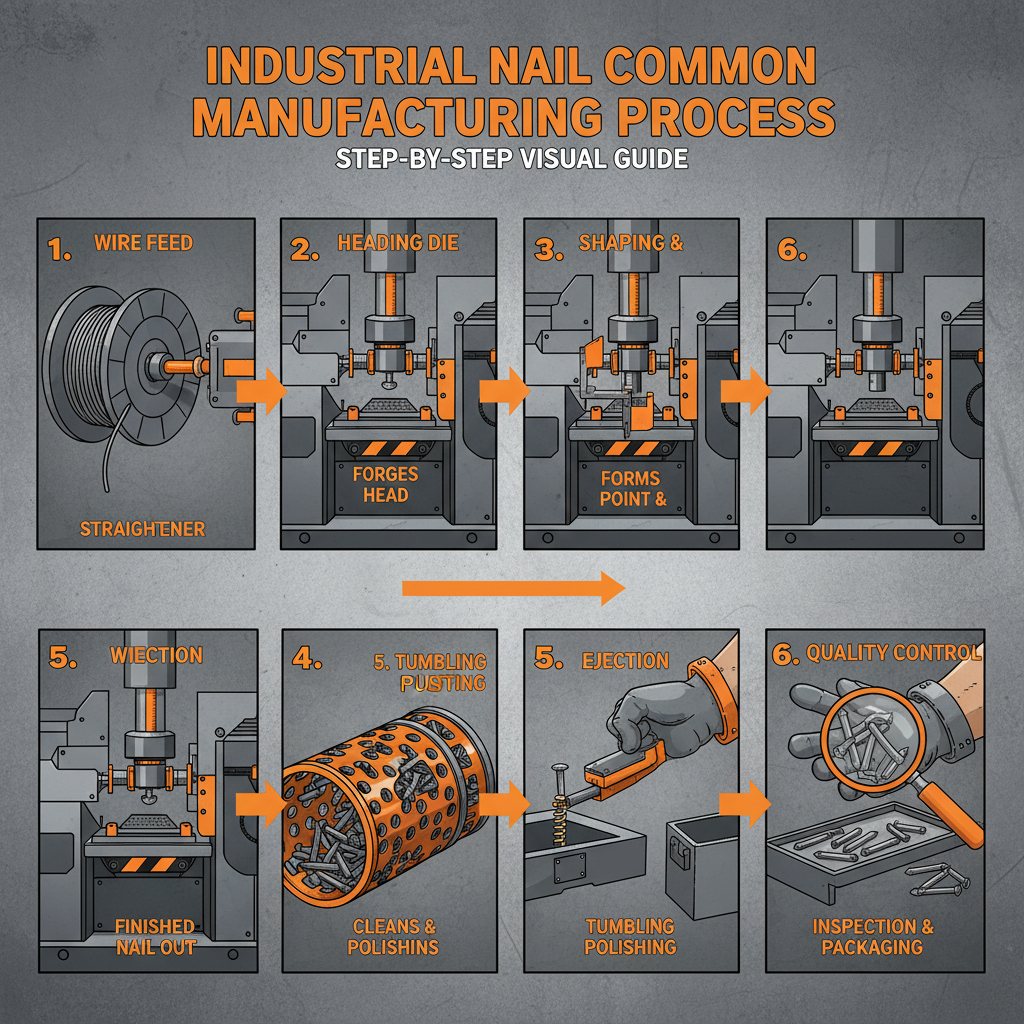
What is Nail Common and What is It Used For?
Nail common refers to a general-purpose nail with a smooth shank and a flat head. It is primarily used for general construction, framing, sheathing, and fencing. Unlike specialized nails, nail common doesn’t have rings, twists, or coatings designed for specific applications. Its primary function is to securely join wood pieces together. It’s suitable for both softwood and hardwood, though pre-drilling is recommended for harder woods to prevent splitting. The simplicity and robust nature of the nail common makes it an invaluable tool for a multitude of projects.
Different Types of Nail Common
While the term "nail common" suggests a single type, variations exist based on material and finish. The most common types include:
- Steel Nails: The most widely used type, offering good strength and affordability.
- Galvanized Nails: Coated with zinc for corrosion resistance, making them suitable for outdoor projects.
- Aluminum Nails: Lightweight and corrosion-resistant, ideal for applications where rust is a concern.
- Copper Nails: Used for roofing and other applications requiring durability and aesthetic appeal.
Selecting the appropriate type of nail common depends on the project's environment and longevity requirements.
Nail Common Sizes and Gauge Explained
Nail common comes in various sizes, typically designated by a "penny" (d) number. A higher penny number indicates a longer and thicker nail. The gauge (wire thickness) also plays a crucial role. Here's a common size guide:
Choosing the right size depends on the thickness of the materials being joined. A general rule is that the nail should penetrate at least twice the thickness of the top piece of wood into the bottom piece.
Best Practices for Using Nail Common
To ensure a secure and lasting connection, follow these best practices:
- Pre-Drilling: For hard woods, pre-drilling prevents splitting and makes driving the nail easier.
- Clinching: In certain applications, clinching the nail (bending over the tip) on the back side provides extra holding power.
- Spacing: Space nails appropriately to distribute stress and prevent wood from cracking.
- Angle: Drive nails straight to maximize holding power.
- Safety Gear: Always wear safety glasses when driving nails to protect your eyes.
Proper technique extends the life of your project and ensures its safety and stability. Five Star Metals can provide expert advice on nail selection and application.
Comparing Nail Common to Other Nail Types
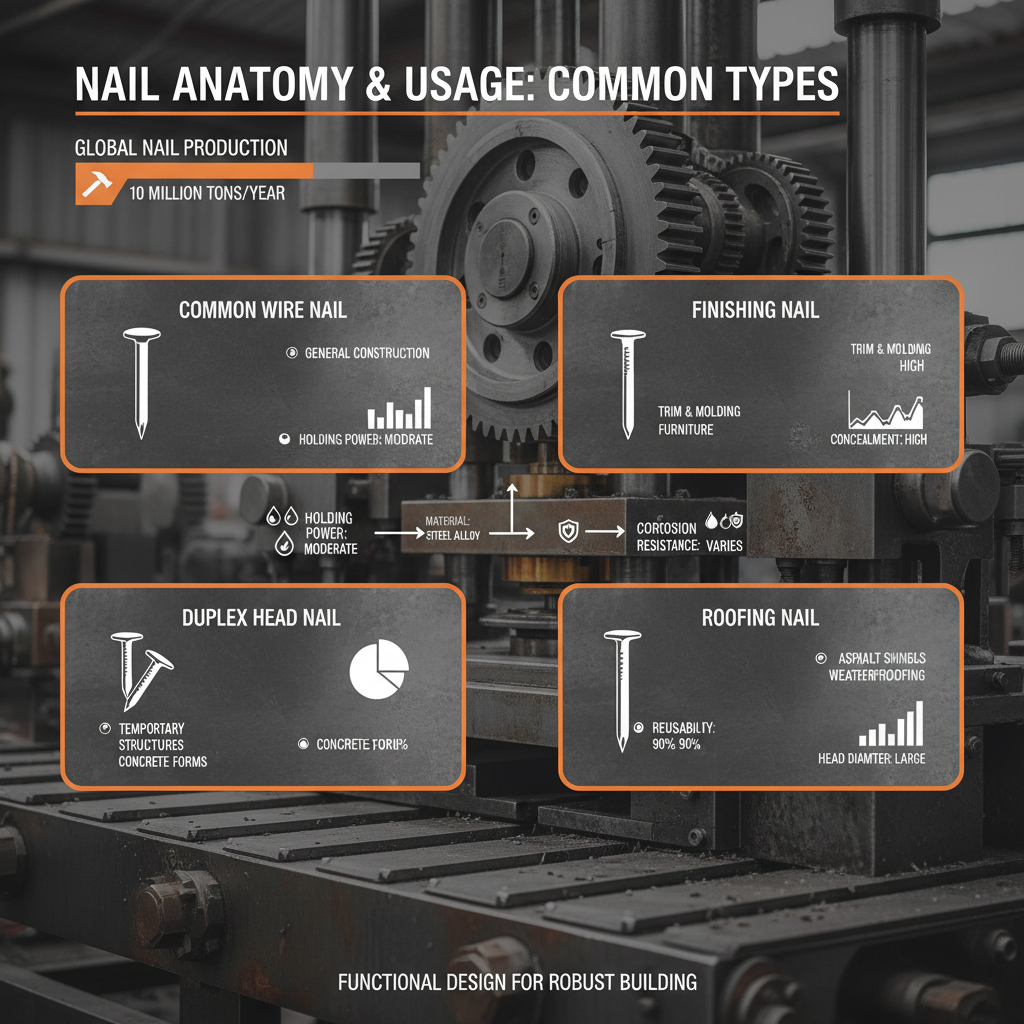
While nail common is a versatile option, other nail types excel in specific scenarios. Here's a quick comparison:
- Finish Nails: Used for trim and molding, offering a smaller head for a cleaner look.
- Box Nails: Similar to nail common but with a thinner shank, reducing splitting.
- Ring Shank Nails: Feature rings along the shank for increased holding power in demanding applications.
- Spiral Shank Nails: Offer even greater holding power than ring shank nails due to their twisted shank.
Conclusion: The Reliable Choice for General Fastening
The nail common remains a fundamental fastener for countless projects due to its affordability, versatility, and ease of use. Understanding its characteristics, available sizes, and best practices will empower you to confidently tackle a wide range of construction and repair tasks.
Frequently Asked Questions (FAQs)
What wood types are best suited for nail common?
Nail common performs well with both softwood (like pine and fir) and hardwood (like oak and maple). However, hardwoods often require pre-drilling to prevent splitting. The density of the wood dictates the appropriate nail size and gauge; denser woods necessitate longer and thicker nails. Consider using ring shank nails for hardwoods to improve holding power, even if you’re starting with nail common. For exterior applications, galvanized nail common is essential to prevent corrosion.
Can I use nail common for outdoor projects?
While steel nail common can be used for some outdoor projects, it’s highly recommended to use galvanized nail common. The zinc coating provides excellent corrosion resistance, preventing rust and ensuring a longer lifespan. Aluminum or copper nails are also suitable options for certain outdoor applications where rust is a major concern. Choosing the right material will safeguard the integrity of your project and reduce the need for frequent repairs.
What’s the best way to avoid splitting the wood when using nail common?
Several techniques can minimize wood splitting. Pre-drilling is the most effective method, especially for hardwoods and when nailing close to the edge of the wood. Blunting the tip of the nail slightly can also help. Using a box nail, which has a thinner shank than nail common, can reduce splitting. Ensure you are driving the nail straight and avoid excessive force. Applying a bit of soap or wax to the nail shank can also make it easier to drive and reduce friction.


-
Canton Fair 2026-4 in Guangzhou,China
NewsApr.24,2027
-
High Quality Common Nails 1212 for Construction Projects
NewsApr.16,2026
-
The 139th Canton Fair
NewsApr.14,2026
-
Guide to Using Galvanised Common Round Nails for Durable Construction
NewsApr.09,2026
-
Comprehensive Guide to Flat Head Common Nails for Construction Projects
NewsApr.07,2026
-
Understanding the Versatility of the Common Nail 5 5 for Various Applications
NewsApr.04,2026