Blue Chain Link Fence: Durable, Cost-Effective, and Globally Relevant Fencing Solutions
Understanding the Blue Chain Link Fence: Durable, Practical, and Everywhere
If you’ve ever wandered through a sports field, schoolyard, or industrial site, chances are you’ve come across a fence made of interlinked metal wires—a chain link fence. But what about when that fence pops out in a striking blue color? The blue chain link fence isn’t just an aesthetic choice; it signals a mix of durability, corrosion resistance, and often tells a story about safety and community management. Globally, these fences provide essential boundaries that protect properties and people, yet their role goes beyond simple security.
Given the urbanization wave worldwide and the need for affordable, adaptable perimeters, understanding the blue chain link fence’s features and applications helps companies and communities make smarter, long-term decisions about fencing solutions. Here’s a thoughtful dive into what makes these fences stand out, where they’re used, and why they matter.
Introduction: Why Blue Chain Link Fence Matters Globally
The global fencing market is growing steadily. According to industry data, fencing demand is projected to increase by over 5% annually through 2027, driven largely by infrastructure expansion, residential development, and heightened security requirements. The blue chain link fence, in particular, thrives in this market because it combines practicality with visibility.[1]
But there’s a real challenge: many regions face harsh weather, corrosion issues, or socio-economic conditions that make traditional fencing short-lived or expensive to maintain. Blue chain link fences, often coated with vinyl or polyester, help solve corrosion problems—especially in coastal or industrial zones. The color blue here isn’t arbitrary; it often symbolizes safety zones, schools, or public parks, creating an intuitive visual cue that enhances community regulation and order.
Definition & Meaning
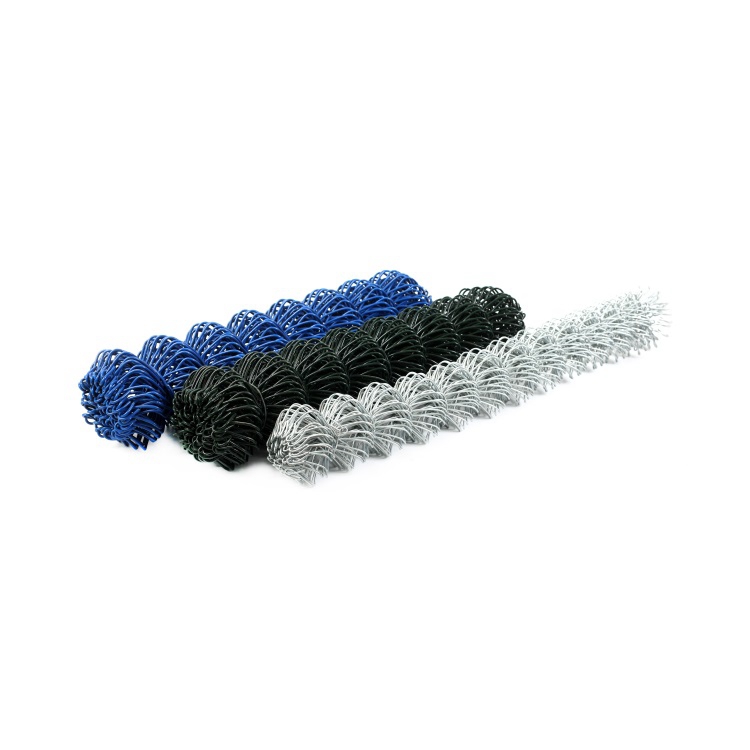
At its core, a blue chain link fence is a type of woven fence made from galvanized steel wires coated with a blue protective layer, usually vinyl. This coating makes the metal less prone to rust while adding color. Unlike the classic silver-gray fences, the blue provides a splash of identity, helping separate areas not just physically but symbolically.
This fencing connects to modern industrial and humanitarian needs by offering flexibility and rapid installation. NGOs use them in temporary relief camps or schools to demarcate safe zones. Meanwhile, industries rely on these fences to secure equipment without sacrificing a bit of aesthetic in public-facing areas.
Key Factors That Make Blue Chain Link Fence a Go-To Solution
1. Durability
The vinyl coating protects against corrosion from moisture, UV rays, and chemicals. This makes blue chain link fences particularly resilient in harsh climates. Durability translates to fewer replacements and repairs — a massive cost saver.
2. Scalability and Flexibility
Whether you need a short fence around a playground or a perimeter stretching hundreds of meters at a factory, chain link fences scale well. They’re easy to extend, move, or customize with gates and posts.
3. Cost Efficiency
Compared with brick walls or specialty fencing, the blue chain link fence offers an economical solution without compromising on security. Installation usually requires minimal groundwork.
4. Visibility & Safety
The distinctive blue coating improves visibility and aligns with public safety colors. This helps reduce accidental trespasses or encourages vigilant behavior in sensitive zones.
5. Low Maintenance
Unlike wooden or iron fences, they don’t require frequent painting or chemical treatments. A simple wash generally keeps them looking fresh.
Product Specifications: Typical Blue Chain Link Fence
| Specification | Details |
|---|---|
| Material | Galvanized Steel Wire with Blue Vinyl Coating |
| Mesh Size | 2” x 2” (typical) |
| Wire Gauge | 9 to 11 gauge |
| Fence Height | 3 ft to 12 ft |
| Coating Thickness | 12 to 20 mils vinyl |
| Lifespan | 15-20 years (depending on environment) |
Global Applications & Use Cases
Industrially, blue chain link fences appear at manufacturing plants in Southeast Asia where humid conditions demand corrosion resistance. In post-disaster relief operations—for example, after hurricanes hitting the Caribbean—temporary fencing is rapidly deployed to define safe zones or protect water treatment plants.
Educational institutions worldwide prefer blue fencing for playgrounds to create a welcoming, calming atmosphere and meet safety standards (blue is often associated with calm and security in color psychology). Even remote mining sites in Australia use these fences for temporary boundary marking due to their easy transportability.
- Power plants securing transformers.
- Public parks in Europe for zoned access.
- Sporting arenas in North America for crowd control.
Vendor Comparison: Blue Chain Link Fence Providers
| Vendor | Coating Quality | Range of Sizes | Warranty | Global Shipping |
|---|---|---|---|---|
| Five Star Metals | High durability vinyl, 15-20 mils | 3-12 ft height, custom widths | 10 years | Yes, worldwide |
| Premium Fencing Co. | Standard vinyl, 12 mils | Up to 10 ft height | 5 years | Regional (North America) |
| Global Fence Supplies | Polyester coating instead of vinyl | 3-8 ft height | 7 years | Worldwide |
Advantages & Long-Term Value
Frankly, the blue chain link fence feels like a dependable workhorse. Its cost-efficiency eases installation budgets; its durability means fewer replacements, leading to less material waste, contributing to sustainability. From a social perspective, the blue hue signals order, safety, and community care, promoting trust. Security directors appreciate how easy it is to repair and adapt these fences, which is crucial in fast-changing environments.
In real terms, investing in this fencing means fewer surprises and a fence that “just works” year after year. There’s also a psychological comfort: the color itself encourages respect for the boundaries, somewhat softening the hard security message.
Future Trends & Innovations
The fencing world isn’t stagnant. Manufacturers are experimenting with eco-friendly coatings derived from recycled materials to reduce environmental footprints. Some are integrating sensors and digital locks on gates to create smart fence setups, syncing physical and cybersecurity. Automation in installation techniques also promises faster deployment, especially in disaster zones.
With emerging sustainability standards like ISO 14001 encouraging greener manufacturing, blue chain link fences might soon double as carbon-conscious solutions. I suppose that’s a neat intersection between old-school fencing and cutting-edge responsibility.
Challenges & Solutions
Despite many benefits, challenges do exist. Vinyl coatings can fade in extremely hot climates over prolonged periods. Maintenance crews sometimes struggle to find matching replacement panels if fencing ages unevenly. Plus, a common complaint is that smaller mesh sizes—needed for high security—can increase costs.
To tackle these, some companies now offer modular fencing panels that snap together with easily replaceable clips. Advances in UV-protected coatings extend color life by up to 30%. And ongoing R&D aims to blend vinyl with polymers that balance cost, durability, and environmental impact.
FAQ: Frequently Asked Questions About Blue Chain Link Fence
- What makes blue chain link fences better for coastal areas?
- The vinyl coating protects against salty air corrosion better than bare metal. This extends the fence’s lifespan in marine environments and reduces maintenance frequency.
- Can blue chain link fences be customized in height and color?
- Yes, while blue is popular for public safety and aesthetics, manufacturers usually offer custom heights up to 12 feet and other colors to meet specific industry needs.
- How long does installation typically take?
- Depending on site size and prep, small-scale fencing installs can be done within a day or two, especially with modular panel systems.
- Are blue chain link fences recyclable?
- Yes, the steel core is recyclable. The vinyl coating requires specialized processes but some vendors reclaim and reuse these materials in new products.
Conclusion + Call to Action
At the end of the day, the blue chain link fence is more than just a boundary. It’s a sustainable, affordable, and visually communicative tool bridging safety and community needs worldwide. For anyone looking to secure a space while keeping durability and aesthetics front and center—especially in challenging environments—this fencing type definitely deserves a look.
Interested in learning more or sourcing high-quality fencing? Visit https://www.fivestar-metals.com to explore options that combine strength with style.
Takeaway: The blue chain link fence quietly but effectively balances durability, cost, and community engagement — a true unsung hero of modern fencing.
References


-
Canton Fair 2026-4 in Guangzhou,China
NewsApr.24,2027
-
High Quality Common Nails 1212 for Construction Projects
NewsApr.16,2026
-
The 139th Canton Fair
NewsApr.14,2026
-
Guide to Using Galvanised Common Round Nails for Durable Construction
NewsApr.09,2026
-
Comprehensive Guide to Flat Head Common Nails for Construction Projects
NewsApr.07,2026
-
Understanding the Versatility of the Common Nail 5 5 for Various Applications
NewsApr.04,2026