Chain Link Fence Wire: Durable, Versatile Fencing Solutions for Industry & Relief
Understanding Chain Link Fence Wire: A Global Perspective on a Simple Yet Crucial Product
Chain link fence wire — it might sound like something pedestrian, but in reality, it’s a cornerstone material that quietly shapes industries, communities, and even humanitarian missions worldwide. Whether securing a construction site in Dubai, outlining a refugee camp in Jordan, or providing a boundary for a school playground in Chicago, this wire does more than just create fences — it creates safety, order, and sometimes, peace of mind.
Why does this matter on a global scale? Well, according to recent ISO standards and UN infrastructure data, fencing materials like chain link wire contribute directly to security and environmental management in over 80 countries. Getting familiar with its uses and qualities brings real benefits for engineers, project managers, and NGOs alike. It’s about making better choices — for durability, cost-efficiency, and sustainability.
The Global Context: Why Chain Link Fence Wire Still Matters
In 2023, the fencing market was valued at around $4 billion globally, with chain link fences taking a substantial slice of that pie. Reports from the World Bank highlight that rapid urbanization and infrastructure development have driven demand, especially in emerging economies where cost and durability hold equal weight.
Yet, there's a challenge often overlooked: how to provide effective, scalable fencing solutions without harming the environment or overshooting budgets. This is particularly critical in disaster-prone or conflict-affected areas, where quick deployment and reliability are paramount. And that’s exactly where chain link fence wire shines.
Oddly enough, while futuristic materials pop up in many areas of construction, chain link fence wire remains a trusted stalwart, combining traditional metalworking with modern coatings and designs. It tackles problems from erosion control to crowd management to livestock containment — a true jack-of-all-trades.
What Exactly Is Chain Link Fence Wire?
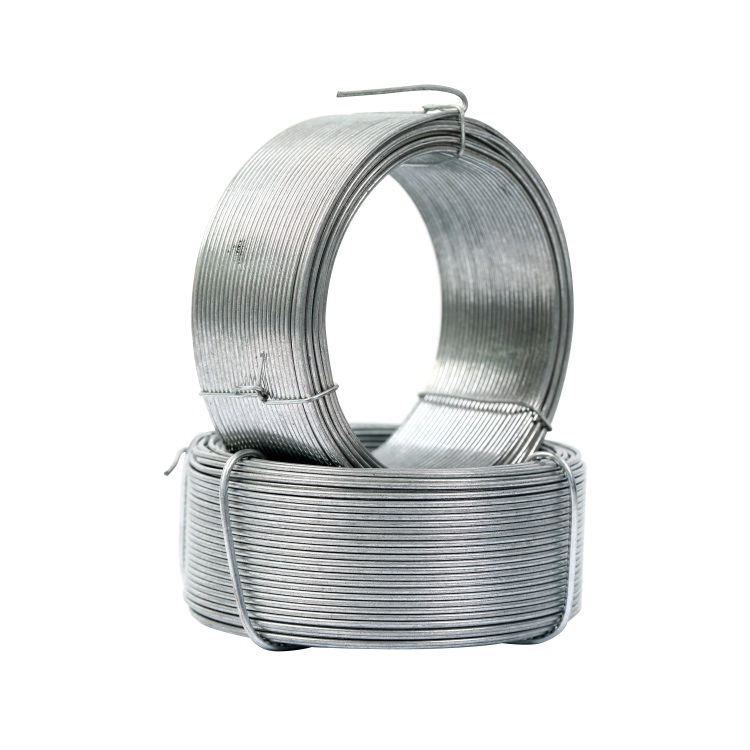
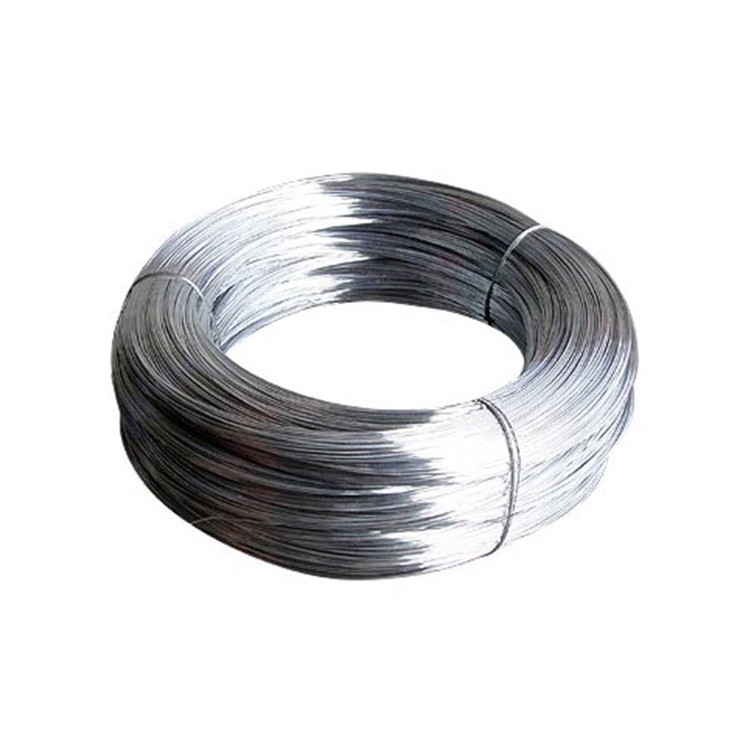
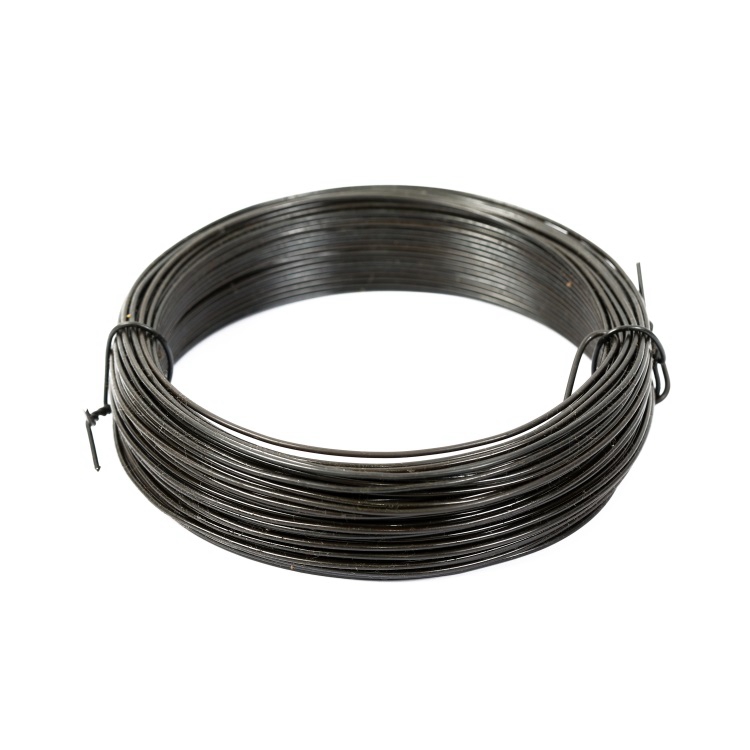
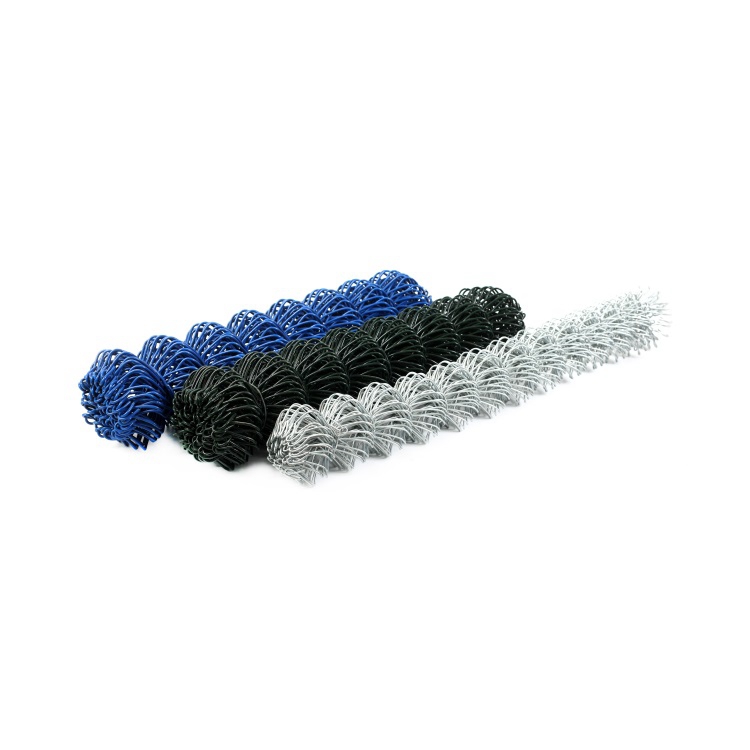
At its core, chain link fence wire is a galvanized or coated steel wire woven in a diamond pattern to create a mesh. This mesh attaches to posts for fencing that’s both flexible and strong. Simple? Yes. But important? Absolutely.
Its simplicity allows for rapid installation and repair—often crucial in emergencies or remote sites. The wire's composition is key: galvanized to resist rust or coated with PVC for extra durability depending on weather conditions.
In industry or humanitarian contexts, this fencing type helps delineate safe zones, prevent unauthorized access, or contain valuable resources. NGOs often procure chain link fence wire to quickly secure medical camps or shelters in refugee settlements, ensuring safety while fostering dignity.
Core Components & Key Factors of Chain Link Fence Wire
1. Durability and Corrosion Resistance
The galvanization process is the unsung hero here — it protects steel wire from rust and degradation, dramatically extending fence life. Some wires get PVC or polymer coatings, making them even tougher against chemical exposure or UV damage.
2. Flexibility and Scalability
Because chain link fence wire is woven rather than rigid, it bends where needed but still provides a strong barrier. This adaptability makes it ideal for uneven terrain or modular setups that need fast expansion.
3. Cost Efficiency
Compared to solid metal panels or wood fencing, chain link wire offers a budget-friendly alternative without sacrificing strength. The relatively low maintenance means long-term savings, too.
4. Ease of Installation
Field teams appreciate that the wire arrives rolled up and can be easily unspooled on site. Installation doesn’t require specialized skills — meaning slower job turnaround times and fewer unexpected costs.
5. Environmental Impact
Modern manufacturing often incorporates recyclable materials and environmentally safer galvanization processes, which helps reduce ecological footprints, an increasingly important factor in procurement decisions.
Product Specification Table
| Specification | Typical Value | Units |
|---|---|---|
| Wire Gauge | 9, 11, 11.5 | Gauge (AWG) |
| Mesh Size | 2" x 2" to 2" x 4" | Inches |
| Coating | Galvanized / PVC coated | Type |
| Roll Length | 50 - 100 | Feet |
| Tensile Strength | 60,000+ | PSI |
Global Applications & Use Cases
Across continents, chain link fence wire fulfills very different needs. For instance:
- Disaster Relief: After hurricanes, NGOs use chain link fencing to secure temporary medical tents or distribution centers. Speed matters, and the wire’s easy assembly helps.
- Urban Construction: In developing megacities like Lagos or Mumbai, the wire’s low cost and adaptability keep construction sites safe without breaking budgets.
- Wildlife Conservation: In places like South Africa or Australia, chain link fences help create protected zones or animal reserves.
- Agriculture: Farmers worldwide use chain link fencing to prevent livestock escape and deter predators.
And you can find it on sports fields, school yards, secure parking, and even as crowd-control barriers at big public events. It’s a quiet hero that’s often overlooked but always there.
Comparison of Popular Chain Link Fence Wire Vendors
| Vendor | Wire Gauge Range | Coating Options | Lead Time | Key Markets |
|---|---|---|---|---|
| Five Star Metals | 9 to 12 AWG | Galvanized, PVC | 2-3 weeks | Global (Industrial & NGO) |
| Global Wire Corp | 10 to 14 AWG | Galvanized only | 4-5 weeks | North America, Europe |
| EcoFence Solutions | 9 to 11.5 AWG | Polymer-coated (Eco-friendly) | 3-4 weeks | EU, Australia |
Advantages and Long-Term Value of Chain Link Fence Wire
There’s the obvious economic angle: it’s cheaper than wrought iron or wooden fencing and lasts a good number of years. But beyond that, it delivers:
- Safety: Keeps vulnerable populations secure from hazards and unauthorized entry.
- Sustainability: Many manufacturers now prioritize recyclable materials and greener coatings that align with global environmental goals.
- Community Trust: Well-maintained fences communicate responsibility, fostering trust around industrial or humanitarian sites.
- Innovation: The gradual refinement of wire coatings and installation techniques demonstrates ongoing innovation — often behind the scenes but essential.
In real terms, it’s about reliability through decades, surviving sun, rain, and wear — and ultimately protecting what matters.
Future Trends and Innovations in Chain Link Fence Wire
Metal manufacturing is embracing green tech with a surprising vigor. Advances include:
- Eco-Friendly Coatings: Alternatives to traditional zinc galvanizing are reducing environmental toxins.
- Smart Fencing: Integrating sensors with chain link fences for security monitoring is slowly gaining traction.
- Automation: Automated weaving and quality control lower production costs while enhancing quality.
- Material Science: Hybrid composites combining metals and polymers promise lighter, stronger wires.
And policy-wise, increased regulation means choosing certified sustainable materials will soon be less of an option and more of a requirement — which vendors like Five Star Metals are already adapting to.
Challenges Associated with Chain Link Fence Wire and Practical Solutions
Not everything is perfect. The common complaints? Rust in harsh coastal areas, limited aesthetic appeal, and vulnerability to cutting tools are frequent concerns. Some solutions include:
- Applying superior coating systems like powder coatings or polymer sleeves.
- Designing double-layer fencing or integrating mesh–metal hybrids to increase resistance.
- Combining fencing with digital monitoring to detect tampering immediately.
Not to mention the importance of sourcing wire from reputable suppliers who stick to quality standards. Poor wire gauge or cheap galvanization can turn a sturdy fence into a failed project very quickly.
FAQ: Common Questions About Chain Link Fence Wire
Q1: How long does a typical chain link fence last?With proper galvanization and occasional maintenance, a chain link fence can last 15-25 years. Coatings like PVC can extend that lifespan, especially outdoors.
Q2: Can chain link fencing be installed in rough or uneven terrain?Definitely. The flexible mesh nature allows it to conform to slopes and irregular ground, making it ideal for challenging landscapes.
Q3: Is chain link fence wire eco-friendly?Modern manufacturing includes galvanized steel that’s recyclable, and some suppliers use polymer coatings designed to reduce environmental impact. Always check vendor certifications to be sure.
Q4: How does chain link fencing compare cost-wise to alternatives?Generally, it’s one of the most cost-effective fencing options, especially over the long term because of low maintenance and durability.
Q5: Can NGOs easily import chain link fence wire internationally?Yes, many vendors provide export-ready rolls with certifications, helping NGOs deploy fencing quickly in remote or disaster-affected zones.
Final Thoughts: Why Chain Link Fence Wire Remains a Smart Choice
Chain link fence wire may not make headlines, but its real-world impact is profound. It offers a balance of cost, reliability, and flexible applications that many industries and relief organizations rely on worldwide. Its evolving manufacturing practices and future-forward innovations keep it relevant, sustainable, and practical — no small feat in today's fast-changing world.
If you’re looking to source high-quality chain link fence wire, Five Star Metals offers a trusted global supply that combines experience with innovation. Because sometimes, the simplest solution is also the best one.
References


-
Canton Fair 2026-4 in Guangzhou,China
NewsApr.24,2027
-
High Quality Common Nails 1212 for Construction Projects
NewsApr.16,2026
-
The 139th Canton Fair
NewsApr.14,2026
-
Guide to Using Galvanised Common Round Nails for Durable Construction
NewsApr.09,2026
-
Comprehensive Guide to Flat Head Common Nails for Construction Projects
NewsApr.07,2026
-
Understanding the Versatility of the Common Nail 5 5 for Various Applications
NewsApr.04,2026