What is Galvanized Hexagonal Gabion Wire Mesh? Uses, Benefits & Global Insights
Understanding Galvanized Hexagonal Gabion Wire Mesh: A Global Perspective
Galvanized hexagonal gabion wire mesh isn't just industrial jargon—it’s a surprisingly pivotal material in global infrastructure, environmental management, and even humanitarian efforts. From flood control in Southeast Asia to erosion prevention in Europe, this mesh serves as an essential building block in tackling some serious challenges. The key advantage? It combines strength, adaptability, and durability, crucial attributes when working in unpredictable environments.
Why Should We Care About Galvanized Hexagonal Gabion Wire Mesh?
According to the United Nations Environment Programme, around 24 billion tons of soil erosion occur globally each year, leading to massive infrastructure damage and agricultural loss. Gabion wire mesh helps combat this by stabilizing slopes, reinforcing shorelines, and creating robust retaining structures—tasks vital for safeguarding lives and livelihoods. And frankly, knowing these benefits is a meaningful first step toward smarter, more sustainable infrastructure development.
Definition & Meaning
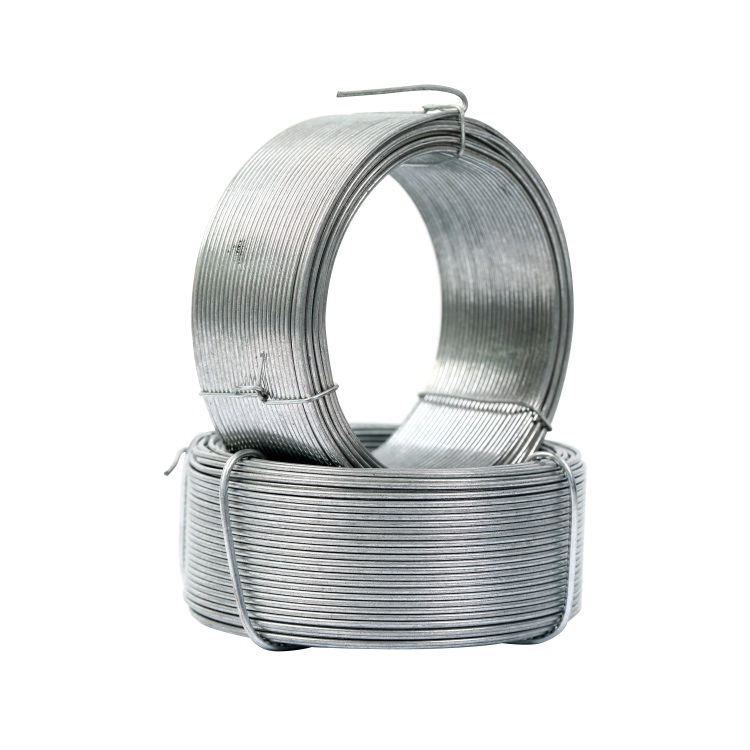
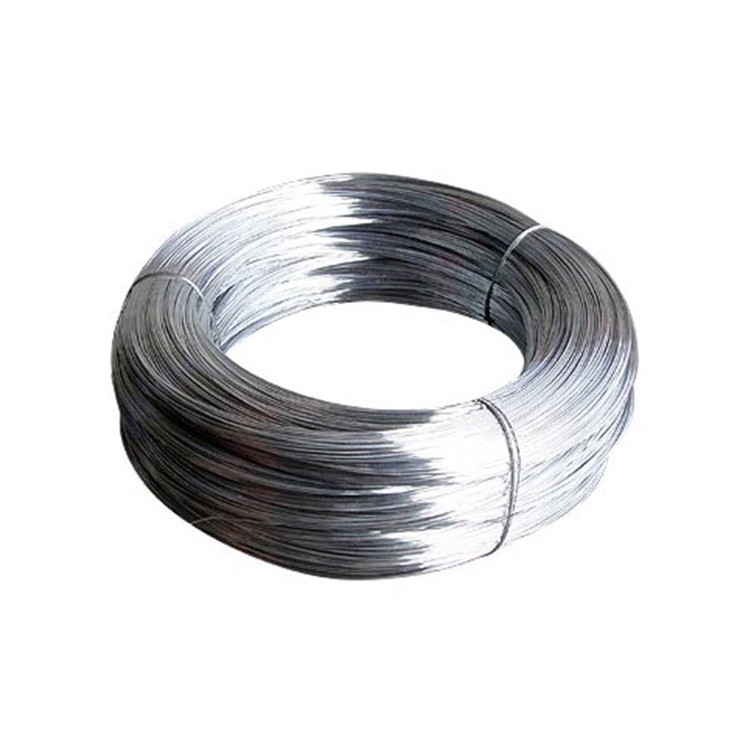
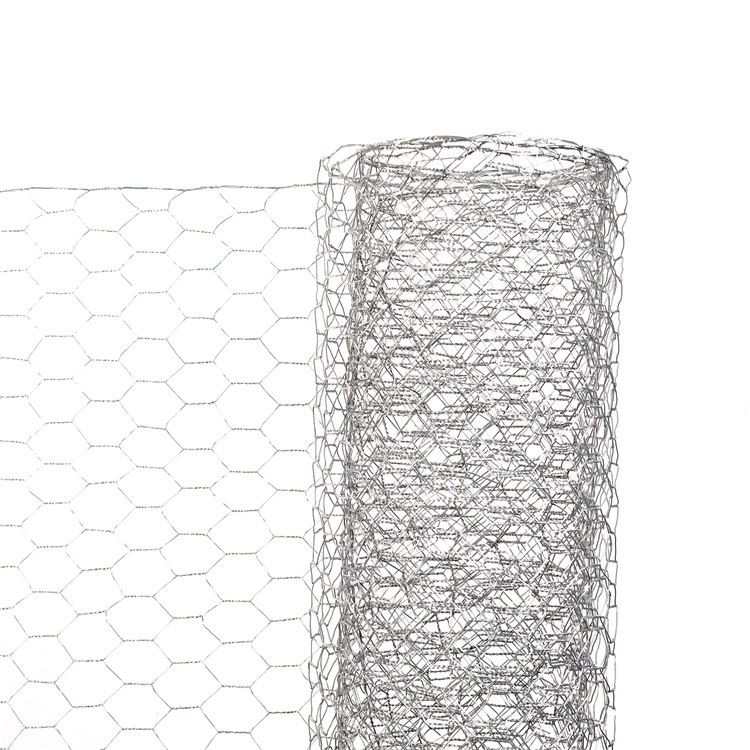
So, what exactly is galvanized hexagonal gabion wire mesh? At its core, it’s a wire mesh shaped into hexagons, typically made from steel wire that has been galvanized—meaning coated with zinc to prevent rust. The mesh forms the walls of gabion cages or boxes, which are then filled with stones or other aggregates. These cages are used in civil engineering, landscaping, and even military applications to create strong, flexible retaining walls and barriers.
The hexagonal pattern isn’t arbitrary; it provides a balance of flexibility and strength. This makes gabions especially suited to terrain that might shift or settle, unlike rigid concrete walls that can crack over time.
Key Factors of Galvanized Hexagonal Gabion Wire Mesh
Durability
The galvanization process protects the wire from oxidation, significantly extending its lifespan, especially in outdoor environments exposed to moisture or salt. Many engineers report service lives exceeding 50 years in typical conditions, which is quite remarkable.
Flexibility & Adaptability
The hexagonal shape allows the mesh to bend and conform to irregular surfaces without damage, making it ideal for uneven slopes or dynamic riverbanks prone to erosion.
Cost Efficiency
Compared to concrete or masonry walls, gabion mesh is relatively inexpensive both in material and installation costs. Moreover, it can often use locally sourced stones as fill, which further reduces expenses.
Environmental Friendliness
Gabions permit water flow through their stone fill, preventing back pressure buildup and encouraging natural drainage — a greener alternative to impervious walls. Plus, they blend well into natural surroundings, supporting vegetation growth over time.
Scalability
You can customize gabion cages to various sizes and shapes, scaling up for large infrastructure projects or down for garden features, lending a versatility that few materials have.
Maintenance Needs
Aside from occasional inspection for mesh integrity, gabion structures require very little upkeep — a bonus for remote or disaster-hit areas where maintenance resources are scarce.
Global Applications & Use Cases
Galvanized hexagonal gabion wire mesh really shines in contexts where stability, cost, and adaptability matter — which is to say, many places.
- Flood Control & Riverbank Protection: Countries like Bangladesh and Vietnam use gabion walls extensively to prevent erosion during monsoon flooding.
- Post-Disaster Relief: NGOs have deployed gabion structures in earthquake-prone regions, such as Nepal, to quickly rebuild retaining walls.
- Road & Railway Engineering: In Europe, gabion cages stabilize slopes alongside highways and rail tracks, enhancing safety and reducing landslide risks.
- Landscaping & Urban Infrastructure: Gabions are popular in city parks and public spaces for their aesthetic and eco-friendly qualities.
One neat example is a hillside restoration project in California, where gabion baskets enabled reforestation while curbing runoff—blending engineering and ecology nicely.
Advantages & Long-Term Value
When you consider costs over a gabion’s entire life cycle, they actually deliver remarkable value. They’re tough, low maintenance, and often require fewer heavy machines to install — meaning less disruption onsite and a smaller carbon footprint.
Beyond economics, gabions impart a sense of safety and permanence. Communities reliant on stable slopes and flood protection can sleep easier knowing these structures work with nature, not against it. And for engineers, they offer a canvas for innovation: combining gabions with vegetation to form living walls or using smart coatings to further extend life.
Future Trends & Innovations
Looking ahead, galvanized hexagonal gabion wire mesh is evolving. New galvanized alloys improve corrosion resistance, while digitized design tools allow precise customization faster than ever. For example, some companies now offer mesh embedded with sensors to monitor structural health in real time.
On a broader scale, sustainability pushes the use of recycled materials and green certifications. It’s also worth noting that policies, especially in flood-prone regions, increasingly favor gabion-based solutions due to their eco-friendliness and adaptability — a trend set to grow.
Challenges & Solutions
Of course, no material is flawless. Gabions can sometimes face mesh breakage under extreme force or require skilled assembly to ensure longevity. In salty marine environments, even galvanized coatings eventually degrade, though adding PVC coatings or using stainless steel variants can help.
Training local workers and integrating remote monitoring tools are two practical strategies experts recommend to overcome these hurdles. Plus, sourcing high-quality galvanized mesh from trusted suppliers like FiveStar Metals ensures you start on the right foot.
FAQ: Frequently Asked Questions About Galvanized Hexagonal Gabion Wire Mesh
- How long does galvanized hexagonal gabion wire mesh last in outdoor conditions?
- Typical galvanized clinched mesh can last 30-50 years depending on exposure and maintenance. Enhanced coatings and thicker galvanization improve durability significantly.
- Can gabion wire mesh be customized for different project sizes?
- Yes, manufacturers commonly offer a range of standard sizes and can often produce custom dimensions and wire thicknesses to suit the project needs.
- Is galvanized gabion wire mesh eco-friendly?
- It’s considered environmentally friendly largely because it allows natural water flow and can be filled with local stones, reducing environmental disturbance and supporting vegetation over time.
- What safety standards do galvanized gabion wire meshes meet?
- Quality products adhere to standards like ISO 9001 and CE certification, ensuring material consistency and safety for engineering use.
- How to ensure post-installation maintenance is adequate?
- Regular inspections for mesh wear, stone displacement, and drainage issues are advised, though overall maintenance needs are generally modest.
Conclusion & Call to Action
In real-world terms, galvanized hexagonal gabion wire mesh is a durable, cost-effective, and versatile solution for critical infrastructure and environmental challenges. Whether you’re working on riverbank stabilization, landscaping, or disaster relief projects, its combination of strength and flexibility stands out. If you’re considering incorporating this robust material into your next project, I highly recommend exploring reliable products from FiveStar Metals — they’ve got quality and variety down to a science.
It feels a bit like discovery—understanding a humble wire mesh’s role in shaping safer, smarter landscapes worldwide.
References


-
Canton Fair 2026-4 in Guangzhou,China
NewsApr.24,2027
-
High Quality Common Nails 1212 for Construction Projects
NewsApr.16,2026
-
The 139th Canton Fair
NewsApr.14,2026
-
Guide to Using Galvanised Common Round Nails for Durable Construction
NewsApr.09,2026
-
Comprehensive Guide to Flat Head Common Nails for Construction Projects
NewsApr.07,2026
-
Understanding the Versatility of the Common Nail 5 5 for Various Applications
NewsApr.04,2026