What Is a Gabion Wall? Benefits, Applications & Global Insights
Understanding Gabion Walls: A Practical Guide for Modern Construction
Gabion walls might not make headlines in architecture magazines, but they quietly solve some of the toughest challenges in civil engineering and landscape design globally. Essentially, they are wire mesh cages filled with rocks or recycled materials, creating a structure that’s surprisingly robust and sustainable. The importance of gabion walls extends far beyond basic functionality—they play a key role in erosion control, flood relief, and even ecological restoration, touching everything from remote rural communities to critical urban infrastructure.
Introduction: The Worldwide Significance of Gabion Walls
According to the United Nations, climate change and population growth have increased the frequency and severity of floods and landslides around the world. These natural hazards demand more effective, affordable, and eco-friendly solutions for civil engineering projects. Gabion walls answer that call perfectly. They help stabilize vulnerable slopes, protect riverbanks, and reduce soil erosion. In fact, the World Bank highlights gabion structures as one of several sustainable infrastructures supporting climate adaptation strategies in developing countries.
Here’s the kicker: many developing regions face cost and supply limitations when it comes to traditional concrete or steel retaining walls. Gabion walls offer an economically sensible alternative using locally available materials and simple assembly techniques — a true win-win from a humanitarian and industrial perspective.
What Exactly Is a Gabion Wall?
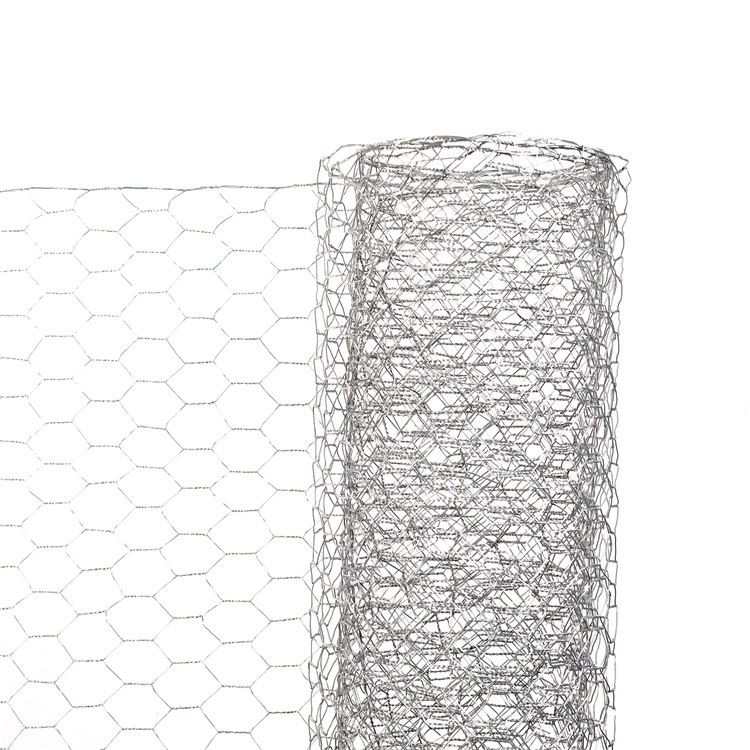
Simply put, a gabion wall is a cage—usually galvanized steel—filled with stones or other tough materials. These cages stack to form retaining walls or protective barriers. Because the cage is flexible and porous, gabion walls absorb pressure from ground movement and water flow better than rigid concrete walls might. Oddly enough, this “breathing” property makes them ideal in unstable or wet environments.
Industrially, they also mesh well with contemporary ideas of modular design and sustainable use of natural resources. Humanitarian groups often use gabions for quick flood defenses or emergency road repairs because they’re straightforward to deploy and maintain.
Key Factors Driving Gabion Wall Usage
Durability
A gabion cage’s galvanized or PVC-coated steel resists corrosion, often lasting 50 years or more under harsh conditions. The rock infill withstands weathering, making the whole assembly quite resilient.
Scalability
From small garden walls to multi-story retaining structures, gabions scale flexibly. You can build them on uneven terrain without heavy machinery.
Cost Efficiency
Money saved on cement and labor is huge, especially when using stones sourced locally. Additionally, simple installation reduces project time.
Environmental Impact
By minimizing concrete use, gabions lower carbon footprints. Plus, they promote vegetation growth over time, integrating with local ecosystems.
Maintenance
Gabion walls require limited upkeep. When minor repairs are needed, individual cages or rocks can be replaced without full reconstruction.
Gabion Wall Product Specifications
| Specification | Typical Value | Notes |
|---|---|---|
| Mesh Material | Galvanized Steel, PVC Coated | Corrosion resistant options available |
| Wire Diameter | 3.5 to 5 mm | Varies by load requirements |
| Cage Dimensions | 1m x 1m x 1m (standard) | Custom sizes available |
| Stone Fill Size | 60-120 mm | Rounded or angular rocks preferred |
| Load Bearing Capacity | Up to 200 tons per stack | Depends on design and fill |
Mini takeaway: Gabion walls excel because their core design is simple yet adaptable, suited to various terrain and load demands.
Global Application & Vendor Comparison
Gabion walls show up all over the world—from the rocky shores of Italy to flood-prone zones in Bangladesh. Major industries that rely on gabions include infrastructure development, environmental conservation, and disaster mitigation agencies.
For humanitarian operations, for example, NGOs working in flood-prone Africa appreciate gabions for their speedy assembly and minimal need for special tools. Remote infrastructure projects in Canada use gabion walls to stabilize steep slopes along highways.
| Vendor | Material Quality | Customization | Delivery Speed | Price Range |
|---|---|---|---|---|
| Five Star Metals | High-grade galvanized steel | Highly customizable | Within 2 weeks | $$$ |
| EcoGabion Co. | PVC coated wire mesh | Limited sizes | 4-6 weeks | $$ |
| RockSafe Industries | Standard galvanized mesh | Custom sizes available | 3 weeks | $ |
Oddly enough, design and local sourcing of fill material tend to influence project costs as much as vendor pricing does.
Advantages & Long-Term Value
- Cost Savings: Reduces need for concrete and heavy machinery.
- Sustainability: Lowers carbon footprint and encourages local ecosystem recovery.
- Safety and Reliability: Flexibility of structure prevents sudden failures.
- Social Benefits: Enables local labor participation and fosters community ownership.
- Longevity: Lasts decades with minimal maintenance.
So, it isn’t just about money. Using gabion walls builds trust with communities and engineers alike—and frankly, that matters if you want infrastructure that lasts.
Future Trends & Innovations
Looking ahead, we see digital modeling helping engineers design better gabion layouts tailored exactly to site specifics. Hybrid materials combining recycled plastics with steel mesh are reducing weight and further improving eco-credentials. New coatings extend cage life even in harsh saline environments.
Around the corner is also the potential integration of solar panels atop gabions, combining structural function with green energy generation. Sustainability continues to be a driving force.
Challenges & Solutions
No solution is perfect. Gabion walls do require good foundation preparation and careful selection of filling to avoid shifting or biologic clogging. In seismic zones, engineers must incorporate added flexibility or reinforcement.
Still, innovative geotextiles and improved installation training are helping alleviate these challenges rapidly. Plus, vendors like Five Star Metals provide expert consultancy alongside products to ensure smoother projects.
FAQ: Frequently Asked Questions About Gabion Walls
- How long do gabion walls typically last?
- With quality galvanized mesh and proper installation, gabion walls can last 50 years or more, thanks to corrosion resistance and the natural durability of the stone infill.
- Can gabion walls be used in coastal areas prone to saltwater exposure?
- Yes, but cages should be made with PVC-coated or specially galvanized mesh designed for marine environments to prevent rusting.
- Are gabion walls environmentally friendly?
- Absolutely. They use natural or recycled stones, reduce concrete usage, and allow vegetation growth within the structure, promoting ecological health.
- Are gabion structures easy to repair?
- Yes, unlike concrete walls, individual cages or stones can be replaced without dismantling the whole wall.
- Can non-experts install gabions?
- Basic assembly is straightforward and usually requires no heavy machinery, though engineering input is recommended for load-bearing structures.
Conclusion: Why Gabion Walls Matter Long-Term
Gabion walls blend traditional materials with clever engineering to offer a resilient, eco-conscious, and cost-effective solution for many structural challenges worldwide. Their adaptability and sustainability will only grow in importance as infrastructure battles climate pressures. If you want to explore how to integrate gabion walls into your projects or humanitarian efforts, I suggest visiting Five Star Metals—their expertise is well recognized.
To sum up: gabion walls aren’t flashy, but they sure are fundamental to building safer, smarter, and greener environments for the future. In practice, they feel like engineering’s quietly reliable friend you want on your next build.
References
Sometimes, it really comes down to the simplest engineering solutions that quietly hold everything together.


-
Canton Fair 2026-4 in Guangzhou,China
NewsApr.24,2027
-
High Quality Common Nails 1212 for Construction Projects
NewsApr.16,2026
-
The 139th Canton Fair
NewsApr.14,2026
-
Guide to Using Galvanised Common Round Nails for Durable Construction
NewsApr.09,2026
-
Comprehensive Guide to Flat Head Common Nails for Construction Projects
NewsApr.07,2026
-
Understanding the Versatility of the Common Nail 5 5 for Various Applications
NewsApr.04,2026