Understanding Galvanized Chicken Wire Mesh – Durable, Cost-Effective Fencing Solutions
Understanding Galvanized Chicken Wire Mesh: A Global Perspective
If you’ve ever wandered down a farm aisle, or glanced around a chicken coop, you’ve probably come face-to-face with galvanized chicken wire mesh. But beyond its humble role in homesteads, this seemingly simple material plays a surprisingly big part in industries and humanitarian efforts worldwide. From protecting crops in remote regions to securing construction sites in bustling cities, galvanized chicken wire mesh has quietly become a global staple.
Why does this matter? Well, with increasing concerns around sustainability, cost-efficiency, and durability in materials used for fencing or protective barriers, understanding what galvanized chicken wire mesh brings to the table is not just technical curiosity — it’s part of a broader conversation about resilient infrastructure and resourceful solutions for communities everywhere.
Mini takeaway: Galvanized chicken wire mesh isn't just for farms; it's an essential piece in tackling global infrastructure challenges affordably and sustainably.
The Global Context: Why Galvanized Chicken Wire Mesh Matters Today
The global construction and agriculture sectors alone consume millions of tons of fencing material annually, according to reports by the International Organization for Standardization (ISO). Add to that the role of wire mesh in humanitarian responses — think disaster zones requiring quick yet durable enclosure solutions — and you quickly see why galvanized chicken wire mesh is more than just a niche product.
For example, the UN Food and Agriculture Organization highlights sustainable farming practices heavily reliant on fencing solutions that prevent crop destruction by animals. However, conventional fencing can be expensive or prone to rust in many climates, resulting in high maintenance or short lifespan.
This is precisely the challenge galvanized chicken wire mesh addresses: affordable, rust-resistant, and versatile fencing in areas as diverse as Southeast Asia’s rice paddies to Europe’s urban gardens.
Mini takeaway: Galvanized chicken wire mesh bridges the gap between affordability and durability, playing a vital role in sustainable agriculture and urban development worldwide.
What Is Galvanized Chicken Wire Mesh?
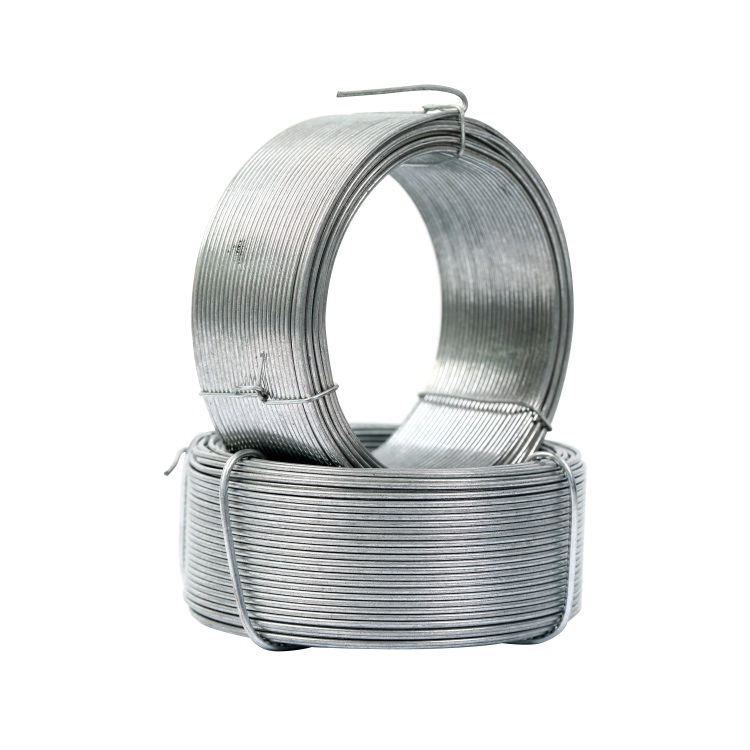
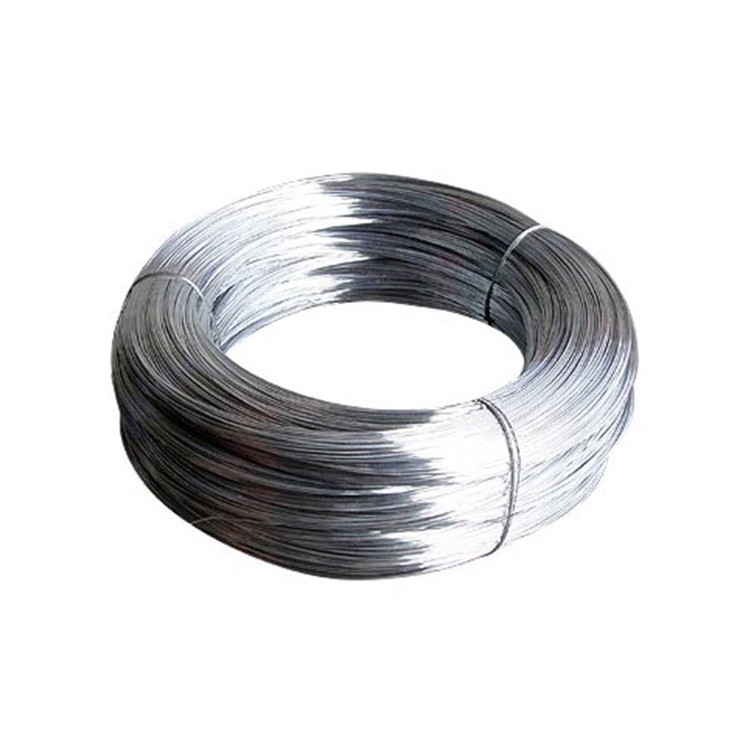
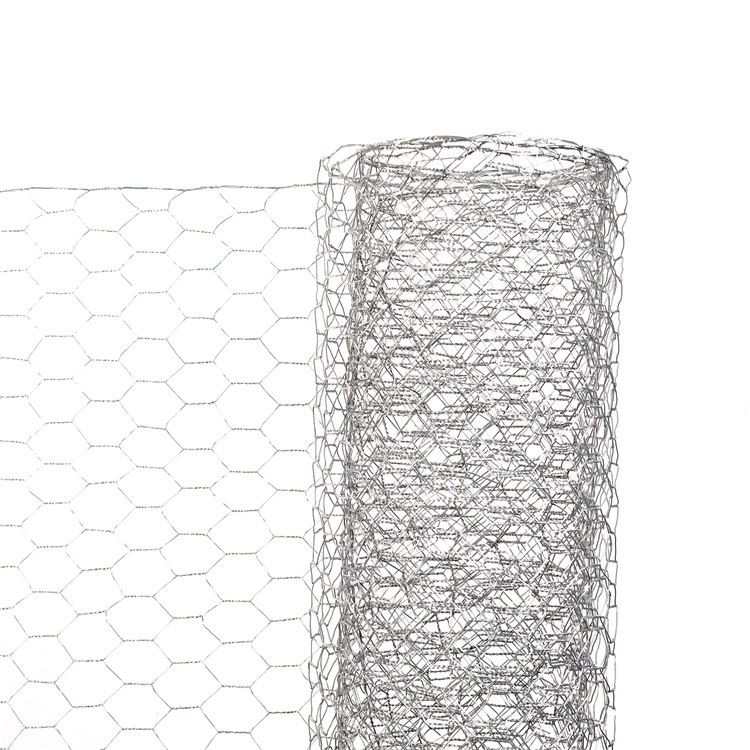
Put simply, galvanized chicken wire mesh is a type of fencing made from thin, flexible steel wires woven into hexagonal patterns and coated with zinc to prevent rust and corrosion. This galvanization process gives the wire mesh its resilience against moisture, weather, and general wear and tear.
Originally popularized in poultry farming to enclose chicks and hens safely, this mesh now serves broader industrial and social functions, like secure waste enclosures, garden fencing, and even reinforcement in concrete construction.
In humanitarian contexts, quick erection and transportability of galvanized chicken wire mesh structures mean disaster victims can receive safe boundaries in camps and shelters much faster than with traditional construction materials.
Mini takeaway: Galvanized chicken wire mesh is steel wire treated for rust resistance, woven for flexibility, and used well beyond farms.
Core Components and Features of Galvanized Chicken Wire Mesh
1. Durability & Rust Resistance
The zinc galvanizing coating is the unsung hero here. It’s what keeps chicken wire mesh useful outdoors even in rainy or humid environments. Many engineers say the lifespan of galvanized mesh can reach 10–20 years depending on quality and environmental conditions.
2. Flexibility & Scalability
The hexagonal weave pattern creates a balance between strength and flexibility, making the mesh easy to bend, cut, and install in irregular terrains — a crucial factor for varied applications. This flexibility allows for everything from small enclosures to large perimeter fencing.
3. Cost Efficiency
Compared to heavy-duty metal fences, galvanized chicken wire mesh offers an affordable alternative without sacrificing essential protection and durability — a big plus for budget-conscious projects.
4. Lightweight and Transport-Friendly
Its relatively low weight makes handling and shipping more efficient. This is key for NGOs or relief agencies working in disaster-prone zones where logistics are complicated.
5. Environmental Sustainability
Steel is recyclable, and many manufacturers incorporate recycled steel in producing galvanized chicken wire mesh, aligning with global efforts to reduce environmental impact.
Mini takeaway: Longevity, flexibility, cost, and eco-friendliness make galvanized chicken wire mesh a practical choice for various users.
Where Is Galvanized Chicken Wire Mesh Being Used Globally?
Its applications are surprisingly diverse:
- Agriculture: Globally (e.g., India, Brazil), farmers rely on it for protecting crops and livestock.
- Urban Development: Garden and park enclosures in European cities often use galvanized chicken wire mesh for a natural aesthetic.
- Construction: Reinforcement in concrete or plastering works, notably in Southeast Asia, benefits from its tensile strength.
- Humanitarian Relief: In post-landslide Nepal or refugee camps in sub-Saharan Africa, quick fences and protective barriers made from this mesh ensure safety and order.
- Industrial Uses: Factories use it for machine guards or temporary fences during renovations.
For instance, NGOs working in emergency shelters in the Philippines have adopted lightweight galvanized chicken wire mesh to rapidly create secure areas after typhoons.
Mini takeaway: From rural farms to urban parks and disaster zones, galvanized chicken wire mesh fits into many global use cases — that’s versatility in action.
Advantages and Why It Makes Long-Term Sense
The tangible benefits are consistent:
- Low Maintenance: Less rust, fewer repairs.
- Economic: Affordable initial investment plus extended lifespan means lower total cost of ownership.
- Social Impact: Improved safety and dignity in protective enclosures at shelters.
- Environmental: Recyclable, aligns with sustainability goals.
- Trustworthiness: There’s a comfort in material that ‘just works’ season after season, especially in vulnerable environments.
Frankly, it’s this blend of practicality and sustainability that keeps galvanized chicken wire mesh relevant, even as cutting-edge technologies vie for attention.
Looking Ahead: Innovations Shaping the Future of Chicken Wire Mesh
While the basic product remains steady, new trends are bubbling up:
- Eco-friendly Coatings: Alternatives to zinc galvanization, like polymer coatings, aimed at longer life and reduced environmental impact.
- Smart Integration: Embedding RFID tags or sensors into mesh for inventory and security management in warehouses or farms.
- Automation in Manufacturing: Robotics enabling tighter tolerances and customized mesh sizes.
- Recycled Materials: Increasing use of scrap steel for green production methods.
So while chicken wire mesh might seem ‘old school,’ it’s quietly evolving under the radar.
Addressing Common Challenges
No product is perfect. Galvanized chicken wire mesh can face issues like:
- Mechanical Damage: Thin wires may occasionally deform under heavy pressure.
- Environmental Limits: In highly acidic or salty environments, zinc may corrode faster.
- Installation Complexity: Requires proper tools and know-how to stretch and fix correctly.
Experts suggest combining mesh with supplementary protective coatings or using higher-grade galvanized wire in such conditions. Training installers can drastically reduce mistakes and damage during setup. It’s a small investment that returns big dividends.
Technical Specifications of Standard Galvanized Chicken Wire Mesh
| Specification | Typical Values | Notes |
|---|---|---|
| Wire Diameter | 0.8 - 1.6 mm | Depends on load requirements |
| Mesh Size | 12.5 mm (½ inch) to 25 mm (1 inch) hexagons | Smaller for finer protection |
| Galvanizing Thickness | 40-100 g/m² zinc coating | Higher values for corrosion resistance |
| Roll Sizes | 1m x 10m, 1.2m x 25m commonly | Custom sizes available |
| Weight | 2-6 kg per m² | Varies with wire thickness |
Vendor Comparison: Leading Manufacturers of Galvanized Chicken Wire Mesh
| Company | Global Reach | Product Range | Sustainability Initiatives | Typical Lead Time |
|---|---|---|---|---|
| FiveStar Metals | Asia, Europe, Americas | Standard and custom mesh sizes | Uses 30% recycled steel in production | 2-4 weeks |
| WireMesh Pro | Europe, North America | Heavy-duty galvanized and PVC coated | Certifications for low VOC coatings | 3-6 weeks |
| EcoWire Solutions | Global, strong presence in Africa | Specializes in recycled and eco coatings | 100% recycled materials used | 4-8 weeks |
Frequently Asked Questions About Galvanized Chicken Wire Mesh
1. How long does galvanized chicken wire mesh typically last outdoors?
With proper installation and average environmental exposure, galvanized chicken wire mesh can last anywhere from 10 to 20 years. The zinc coating protects against rust and corrosion, but in highly acidic or salty conditions, the lifespan might be shorter. Regular inspection is recommended.
2. Can galvanized chicken wire mesh be customized for industrial uses?
Absolutely. Many vendors offer custom wire diameters, mesh sizes, and roll lengths to meet specific industrial needs such as concrete reinforcement or security fencing. You can request heavy-gauge wires or finer mesh spacing depending on the project.
3. Is galvanized chicken wire mesh environmentally friendly?
Steel is recyclable and many manufacturers use recycled steel in their products. Additionally, the longevity of galvanized wire means less frequent replacement, reducing waste. Look for vendors who highlight sustainability initiatives if this is a concern.
4. How suitable is galvanized chicken wire mesh for humanitarian shelter applications?
Very suitable. Its lightweight nature and ease of installation mean it can be deployed quickly to create boundaries and protection in emergency camps. It has the added benefit of being resistant to weather, minimizing tear-down and repairs during crises.
5. Where can I buy high-quality galvanized chicken wire mesh?
Trusted suppliers like FiveStar Metals provide a variety of galvanized chicken wire mesh products suitable for many applications, supported by strong quality control and global shipping networks.
In Conclusion: The Quiet Power of Galvanized Chicken Wire Mesh
Oddly enough, such a simple product can solve complex problems — from enabling sustainable farming to safeguarding disaster relief zones. It blends cost-efficiency, durability, and adaptability in a way that few materials manage, quietly supporting industries and communities without much fanfare.
If you’re looking for a reliable, versatile fencing solution that fits a broad range of needs and budgets, galvanized chicken wire mesh might just be what you’ve been overlooking. Whether you’re in construction, agriculture, or humanitarian aid, it’s worth a closer look.
Explore more and request a sample today from trusted vendors to see how galvanized chicken wire mesh can elevate your project.
References:
1. International Organization for Standardization (ISO)
2. Wikipedia: Chicken Wire
3. Food and Agriculture Organization of the United Nations (FAO)


-
Canton Fair 2026-4 in Guangzhou,China
NewsApr.24,2027
-
High Quality Common Nails 1212 for Construction Projects
NewsApr.16,2026
-
The 139th Canton Fair
NewsApr.14,2026
-
Guide to Using Galvanised Common Round Nails for Durable Construction
NewsApr.09,2026
-
Comprehensive Guide to Flat Head Common Nails for Construction Projects
NewsApr.07,2026
-
Understanding the Versatility of the Common Nail 5 5 for Various Applications
NewsApr.04,2026