Mesh Chicken Wire – Durable, Versatile Wire Mesh Solutions for Industry & Agriculture
Mesh Chicken Wire: A Simple Solution with Global Reach
It might sound quaint at first—mesh chicken wire—but this humble material quietly anchors a surprising range of global industries and humanitarian efforts. Why does a mesh pattern of steel or galvanized wire truly matter worldwide? Because at its core, mesh chicken wire marries affordability, durability, and versatility, which many sectors desperately need. From rural farms protecting poultry to disaster relief teams securing infrastructure, understanding the qualities and applications of mesh chicken wire unlocks a world of practical solutions to pressing challenges.
Why Mesh Chicken Wire is More Important Than You Think
Globally, agriculture is the backbone for over 1.3 billion people who directly depend on it for livelihood, according to the Food and Agriculture Organization (FAO). Protecting livestock, particularly chickens, is vital to food security, especially in low-income regions. Additionally, in construction and industrial sectors, the wire mesh plays a role in scaffolding, fencing, and even erosion control—pointing to an oversized impact relative to its simplicity.
But here’s the kicker: much of the demand arises in places where budget, maintenance, and quick deployment matter most. That’s where the mesh chicken wire’s cost-efficiency and adaptable design tackle logistical headaches and enable fast, on-the-ground solutions.
Defining Mesh Chicken Wire: What Are We Really Talking About?
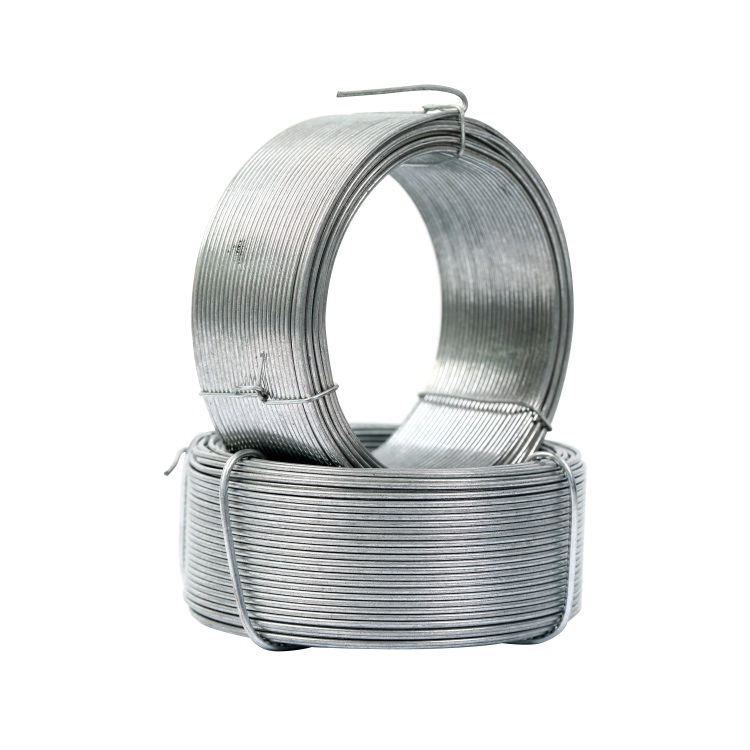
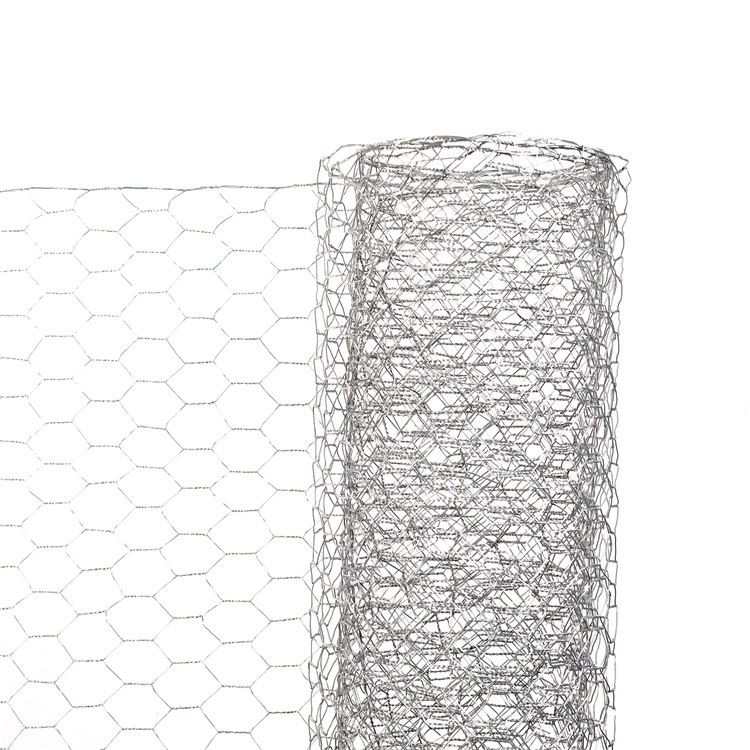
Think of mesh chicken wire as a network of thin steel wires woven into a hexagonal grid pattern. Usually galvanized, it resists rust and stays resilient under weather exposure. Originally designed for poultry enclosures, today its uses stretch far beyond coops.
In modern industry and humanitarian contexts, this seemingly simple material transforms into barrier fences, reinforcement grids in construction, and protective coverings in agriculture and even environmental projects. Its affordability and ease of handling explain why it remains a go-to choice.
Core Components That Make Mesh Chicken Wire Effective
Durability: Built to Last Through Weather and Wear
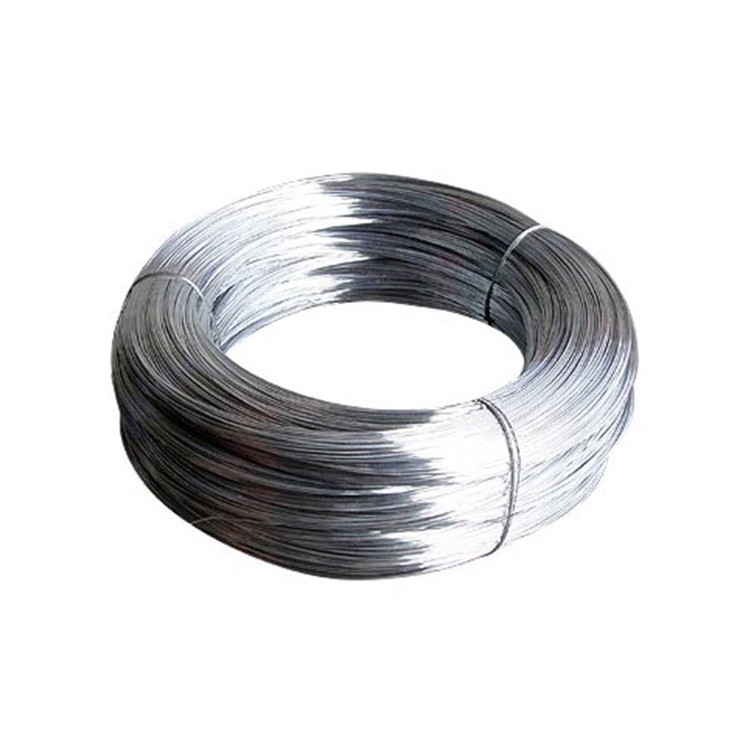
The backbone of any quality mesh wire is galvanization—a zinc coating that fights corrosion. This keeps the wire strong across seasons whether it’s scorching sun or relentless rain. If you live in coastal or industrial zones, galvanized mesh chicken wire just feels like insurance against early decay.
Scalability: From Backyard Coops to Industrial Fences
The production of mesh chicken wire allows it to be stretched across widths and lengths, making it scalable for tiny home projects or sprawling commercial farms. This flexibility translates into easy customization for various use cases, speeding deployment.
Cost Efficiency: Low Initial Outlay, Long-Term Savings
Compared to alternatives like welded wire fencing or plastic netting, mesh chicken wire brings a compelling price point. Its longevity combined with low maintenance means fewer replacements, which is crucial for NGOs or smallholder farmers operating with tight budgets.
Lightweight & Easy Installation
It may seem trivial, but lightweight materials reduce shipping costs and ease manual labor onsite—saved time is saved money. Many end-users report how easily they can cut, bend, and mount the mesh wire without specialized tools.
Versatility: A Multifunctional Material
Besides poultry protection, the mesh wire stabilizes new concrete walls or acts as protective cages for plant saplings. The cross-industrial utility cements its place in supply chains worldwide.
Real-World Applications: Where Mesh Chicken Wire Shines
Across continents, the utility of mesh chicken wire varies:
- Agriculture in Sub-Saharan Africa: Farmers extensively use mesh chicken wire to invest in improved poultry farming, which improves nutrition and generates income.
- Disaster Relief Operations in Asia: Emergency shelters often incorporate mesh wire reinforcements for quick assembly and durability during typhoon seasons.
- Industrial Zones in Europe: Steel-reinforced fencing and temporary construction barriers protect sites while allowing visibility and airflow.
- Environmental Projects in South America: Mesh chicken wire supports reforestation efforts by guarding saplings from animals.
In each use case, its balance of strength and flexibility makes it indispensable.
Product Specifications: Typical Mesh Chicken Wire At a Glance
| Specification | Typical Range |
|---|---|
| Wire Diameter | 0.9 - 2.0 mm |
| Mesh Size (Hex Width) | 12.7 mm (1/2 inch) to 25 mm (1 inch) |
| Material | Galvanized Steel (sometimes PVC-coated) |
| Roll Length | 10 - 25 meters |
| Roll Width | 0.5 - 1.0 meter |
| Coating Thickness | 45 - 85 g/m² Zinc coating |
Vendor Comparison: Choosing the Right Supplier
| Supplier | Price per Roll | Customization Options | Lead Time | Global Shipping |
|---|---|---|---|---|
| Five Star Metals | $45 - $60 | Wire gauge, mesh size, coating | 1 - 2 weeks | Yes |
| Global Wire Solutions | $50 - $65 | Standard sizes only | 3 - 4 weeks | Limited |
| EcoMesh Supplies | $48 - $58 | PVC-coated, eco-materials | 2 - 3 weeks | Yes |
Advantages & Long-Term Value of Mesh Chicken Wire
Cost-wise, it’s hard to beat the mesh chicken wire. The initial low purchase price teamed with its reduced maintenance requirements make it attractive to anyone aiming to stretch budgets without compromising quality. From a sustainability angle, the steel can be recycled, and galvanization extends the product life, slowing resource waste.
Socially, it helps empower small-scale farmers, protecting their poultry assets and improving food security. This adds dignity and safety to livelihoods worldwide. And honestly, from a user standpoint, it just works. No rocket science, no fiddly parts—just reliable protection you can count on.
Looking Ahead: What’s New with Mesh Chicken Wire?
Innovation often feels reserved for high-tech, but even mesh chicken wire isn’t standing still. Vendors experiment with PVC coatings to boost weather resistance and minimize environmental impact. There’s talk about integrating digital tracking for inventory in massive farms or construction projects, tying into the “smart farm” movement.
Also, a few manufacturers explore bio-based coatings, aiming for greener production cycles. Automation in weaving and cutting means more precise customization, shortening delivery times, which could be a game-changer for relief organizations needing urgent supplies.
Challenges & How Experts Address Them
Of course, not every wire mesh is perfect. The main issues typically relate to corrosion if the galvanization wears off, or the mesh being too flimsy for larger predators. Yet, solutions like thicker zinc coatings, double layering, or combining mesh wire with electric fencing help alleviate these concerns.
Also, installation errors can undermine effectiveness, so training end-users on best practices remains essential—a fact often underestimated but crucial for long-term success.
FAQs: Practical Questions About Mesh Chicken Wire
- Q: How long does galvanized mesh chicken wire typically last outdoors?
- A: With quality galvanization, mesh chicken wire can last anywhere from 10 to 20 years outside, depending on climate and exposure conditions. Regular inspection helps catch early corrosion signs.
- Q: Can mesh chicken wire be reused once removed?
- A: Yes, the wire mesh can often be salvaged and reused, especially if it hasn’t been bent or rusted badly. Its lightweight nature makes it simple to handle for multiple projects.
- Q: Is PVC-coated mesh chicken wire better than galvanized?
- A: PVC coating adds an extra layer of protection against corrosion and UV degradation, ideal for harsh environments, but it is usually pricier. For most applications, galvanized wire suffices unless extreme conditions prevail.
- Q: What’s the best way to cut and install the mesh?
- A: Heavy-duty wire cutters or bolt cutters work well. Wearing gloves is important due to sharp edges. Anchoring the mesh with staples or wire ties on wooden or metal frames provides secure installation.
- Q: Where can I source high-quality mesh chicken wire internationally?
- A: Reputable suppliers like Five Star Metals offer customization and global shipping, streamlining delivery for NGOs, farmers, and industrial clients worldwide.
Wrapping Up: Why Mesh Chicken Wire Deserves Your Attention
Taking a step back, the long-term perks of mesh chicken wire—be it in protecting livelihoods, supporting infrastructure, or advancing sustainable projects—are clear and significant. It proves that sometimes the most straightforward materials meet the most complex needs. Ready to explore your options? Visit Five Star Metals for quality mesh solutions designed to fit diverse applications and budgets.


-
Canton Fair 2026-4 in Guangzhou,China
NewsApr.24,2027
-
High Quality Common Nails 1212 for Construction Projects
NewsApr.16,2026
-
The 139th Canton Fair
NewsApr.14,2026
-
Guide to Using Galvanised Common Round Nails for Durable Construction
NewsApr.09,2026
-
Comprehensive Guide to Flat Head Common Nails for Construction Projects
NewsApr.07,2026
-
Understanding the Versatility of the Common Nail 5 5 for Various Applications
NewsApr.04,2026