The Same Product And Company, The Different Quality and Service!
Securing a perimeter does not always require an exorbitant investment in high-end architectural fencing. For many industrial, residential, and agricultural projects, the primary objective is a reliable, corrosion-resistant barrier that balances structural integrity with budget constraints.
The challenge for most buyers is distinguishing between a truly economical solution and one that sacrifices longevity for a low price tag. Understanding the relationship between galvanization methods and wire gauge is critical to ensuring that a low-cost installation doesn't become a costly replacement project within a few years.
By analyzing the technical specifications and material standards, users can identify how to source a cheap galvanized chain link fence that maintains its protective properties without overspending on unnecessary features.


The term "cheap" in the context of industrial fencing often refers to the optimization of raw materials and production efficiency rather than a reduction in quality. By leveraging standardized wire diameters and automated weaving processes, manufacturers can reduce the per-meter cost of chain link systems.
Economies of scale in production hubs—such as the Dingzhou wire mesh base—allow for the mass production of standardized rolls. This reduction in overhead costs is passed to the consumer, making galvanized steel a more viable option than expensive PVC-coated or ornamental alternatives for large-scale enclosures.
The longevity of a galvanized fence depends primarily on the zinc layer applied to the steel wire. Zinc acts as a sacrificial anode, corroding first to protect the underlying steel from oxidation. In budget-friendly options, the choice between electro-galvanization and hot-dip galvanization is the most significant technical variable.
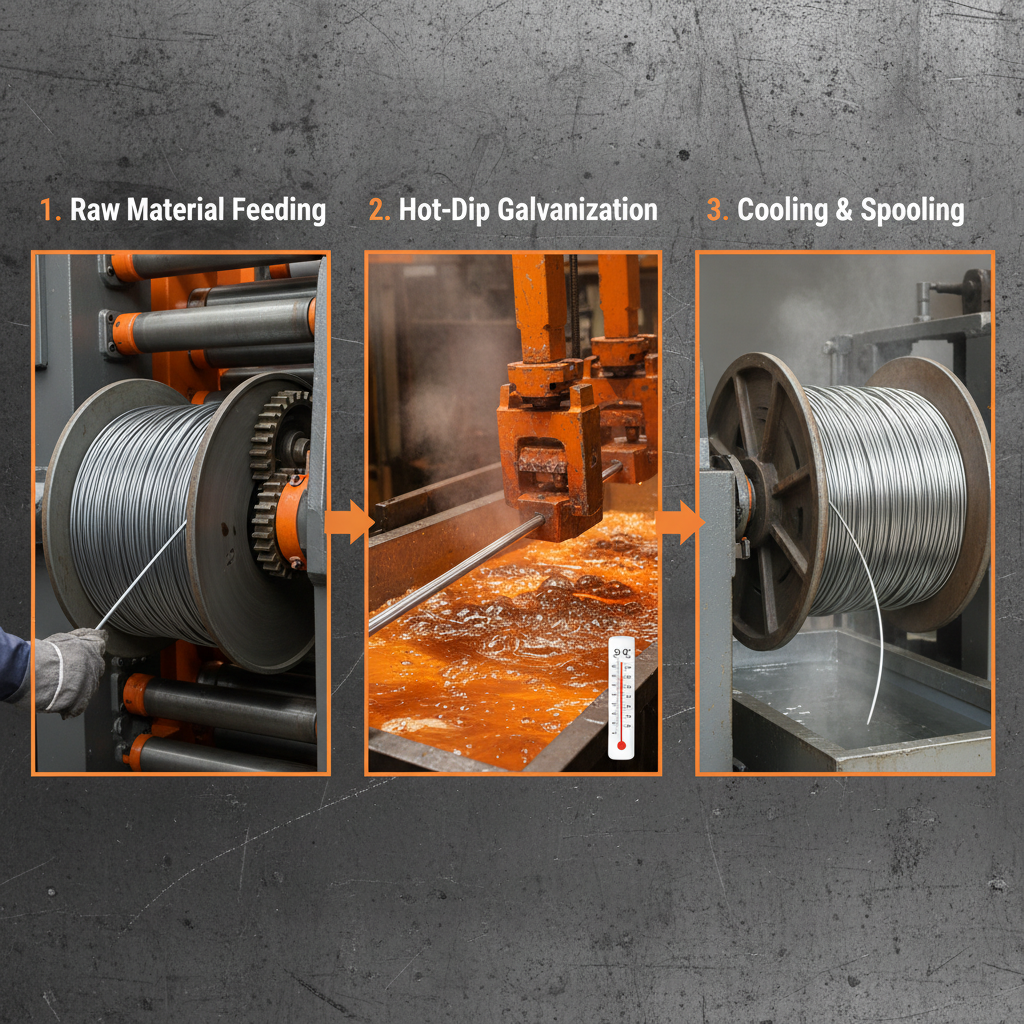
Electro-galvanized wire offers a brighter finish and lower initial cost, making it suitable for indoor applications or low-humidity environments. However, for outdoor perimeter security, hot-dipped galvanized steel wire is the industry standard due to its significantly thicker zinc coating, which provides superior resistance to rust and weathering over many years.
Beyond the coating, the gauge of the wire determines the physical strength of the fence. While thinner wires reduce the price, they are more susceptible to bending and cutting. Balancing the wire diameter with the mesh size allows users to achieve a secure barrier that remains within a strict budget.
When procuring bulk fencing, the "cost per roll" can be misleading if the zinc coating weight is not specified. A fence that is 10% cheaper but has a 30% thinner zinc layer will fail much sooner, increasing the total cost of ownership through premature maintenance.
The true value of a galvanized system is measured by the ratio of initial procurement cost to the expected lifespan in a specific environmental salinity and humidity level.
To avoid this trap, buyers should verify if the wire was galvanized before weaving or after. Galvanizing before weaving ensures that the cut edges of the wire are also coated, whereas galvanizing the finished mesh can leave "cold joints" or gaps in the protection, leading to localized rust spots.
Evaluating the efficiency of different fencing materials requires a qualitative assessment of their strengths against their costs. While chain link is often seen as a budget choice, its versatility and low maintenance requirements give it a high performance index compared to wooden or low-grade welded wire options.
The following analysis compares various galvanized and non-galvanized configurations based on a value index where 10 represents the highest balance of longevity and affordability.
In a typical industrial setting, such as a warehouse perimeter or a construction site, a cheap galvanized chain link fence is often the most logical choice. These environments require a barrier that can be installed quickly over large areas and can withstand rough handling without needing a specialized maintenance team.
For agricultural use, the requirements shift slightly toward preventing animal intrusion. In these cases, smaller mesh sizes (such as 25mm or 30mm) are preferred. The flexibility of the galvanized weave allows it to follow the contours of uneven terrain, reducing the amount of expensive concrete work needed for the posts.
The industry is seeing a transition toward "precision galvanization," where the thickness of the zinc layer is more tightly controlled to eliminate waste. This shift allows manufacturers to maintain high corrosion resistance while keeping the product affordable.
Furthermore, the integration of 5S screening standards in raw material sourcing has reduced the presence of impurities in the steel wire. Cleaner steel bonds more effectively with zinc, meaning that even "budget" fences produced today are often more durable than premium fences from a decade ago.
As supply chains stabilize, there is an increasing trend toward providing customizable roll lengths and widths. This reduces on-site scrap and waste, effectively lowering the total project cost for the end-user without compromising the quality of the material.
Selecting the right fencing involves a trade-off between initial cost and expected utility. A buyer must first define the "threat level" of the perimeter—whether it is merely for boundary marking or for active security.
For low-security boundaries, electro-galvanized mesh is sufficient. However, for areas exposed to coastal salt air or industrial chemicals, hot-dip galvanization is a non-negotiable requirement to prevent rapid degradation.
The following table provides a decision matrix for selecting the appropriate galvanized configuration based on the specific application environment and required lifespan.
| Application Scenario | Recommended Coating | Wire Gauge Priority | Estimated Lifespan |
|---|---|---|---|
| Residential Garden | Electro-Galvanized | Medium (0.7-0.9mm) | 3-7 Years |
| Industrial Storage | Hot-Dip Galvanized | Heavy (1.0-1.4mm) | 15-25 Years |
| Poultry/Animal Cage | Hot-Dip Galvanized | Light (0.6-0.8mm) | 5-10 Years |
| Coastal Perimeter | Hot-Dip + PVC | Heavy (1.2mm+) | 20+ Years |
| Temporary Site | Electro-Galvanized | Light (0.6mm) | 1-3 Years |
| Highway Greenbelt | Hot-Dip Galvanized | Medium (0.9-1.1mm) | 10-15 Years |
Electro-galvanizing uses an electrical current to apply a thin, uniform layer of zinc, resulting in a smooth, bright finish and lower cost, but it is less durable outdoors. Hot-dip galvanizing involves submerging the steel in molten zinc, creating a much thicker, more rugged coating that offers superior long-term corrosion resistance, especially in harsh weather or industrial environments.
The correct gauge depends on the intended purpose. For simple boundaries or animal enclosures, a lighter gauge (0.6mm to 0.8mm) is sufficient and most cost-effective. For security perimeters where the fence must resist climbing or physical impact, a heavier gauge (1.0mm to 1.4mm) is recommended to ensure structural stability and prevent the mesh from stretching or breaking.
Yes, provided the "cheap" aspect refers to production efficiency rather than material degradation. By choosing a hot-dipped galvanized steel wire with a tight mesh size and pairing it with sturdy T-posts or Y-posts, you can create a high-security barrier that is economical to procure and install without sacrificing the necessary physical strength.
Key red flags include "white rust" appearing shortly after installation, inconsistent mesh sizes, or visible gaps in the zinc coating (especially at the weave intersections). If the wire feels brittle or the galvanization flakes off when scratched, it likely indicates a poor dipping process or insufficient zinc weight, which will lead to rapid failure.
PVC coating adds an extra layer of protection and aesthetic appeal, which is valuable in highly corrosive environments (like salt air) or where visual blending with the landscape is required. However, for most industrial or agricultural applications, standard hot-dipped galvanized wire provides the best value-to-cost ratio and is significantly cheaper to replace or repair.
Sourcing from a specialized production base reduces costs by eliminating multiple middlemen and leveraging local infrastructure. These hubs often have direct access to raw steel mills and utilize high-capacity automated weaving machines, allowing them to produce large volumes of galvanized chain link fence with lower per-unit labor and transportation costs.
Achieving a balance between affordability and durability in perimeter fencing is a matter of technical selection rather than simply finding the lowest price. By prioritizing hot-dip galvanization for outdoor use and matching the wire gauge to the specific security needs of the site, buyers can secure a long-term solution that minimizes future maintenance costs.
Ultimately, the most cost-effective fence is the one that lasts the longest without requiring replacement. Focusing on verifiable material standards and sourcing from efficient production environments ensures that your investment in a galvanized chain link system provides maximum utility per dollar spent.