Durable Wire Cages Rock Retaining Wall Mesh Gabion for Industrial Use
Wire Cages Rock Retaining Wall Mesh Gabion: A Trusted Solution in Industrial Construction
Having been around industrial equipment and construction sites for decades, I’ve seen many trends come and go. Yet, wire cages, particularly those used as rock retaining wall mesh gabions, seem stubbornly resilient in their usefulness. They’re a pretty elegant, if somewhat underappreciated, solution in stabilizing slopes, riverbanks, and just about any place where earth wants to move but you prefer it didn’t.
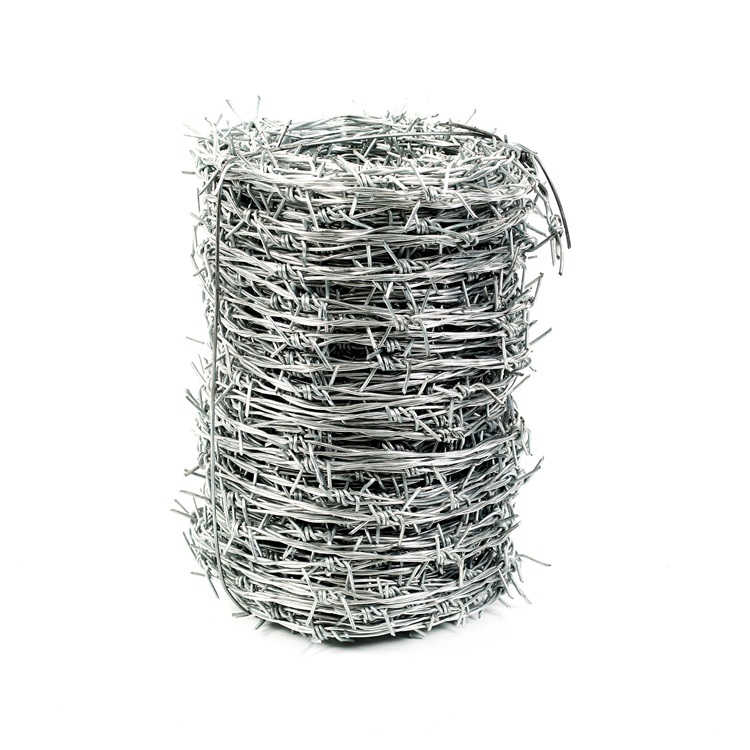
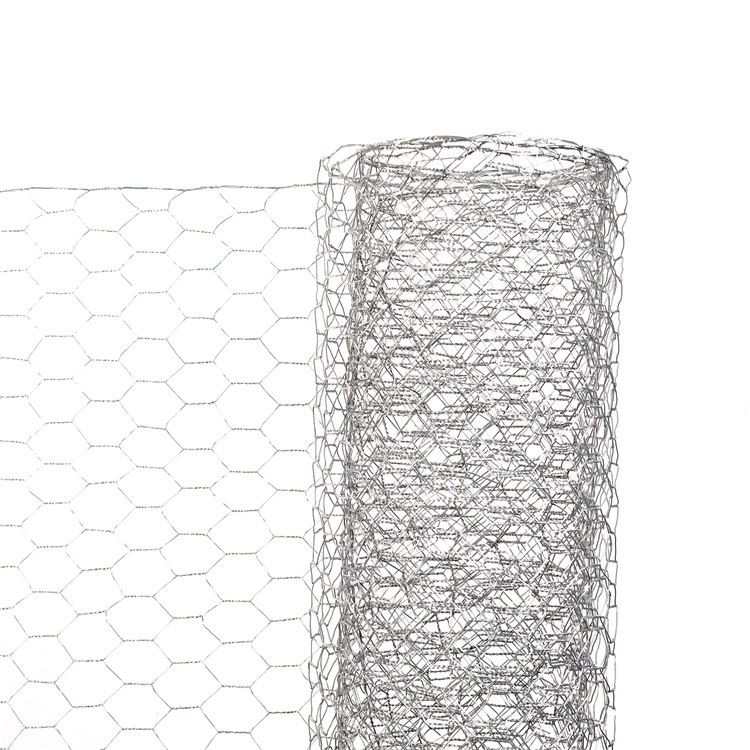
What’s striking about gabions is their straightforward design – essentially wire cages filled with stones – but this simplicity belies the engineering that goes into making them durable. It’s not just about strength; it’s about corrosion resistance, flexibility, and adaptability. Oddly enough, the quality of the wire mesh can make or break the whole structure’s life cycle.
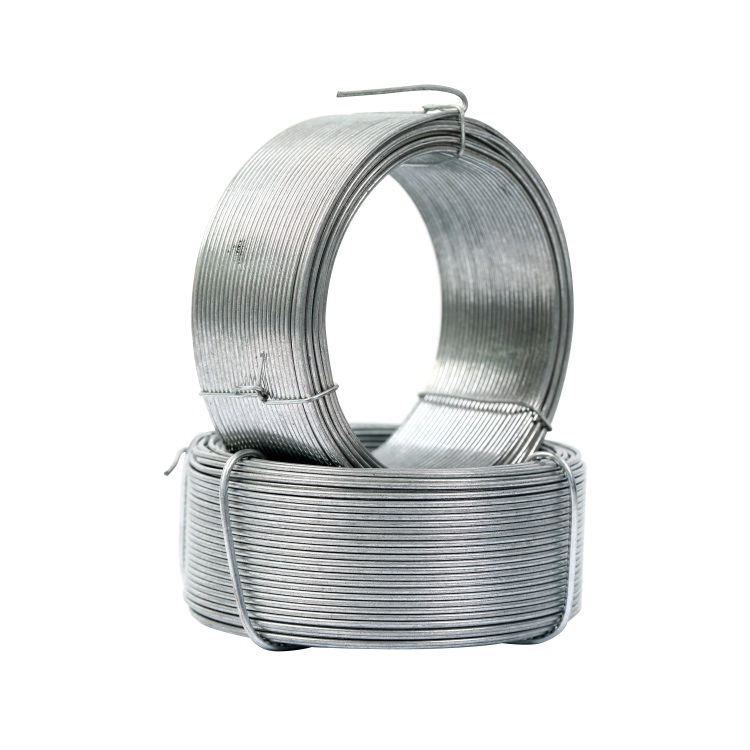
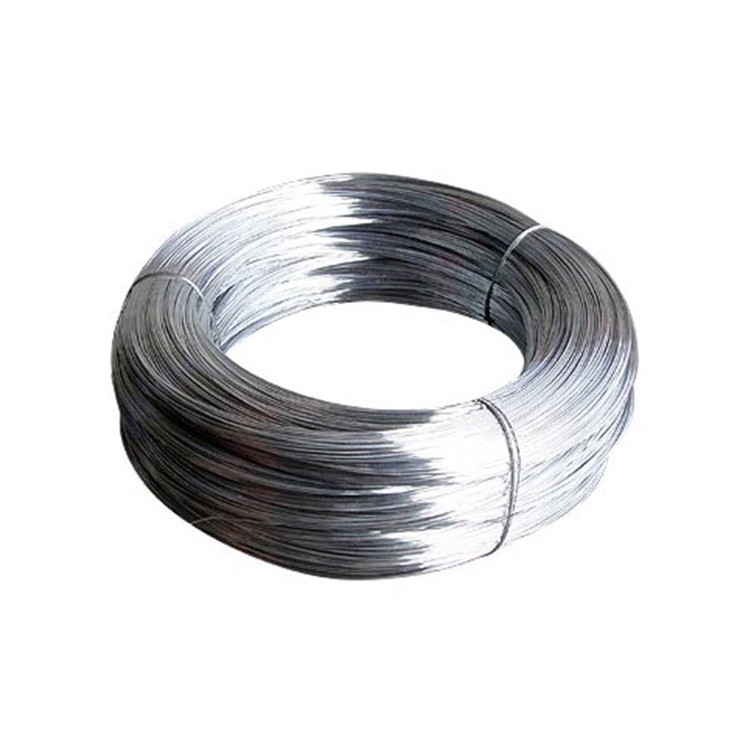
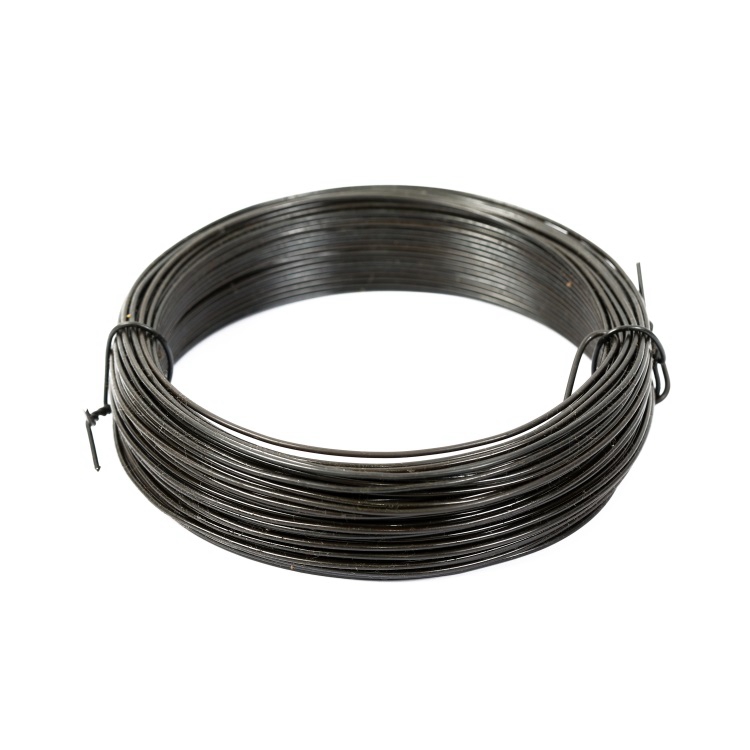
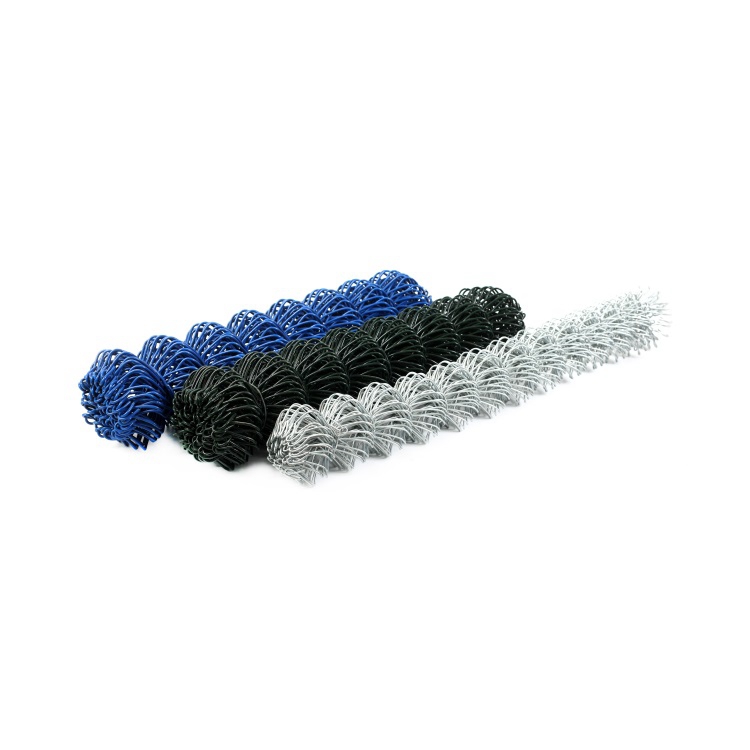
Let me give you the lowdown from my experience. Most of the wire mesh for these cages is galvanized steel, often with an added PVC coating. The galvanizing prevents rust – a killer for structures exposed to the elements. The PVC coating on top helps with wear and tear and adds a little color customization if needed. Many engineers I’ve talked to agree that combining galvanization with PVC coating tends to extend service life significantly, sometimes up to 50 years in favorable conditions.
These gabions aren’t merely off-the-shelf boxes. You can customize their size, mesh aperture, and wire diameter depending on the project demands. For instance, larger rock fill or heavier loads call for thicker wires and smaller mesh openings to contain the stones securely. Frankly, you want to get this right because a failing gabion is a real headache—and often expensive to repair.
Here’s a quick table that summarizes common specifications for wire cages used in rock retaining wall mesh gabions:
| Specification | Typical Value | Notes |
|---|---|---|
| Wire Material | Galvanized Steel, PVC Coated | Commonly used for corrosion resistance |
| Wire Diameter | 3.0mm - 4.0mm | Thicker wire for heavy loads |
| Mesh Size | 50mm x 100mm or 75mm x 75mm | Depends on rock size |
| Panel Dimensions | 2m x 1m x 1m standard | Custom sizes also available |
| Coating Thickness | >45 microns galvanization; 0.5mm PVC | Higher thickness equals longer life |
Now, when choosing a vendor for these wire cages (because let’s face it, not all suppliers are created equal), it pays to be cautious. Back in my early days, I learned the hard way: cheaper wire means shorter life. One local supplier’s product started to rust heavily within three years — which, for an outdoor, earth-holding structure is bad news, quickly.
Here is a quick vendor comparison showing typical attributes from leading providers of wire cages for gabions:
| Feature | Vendor A | Vendor B | Vendor C |
|---|---|---|---|
| Galvanization Thickness | 60 microns | 45 microns | 50 microns |
| PVC Coating Thickness | 0.6mm | 0.5mm | None |
| Customization Options | Full (size, mesh, wire) | Limited (standard sizes only) | Moderate (wire only) |
| Lead Time | 2-3 weeks | 1-2 weeks | 4+ weeks |
| Typical Price | $$ | $ | $$$ |
Funny enough, my personal go-to supplier these days is the one combining decent quality with flexible customization and reasonable lead times — reflecting the typical needs I’ve dealt with over the years. For anyone entering the market, I’d say prioritize corrosion protection and vendor support over just upfront price; you'll likely save more in the long run.
I recall a project where a flood-prone riverbank needed immediate stabilization. We opted for PVC-coated gabion mesh made by a vendor with proven durability. The results? Almost five years later, the retaining wall remains solid, even after several high-water events. You don’t get that level of peace of mind with cheaper, uncoated wire cages.
In real terms, wire cages as rock retaining wall mesh gabions represent a clever intersection between simplicity and engineering precision. They handle environmental stress, are adaptable to complex designs, and—if specified right—stand the test of time. If you want to dive deeper or source these products, a good place to start is here. There’s real expertise behind those cages.
So, next time you see a hillside held in place by a seemingly basic wire box full of rocks, think about all the engineering that makes it work so well. It’s a reminder that sometimes the simplest solution is also the most effective—and in our line of work, that’s pretty reassuring.
References:
- Gabion Engineering Handbook, International Geosynthetics Society, 2016
- Corrosion Resistance in Construction Materials, ASTM Standards, 2020
- Field Cases of Gabion Retaining Walls, Journal of Civil Engineering, 2019


-
Canton Fair 2026-4 in Guangzhou,China
NewsApr.24,2027
-
High Quality Common Nails 1212 for Construction Projects
NewsApr.16,2026
-
The 139th Canton Fair
NewsApr.14,2026
-
Guide to Using Galvanised Common Round Nails for Durable Construction
NewsApr.09,2026
-
Comprehensive Guide to Flat Head Common Nails for Construction Projects
NewsApr.07,2026
-
Understanding the Versatility of the Common Nail 5 5 for Various Applications
NewsApr.04,2026