The Same Product And Company, The Different Quality and Service!

Nov . 27, 2025 19:20
Back to list
Durable and Versatile PVC Hexagonal Wire Mesh for Agriculture & Industry
What Exactly is PVC Hexagonal Wire Mesh and Why It Matters?
If you haven’t come across pvc hexagonal wire mesh, you might picture something industrial, maybe even puzzling at first. In reality, it’s quite a simple yet remarkably versatile product that underpins multiple industries worldwide, especially where fencing, reinforcement, or protective barriers are needed. Globally, this mesh plays a pivotal role—from agriculture and construction to environmental protection and disaster relief. Understanding its applications isn’t just for engineers or product managers; it’s for anyone curious how a humble wire mesh helps maintain safety, durability, and sustainability across various sectors. Sure, it sounds like just another building material. But here’s the thing: as the global population grows and environmental challenges intensify, stronger, lighter, and more eco-conscious materials like pvc hexagonal wire mesh become indispensable. It is cost-effective, resistant, and relatively simple to produce and install — making it a favorite for engineers and planners that must balance budget, safety, and longevity. ---Global Context: Why PVC Hexagonal Wire Mesh Is Gaining Traction
The use of pvc-coated wire mesh is climbing worldwide, with market reports indicating a projected growth of nearly 5% annually in infrastructure and agriculture sectors alone (source: FAO, 2023). Countries in Asia, Africa, and Latin America especially rely on mesh fencing for everything from animal containment to erosion control. Because it’s coated with polyvinyl chloride (PVC), this mesh resists rust, corrosion, and environmental wear — a major plus compared to plain steel wire mesh. However, there’s a bigger challenge: traditional fencing materials often degrade quickly under harsh climatic conditions or heavy use, driving up replacement costs and resource waste. PVC hexagonal wire mesh addresses this issue neatly — it prolongs the mesh’s life while offering flexibility and strength, something that’s crucial in evolving markets facing environmental stresses and limited resources. ---Defining PVC Hexagonal Wire Mesh
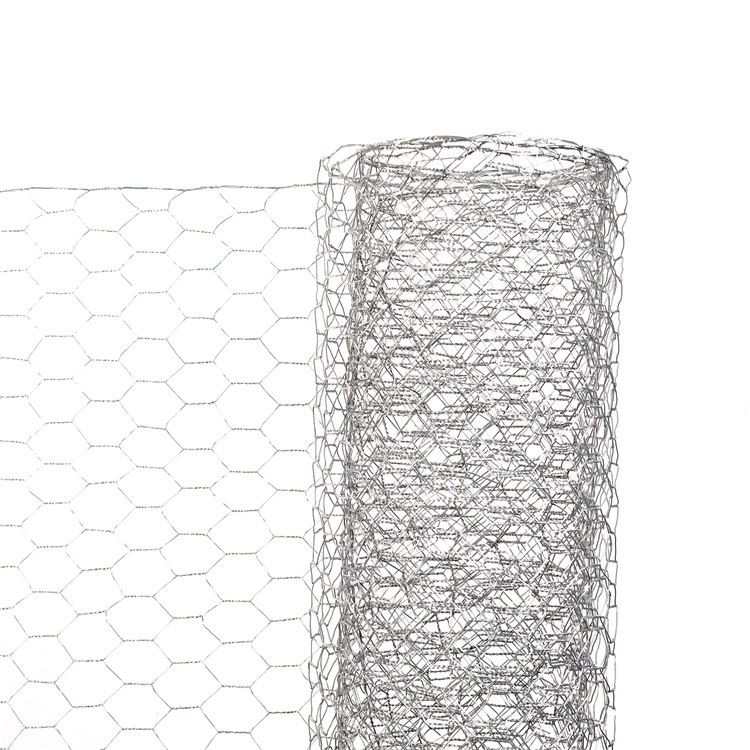
So what is pvc hexagonal wire mesh exactly? It’s a wire netting made from galvanized steel strands twisted into hexagon shapes, then coated with a layer of PVC for extra protection. This hexagonal pattern creates a unique combination of flexibility and strength — able to bend without snapping but firm enough to support weight or act as a barrier. Industries value it because it resists corrosion, withstands weathering, and is easier on the eyes (vs. raw steel). Think of it as the resilient ‘coat of armor’ for fencing and containment, adapted to modern material standards and sustainability needs. ---Core Characteristics That Define Its Usefulness
Durability
One immediate advantage is how pvc hexagonal wire mesh handles moisture and exposure. The PVC coating prevents rust that would normally reduce the lifespan of traditional galvanized wire. This matters a great deal in humid or coastal areas where salt air or heavy rain can wreak havoc.Flexibility
Unlike rigid metal fencing, the hexagonal mesh flexes just enough to absorb shocks or conform to uneven terrain. This makes it popular in applications like animal enclosures or temporary barriers after disasters, where ground conditions can be unpredictable.Cost Efficiency
While PVC coating adds to production costs, the overall lifecycle is cheaper. Replacements are less frequent, and maintenance drops dramatically. For large farms or construction sites, these savings add up quickly.Sustainability
Polyvinyl chloride is sometimes unfairly criticized, but when applied in this context, it reduces material waste by prolonging wire mesh usability. Also, modern recycling initiatives for PVC and steel in many countries help reduce environmental footprint. ---Real-World Applications and Who Benefits
PVC hexagonal wire mesh is everywhere, honestly. In rural parts of Africa, it secures livestock from predators while allowing airflow and visibility. In southeast Asia, growers use it in greenhouses and vertical farming systems to guard plants without obstructing sunlight. Post-disaster relief organizations rely on this mesh for quickly erecting durable safety barriers or temporary shelters. It’s lightweight enough for rapid deployment yet tough enough to endure harsh weather. Even urban planners find uses, employing it in erosion control projects where slopes need a sturdy but breathable covering to prevent soil loss. ---Mini takeaway:
This isn’t just fencing material; it’s a truly global tool that’s quietly enabling diverse sectors from agriculture to environmental protection. ---Advantages Beyond the Surface
Cost aside, the benefits ly beyond just numbers. For farmers, it means less stress about losing animals to predators or weather damage. For disaster responders, it is about restoring safety and dignity to displaced families quickly. It is reliable — consistent in quality thanks to industrial production standards — and fosters trust between project planners and communities relying on it. The PVC coating also helps maintain a neat look, sometimes important for projects around residential or tourist areas where aesthetics matter. In terms of sustainability, the reduction in material failures and waste equates to a win for resource conservation. By design, pvc hexagonal wire mesh encourages long use cycles — essential in the era where everything feels disposable. ---The Road Ahead: Innovations and Trends
As materials science moves forward, expect to see improved coatings offering even greater UV resistance and anti-microbial properties, which is important in tropical climates. Automation in mesh weaving and coating processes is becoming more precise, reducing waste and costs. Moreover, some vendors explore bio-based PVC alternatives that keep the benefits while shrinking environmental impact. Policies encouraging sustainable agriculture and infrastructure development globally will further drive adoption, especially as organizations seek reliable, affordable, and eco-sensitive solutions. ---Common Hurdles & How Experts Face Them
Despite its advantages, PVC hexagonal wire mesh isn’t perfect. Critics cite PVC’s environmental impact if not recycled properly. Additionally, some users find it slightly less strong than heavier gauge wire alternatives in extremely high-stress applications. Experts recommend using the mesh as part of integrated, multi-material systems — combining steel reinforcements or protective layers — to tailor solutions to exact conditions. Also, many manufacturers offer recycling services or encourage take-back programs to address PVC disposal concerns. ---Frequently Asked Questions About PVC Hexagonal Wire Mesh
- What’s the lifespan of pvc hexagonal wire mesh in harsh environments?
- Typically, pvc hexagonal wire mesh lasts 10–20 years depending on coating thickness and maintenance. Areas with frequent UV exposure or abrasion may see shorter lifespans, but regular inspection and repairs help extend service.
- Can pvc hexagonal wire mesh be customized for different industries?
- Absolutely! Mesh size, wire gauge, PVC color, and coating thickness can all be tailored to fit agricultural, industrial, or protective applications. Many vendors offer custom orders to meet unique project needs.
- Is it suitable for fencing large animals like cattle or goats?
- Yes, it’s commonly used for animal enclosures. Its flexibility prevents easy breakage, while the hexagonal pattern keeps animals securely inside. For very large or aggressive animals, heavier gauge versions might be suggested.
- How does pvc hexagonal wire mesh compare to chain-link fencing?
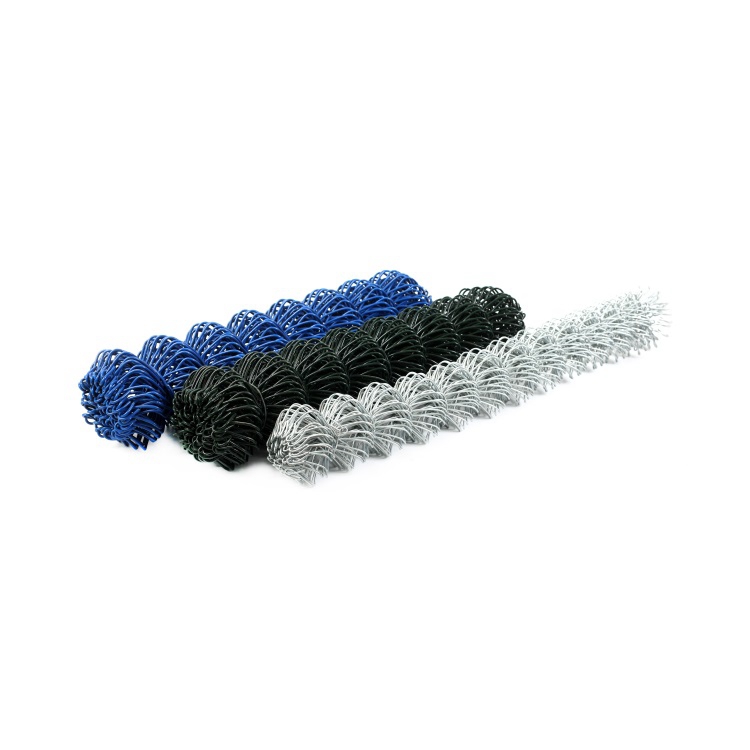
- While chain-link fences are generally stronger, pvc hexagonal wire mesh offers more flexibility and better corrosion resistance. It’s preferred in environments demanding a lighter, more adaptable barrier.
- Can NGOs easily import pvc hexagonal wire mesh for international projects?
- Yes, the product is widely traded, with many manufacturers offering export-friendly packaging and documentation. It’s a popular choice for humanitarian and development projects worldwide due to cost-effectiveness and ease of transport.
Product Specification Table
| Specification | Typical Value | Details |
|---|---|---|
| Wire Gauge | 20–26 AWG | Varies by strength required |
| Mesh Size | 12.5 mm – 50 mm | Diameter of hexagon widths |
| Coating Thickness | 70–250 microns | Determines corrosion resistance |
| Roll Width | 0.5 – 2 meters | Varied for application needs |
| Roll Length | 10 – 50 meters | Customizable |
Vendor Comparison Table
| Vendor | Product Range | Coating Options | Lead Time | Export Availability |
|---|---|---|---|---|
| Five Star Metals | Standard & custom pvc hexagonal meshes | Standard PVC, Color PVC, UV-resist | 3–4 weeks | Worldwide |
| Global Wire Solutions | Wide mesh size & gauge options | PVC, PE coatings | 2–6 weeks | Select countries |
| Eco Mesh Corp | Specialized green coatings | Bio-PVC & recycled options | 4–5 weeks | Mostly Europe & Asia |
Wrapping Up: Long-Term Benefits You Can Count On
When you consider the long-term picture, pvc hexagonal wire mesh offers something pretty worthwhile: a dependable, adaptable solution that meets multiple global challenges in construction, agriculture, and humanitarian aid. It balances cost, durability, and sustainability in a way that frankly, not many materials manage effectively. For anyone managing fencing projects in dynamic or harsh environments, it really is a go-to option. If you’re interested in exploring quality pvc hexagonal wire mesh options or want to discuss customization for your project, visit our website: pvc hexagonal wire mesh. Easy access to specs, samples, and expert advice is just a click away. ---References & Further Reading
Share


Latest news
-
Canton Fair 2026-4 in Guangzhou,China
NewsApr.24,2027
-
High Quality Common Nails 1212 for Construction Projects
NewsApr.16,2026
-
The 139th Canton Fair
NewsApr.14,2026
-
Guide to Using Galvanised Common Round Nails for Durable Construction
NewsApr.09,2026
-
Comprehensive Guide to Flat Head Common Nails for Construction Projects
NewsApr.07,2026
-
Understanding the Versatility of the Common Nail 5 5 for Various Applications
NewsApr.04,2026