Durable and Cost-Effective Galvanized Chicken Wire Fencing for Global Use
Unlocking the Potential of Galvanized Chicken Wire Fencing: A Global Perspective
Galvanized chicken wire fencing might sound like a simple chicken coop staple, but it’s far more pivotal in both global and industrial contexts than you might initially guess. This lightweight yet robust fencing solution helps secure livestock, protect crops, and even support humanitarian efforts worldwide.
Why does understanding galvanized chicken wire fencing matter? Because with a rapidly urbanizing world and ongoing challenges in agriculture and disaster relief, this fencing type acts as a frontline tool - reliable, affordable, and surprisingly versatile. Its global importance spans from small-scale farms in Southeast Asia to large industrial projects in Europe and relief camps in Africa.
Quick takeaway: Galvanized chicken wire fencing stands at the crossroads of tradition and modern functional need — offering cost-effective, durable protection that impacts agriculture, industry, and humanitarian aid alike.
The Global Context: Why is Galvanized Chicken Wire Fencing Critical Today?
It’s odd, but the humble wire mesh has roots deep in global industry and community resilience. According to the Food and Agriculture Organization (FAO), nearly 60% of global agricultural land relies on fencing for livestock management and crop protection — and galvanized chicken wire plays a key role in this.
Global population growth combined with climate challenges push farms and facilities to upgrade their protective measures. Plus, international standards like ISO 10223 for corrosion resistance ensure that galvanized fencing meets strict durability requirements, especially where weather extremes would otherwise degrade lesser materials.
In humanitarian crises, galvanized chicken wire fencing provides quick-deploy perimeter security around camps or supply depots — a task that demands reliable, rust-resistant materials readily available worldwide. Without it, containment and safety become logistical nightmares.
Takeaway: Global agricultural demands and humanitarian challenges underline the status of galvanized chicken wire fencing as a necessary resource — one whose industrial standards and corrosion resistance make all the difference.
What Exactly is Galvanized Chicken Wire Fencing?
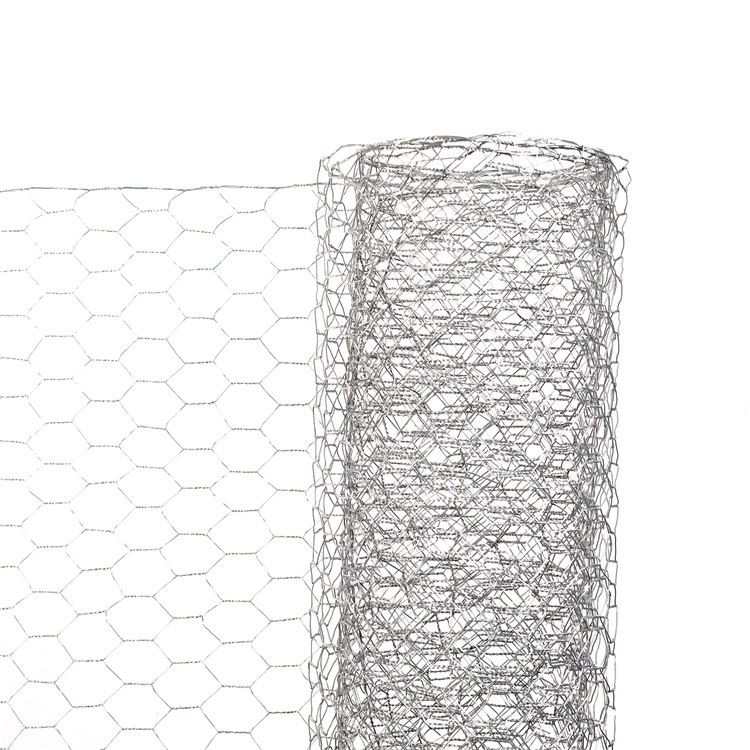
At its core, galvanized chicken wire fencing is simply a hexagonal mesh made from steel wire that's been hot-dipped or electro-coated with zinc to prevent rusting. The "galvanized" part means the wire resists corrosion, making it suitable for outdoor use year-round.
This fencing style traces back to the 19th century but has evolved with contemporary manufacturing to become both lighter and stronger. Whether securing backyard poultry or large grazing fields, it’s a staple because of its balance of flexibility, visibility, and strength.
Beyond farms, galvanized chicken wire fencing supports infrastructure projects by creating temporary or permanent boundaries and even forms the skeleton for erosion control systems in civil engineering.
Mini takeaway: Simply put, galvanized chicken wire fencing is a zinc-coated steel mesh valued for its rust resistance and versatility in protecting animals, plants, and property across industries.
Key Features That Set Galvanized Chicken Wire Fencing Apart
Durability
The zinc coating is the real hero here — it shields the steel wire from rust even in harsh environments. Engineers say properly galvanized fencing can last 15 to 20 years without needing replacement, which is a huge cost saver when compared to untreated wire.
Flexibility
The characteristic hexagonal mesh allows bending and shaping without breaking, perfect for custom enclosures or fitting irregular landscape contours.
Cost Efficiency
Compared to heavy-duty chain links or wooden fences, galvanized wire offers a more affordable upfront investment and minimal upkeep. It’s an economic choice for farmers and builders alike.
Lightweight and Easy Installation
Transportation and setup times drop considerably. Teams can deploy fencing networks rapidly, vital for disaster-relief applications or large agricultural operations.
Corrosion Resistance
Thanks to modern galvanization techniques aligned with ISO standards, these fences resist rain, humidity, and even saline environments — coastal farms can attest to this.
Eco-Friendly Aspects
Galvanized steel wire is recyclable and often reused in new fencing applications, reducing environmental footprint.
Summary: Durability, flexibility, cost efficiency, ease of transport, corrosion resistance, and sustainability make galvanized chicken wire fencing a smart choice for many practical scenarios.
Where in the World Is Galvanized Chicken Wire Fencing Being Put to Work?
This fencing isn’t just rural anymore — its use is widespread and growing. For instance:
- Southeast Asia: Smallholder farmers use it to protect free-range chickens from predators, essential for subsistence economies.
- Africa: NGOs deploy galvanized chicken wire to create secure zones around refugee camps, maintaining safety and dignity.
- Europe: Industrial zones rely on galvanized fencing for temporary barriers around construction sites and mining operations.
- North America: Home gardeners and commercial nurseries use it to keep out pests and create sustainable wildlife fencing.
In many parts of the world, it’s the preferred fencing solution because it balances accessibility with strength — vital when budgets and skilled labor may be limited.
Mini takeaway: From farms to humanitarian relief sites, galvanized chicken wire fencing spans continents and applications, proving its wide relevance.
Advantages and the Long-Term Value You Should Know
What feels refreshing here is the mix of logical and emotional benefits, so to speak. Practically, the cost savings and longevity speak volumes. But there’s an emotional side, too — safety for communities, dignity for displaced families, and confidence in infrastructure security.
Long-term, galvanized chicken wire fencing:
- Reduces maintenance headaches— no frequent fence replacement means fewer interruptions.
- Supports sustainable farming and green practices— long-lasting materials mean less waste.
- Improves community trust— secure perimeters foster stability.
- Encourages innovation— easy customization invites creative problem-solving on site.
Takeaway: Beyond tangible savings, galvanized chicken wire fencing offers peace of mind and environmental benefits that companies and communities appreciate over the years.
Looking Ahead: Future Trends in Galvanized Chicken Wire Fencing
The next frontier? Sustainability meets technology. Currently, manufacturers explore coating enhancements such as dual-layer galvanizing combined with polymer layers for triple corrosion protection.
There’s also movement toward integrating RFID tags into fence posts for digital inventory and security management in industrial zones — part of the bigger digital transformation wave sweeping industrial products.
Another trend is the use of electro-galvanization, which lowers zinc usage and environmental impact without compromising durability. This aligns with increasingly strict environmental regulations like the EU’s REACH directive.
Mini takeaway: Expect smarter, greener, and more durable galvanized chicken wire fencing solutions soon — merging traditional utility with 21st-century sustainability and tech.
Challenges & Practical Solutions
Despite all its strengths, galvanized chicken wire fencing faces some challenges in the field:
- UV degradation on coatings: Prolonged sun exposure can weaken some coatings, mitigated by polymer topcoats.
- Installation skill requirements: For complex layouts, skilled workers must ensure tension and anchoring are correct.
- Vandalism or wildlife damage: Reinforcement with heavier gauge wire or hybrid fence systems helps.
Experts recommend ongoing training for installers and investing in combination fencing systems for high-risk areas — a little extra care upfront saves significant replacement costs down the line.
Takeaway: With design foresight and improved materials, the traditional limitations of galvanized chicken wire fencing are steadily shrinking.
FAQ: Common Questions About Galvanized Chicken Wire Fencing
Q1: How long does galvanized chicken wire fencing typically last outdoors?
A: With proper galvanization and installation, expect 15–20 years. Harsh environments may shorten this, but additional polymer coatings can extend lifespan.
Q2: Can galvanized chicken wire fencing protect against small predators?
A: Yes — the hex mesh size is designed to contain poultry and keep out common predators like foxes and raccoons effectively.
Q3: Is galvanized chicken wire fencing suitable for coastal areas?
A: Absolutely. Zinc’s corrosion resistance is great for salty air, though extra protective coatings can help in very severe conditions.
Q4: How does galvanized chicken wire fencing compare cost-wise to other fencing?
A: It’s generally more affordable than chain link or wooden fencing, both upfront and over time due to less maintenance.
Q5: Can I customize galvanized chicken wire fencing dimensions for unique projects?
A: Yes! Wires can be cut, bent, and sewn into different shapes and sizes for specialized enclosures, easily adjusted onsite.
Product Specification Table
| Specification | Detail |
|---|---|
| Material | Steel wire, hot-dip galvanized zinc coating |
| Mesh Size | 12.5 mm to 50 mm hexagonal openings |
| Wire Gauge | 20 gauge (0.91 mm) to 16 gauge (1.65 mm) |
| Coating Thickness | 40-100 g/m² zinc layer |
| Roll Widths | 0.3m to 1.5m |
| Roll Lengths | 10m to 50m |
Vendor Comparison: Galvanized Chicken Wire Fencing Providers
| Vendor | Coating Method | Mesh Size Range | Availability | Price Level |
|---|---|---|---|---|
| Five Star Metals | Hot-dip galvanization | 12.5 mm - 50 mm | Global shipping, bulk options | Mid-range |
| SteelCo Fencing | Electro-galvanization | 15 mm - 40 mm | North America & Europe | Lower |
| EcoFence Solutions | Hot-dip + polymer coating | 10 mm - 45 mm | Europe, Asia | Premium |
Final Thoughts
A simple mesh, when coated thoughtfully, becomes a global workhorse: galvanized chicken wire fencing is much more than farmyard basics. Its blend of durability, cost-efficiency, and broad applicability makes it a quietly indispensable part of agricultural innovation, disaster resilience, and industrial security.
Not to mention, I’ve seen teams roll out this fencing under some pretty tight deadlines in the toughest conditions — and in each scenario, it’s delivered reliably. That’s the kind of everyday innovation that often goes under-appreciated but makes all the difference for millions worldwide.
If you’re considering fencing solutions, explore galvanized chicken wire fencing options — it may just be the versatile fix your project needs.
References


-
Canton Fair 2026-4 in Guangzhou,China
NewsApr.24,2027
-
High Quality Common Nails 1212 for Construction Projects
NewsApr.16,2026
-
The 139th Canton Fair
NewsApr.14,2026
-
Guide to Using Galvanised Common Round Nails for Durable Construction
NewsApr.09,2026
-
Comprehensive Guide to Flat Head Common Nails for Construction Projects
NewsApr.07,2026
-
Understanding the Versatility of the Common Nail 5 5 for Various Applications
NewsApr.04,2026