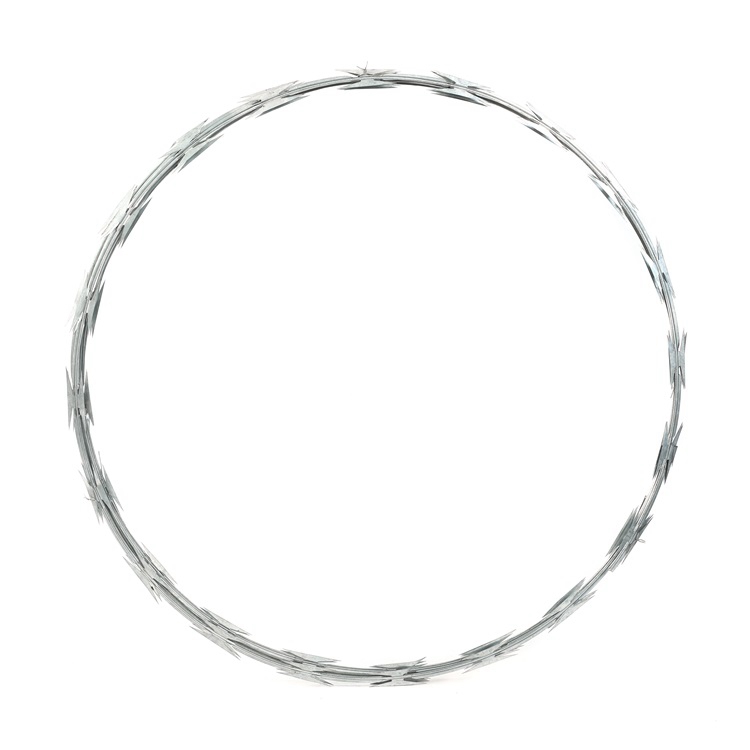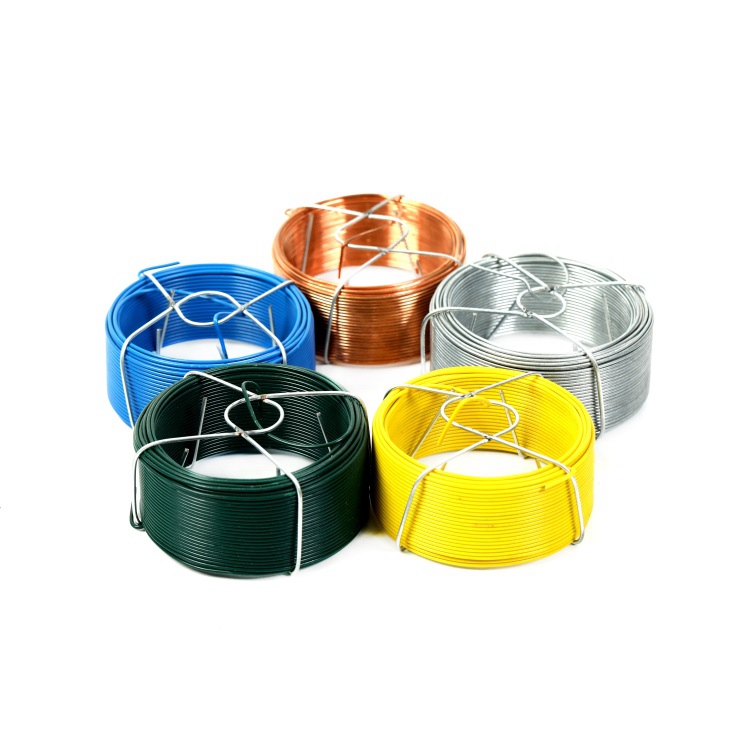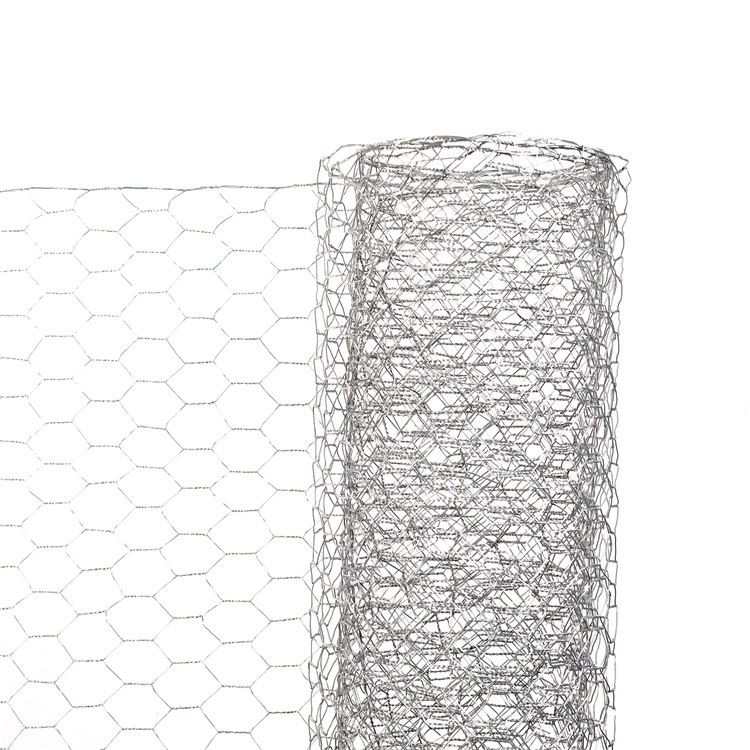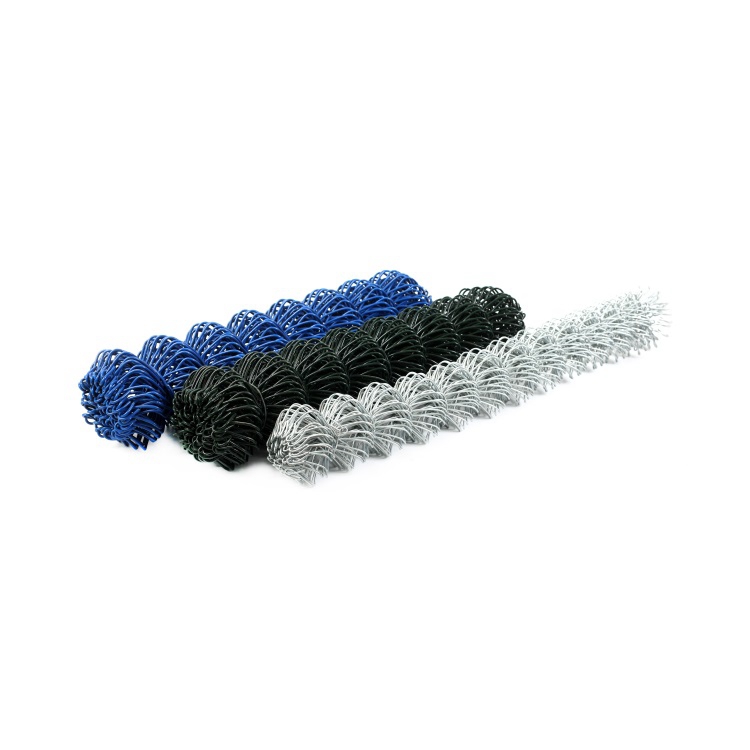
Durable and Cost-Effective Chicken Wire Mesh 3/4 for Global Applications
What Is Chicken Wire Mesh 3/4 and Why It Matters Globally
Chicken wire mesh 3/4 is something many of us might have come across without really giving it a second thought—whether in a backyard garden, a construction site, or even a humanitarian relief camp. But understanding what it really is and why it continues to be globally relevant offers a surprisingly broad glimpse into diverse industries, from agriculture to disaster response.
Globally, the demand for effective containment and fencing solutions is projected to rise, especially as population growth, urbanization, and agricultural expansion continue. Organizations around the world rely on chicken wire mesh 3/4 for its flexibility, strength, and adaptability to different environments. The “3/4” dimension refers to the mesh size (typically 3/4 inch hexagonal openings), striking the right balance between ventilation and security.
Why does this matter? Well, it’s not just fences. Chicken wire mesh 3/4 plays a critical role in livestock management, crop protection, erosion control, and even temporary shelter frameworks. For sustainability and economic efficiency, knowing its nuances can make a real difference in project success and resource management.
The Global Stage for Chicken Wire Mesh 3/4
Around the world, chicken wire mesh 3/4 is quietly underpinning some heavy-hitting sectors. According to the Food and Agriculture Organization (FAO), fencing solutions help reduce livestock losses by up to 30% in many developing nations, which can be transformative. Similarly, in construction and manufacturing, ISO standards increasingly govern material quality and durability, ensuring consistent performance of meshes like these.
Consider the pressing challenge of sustainable farming in countries from India to Brazil. Protecting crops and animals from predators while managing land efficiently is vital — and chicken wire mesh 3/4 emerges as a cost-effective, scalable answer.
It also addresses humanitarian issues — for example, in rapid shelter construction for displaced communities. Lightweight, easy-to-install mesh can form the skeleton of protective barriers or enclosures, helping to maintain safety and dignity in difficult situations. Oddly enough, such a simple product intersects with global food security, urban growth, and even disaster resilience.
What Exactly Is Chicken Wire Mesh 3/4?
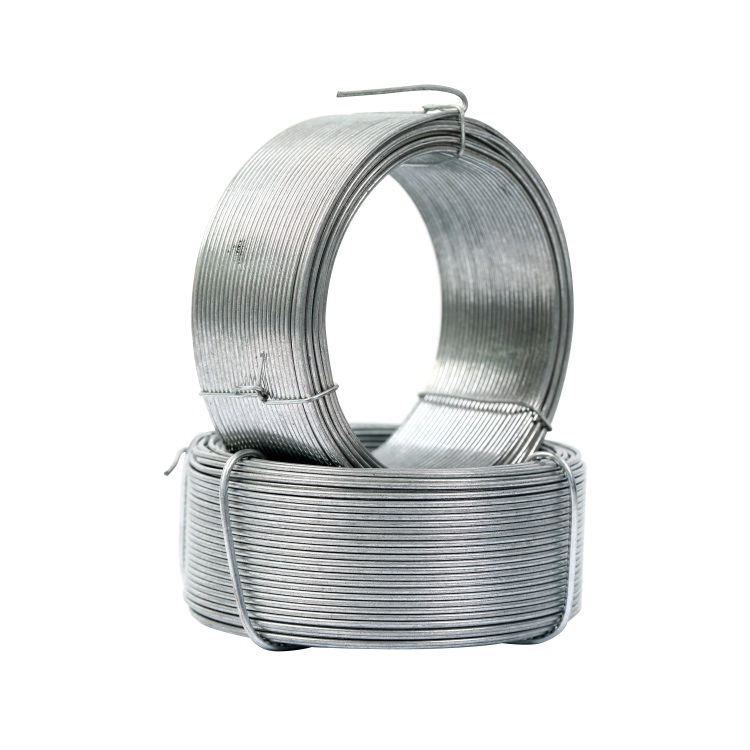
At its core, chicken wire mesh 3/4 is a netting made from galvanized steel wires twisted into hexagonal patterns, with each hexagon measuring roughly 3/4 inch across. This size is a sweet spot—small enough to keep most poultry contained, but large enough to allow airflow and visibility.
Its versatility? Unmatched. Farmers use it for fencing chickens, rabbits, or small livestock. Builders wrap concrete columns in it to help plaster adhere. NGOs use it for lightweight enclosures and greenhouses. Call it the Swiss Army knife of lightweight mesh fencing.
In modern industries, it's also a foundation for composite materials or used in erosion control, helping to stabilize soil on slopes. You could almost say it’s a humble hero, blending simplicity with a wide spectrum of applications.
Core Components to Know About Chicken Wire Mesh 3/4
Durability
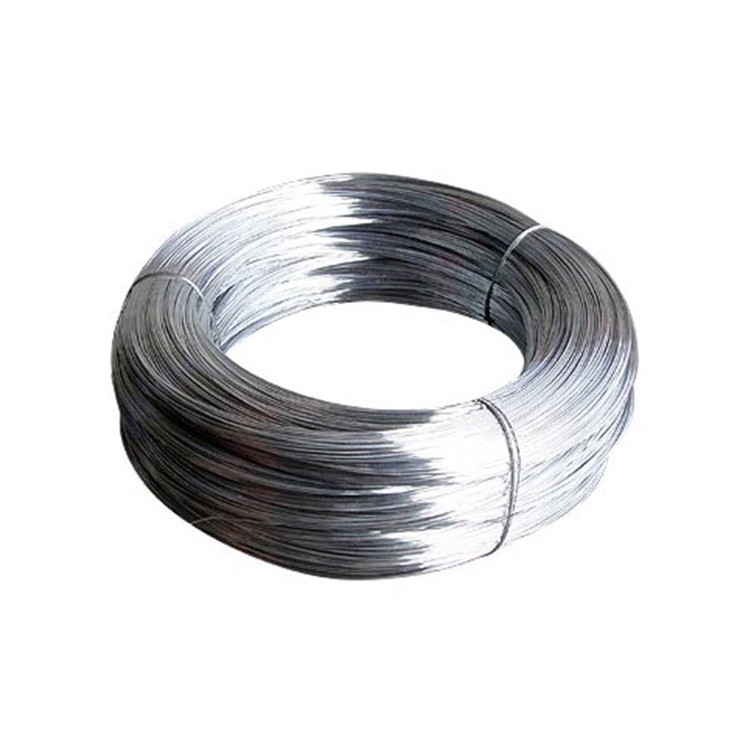
Thanks to galvanization—a zinc coating process—the steel wire is resistant to rust and corrosion. This means fences or cages can stand up to rain, humidity, and sun exposure for years, often 5–10 years depending on conditions. Not invincible, but tough enough to justify the investment.
Flexibility & Ease of Installation
The mesh can be bent, shaped, or cut with basic tools. It’s light enough for one or two people to install quickly without heavy machinery. That ease accelerates project timelines and lowers labor costs.
Cost Efficiency
Compared to other fencing types—like chain-link or wood—chicken wire mesh 3/4 is generally budget-friendly both in upfront costs and maintenance. The availability also reinforces competitive pricing globally.
Safety & Animal Welfare
The appropriately sized apertures prevent small animals from escaping while avoiding injury from overly sharp edges or large gaps. Plus, the visual transparency helps farmers monitor animals easily.
Sustainability Aspect
Many manufacturers now produce galvanized wires with environmentally friendlier processes, and because chicken wire mesh 3/4 is recyclable, it aligns well with circular economy principles.
Global Applications: Where Chicken Wire Mesh 3/4 Shines
- Agriculture: Worldwide, small-scale farmers use it to protect poultry and crops from predators and prevent wandering livestock.
- Construction: Used as reinforcement for plasterwork, or temporary fencing on sites.
- Humanitarian Aid: Lightweight fencing in refugee camps or temporary shelters that can be quickly assembled and disassembled.
- Erosion Control: In mountainous or coastal regions, it secures grass and plants to soil on vulnerable slopes.
- Wildlife Management: In Australia and Africa, it helps create protective zones for endangered species or controls invasive pests.
For example, in post-disaster relief operations in Southeast Asia, rapid deployment of chicken wire mesh 3/4 enclosures has helped secure food storage and livestock, safeguarding resources when they’re needed most.
Advantages & Long-Term Value of Chicken Wire Mesh 3/4
When you invest in chicken wire mesh 3/4, you’re buying more than material—you’re securing a combination of sustainability, reliability, and economic sense.
- Cost-Effectiveness: Low initial outlay combined with years of usability means better ROI.
- Environmental Impact: Its recyclability and compatibility with eco-friendly coatings matter in an era of green responsibility.
- Emotional Value: For farmers and aid workers, it’s peace of mind knowing animals and assets are protected safely and humanely.
- Innovation Compatibility: It integrates with modern systems—from smart agriculture monitoring to modular shelter designs.
In a nutshell, it builds trust and delivers tangible results, meeting both emotional needs and logical budget constraints.
Product Specification Table: Typical Chicken Wire Mesh 3/4
| Specification | Details |
|---|---|
| Material | Galvanized Steel Wire |
| Mesh Size | 3/4 inch hexagon |
| Wire Diameter | 0.7 mm – 1.2 mm |
| Roll Length | 25 m standard |
| Coating Thickness | 40 – 60 g/m² zinc coating |
| Color | Silver (standard galvanized finish) |
Vendor Comparison: Popular Chicken Wire Mesh 3/4 Suppliers
| Vendor | Price per Roll | Lead Time | Region | Customization |
|---|---|---|---|---|
| Five Star Metals | $45 – $55 | 2 Weeks | Global | Available |
| WireTech Co. | $50 – $60 | 3 Weeks | North America, Europe | Limited |
| Green Mesh Supplies | $40 – $50 | 1 Week | Asia-Pacific | Custom Sizes |
Future Trends: What’s Next for Chicken Wire Mesh 3/4?
Innovation in this domain is subtle but steady. We’re seeing developments with stronger, lighter alloys and more eco-friendly galvanizing methods, aligned with ISO 14001 environmental standards. The rise of smart farming means mesh products may integrate embedded sensors for condition monitoring and security, a step toward precision agriculture.
Also, increased use of automation and digital supply chains means customers can specify custom meshes online, with rapid prototyping and delivery—making the chicken wire mesh 3/4 market more responsive than ever.
Common Challenges & Clever Fixes
One of the biggest challenges with chicken wire mesh 3/4 is vulnerability to physical damage (bending or tearing) in rough environments, especially where larger animals are involved. Another issue is corrosion when exposed to saline or acidic conditions, even with galvanization.
Experts suggest reinforcing the mesh with thicker gauges in high-stress zones or using PVC-coated variants for extra protection. Training for proper installation also minimizes damage during setup. In some humanitarian scenarios, modular frame attachments improve structural stability.
FAQ: Your Quick Questions on Chicken Wire Mesh 3/4
- How does chicken wire mesh 3/4 compare to chain-link fencing?
- Chicken wire mesh 3/4 is lighter, easier to install, and typically less expensive, but less robust against larger animals or forceful impacts. It’s ideal for poultry or small livestock, while chain-link suits heavier security needs.
- Can chicken wire mesh 3/4 be used outdoors year-round?
- Yes, with proper galvanization, it holds up well outdoors for multiple years. For harsh environments, thicker coating or PVC-coated options extend life even longer.
- Is it possible to get custom sizes or wire diameters?
- Absolutely. Vendors like Five Star Metals offer customization options to fit specific project needs.
- What is the best method to maintain chicken wire mesh 3/4 fences?
- Regular inspection for damage, clearing vegetation, and quick repairs are key. Avoid prolonged contact with wet soil to prevent corrosion. Cleaning with mild detergents during annual maintenance also helps.
- Can chicken wire mesh 3/4 be recycled?
- Yes, galvanized steel wire mesh is recyclable. This helps reduce environmental impact if properly processed at end of life.
Wrapping Up: Why Chicken Wire Mesh 3/4 Stands the Test of Time
There’s something almost poetic about this humble mesh. Whether securing a flock, forming a frame for a shelter or stabilizing a hillside, chicken wire mesh 3/4 combines ingenuity with simplicity. The long-term benefits—in cost, sustainability, safety, and adaptability—mean it’s unlikely to go out of style anytime soon.
Big or small, global or local, its applications seem to grow, mirroring the world’s evolving needs. For anyone involved in fencing, agriculture, or emergency response, it pays to know your chicken wire mesh 3/4 well.
Interested in exploring the possibilities further? Visit our website: chicken wire mesh 3/4 for detailed specs, custom quotes, and expert advice.
1. Food and Agriculture Organization (FAO), "Livestock and fencing solutions," www.fao.org
2. ISO standards on galvanized coatings, www.iso.org
3. United Nations Environment Programme, "Sustainable materials management," www.unep.org


-
Canton Fair 2026-4 in Guangzhou,China
NewsApr.24,2027
-
High Quality Common Nails 1212 for Construction Projects
NewsApr.16,2026
-
The 139th Canton Fair
NewsApr.14,2026
-
Guide to Using Galvanised Common Round Nails for Durable Construction
NewsApr.09,2026
-
Comprehensive Guide to Flat Head Common Nails for Construction Projects
NewsApr.07,2026
-
Understanding the Versatility of the Common Nail 5 5 for Various Applications
NewsApr.04,2026