Durable and Affordable Chicken Fencing Wire for Global Poultry Protection
Understanding Chicken Fencing Wire: More Than Just a Barrier
When you hear “chicken fencing wire,” you might picture a simple farm barrier to keep pesky foxes or neighborhood dogs away from the backyard coop — and sure, that’s the core function. But this humble wire mesh carries a surprisingly global weight, blending agricultural innovation, food security, and even humanitarian relief efforts. Whether you’re a smallholder farmer in a rural village or an international relief coordinator grappling with livestock protection after a disaster, understanding what chicken fencing wire brings to the table can mean the difference between fragile poultry flocks and sustainable, thriving food sources.
Why Chicken Fencing Wire Matters Globally
Globally, nearly 23 billion chickens are raised each year, according to FAO data. A vast majority of these birds live in small-scale operations, often in regions where rural economies depend heavily on poultry for both nutrition and income. Yet, many farms struggle with predation, theft, or disease contamination risks that substandard or absent fencing cannot prevent. Here’s the kicker: chicken fencing wire isn’t just a local fix; it’s a tool that advances global goals for food security and poverty alleviation.
The World Bank reports nearly 80% of agricultural producers in developing countries rely on livestock as a source of income, where fencing solutions can directly improve yield by safeguarding flocks, reducing losses, and encouraging sustainable production. In humanitarian contexts, including those monitored by the UN, chicken fencing wire stabilizes smallholder herds, helping preserve livelihoods amid displacement or crisis.
Mini Takeaway:
Chicken fencing wire might seem simple, but it plays a pivotal role in global food security, rural economy, and emergency response — making it a surprisingly vital yet often overlooked component.
What Exactly Is Chicken Fencing Wire?
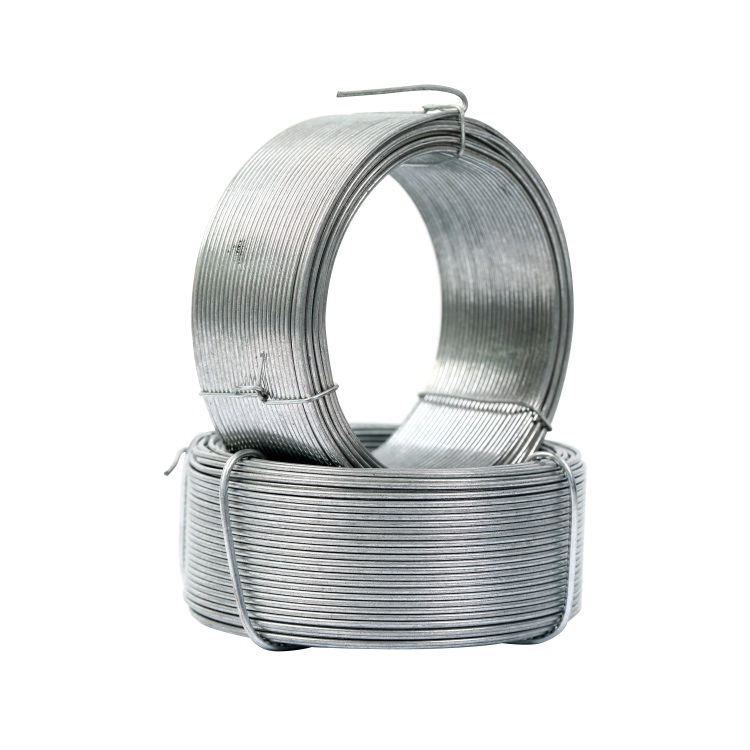
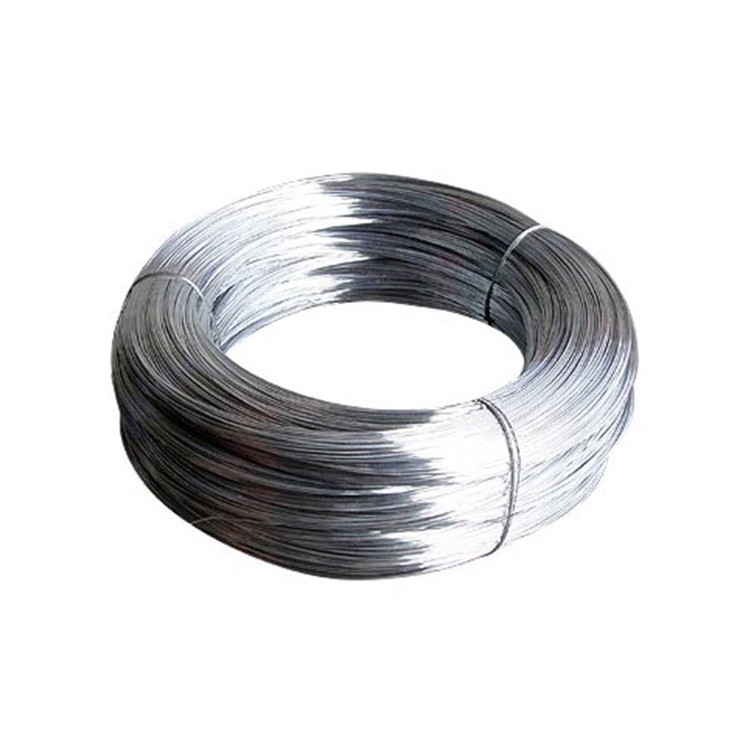
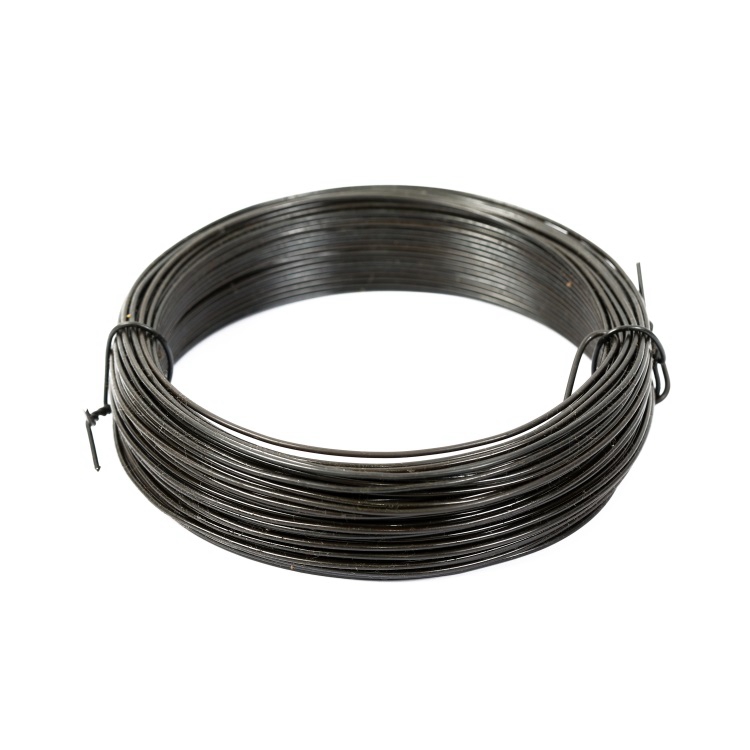
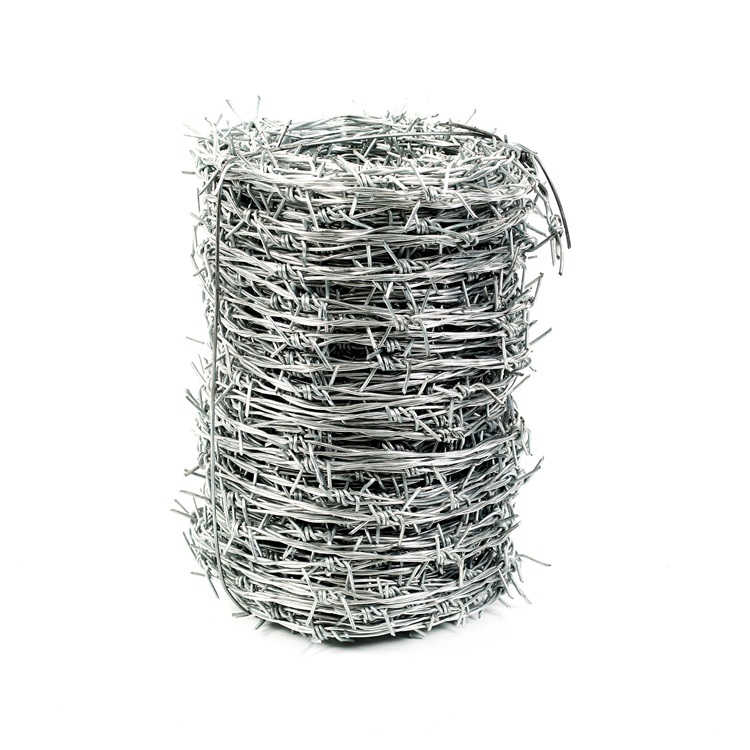
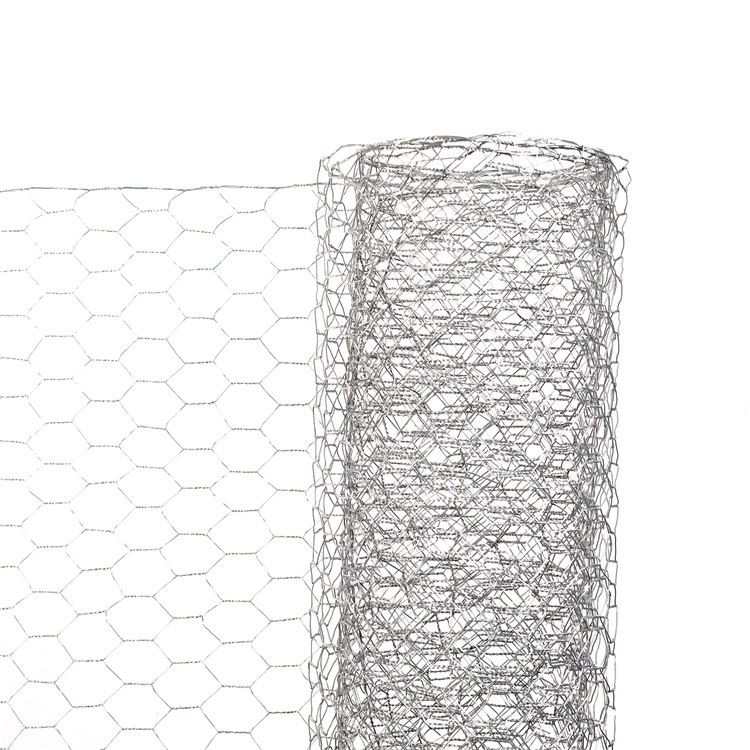
At its core, chicken fencing wire is a woven mesh made from galvanized or stainless steel wire, designed with a distinctive hexagonal pattern to deter predators and confine poultry safely. Unlike heavier security fences, it’s lightweight, flexible, and often corrosion-resistant, making it a favorite for both temporary and permanent installations.
Its connection to modern industry? Aside from agricultural use, industries ranging from construction to waste management sometimes repurpose this mesh for protective barriers. More critically, humanitarian organizations employ it as part of rapid deployment fencing for livestock protection, underpinning community resilience in vulnerable zones.
The Nuts and Bolts: Key Features of Chicken Fencing Wire
1. Durability
Galvanized coatings, PVC coatings, and stainless steel options guard the fencing against rust and weather damage; this matters particularly in moist or tropical climates where metal corrosion is a silent killer. Many engineers value fencing wire durability as crucial since repairs can be costly and time-consuming.
2. Flexibility and Scalability
The wire’s pliability allows farmers to shape the fence around uneven terrains or expand enclosures gradually. This adaptability supports smallholder growth and changing space needs — a practical attribute that obviously has budgets breathing easier.
3. Cost Efficiency
Compared to solid panel fences or electric barriers, chicken fencing wire is often more affordable and easier to install without specialized tools. For low-income communities, this translates into real access and empowerment rather than prohibitively expensive livestock protection.
4. Predator Resistance
The mesh size and wire strength are calibrated to keep out common predators — foxes, weasels, dogs — while allowing airflow and visibility. It’s that balance which makes it so practical for everyday farm life.
5. Environmental Impact
Some newer products incorporate recyclable materials or coatings to extend the fencing’s life cycle responsibly, aligning with sustainability goals increasingly demanded by consumers and donors alike.
Mini Takeaway:
Durability, adaptability, affordability, and eco-friendliness combine in chicken fencing wire to meet diverse user needs — from backyard coops to NGOs operating in remote relief zones.
Global Applications and Real-World Use Cases
Chicken fencing wire is everywhere — tucked into small farms across Southeast Asia, sprawling agribusinesses in North America, and emergency response kits in sub-Saharan Africa. For instance:
- In post-disaster relief: NGOs like the Red Cross distribute fencing wire to displaced farmers in flood-hit Mozambique to protect their poultry and aid fast livelihoods recovery.
- Remote industrial zones: Mining operations in Latin America use fencing wire to secure canteens where locally sourced poultry is raised to feed workers.
- Urban agriculture: City dwellers increasingly use chicken fencing wire to raise backyard chickens safely amidst tight regulations and predator presence.
Mini Takeaway:
Whether it’s famine relief, industrial food supply, or hobby farming, chicken fencing wire adapts seamlessly to diverse environments and purposes worldwide.
Advantages and Long-Term Value of Chicken Fencing Wire
Let’s not just talk specs — the real returns are felt in the field. Long-term use reduces livestock losses dramatically, saving money and emotional strain for farmers. It fosters a sense of safety: knowing your flock is secure means less stress and better focus on other farm tasks.
From a sustainability perspective, quality fencing can reduce the need for hazardous predator control methods, promoting more humane coexistence. Socially, it supports food sovereignty and local markets by protecting vital protein sources. Innovation-wise, the market is moving toward smarter, reinforced wires and eco-friendly materials that only increase trust in a farmer’s investment.
Product Specification Table
| Specification | Details |
|---|---|
| Material | Galvanized Steel / PVC Coated / Stainless Steel |
| Mesh Type | Hexagonal (Chicken Wire Mesh) |
| Wire Diameter | 19 - 23 Gauge (0.9 - 1.2 mm) |
| Roll Dimensions | 1m wide x 10m long (Common size) |
| Coating Thickness | ≥40 g/m² Zinc Coating |
| Typical Lifespan | 5–10 years with proper maintenance |
Comparing Leading Chicken Fencing Wire Vendors
| Vendor | Material Options | Customization | Price Range (per roll) | Delivery Regions |
|---|---|---|---|---|
| FiveStar Metals | Galvanized, PVC-coated | Length, width, wire gauge | $20 - $40 | Global, including Africa & Asia |
| AgriNet Solutions | Stainless steel, galvanized | Standard sizes only | $25 - $45 | Primarily North America, Europe |
| EcoFarm Supplies | PVC-coated with recycled materials | Custom colors & lengths | $22 - $50 | Europe, Asia |
Looking Ahead: Future Trends in Chicken Fencing Wire
Sustainability will keep nudging the industry forward. Expect to see more bio-based coatings and recycled heavy-gauge wires that reduce landfill waste. Also, automation and smart sensors might merge with fencing to detect breaches or monitor flocks remotely — say, via solar-powered IoT devices alerting farmers to predator activity overnight. Oddly enough, even digital tracking of fencing lifespan (using QR codes or RFID tags) is beginning to crop up in pilot projects.
Challenges and Smart Solutions
No product’s perfect, right? With chicken fencing wire, challenges include occasional tearing by larger predators, corrosion in particularly salty or acidic soils, and installation difficulties in rocky terrain. Experts recommend reinforcing weaker sections with stronger wire, selecting high-grade galvanized coatings, or combining fencing wire with electric deterrents. Training local users in maintenance also boosts fencing longevity and user confidence.
FAQ: Your Chicken Fencing Wire Questions Answered
Q: What is the average lifespan of chicken fencing wire?
A: Typically, galvanized chicken fencing wire lasts between 5 to 10 years with proper care. PVC-coated variants might last a bit longer due to additional protection against rust. Regular inspections and avoiding physical damage help extend lifespan.
Q: Can chicken fencing wire be reused after dismantling?
Yes, one of the benefits is that it can be carefully taken down and reused. However, repeated bending weakens the wire, so ensuring minimal twists during removal matters. Proper storage keeps it rust-free until reuse.
Q: Is chicken fencing wire safe for all poultry breeds?
Generally, yes. The mesh size prevents small birds from escaping while protecting them from predators. For very small chicks, supplementary finer mesh or indoor brooder cages are recommended.
Q: How can I order customized chicken fencing wire for large projects?
Most vendors, including FiveStar Metals, offer customization in roll width, length, and coating type. Contacting sales teams directly with project specifications ensures tailored solutions and bulk discounts.
Q: Is chicken fencing wire environmentally friendly?
Traditional galvanized wire is recyclable. Plus, newer PVC-coated and stainless steel types improve durability, reducing replacement frequency and waste. Some suppliers are exploring eco-friendly materials to further the green impact.
Wrapping Up: Why Chicken Fencing Wire Is a Smart Investment
To sum it up, chicken fencing wire is quietly fundamental to sustaining poultry farming worldwide — from small homesteads to large-scale operations, and even in crisis zones where food security pivots on dependable barriers. It represents a blend of durability, cost efficiency, and versatility that empowers farmers and organizations alike. So if you’re contemplating how best to secure your flock or support communities with effective livestock protection, chicken fencing wire stands out as a practical, tested solution.
Ready to explore high-quality options? Visit https://www.fivestar-metals.com to discover custom fencing wire solutions that fit your needs — whether you’re a farmer, NGO, or industrial user.
References


-
Canton Fair 2026-4 in Guangzhou,China
NewsApr.24,2027
-
High Quality Common Nails 1212 for Construction Projects
NewsApr.16,2026
-
The 139th Canton Fair
NewsApr.14,2026
-
Guide to Using Galvanised Common Round Nails for Durable Construction
NewsApr.09,2026
-
Comprehensive Guide to Flat Head Common Nails for Construction Projects
NewsApr.07,2026
-
Understanding the Versatility of the Common Nail 5 5 for Various Applications
NewsApr.04,2026