Custom Gabion Mesh Box – Durable, Sustainable, Customized Solutions for Global Infrastructure
Understanding the Custom Gabion Mesh Box: A Modern Solution with Global Impact
At first glance, a custom gabion mesh box might sound like a niche product limited to construction sites or landscaping projects. Yet, its significance goes far beyond fence lines or riversides. Around the world, these durable wire-mesh cages filled with rocks or other materials play a vital role in infrastructure protection, environmental conservation, and even humanitarian relief. Understanding their design, applications, and emerging innovations offers insight into how something so seemingly simple solves big global challenges — like erosion control, flood protection, and sustainable building. In real terms, mastering the science behind custom gabion mesh boxes helps engineers, planners, and NGOs alike build safer, greener environments that last.
Introduction: Why the Custom Gabion Mesh Box Matters Globally
Infrastructure resilience is more important than ever. According to the UN climate reports, extreme weather and rising sea levels threaten coastlines, riverbanks, and urban structures worldwide. Traditional concrete or timber solutions often struggle with flexibility or eco-footprint issues.
This is where the custom gabion mesh box shines. By combining sturdy, galvanized steel wire frames tailored to specific project needs with environmentally friendly infill, gabions provide scalable, cost-effective options for a range of physical barriers. Whether it's securing a mountain road in Nepal or reinforcing a flood-prone embankment in the Netherlands, they adapt globally.
However, not all gabion boxes are created equal. Customization—adjusting size, mesh spacing, coating materials, and fill types—tailors performance for local contexts. This ability addresses challenges such as different soil types, load requirements, and environmental regulations. So, the concept isn't static; it's evolving with global demands.
What is a Custom Gabion Mesh Box?
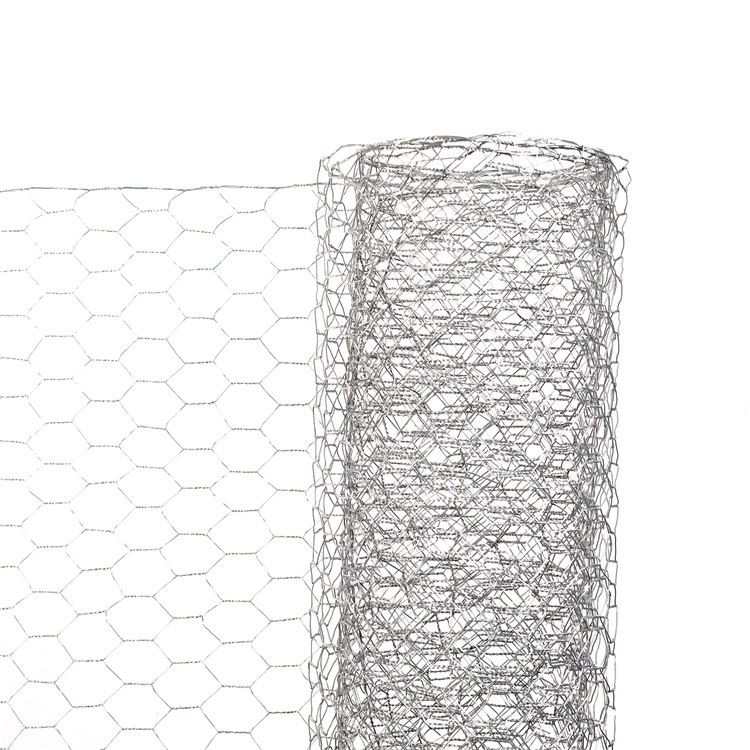
Simply put, a custom gabion mesh box is a cage-like container made of woven steel wire mesh, designed to be filled with stones, concrete, sand, or recycled material. "Custom" means the dimensions, mesh gauge, and sometimes the chemistry of the wire coating are adapted for the specific needs of a project. Unlike fixed-size, off-the-shelf alternatives, these boxes can be optimized for strength, flexibility, and longevity.
Essentially, gabions create solid barriers while retaining permeability, allowing water to flow through without causing erosion. This makes them indispensable not just in construction but also in ecological restoration, riverbank stabilization, and even military fortifications. Their modularity means they can be stacked or shaped easily, suiting everything from small garden walls to massive retaining walls in infrastructure projects.
Key Factors in Custom Gabion Mesh Boxes
1. Durability & Corrosion Resistance
Perhaps most critical is the wire's coating. Hot-dipped galvanized steel wire, sometimes combined with PVC or polymer coatings, protects against rust and extends product life beyond 50 years in harsh settings. Oddly enough, some manufacturers have developed UV-resistant coatings to deal with prolonged sunlight exposure.
2. Mesh Size and Wire Gauge
Adjusting the mesh aperture (e.g., 50 mm, 75 mm) and wire thickness affects the gabion's strength and aesthetics. Thicker gauge wires withstand higher impact or seismic loads, while finer mesh may be used for more decorative or small-scale projects.
3. Fill Material Compatibility
While stones are the classic infill, recycled concrete, slag, or locally sourced materials can be used—helping reduce transportation costs and carbon footprint. It’s fascinating how some projects even integrate eco-conscious materials tailored for local ecosystems.
4. Structural Design & Modularity
Custom gabion mesh boxes can be engineered for various load conditions and shaped in irregular forms. Modular designs facilitate rapid onsite assembly and easy adjustments, which is especially valuable in disaster-prone or remote areas.
5. Cost Efficiency
Choices in wire coating, mesh configuration, and fill material directly affect project budgets. Manufacturers emphasize balancing upfront costs with long-term durability to maximize value.
Product Specifications at a Glance
| Specification | Typical Options |
|---|---|
| Dimensions | 0.5m x 0.5m x 1m up to 2m x 1m x 1m (custom sizes available) |
| Wire Gauge | 2.0 mm to 4.0 mm |
| Mesh Size | 50 mm, 75 mm, 100 mm apertures |
| Coating | Galvanized, Galfan, PVC-coated |
| Fill Material | Stone, recycled concrete, local aggregates |
Global Use Cases: Where Custom Gabion Mesh Boxes Make a Difference
To get a real sense of why these mesh boxes matter, consider hillside stabilization in Southeast Asia, where monsoons trigger landslides yearly. Engineers design custom gabion boxes specifically sized to suit unstable slopes, filled with local river stones, minimizing transport and environmental impact.
Meanwhile, in flood-prone Europe, gabion walls line rivers and canals to prevent bank erosion, their permeability reducing water pressure build-up unlike rigid concrete walls. Even the US Army Corps of Engineers deploys gabions for military fortification and temporary barriers.
In humanitarian sector projects, custom gabion mesh box solutions feature in post-disaster shelter rebuilding, enabling quick, adaptable, and durable retaining structures for temporary housing sites.
Advantages & Long-Term Value of Custom Gabion Mesh Boxes
- Cost-effectiveness: The modularity reduces labor and material waste.
- Sustainability: Potential to use local materials and low ecological footprint compared to concrete.
- Reliability: Longevity in harsh conditions with simple repairs.
- Safety & Dignity: Strong structures that protect people and communities.
- Innovation: Constant design improvements and material choices create better customized solutions.
Frankly, the emotional value here matters too—knowing structures can withstand the test of time while respecting nature fosters trust between engineers and community members involved.
Future Trends & Innovations in Gabion Technology
Emerging innovations include the use of high tensile galvanized wire alloys for ultraprecise engineering, and biodegradable coatings that degrade harmlessly over decades.
Some companies experiment with integrating sensors inside gabion boxes to monitor structural health digitally, supporting better risk management. Others push green building certifications by combining gabions with native vegetation, turning infrastructure into living ecosystems.
Challenges & Solutions in Deployment
One common hurdle is the sourcing of suitable fill materials locally, especially in urban or barren zones. Innovative solutions involve custom blends of recycled industrial waste or lightweight materials for ease of transport.
Also, incorrect installation can impair structural integrity. Training and collaborative partnerships with local engineers ensure proper assembly and maintenance protocols are followed.
Vendor Comparison: Selecting the Right Supplier for Custom Gabion Mesh Box
| Feature | FiveStar Metals | Competitor A | Competitor B |
|---|---|---|---|
| Customization Options | Full size, mesh, coating, fill specs | Limited sizes and coatings | Standard dimensions only |
| Material Quality | Galvanized + PVC enhanced | Galvanized steel | Basic galvanized |
| Lead Time | 2–3 weeks typical | 4–6 weeks | 3–4 weeks |
| Global Shipping | Worldwide, with expert packing | Regional only | Limited international |
| Price Range | $$$ (premium quality) | $$ | $ |
FAQ: Frequently Asked Questions About Custom Gabion Mesh Box
- Q1: What materials work best to fill custom gabion mesh boxes?
- A1: While natural stone remains the standard due to weight and stability, many projects successfully use recycled concrete or other local materials. The key is selecting fill that fits securely without damaging the mesh.
- Q2: How long do custom gabion mesh boxes last in harsh climates?
- A2: Properly coated and installed, these boxes can last 50 years or more—even in marine or earthquake-prone environments—thanks to high-quality galvanization and polymer coatings.
- Q3: Can they be adapted for quickly changing project requirements?
- A3: Absolutely. Modular design means sections can be added or reshaped on-site to meet evolving engineering challenges or unforeseen ground conditions.
- Q4: Are custom gabion mesh boxes environmentally sustainable?
- A4: Yes. Their reliance on natural or recycled fill, permeability, and long lifespan reduce environmental footprint compared to concrete or asphalt solutions.
- Q5: How do I source these boxes internationally?
- A5: Many companies, including FiveStar Metals, provide global shipping and customs support, easing overseas import for NGOs and corporations.
Conclusion: Durable, Adaptable, and Sustainable — The Future with Custom Gabion Mesh Box
In sum, the humble yet versatile custom gabion mesh box stands as a testament to how thoughtful engineering meets real-world needs globally. Its combination of durability, customization, and ecological benefits enables it to address challenges from disaster resilience to infrastructure longevity.
For anyone looking to explore robust, long-lasting physical barriers that blend technical innovation with environmental consciousness, custom gabion mesh boxes should certainly be on your radar. To discover more specifications or speak with experts, visit FiveStar Metals—your trusted partner in custom mesh solutions.
Oddly enough, it feels like gabions are quietly revolutionizing how we think about infrastructure, nature, and resilience. Not flashy, but endlessly practical.
References:


-
Canton Fair 2026-4 in Guangzhou,China
NewsApr.24,2027
-
High Quality Common Nails 1212 for Construction Projects
NewsApr.16,2026
-
The 139th Canton Fair
NewsApr.14,2026
-
Guide to Using Galvanised Common Round Nails for Durable Construction
NewsApr.09,2026
-
Comprehensive Guide to Flat Head Common Nails for Construction Projects
NewsApr.07,2026
-
Understanding the Versatility of the Common Nail 5 5 for Various Applications
NewsApr.04,2026