Comprehensive Guide to Zinc Coated Gabion Box Wire Mesh — Durability and Global Applications
Understanding Zinc Coated Gabion Box Wire Mesh: A Global Perspective
When you first hear zinc coated gabion box wire mesh, it might sound like a niche industrial product, but frankly, it’s an unsung hero across multiple sectors worldwide. From stabilizing slopes in mountainous countries to reinforcing flood barriers in urban areas, its importance is hard to overstate. Globally, with rising climate incidents and growing infrastructure demands, understanding this product and its benefits has become more critical than ever.
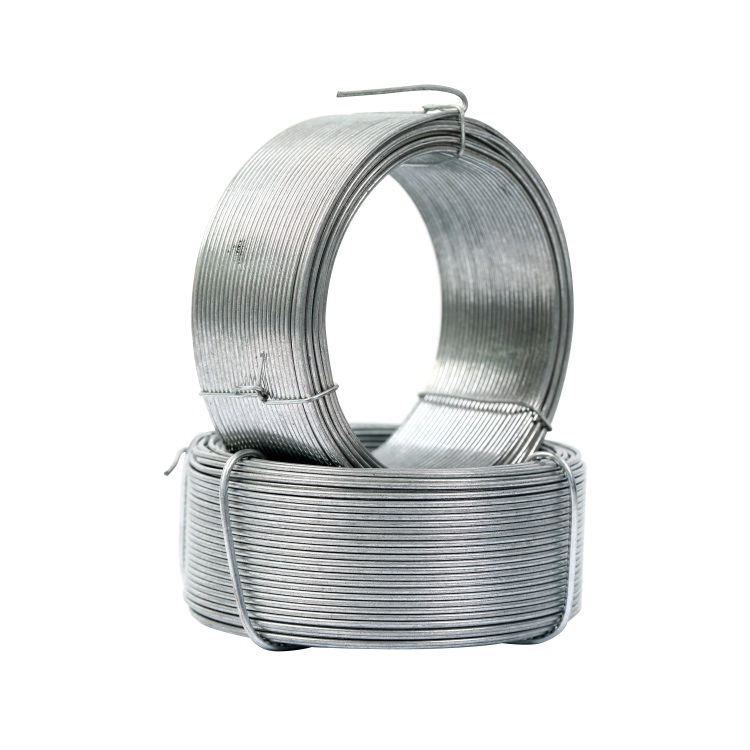
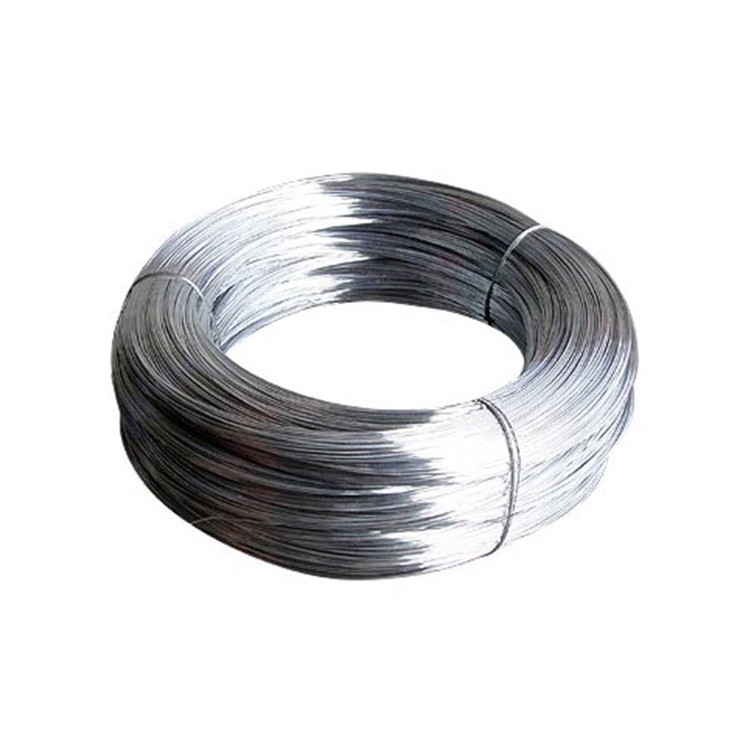
What makes zinc coated gabion box wire mesh particularly compelling is not just its versatility but also the subtle engineering behind it – zinc coating for rust resistance, sturdy wire mesh for stability, and the design of the gabion box itself to hold soils or rocks effectively. It’s also surprisingly eco-friendly, often used to restore natural environments instead of relying on concrete.
Mini takeaway: Zinc coated gabion box wire mesh is a foundational product underpinning many global infrastructure and environmental projects, combining durability with sustainability.
Global Industry Context
The global construction and civil engineering market is ever-evolving. According to a recent report by the United Nations, infrastructure resilience is paramount, especially in regions vulnerable to flooding and landslides. The deployment of zinc coated gabion box wire mesh responds directly to these challenges because it offers a flexible, durable, and cost-effective solution.
Consider the landslide-prone Himalayas or coastal zones in Southeast Asia where heavy seasonal rains wreak havoc annually. Governments, NGOs, and private contractors increasingly favor gabion mesh solutions for erosion control. This is not just about safety – there’s a bigger picture of sustainable development goals (UN SDGs) at play, which zinc coated gabion wire mesh supports.
Mini takeaway: The rise in climate-related infrastructure challenges worldwide drives demand for tried-and-tested solutions like zinc coated gabion box wire mesh.
What Is Zinc Coated Gabion Box Wire Mesh?
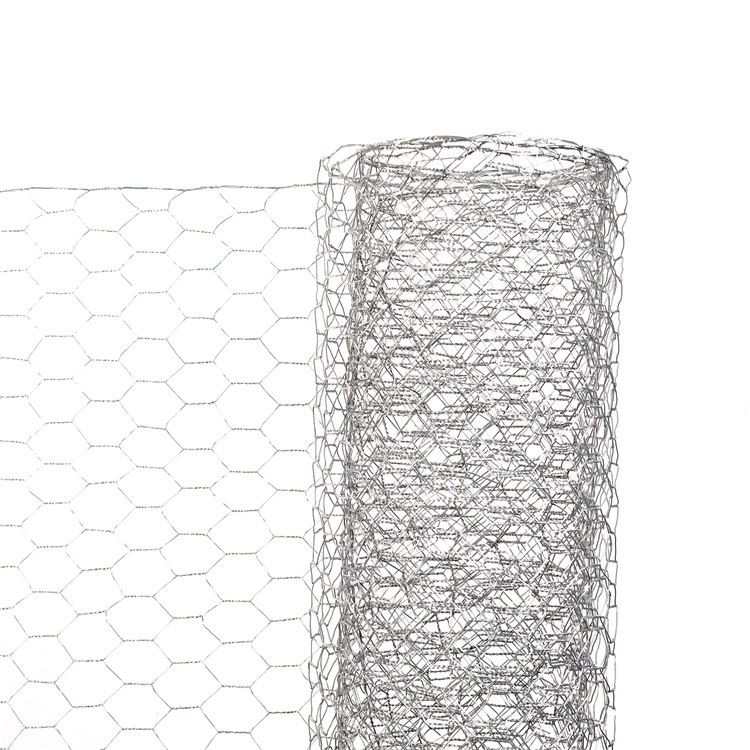
Simply put, a gabion box is a wire mesh container filled with rock, stone, or sometimes recycled concrete. The “zinc coated” part means the steel wires are plated with zinc to prevent rusting – a crucial feature for outdoor and long-term applications. Think of it as a highly durable “cage” that stabilizes terrain or builds retaining walls and barriers.
These structures are widely used in construction, landscape design, civil engineering, and even humanitarian operations. Because they combine ruggedness with flexibility, zinc coated gabion box wire mesh addresses problems from soil erosion to flood control — things that literally keep communities safe.
Mini takeaway: Zinc coating enhances wire mesh durability, making gabion boxes an ideal choice for protective civil works and eco-friendly construction.
Core Components of Zinc Coated Gabion Box Wire Mesh
1. Durability and Corrosion Resistance
The zinc layer shields steel wires from oxidizing, which is essential in moist or saline environments. Without it, the wire would corrode – weakening the gabion and risking structural failure. Standards like ISO 1461 govern zinc coating thickness to guarantee long-lasting protection.
2. Scalability and Customization
Gabion boxes can be tailored to various sizes and shapes, whether it’s a small garden wall or a massive riverbank reinforcement. The wire mesh gauge and box dimensions can be adjusted based on project needs.
3. Cost Efficiency
Relative to poured concrete or masonry walls, gabion boxes are often cheaper, faster to deploy, and require less skilled labor. They also need minimal maintenance once installed.
4. Environmental Sustainability
Since gabions use natural or recycled filler materials and allow water passage, they reduce ecological impact compared to impermeable barriers.
5. Strength and Flexibility
While rigid enough to hold weight, gabion boxes adapt subtly to ground shifts, which is important in unstable areas.
| Property | Specification |
|---|---|
| Wire Diameter | 3.0 - 4.0 mm |
| Mesh Size | 75 x 75 mm (standard) |
| Zinc Coating Thickness | 275 g/m² (minimum) |
| Box Size Range | 1 x 1 x 1 m to 3 x 1 x 1 m |
| Tensile Strength | ≥ 450 N/mm² |
Mini takeaway: These technical properties ensure zinc coated gabion wire meshes resist environment stress and deliver versatile performance.
Global Applications & Real-World Use Cases
Deployments span continents and sectors. Countries in South Asia, for instance, rely on gabions for hillside erosion control. Nigerian infrastructure projects use them to reinforce highways and reduce flood impact. NGOs involved in disaster relief employ portable gabion box wire mesh for fast deployment of flood barriers or makeshift retaining walls.
Oddly enough, even urban designers use zinc coated gabion boxes for aesthetic landscaping by integrating them into benches or planters, blending function with form. This kind of multi-purpose use highlights just how flexible the product really is.
Industry giants like mining and energy companies also lean on gabion solutions when stabilizing tailings or as a low-impact boundary fencing alternative.
Vendor Comparison for Zinc Coated Gabion Box Wire Mesh
| Vendor | Coating Quality | Custom Sizes | Price (USD/m³) | Global Reach |
|---|---|---|---|---|
| FiveStar Metals | High (~300 g/m²) | Yes | $150 | Worldwide |
| Global Wireworks | Medium (~250 g/m²) | Limited | $130 | Asia-Pacific |
| EcoBuild Supplies | High (~280 g/m²) | Yes | $160 | Europe & Americas |
Advantages & Long-Term Value
Choosing zinc coated gabion box wire mesh is about investing in sustainability and resilience. Cost savings come not just from the initial price but from durability and low maintenance requirements. It’s also a trust-building product – local communities feel safer seeing sturdy, reliable flood defenses or erosion controls in place. I once visited a project in Nepal where engineers proudly remarked how these gabions helped prevent landslides that previously caused seasonal disasters.
Emotionally, there’s something reassuring about these wire mesh boxes filled with rocks — they’re “earthy,” almost elemental, but built on sophisticated engineering.
Future Trends & Innovations
Innovation around gabion technology is quietly advancing. New zinc alloy coatings with enhanced corrosion resistance, integration with geotextiles for better filtration, and pre-assembled modular units optimized by automation are becoming available. Some companies are exploring biodegradable fillers or solar-panel-integrated gabion walls for dual utility.
There’s also a growing emphasis on measuring lifecycle environmental impact aligned with ISO 14040 standards, which will push manufacturers toward greener practices.
Challenges & Expert Solutions
Naturally, using zinc coated gabion box wire mesh comes with demands: improper installation can compromise effectiveness, and zinc coating can eventually wear off in extremely harsh conditions. Furthermore, sourcing high-quality wire mesh consistently worldwide is challenging.
Experts recommend thorough site assessments before deployment and favor suppliers with transparent quality certifications. Innovations in powder coating and polymer coatings may offer alternatives in future to combat limitations of zinc alone.
FAQs About Zinc Coated Gabion Box Wire Mesh
- Q: How long does zinc coated gabion wire mesh typically last?
A: Under standard conditions, these meshes last 25 to 50 years thanks to their zinc coating, but lifespan depends on exposure and maintenance. - Q: Can gabion boxes be relocated after installation?
A: Although designed for permanence, smaller pre-filled gabions can be repositioned if needed; larger installations are usually fixed. - Q: Is zinc coating environmentally safe?
A: Zinc is considered relatively safe environmentally; the coating prevents steel corrosion, reducing pollution from rust over time. - Q: Are custom sizes available for specific projects?
A: Most reputable manufacturers, including FiveStar Metals, offer customized gabion sizes and wire gauges based on client needs. - Q: How quickly can gabion walls be constructed?
A: With proper preparation, gabion wall assembly is generally faster than concrete work, often completed within days, making it great for urgent stabilization needs.
Conclusion & Call to Action
Zinc coated gabion box wire mesh offers an impressive blend of durability, adaptability, and environmental compatibility that makes it indispensable in modern construction and environmental management worldwide. Its ability to address complex challenges—from erosion control to disaster defense—while supporting sustainability goals makes it a smart long-term investment.
Curious to see how it could fit your needs? Visit FiveStar Metals today for expert guidance and tailored solutions.
Oddly enough, sometimes the most unassuming products create the biggest impact...


-
Canton Fair 2026-4 in Guangzhou,China
NewsApr.24,2027
-
High Quality Common Nails 1212 for Construction Projects
NewsApr.16,2026
-
The 139th Canton Fair
NewsApr.14,2026
-
Guide to Using Galvanised Common Round Nails for Durable Construction
NewsApr.09,2026
-
Comprehensive Guide to Flat Head Common Nails for Construction Projects
NewsApr.07,2026
-
Understanding the Versatility of the Common Nail 5 5 for Various Applications
NewsApr.04,2026