Comprehensive Guide to Hexagonal Wire Mesh/Netting | Benefits & Applications
Hexagonal Wire Mesh/Netting: What It Is and Why It Matters Worldwide
Hexagonal wire mesh—or netting, as many call it—has quietly become a backbone in industries ranging from agriculture to humanitarian aid. If you pause and think about it, this simple but versatile mesh solves a surprisingly broad set of challenges globally. From securing soil and reinforcing buildings to wildlife protection and post-disaster shelter frameworks, its importance is nothing short of profound.
Understanding hexagonal wire mesh matters for businesses, relief organizations, and even infrastructure developers. The durability combined with cost-effectiveness makes it a no-nonsense solution in resource-scarce environments and high-tech applications alike. So, if you've ever found yourself wondering why this type of mesh is popping up everywhere, you're in the right place.
Why the World Needs Hexagonal Wire Mesh/Netting More Than Ever
Globally, the demand for sustainable, affordable, and reliable construction materials is on the rise. The UN estimates that by 2050, nearly 70% of the world population will live in urban areas (source: UN Habitat). This urban boom strains existing infrastructure and pushes the need for robust materials that can be deployed quickly with minimal environmental impact.
Hexagonal wire mesh/netting answers many challenges — erosion control in vulnerable agricultural lands, fast and flexible reinforcement for retaining walls, and even temporary fencing for disaster relief zones. According to ISO standards for wire mesh durability (ISO 71920), quality mesh extends service life dramatically, reducing replacements — a critical factor in fragile economies.
A common problem? Traditional fencing or reinforcement materials often lack flexibility and adaptability, or they come at a high cost. Hexagonal wire mesh is lightweight but resilient, making it easier to transport and install in difficult terrains worldwide.
Getting to Know Hexagonal Wire Mesh: Simply Said
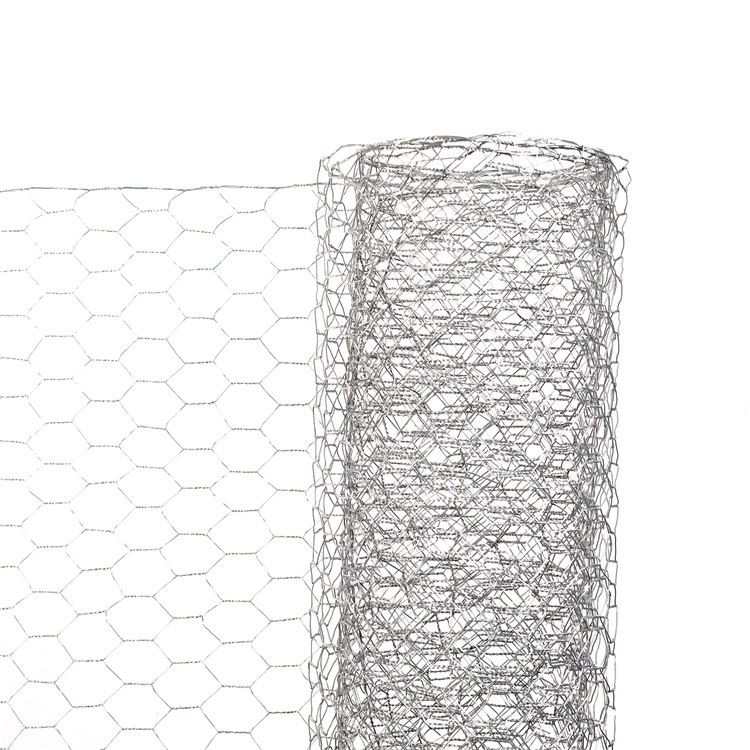
At its core, hexagonal wire mesh or netting is a type of woven wire formed into a repeating pattern of six-sided cells—imagine chicken wire but engineered for strength and multiple uses. The wires are typically galvanized to resist rust or coated with PVC for durability and color coding.
Why hexagonal? This shape distributes weight and stress evenly, offering flexibility without sacrificing strength. This is essential whether you’re stabilizing a slope or enclosing a large garden. Many industries rely on this mesh for its adaptability in various climates and environments — that’s part of why it’s so cherished in modern engineering.
Mini Takeaway:
Think of hexagonal wire mesh/netting as nature-inspired engineering: lightweight yet tough, inexpensive yet scalable—a true all-rounder.
Core Components That Make Hexagonal Wire Mesh Work
1. Durability
The galvanized coating (or PVC coating) protects against corrosion—a must when the mesh is exposed to moisture or chemicals. This makes the mesh last for years in harsh environments without losing integrity.
2. Versatility
From fencing livestock to reinforcing gabions and even erosion control, its design allows for modifications in mesh size and wire thickness to suit specific needs.
3. Cost Efficiency
Compared to welded wire fences or plastic alternatives, hexagonal wire mesh represents a smart investment for both short-term projects and long-term infrastructure.
4. Scalability & Transport
The rollable, flexible nature of hexagonal wire mesh means it can be shipped in compact forms and installed quickly on site, even in remote or disaster-hit areas.
5. Eco-Friendliness
It is either recyclable or long-lasting enough to reduce waste, meeting growing environmental standards (ISO 14001 and related certifications).
Mini Takeaway:
Combine these factors, and it’s no surprise that engineers and field workers swear by hexagonal wire mesh/netting as a go-to solution.
Where Does Hexagonal Wire Mesh Shine? Global Applications & Real-World Stories
In Europe, hexagonal wire mesh is essential in constructing gabion walls to prevent landslides in Alpine regions. In Asia and Africa, NGOs rely on this mesh to build quick enclosures around refugee camps that need durable yet portable fencing. Agriculture? Everywhere. Farmers use this mesh to protect crops and poultry.
One memorable example I recall is a group working in Nepal after an earthquake: the rapid deployment of hexagonal mesh helped stabilize slopes and formed cages for temporary shelter walls. The lightweight rolls were carried by porters high into the mountains, proving invaluable.
Industrial zones in Australia use this mesh for corrosion-resistant containment, especially near coastal areas. The mesh adapts – a feature many factories tell me makes budgeting easier.
In a Nutshell: Advantages & Long-Term Value
- Economic pluses: Low initial cost and minimal maintenance.
- Social impact: Enhances safety and dignity, especially in humanitarian settings.
- Reliability: Withstands weather extremes and mechanical stress over years.
- Innovation: Easily integrated with complementary materials, like geo-textiles.
On a personal note, it feels like this mesh is quietly underpinning many success stories — a trusted partner in demanding projects.
Product Specification Table
| Specification | Typical Range/Value | Notes |
|---|---|---|
| Mesh Opening Size | 10mm - 50mm | Adjusts based on application |
| Wire Diameter | 0.7mm - 2.5mm | Thicker wires for heavy duty |
| Material | Galvanized Steel / PVC Coated | Corrosion-resistant coating options |
| Roll Length | 10m - 50m | Flexible for transport |
| Weight per Roll | 10kg - 40kg | Depends on wire thickness and length |
Comparing Vendors: What to Look For When Choosing Suppliers
| Criteria | Vendor A | Vendor B | Vendor C |
|---|---|---|---|
| Quality Certification | ISO 9001 | ISO 14001 | ISO 9001 + 14001 |
| Customization Options | Limited | Moderate | Extensive |
| Geographic Reach | Global | Regional (Asia, Africa) | Global + Emerging Markets |
| Lead Time | 2-4 Weeks | 4-6 Weeks | 1-3 Weeks |
| Price Range | $$ | $ | $$$ |
Looking Ahead: The Future of Hexagonal Wire Mesh/Netting
Innovation never rests. One emerging trend is incorporating recycled steel into mesh production, supporting circular economy goals. Add to that, advancements in polymer coatings are improving mesh flexibility and UV resistance, perfect for outdoor applications.
Automation in manufacturing means faster, more precise meshes with less waste. Some vendors now combine digital design with traditional weaving, allowing fully customized dimensions delivered faster than ever.
Finally, with green construction codes becoming stricter worldwide, hexagonal wire mesh is fitting nicely into sustainability goals by reducing the carbon footprint of fencing and reinforcement projects.
Common Challenges—and How Experts Solve Them
Challenges do exist. Wire corrosion in saline environments can still cause premature wear despite coatings. Some lightweight meshes struggle with heavy load demands. Installation errors may compromise performance.
Luckily, expert installers recommend a few smart fixes: pre-treatment for coastal sites, selecting higher-gauge wire for heavy loads, and training installers on tensioning techniques. Also, mixing the mesh with complementary soil stabilization materials maximizes efficacy.
FAQs: Getting Practical About Hexagonal Wire Mesh/Netting
Q1: What are the typical mesh sizes available for agricultural fencing?
A: The most common hexagonal netting opening ranges from 10mm (for small birds) to 50mm (for larger livestock). Wire diameters vary accordingly to balance flexibility and strength.
Q2: Is hexagonal wire mesh suitable for seaside construction?
A: Yes, if galvanized or PVC-coated properly. However, coastal environments require enhanced protection to prevent accelerated corrosion.
Q3: How do I import hexagonal wire mesh/netting for a relief project?
A: Work with vendors experienced in export logistics. Check customs regulations early and consider roll packaging options to minimize freight volume.
Q4: Can hexagonal wire mesh be reused after demolition?
A: Generally yes — durability allows reuse, especially when mesh remains undamaged during removal. Recycling is also possible thanks to steel content.
Q5: How long does quality mesh usually last outdoors?
A: With proper coating and maintenance, expect 10–15 years or more depending on environmental conditions.
Wrapping Up: Why Hexagonal Wire Mesh Remains a Top Choice
From the tiniest farm to the largest urban project, hexagonal wire mesh/netting keeps proving its value. Cost-effective, flexible, and surprisingly strong, it’s no wonder so many sectors trust this material.
If you’re curious to learn more or ready to source top-quality mesh for your needs, I suggest visiting hexagonal wire mesh/netting providers. They offer tailored solutions suited for almost any project—big or small.
Mini Takeaway:
Hexagonal wire mesh/netting isn’t just a product; it’s an adaptable tool for building sustainable futures.
References


-
Canton Fair 2026-4 in Guangzhou,China
NewsApr.24,2027
-
High Quality Common Nails 1212 for Construction Projects
NewsApr.16,2026
-
The 139th Canton Fair
NewsApr.14,2026
-
Guide to Using Galvanised Common Round Nails for Durable Construction
NewsApr.09,2026
-
Comprehensive Guide to Flat Head Common Nails for Construction Projects
NewsApr.07,2026
-
Understanding the Versatility of the Common Nail 5 5 for Various Applications
NewsApr.04,2026