Chain Link Fence Solutions: Durable, Cost-Effective Security Worldwide
The Ups and Downs of Chain Link Fence: Why It Keeps Winning Globally
When you think of fencing solutions—whether for your backyard, a sprawling industrial complex, or urgent humanitarian projects—a chain link fence often comes top of mind. Its ubiquitous diamond-mesh design is hard to miss, yet its global significance is surprisingly understated. Beyond the modest steel wires lies a robust framework that provides security, flexibility, and cost-effectiveness worldwide. Understanding its multifaceted benefits—like durability and ease of installation—helps industries from agriculture to disaster relief deploy efficient perimeter controls swiftly and affordably.
Chain Link Fence in a Global Context: Why It Matters
Whether you glance at sprawling farms in the U.S., bustling construction sites in Mumbai, or refugee camps in Jordan, chain link fencing silently guards boundaries everywhere. According to the International Fence Industry Association, the global fencing market is expected to reach over $25 billion by 2027, growing steadily at around 5.5% annually. This growth underscores a critical challenge worldwide: how to create reliable, scalable perimeter protection that's both cost-efficient and adaptable. Many governments and NGOs face increasing pressure to secure fragile zones fast, safely, and sustainably. Here, the simple yet effective chain link fence emerges as a natural solution.
Mini takeaway:
A chain link fence isn't just a garden decoration—it's a global workhorse, ensuring security and safety across industries and continents.
What Exactly Is a Chain Link Fence?
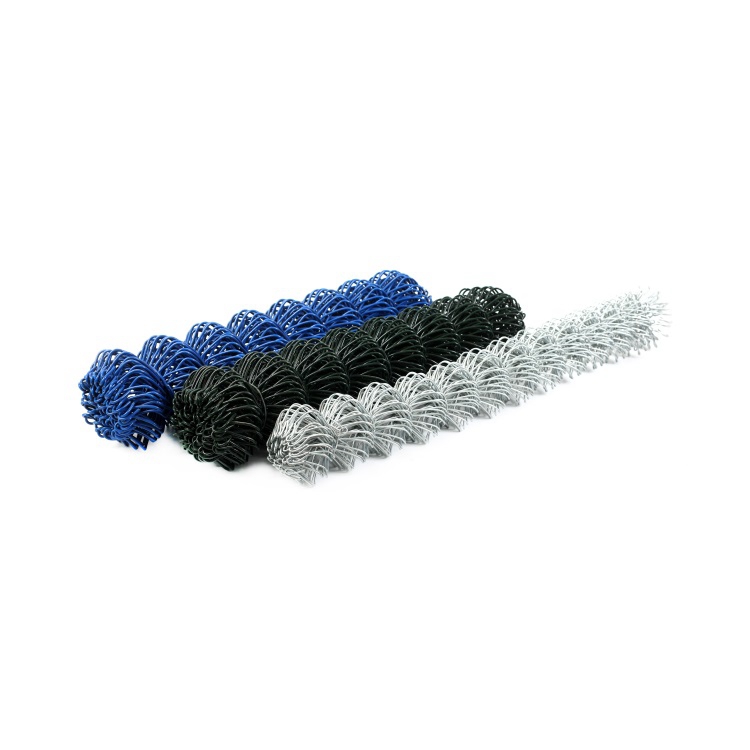
At its core, a chain link fence consists of woven steel wires forming a diamond-shaped mesh. This mesh is connected to sturdy steel or aluminum posts spaced periodically along the fence line. It's sometimes called a wire-mesh fence or galvanized wire fence, but the defining feature remains the interlocking links. Over time, coatings like zinc galvanization or vinyl paint protect the steel against corrosion, extending the fence's life in harsh environments. Its origins date back to the late 19th century, but today’s versions reflect decades of tweaks towards durability, cost savings, and easy installation.
Chain link fences aren't just fences. They represent a balancing act between function and affordability—something vital to industries as varied as mining, municipal infrastructure, and humanitarian aid, where fencing often needs to meet diverse needs in rugged conditions.
Mini takeaway:
Chain link fences blend simplicity with innovation, creating a fencing option that meets modern demands across sectors and geographies.
Core Components that Make Chain Link Fence Work
1. Durability and Corrosion Resistance
Most fences have to survive rain, ice, sun, and windstorms year after year. Chain link fences often feature galvanized or PVC-coated steel wire to resist rust. This extends their lifecycle beyond a decade in many cases, which engineers appreciate for long-term projects.
2. Scalability and Speed of Installation
Chain link systems come in modular rolls and prefabricated posts, letting crews erect hundreds of meters within days. For rapid deployment—think disaster relief zones or newly secured industrial sites—this speed is invaluable.
3. Cost Efficiency
Compared to solid walls or other fencing types, chain link fences typically cost about 40–60% less, factoring in materials and labor. This makes them a practical choice for large areas where budgets run thin but security can’t be compromised.
4. Visibility & Ventilation
Unlike solid barriers, chain link fences allow light and air flow, which benefits agricultural settings and reduces visual obstruction—helpful for surveillance, too.
5. Maintenance Simplicity
Cleaning or repairing a chain link fence is straightforward; individual damaged sections can be replaced without redoing the entire fence, which is a huge plus on constrained budgets.
| Specification | Details |
|---|---|
| Material | Galvanized steel wire, PVC coated variants also available |
| Mesh Sizes | Typically 1.5" to 2" diamond mesh |
| Post Types | Round steel tubing, square tubing, or pre-stressed concrete posts |
| Height Options | From 3 ft to over 12 ft, customizable |
| Coating Types | Hot-dip galvanized, vinyl-coated, powder-coated options |
| Typical Lifespan | 10–25 years, depending on environment and maintenance |
Mini takeaway:
From the wire to the post, each component is optimized for long-term reliability without soaring costs—a balance that’s tricky but essential.
Global Applications and Real-World Examples of Chain Link Fence
The global footprint of chain link fences is fascinating. Consider the following:
- Industrial Zones: In Southeast Asia, manufacturers use chain link fences to quickly secure sprawling factory perimeters against theft.
- Agriculture: Australian farms rely on fences to corral livestock efficiently while maintaining airflow and visibility.
- Disaster Relief: NGOs in Sub-Saharan Africa use easily transportable chain link fencing to establish protected zones in refugee camps, ensuring safe communal spaces.
- Urban Infrastructure: European cities install chain link fencing around construction sites, parks, and railways due to its transparent yet secure nature.
In fact, in recent post-hurricane recovery efforts in the Caribbean, chain link fences were deployed within days to demarcate hazard zones and protect supply storage areas. Speed matters when every hour counts, and the fence’s modular design was critical.
Mini takeaway:
From deserts to cities, chain link fence adapts—fast, affordable, and unpretentious.
Why Choose Chain Link Fence? The Advantages That Last
Logic and emotion meet in these fences. On the rational side, their cost-effectiveness and low maintenance require fewer resources long-term. From an emotional perspective, their reliability instills trust and security—a real feeling of safety that's hard to overstate.
- Cost-savings: Less upfront and upkeep cost than masonry or wood fence alternatives.
- Sustainability: Recyclable steel wires and posts reduce environmental impact.
- Security: Physical deterrent combined with visibility aids monitoring.
- Community Impact: Creating safe, delineated spaces that promote order and peace.
Many engineers argue that, especially in areas where budgets and timelines are tight, chain link fences offer the best bang for the buck in the fencing realm.
Innovations Shaping the Future of Chain Link Fence
Believe it or not, the chain link fence is quietly evolving. Several trends to note:
- Smart Security Integrations: Sensors and cameras can now clip onto fences, creating “smart perimeters” that alert owners of breaches.
- Eco-friendly Coatings: Advances in powder coatings derived from natural resins reduce environmental toxins and improve lifespan.
- Material Innovations: Composite and polymer-coated wires offer enhanced weather resistance in coastal or industrial areas.
It’s a neat reminder that even “old-school” products adapt and innovate as demand evolves and the planet nudges everyone toward sustainability.
Common Chain Link Fence Challenges and Smart Solutions
Of course, it’s not perfect. Some drawbacks include:
- Aesthetic Limitations: Sometimes perceived as utilitarian or industrial-looking.
- Corrosion Risks: In extremely salty or chemically polluted environments, even galvanized fences can rust.
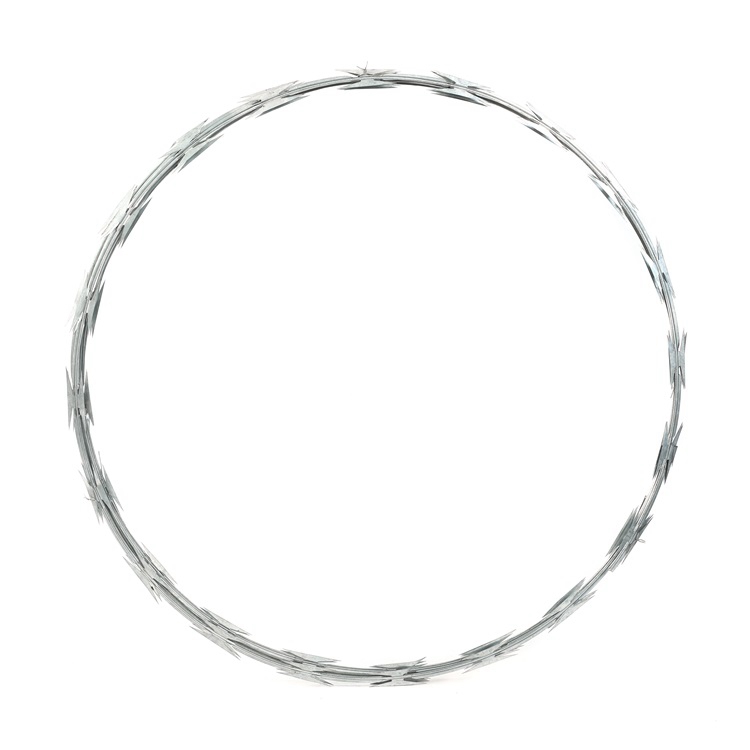
- Potential for Climbing: Without concertina wire or added deterrents, easy to scale.
Solutions adopted vary: vinyl coatings that add color and style, regularly scheduled touch-ups for harsh sites, or integrated anti-climb designs help mitigate these issues. Some architects creatively combine chain link fences with decorative plants or panels, softening their appearance.
FAQ: Your Chain Link Fence Questions, Answered
1. How long does a typical chain link fence last outdoors?
With typical galvanized coatings and basic maintenance, expect 10 to 25 years of reliable service. Harsh environments or lack of upkeep can shorten this, while premium coatings may extend it further.
2. Can chain link fences be customized for different security levels?
Absolutely. Mesh sizes, heights, post strength, and additional features like barbed wire, privacy slats, or electric detection systems can be tailored to your needs.
3. Are chain link fences environmentally friendly?
Steel is highly recyclable, and many coatings now utilize eco-conscious materials. While production has environmental footprints, the fence’s durability reduces frequent replacements and waste.
4. How fast can a chain link fence be installed?
Installation speed depends on length and terrain, but crews can typically erect hundreds of meters within a couple of days, making it a go-to for urgent security projects.
5. What maintenance is required for chain link fences?
Aside from occasional inspections for damage or rust spots, simply cleaning off debris and repairing bent wires ensures longevity and visual appeal.
Vendor Comparison: Choosing Your Chain Link Fence Partner
| Feature | Vendor A | Vendor B | Vendor C |
|---|---|---|---|
| Material Quality | Galvanized steel, 8-gauge | PVC-coated 9-gauge wire | Hot-dip galvanized, 7-gauge |
| Customization Options | Various heights, mesh sizes | Color coatings, privacy slats | High-security add-ons (e.g., electrification) |
| Typical Lead Time | 1–2 weeks | 3–4 weeks | 1 week (stock items) |
| Warranty | 10 years | 5 years | 15 years |
| Typical Use Cases | Commercial, industrial fencing | Residential, decorative fencing | High-security government and military |
The Last Word: Why Chain Link Fence Still Holds Its Ground
It’s odd how a humble mesh fence quietly shapes so many parts of our world without fanfare. Its combination of robustness, flexibility, and affordability provide a fencing solution that meets a diverse range of needs across the globe. From safeguarding livelihoods to enabling orderly commerce and community safety, chain link fences remain a stalwart in an ever-changing landscape. If you’re considering secure, scalable, and reliable fencing — well, you’re in the right place.
For more information or a quote tailored to your exact needs, don’t hesitate to visit our chain link fence page—we’re happy to help you find the perfect fit.
References


-
Canton Fair 2026-4 in Guangzhou,China
NewsApr.24,2027
-
High Quality Common Nails 1212 for Construction Projects
NewsApr.16,2026
-
The 139th Canton Fair
NewsApr.14,2026
-
Guide to Using Galvanised Common Round Nails for Durable Construction
NewsApr.09,2026
-
Comprehensive Guide to Flat Head Common Nails for Construction Projects
NewsApr.07,2026
-
Understanding the Versatility of the Common Nail 5 5 for Various Applications
NewsApr.04,2026