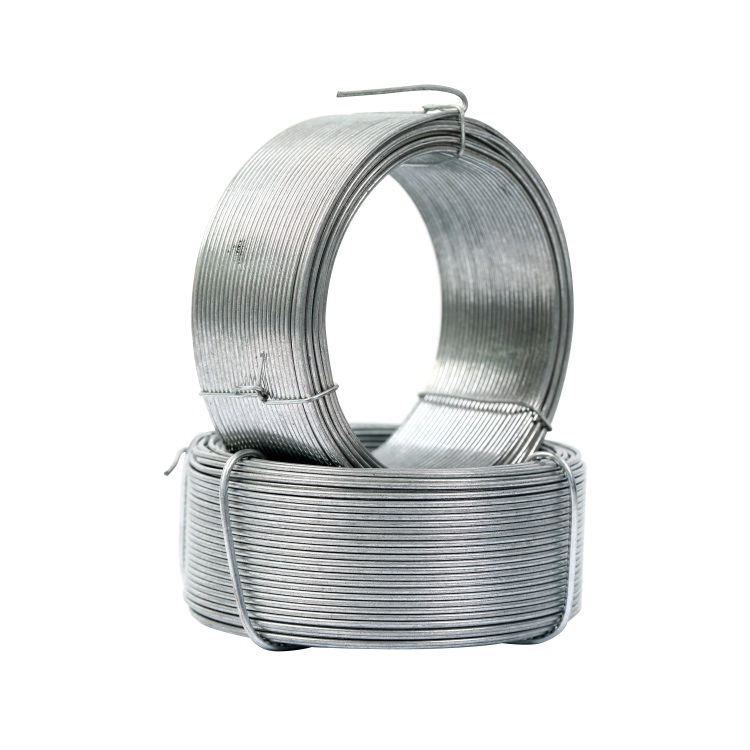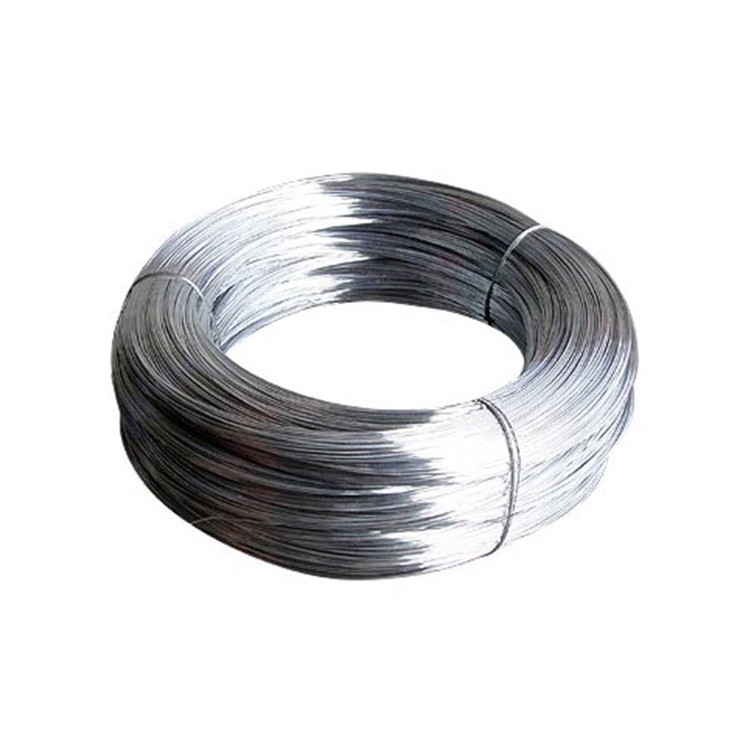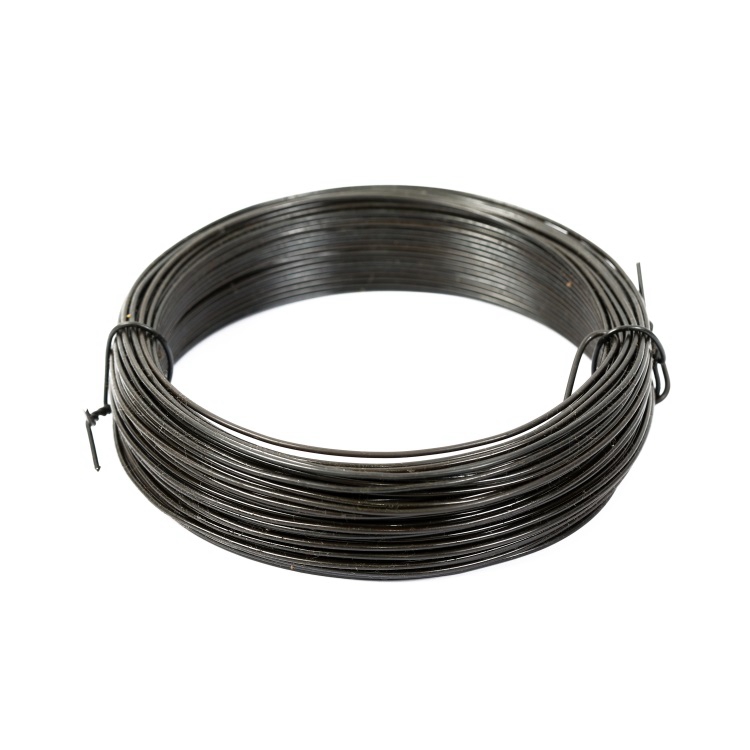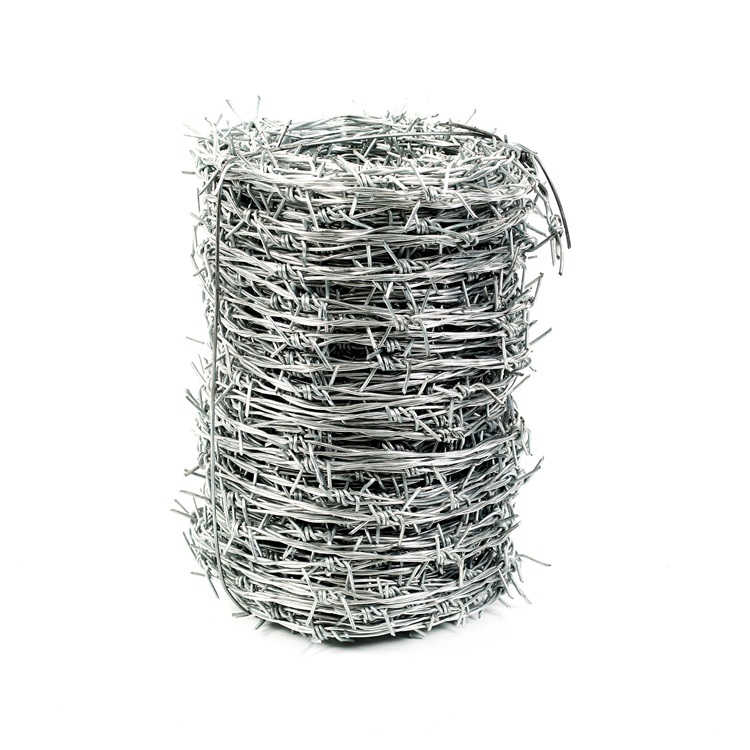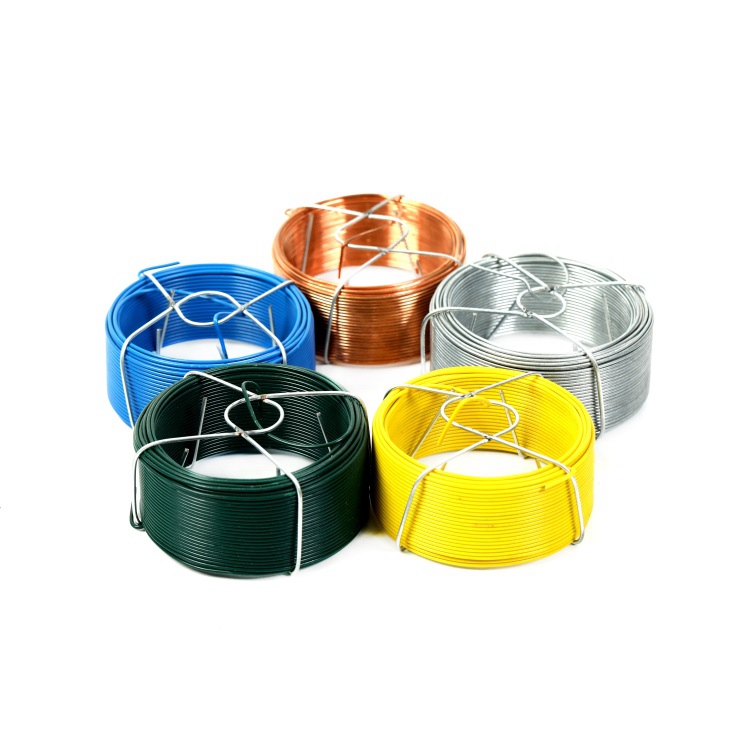
CE Certified Rebar Tie Wire Coils for Construction Applications and Safety Standards
Understanding CE Certification for Rebar Tie Wire Coils
In the construction industry, ensuring the safety and reliability of materials is paramount. One such material that plays a crucial role is rebar tie wire. This specialized wire is used to secure rebar in place, providing structural integrity to concrete structures. As the demand for quality and compliance rises, CE certification has become increasingly relevant for rebar tie wire coils.
What is CE Certification?
CE marking indicates that a product conforms to European safety, health, and environmental protection standards. It is a proof of compliance with the EU regulations and demonstrates that the product meets all the necessary requirements before it can be sold within the European Economic Area (EEA). The CE mark facilitates trade by allowing goods that meet these standards to move freely across member states.
Importance of CE Certification for Rebar Tie Wire Coils
The primary significance of obtaining CE certification for rebar tie wire coils lies in its role in ensuring safety and quality. Builders and contractors need to trust that the materials used in construction will perform as expected under various conditions. CE certification provides assurance that the rebar tie wire has been tested and meets the mandatory European standards for mechanical and physical properties.
ce certification rebar tie wire coil

Furthermore, CE certification can be a competitive advantage. With an increasing number of construction projects in Europe and beyond, clients prioritize suppliers that comply with regulatory standards. This certification can significantly enhance a manufacturer's credibility and open doors to international markets.
The Certification Process
The process to obtain CE certification involves several steps. Manufacturers must first establish that their rebar tie wire coils meet the specific harmonized European standards applicable to their products. This typically involves rigorous testing and quality control measures.
An independent notified body, recognized by the EU, is often required to evaluate the manufacturing processes and the product itself. This could involve factory audits, product testing, and a thorough review of technical documentation. Once everything is in order, the manufacturer can affix the CE mark to their products, signaling compliance.
Conclusion
In an era where safety and compliance are non-negotiable in construction, CE certification for rebar tie wire coils cannot be overlooked. It serves as both a standard of quality and a legal requirement for entering the European market. For manufacturers, investing in CE certification is not only about meeting regulations; it’s about building trust with clients and ensuring the longevity and safety of construction projects. As the industry continues to evolve, the emphasis on certified materials will likely grow, reflecting a broader commitment to quality and safety in construction.


-
Canton Fair 2026-4 in Guangzhou,China
NewsApr.24,2027
-
High Quality Common Nails 1212 for Construction Projects
NewsApr.16,2026
-
The 139th Canton Fair
NewsApr.14,2026
-
Guide to Using Galvanised Common Round Nails for Durable Construction
NewsApr.09,2026
-
Comprehensive Guide to Flat Head Common Nails for Construction Projects
NewsApr.07,2026
-
Understanding the Versatility of the Common Nail 5 5 for Various Applications
NewsApr.04,2026