Comprehensive Guide to the Cost of Gabion Baskets: Global Applications & Benefits
Understanding the Cost of Gabion Baskets: A Practical Guide
If you’ve ever wandered near a riverbank, highway embankment, or erosion-prone hillside, you’ve probably seen gabion baskets — those wire mesh cages filled with stones, stacked to make retaining walls or barriers that stabilize terrain. What many overlook is how the cost of gabion baskets significantly affects infrastructure projects across the globe. From flood control in Europe to roadworks in Africa, understanding their price and value is imperative for engineers, planners, and humanitarian organizations alike.
Gabion baskets aren’t just about rocks and wire; they represent a fine balance between durability, economy, and environmental impact. With changing climate scenarios and urban growth, the demand for effective erosion control and resilient infrastructure is increasing, making the cost dynamics behind gabion baskets even more relevant. Plus, they’re often the go-to in post-disaster zones, where affordable, fast-deploy solutions matter most.
Why the Cost of Gabion Baskets Matters Globally
Globally, erosion costs billions annually in damages and lost productivity, as reported by the United Nations Environment Programme (UNEP). Infrastructure failure, especially in fragile regions, can worsen crises. Gabion baskets offer a relatively low-cost, sustainable method to protect key assets. Yet costs vary depending on materials, transport, and processing — a challenge stakeholders face daily.
In real terms, project budgets hinge on choices about gabion specifications and suppliers. For instance, the World Bank notes that in developing countries, upfront material costs must be balanced against longevity and maintenance. Frankly, the “cost” metric isn’t just dollars on paper — it can signal social and environmental repercussions, too.
What Exactly Does “Cost of Gabion Baskets” Mean?
Put simply, the cost of gabion baskets reflects the total expenditure needed to procure, deliver, and assemble these wire cages filled with usually locally sourced stones. It includes:
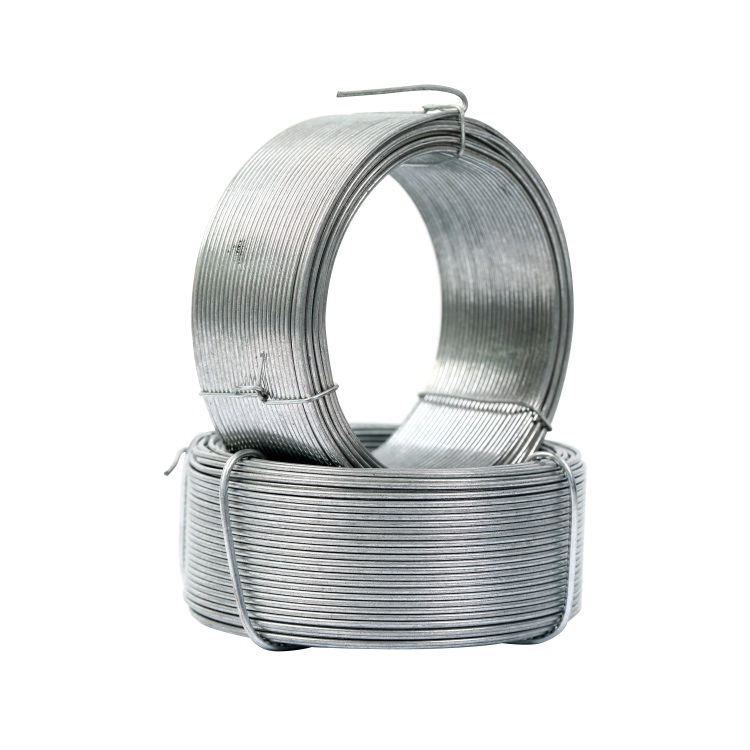
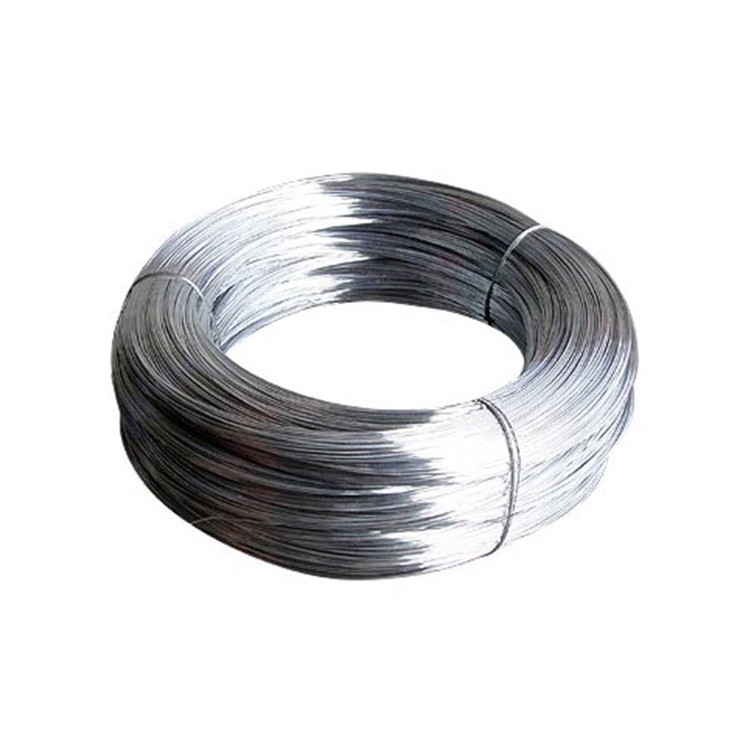
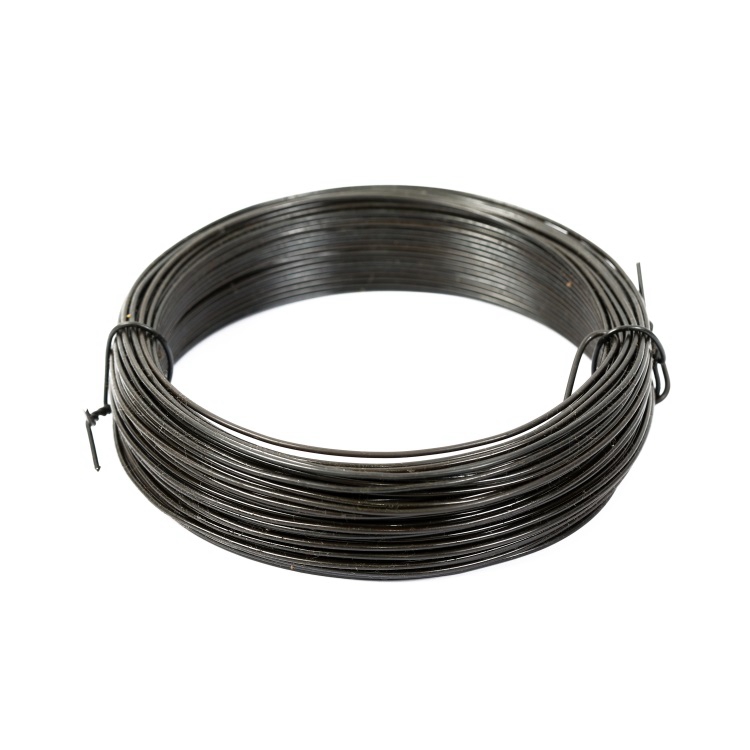
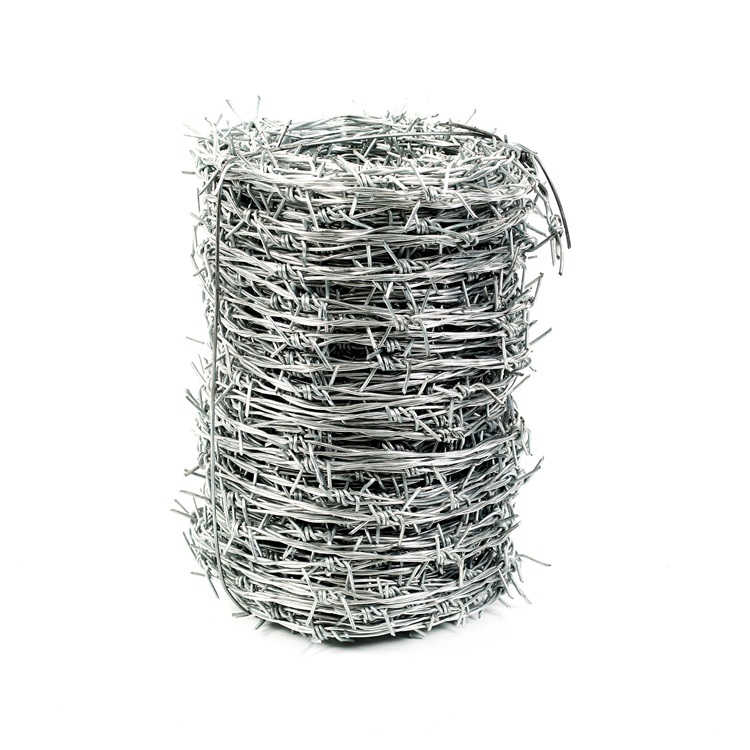
- Raw materials: galvanized steel wire, often PVC-coated for corrosion resistance
- Manufacturing: weaving mesh panels, assembling baskets
- Transportation: bulky, heavy items; distance impacts cost notably
- Labor: installation effort varies by terrain and accessibility
In broader humanitarian and industrial terms, this cost affects how quickly and sustainably communities can build flood defenses or repair eroded slopes. It intertwines with engineering standards and environmental sustainability efforts that modern projects strive toward.
Key Factors Influencing the Cost of Gabion Baskets
1. Durability and Material Quality
Not all gabion baskets are created equal. Galvanized and PVC-coated wires withstand corrosion for decades, essential in coastal or wet environments. While premium coatings add upfront cost, they reduce replacement and repair expenses — a tradeoff many engineers push for.
2. Size and Mesh Configuration
Basket dimensions and mesh size directly impact stone retention, weight, and ease of transport. Larger baskets reduce assembly time but are heavier and harder to ship. Finer mesh retains smaller stones but costs more in materials and labor.
3. Stone Sourcing and Fill Material
Typically, stones are locally sourced to cut transport costs. In some geographies, natural stone scarcity can spike overall project pricing. Oddly enough, the choice of fill can even influence the durability and aesthetics, making some projects more expensive.
4. Labor and Installation Complexity
Easy-to-access sites mean lower installation costs. But steep, unstable slopes or remote locations push expenses higher. Hence, labor availability and expertise locally shape the final cost.
5. Transportation Logistics
Because gabion baskets and stones are bulky, shipping logistics weigh heavily on cost. International projects often see big variations between suppliers based on shipping routes and tariffs.
Gabion Basket Product Specifications
| Specification | Typical Range | Notes |
|---|---|---|
| Wire Diameter | 2.0 - 4.5 mm | Thicker wires increase durability |
| Mesh Size | 50 x 100 mm (commonly) | Varies by stone size retained |
| Coating | Galvanized or PVC-coated | PVC extends lifespan |
| Basket Dimensions | 1x1x1 m (standard) | Custom sizes available |
| Weight (empty) | ~15-25 kg | Depends on wire gauge |
Mini takeaway: When you’re evaluating the cost of gabion baskets, it really helps to compare these product specs alongside pricing — because durability and installation ease can save money down the road.
Global Applications & Use Cases
Gabion baskets have found their way into projects worldwide. Across Asia, they've stabilized riverbanks vulnerable to monsoon flooding. In Europe, countries like Italy use them extensively to shore up hiking trails and road embankments. In the Americas, they’re common in landslide-prone mountainous areas.
One notable example is the 2019 floods in Mozambique, where local governments collaborated with NGOs to build quick gabion barriers — a cost-conscious, semi-permanent solution that withstood seasonal storms better than temporary sandbags. Similarly, mining operations in remote industrial zones in Australia rely on gabions for dust control and erosion management, where logistic cost considerations are critical.
Vendor Comparison: Gabion Basket Suppliers
| Supplier | Price per Basket (USD) | Material Quality | Lead Time | Remarks |
|---|---|---|---|---|
| FiveStar Metals | $18 - $25 | Galvanized, PVC Coating | 2-4 weeks | Strong warranty, international shipping |
| Global Gabions Inc. | $15 - $22 | Galvanized only | 3-6 weeks | Lower cost, less coating protection |
| EcoMesh Solutions | $20 - $28 | Galvanized with eco coating | 4-5 weeks | Focus on sustainable manufacturing |
Advantages & Long-Term Value of Gabion Basket Costs
Honestly, when you look beyond the sticker price, gabion baskets offer incredible value. Their low maintenance, resistance to weather damage, and ability to flex with soil movement reduce the risk of catastrophic failure. This translates to less frequent rebuilding, fewer safety incidents, and lower lifecycle costs.
Furthermore, they often use local materials for fill, positively impacting regional economies and reducing carbon footprints. There's a real emotional value here, too: communities feel safer knowing their homes and fields are protected with these tried-and-true solutions — reliable, visible, and long-lasting.
Future Trends & Innovations
Looking ahead, the gabion basket industry is not static. Biodegradable binder materials to replace steel wire could reduce environmental impact. Automation in manufacturing—robotic weaving of wire mesh—promises reducing human error and costs. And green policies worldwide increasingly favor suppliers who use recycled steel or eco-friendly coatings.
Digital monitoring embedded in gabion structures (using sensors) to track stress and erosion in real time is becoming a reality. Imagine proactive repairs before problems escalate, saving both money and lives.
Challenges & Solutions
Despite all these benefits, gabion baskets aren’t a silver bullet. Their bulkiness means shipping is expensive, especially in remote areas. Local availability of suitable stones can be a bottleneck, leading to suboptimal fill materials that reduce lifespan.
Experts recommend better project planning and supply chain collaboration to address these issues. For instance, modular, flat-pack gabion solutions can ease transport. Also, standards organizations like ISO continue to refine quality benchmarks for gabions, helping buyers ensure value for money.
FAQs About Cost of Gabion Baskets
- Q: What factors most influence the price of gabion baskets?
A: Material quality (wire gauge and coating), basket size, fill stone availability, and shipping logistics typically drive cost fluctuations. - Q: How long do gabion baskets last in harsh environments?
A: Galvanized PVC-coated baskets can last 50+ years in mild to moderate conditions; coastal or industrial sites may require more frequent maintenance. - Q: Can gabion baskets be customized for unusual terrain?
A: Absolutely. Suppliers offer varied basket sizes and mesh configurations to suit steep slopes, curves, or reinforced foundations. - Q: Are gabion baskets environmentally friendly?
A: Generally yes. They use mostly natural stone, require no concrete, and can be dismantled or repaired, making them a sustainable choice.
Conclusion: Investing Wisely in Gabion Baskets
Summing up, understanding the cost of gabion baskets isn’t just about comparing numbers. It’s about recognizing their pivotal role in resilient infrastructure and sustainable development worldwide. Whether you’re a civil engineer, project manager, or NGO worker, knowing the factors that shape these costs helps you make smarter decisions — balancing upfront investment against long-term safety, economy, and environmental stewardship.
To explore quality gabion basket options tailored to your needs, visit FiveStar Metals and discover competitive prices, expert advice, and reliable delivery services designed with your project success in mind.
Oddly enough, sometimes the smartest choice seems like putting a bunch of rocks in wire cages—but those cages may just hold the future of safe, affordable infrastructure.
Quick takeaway: Choosing the right gabion basket isn’t just about the lowest price—it’s about lifetime value, local context, and smart sourcing.
References
- United Nations Environment Programme (UNEP) - Erosion and land degradation reports
- World Bank Infrastructure and Environment Statistics
- ISO 10223-2:2012 - Steel wire mesh gabions and mattresses standards


-
Canton Fair 2026-4 in Guangzhou,China
NewsApr.24,2027
-
High Quality Common Nails 1212 for Construction Projects
NewsApr.16,2026
-
The 139th Canton Fair
NewsApr.14,2026
-
Guide to Using Galvanised Common Round Nails for Durable Construction
NewsApr.09,2026
-
Comprehensive Guide to Flat Head Common Nails for Construction Projects
NewsApr.07,2026
-
Understanding the Versatility of the Common Nail 5 5 for Various Applications
NewsApr.04,2026