Plastic Square Wire Mesh 2x2 – Durable & Versatile Industrial Mesh
Understanding Plastic Square Wire Mesh 2x2: Practical Insights from Industry Experience
Having spent more than a decade in the industrial equipment sector, I’ve seen a lot of materials come and go—steel, galvanized wire, stainless, woven fabrics, you name it. But one product that keeps popping up on job sites and in plant layouts is the plastic square wire mesh 2x2. It’s a deceptively simple product, yet so versatile that in certain applications, it quite literally makes or breaks the workflow.
Now, you might wonder why plastic mesh—even if square and measured precisely 2 by 2 inches (or roughly 50 by 50 mm)—is such a staple. Well, it’s all about balancing strength, flexibility, corrosion resistance, and cost. Oddly enough, in corrosive environments or wherever metal rusts too fast, this plastic alternative just feels like a breath of fresh air, pun intended.
What Is Plastic Square Wire Mesh 2x2?
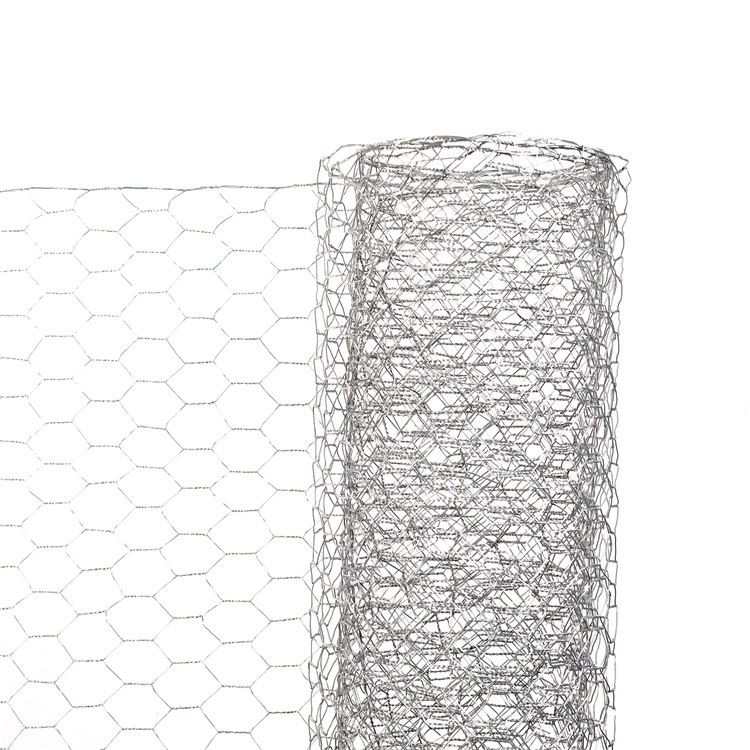
Put simply: it’s a grid made from plastic strands fused or woven into a square pattern spaced 2 inches on each side. Compared to traditional wire mesh, the plastic variant is lightweight and resistant to moisture and chemicals. If you’ve handled galvanized steel mesh, you’ll immediately notice the difference in heft.
In real terms, the plastic 2x2 mesh is widely used for fencing lightweight materials, creating cages (animal or industrial), erosion control, and batching trays where corrosion is a concern. The 2x2 inch configuration is a sweet spot offering decent opening size for good visibility and airflow while still maintaining enough structural integrity to support moderate loads.
Material & Design Characteristics
Most of the time, you’ll encounter plastic square wire mesh made from high-density polyethylene (HDPE) or polypropylene (PP). These are polymers prized for their toughness and UV resistance, which, frankly, means the product can last outside for years without brittle failure or color fading. And the manufacturing process—typically extrusion for strands followed by heat fusion into a mesh—ensures consistent quality and dimensional accuracy.
| Specification | Details |
|---|---|
| Mesh Size | 2 in x 2 in (50 mm x 50 mm) |
| Material | HDPE or Polypropylene |
| Color Options | Typically Black, Green, or Custom |
| Thickness | 2 - 5 mm (varies by vendor) |
| Roll Length | Typically 50 - 100 ft |
| UV Stabilized | Yes (usually) |
Comparing Vendors: What to Look For
From speaking with clients and even some of the engineers who specify these meshes, I’ve learned that not all suppliers are created equal. Quality control can vary, and while prices might be tempting, durability is often more important. Having checked out a few vendors myself—from local fabricators to big-name distributors—here’s an overview that might save you some headache:
| Vendor | Material Quality | Customization Options | Price | Lead Time |
|---|---|---|---|---|
| Five Star Metals | High-grade HDPE, UV stabilized | Custom sizes and colors | Moderate | 2-3 weeks |
| Local Fabricator A | Standard PP, limited UV protection | Limited | Lower | 1-2 weeks |
| Big Industrial Supplier | Good quality HDPE but minimal customization | No | Higher | 3+ weeks |
Real-World Use and Anecdotes
Let me share a quick story. A colleague of mine once oversaw a project where this 2x2 plastic mesh was used to cage sensitive instrumentation outdoors. The area was coastal, super humid with salty air. Metal cages corroded within months but the plastic mesh kept its form and color for years. It felt like a small victory in the endless battle against corrosion.
Also, many engineers say the mesh is surprisingly easy to handle. No need for gloves to avoid cuts, which — oddly enough — makes installation less stressful on-site. I suppose that matters when you consider tight schedules and varied weather conditions.
Conclusion: Is Plastic Square Wire Mesh 2x2 Right for You?
Honestly, if your project involves moderate load-bearing needs with exposure to moisture or chemicals, it’s worth considering. While it won’t fully replace steel where extreme hardness is needed, it complements it perfectly in certain niches. Personally, I appreciate how it balances economy and performance. The plastic square wire mesh 2x2 just might be the unsung hero in your next project.
And if you’re looking for a reliable source, I can comfortably point you toward Five Star Metals. Their consistency and custom options made my last job much easier.
Stay curious, keep testing materials, and always double-check specs. You never know when a little mesh could save your bacon.
References:
1. Industry material guides, Polymer Institute, 2022.
2. Field experience notes, Industrial Equipment Consultants, 2015-2024.
3. Technical datasheets, Five Star Metals, 2023.


-
Canton Fair 2026-4 in Guangzhou,China
NewsApr.24,2027
-
High Quality Common Nails 1212 for Construction Projects
NewsApr.16,2026
-
The 139th Canton Fair
NewsApr.14,2026
-
Guide to Using Galvanised Common Round Nails for Durable Construction
NewsApr.09,2026
-
Comprehensive Guide to Flat Head Common Nails for Construction Projects
NewsApr.07,2026
-
Understanding the Versatility of the Common Nail 5 5 for Various Applications
NewsApr.04,2026