Durable and Sustainable Plastic Chain Link Fence Solutions for Modern Needs
Understanding Plastic Chain Link Fence: Why It Matters Today
At first glance, a plastic chain link fence might just seem like another type of barrier to keep folks or animals in or out. But, oddly enough, it’s much more than that — it’s a subtle game-changer in fencing technology globally. With increasing urbanization, environmental concerns, and demand for cost-effective, durable fencing solutions, plastic chain link fences have emerged as a versatile answer to several persistent challenges.
From construction sites to school yards, agricultural lands to humanitarian relief zones, these fences balance durability with sustainability in ways that steel or aluminum just can’t match. For industries, governments, and even NGOs, wrapping one’s head around their advantages can mean the difference between a temporary fix and a long-term solution.
plastic chain link fence solutions today are being rethought not just from a materials point of view but also in terms of lifecycle impact and deployment speed — factors increasingly crucial worldwide.
Plastic Chain Link Fence in a Global Context
Global infrastructure spending is projected to rise steadily — the UN estimates trillions in investment worldwide over the next decade — and security or perimeter protection is a major slice of that. But traditional metallic fences are notorious for rust, maintenance burdens, and environmental footprints.
According to recent ISO standards on sustainable construction materials, polymers with advanced stabilizers and UV resistance can drastically extend service life without heavy upkeep. It’s no surprise that plastic-based fences are gaining momentum, especially in regions exposed to harsh weather or corrosive environments.
Still, challenges remain: how do you ensure the plastic materials meet safety and strength requirements? How can industries rely on these fences for long-term projects when previously they thought plastics were too weak? This has spurred a wave of innovation in extrusion techniques, composite blends, and smart coatings.
Mini takeaway: Plastic chain link fences respond to real-world challenges on a global stage, marrying innovation with sustainability to meet rising security demands.
What Exactly Is a Plastic Chain Link Fence?
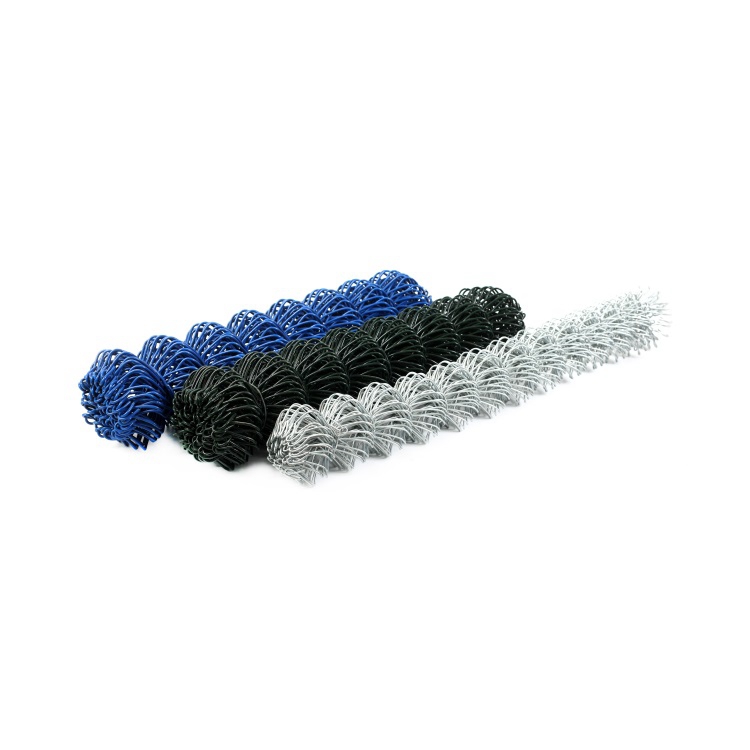
Simply put, a plastic chain link fence replaces traditional galvanized steel wires with strong polymer strands, often enhanced with UV inhibitors and other additives. These fences mimic the interlocking diamond pattern you recognize from classic chain link fencing, but the underlying material is a high-impact plastic, frequently polyethylene or PVC-based.
This difference affects more than surface appearance — it touches on corrosion resistance, weight, flexibility, and even the fence’s environmental footprint. Plastic fencing is lighter and often easier to install, which appeals especially to temporary or fast-deployment site fencing.
In industry or humanitarian contexts, this means quicker setups at disaster relief camps, less risk of injury during handling, and often lower transportation costs — all valuable when every minute or dollar counts.
Key Factors Behind Plastic Chain Link Fences
Durability
One might guess plastic would degrade quickly outdoors, but modern polymer technology challenges that assumption. Additives protect against UV, moisture, and temperature swings, giving these fences 10–15 years of reliable performance in most climates.
Cost Efficiency
Although initial material costs are sometimes higher than old-school metal, the lack of need for rust-proofing, repainting, or patch repairs pays off over time. Labor costs reduce as plastics weigh less and are easier to maneuver.
Flexibility & Scalability
Plastic fences can be manufactured in various thicknesses, panel sizes, or even colors. This adaptability makes them ideal for applications that range from urban parks up to industrial zones — and even sports fields.
Environmental Impact
Many manufacturers now use recycled plastics or blends that are fully recyclable at end-of-life. Compared to metal fences requiring mining and processing, this is a clear step toward greener infrastructure.
Safety & Aesthetics
Unlike rusted metal fencing, plastics don’t pose splinter or cut hazards and can come in neutral or vibrant colors — a small but not insignificant advantage in schools or playgrounds.
Maintenance
Simply rinse or wipe down to keep them clean. No sanding, repainting, or anti-rust sprays required.
Mini takeaway: The core features make plastic chain link fences attractive for anyone balancing practical needs with sustainable thinking and cost management.
Worldwide Use Cases Highlighting Real Impact
- Post-disaster relief: NGOs use plastic chain link fence for quick, safe, and clean camp demarcations in tropical zones — a lifesaver for speeding up shelter setups.
- Industrial zones in corrosive environments: Coastal factories benefit from plastic’s resistance to salt spray, extending fence life significantly.
- Agricultural applications: Farmers prefer plastic fencing around ponds and livestock areas because they don’t corrode like metal and remain visually unobtrusive.
- Urban playgrounds and schools: Colorful plastic mesh fences protect children safely, avoiding accidental cuts and rust allergies.
In Europe, especially Germany and Scandinavia, growing attention to sustainable public infrastructure fosters adoption of non-metal fencing solutions — a trend echoed in parts of North America, Australia, and Asia.
Advantages and Long-Term Value of Plastic Chain Link Fences
Beyond the concrete benefits already mentioned — less corrosion, lighter weight, easier installation — there’s an emotional side to consider. For example, in community projects, a safer fence means peace of mind and dignity for residents. No one wants to live behind a rusty, hazardous barricade.
From a business perspective, project managers love the predictability in maintenance budgets and the lower risk of premature fence failure — translating to fewer emergency repairs and lower downtime.
And public entities value how a well-chosen fence can visually integrate into green spaces or schoolyards, making public areas feel inviting rather than prison-like.
| Specification | Typical Values |
|---|---|
| Material Type | High-density polyethylene (HDPE) or PVC blend |
| Mesh Size | 1.5" to 2" diamond openings |
| Wire Thickness | 3.0 - 5.0 mm |
| Standard Colors | Black, green, gray, custom on request |
| UV Resistance | Up to 10 years under normal conditions |
| Weight | Approx. 40% lighter than steel equivalents |
Looking Ahead: Innovations in Plastic Chain Link Fencing
What’s next for plastic fences? Well, it feels like we’re on the cusp of a few exciting developments:
- Smart fencing: Embedding sensors for intrusion detection or environmental monitoring.
- Bio-based polymers: Moving beyond petroleum-derived plastics toward biodegradable or fully circular materials.
- Integrated solar elements: Imagine a fence panel that doubles as low-profile solar collector powering nearby lighting or cameras.
- Modular designs: Faster assembly and disassembly with snap-fit components and less fasteners.
Industries are also pushing toward more stringent standards for fire resistance and chemical exposure, which is prompting manufacturers to innovate faster.
Common Challenges and How to Overcome Them
Plastic chain link fences aren’t perfect. Some concerns often raised include:
- Perceived strength: Many people still associate "plastic" with fragility. Educating end-users on modern polymer strengths and test results helps.
- Temperature effects: Extremes in cold or heat can slightly affect flexibility, but proper additives minimize risks.
- Environmental microplastics: Responsible manufacturing and recycling practices are key — look for vendors with ISO 14001 certification.
- UV degradation over very long term: Warranty and projected lifespan disclosures help buyers set realistic expectations.
Adoption continues mainly where these facts are well communicated — and where installation crews are trained on handling differences compared to metal fencing.
Vendor Comparison: Plastic Chain Link Fence Providers
| Vendor | Material Quality | Customization Options | Sustainability | Typical Lead Time |
|---|---|---|---|---|
| Five Star Metals | HDPE with UV stabilizers | Custom colors & sizes | Recycled content & ISO14001 | 2–4 weeks |
| GreenFencing Co. | Bio-based polymer blend | Limited colors, modular panels | Certified biodegradable | 4–6 weeks |
| PolyFence Solutions | UV-resistant PVC | Standard sizes only | Low recyclability | 3 weeks |
Frequently Asked Questions About Plastic Chain Link Fence
Q1: How does plastic chain link fencing compare in strength with traditional steel fencing?
A: Modern plastic fencing uses high-density polymers with reinforcing additives, offering tensile strengths comparable to or sometimes exceeding mild steel. They maintain flexibility, which prevents cracking or permanent deformation, making them quite robust for most perimeter uses.
Q2: Can plastic chain link fences be recycled at the end of their service life?
A: Many manufacturers design fences with recycled content and ensure the product is recyclable. Customers should check for ISO 14001 certification and local recycling capabilities, but increasingly these fences fit circular economy models.
Q3: Are plastic fences suitable for all climates?
A: Yes, provided you select the correct grade and additives for your region. UV-inhibitors, anti-freeze additives, and other treatments make them durable from arctic conditions to tropical settings.
Q4: How quickly can a plastic chain link fence be installed compared to metal fencing?
A: Installation is typically 20–30% faster due to lighter weight and flexibility. This can be critical in emergency or temporary security scenarios.
Q5: Can these fences be customized for colors or branding?
A: Absolutely. Many vendors offer custom color matching and even branding integration, especially for commercial or institutional customers.
Conclusion: Why Plastic Chain Link Fence Is a Smart Choice
All said and done, plastic chain link fences aren’t just a trend — they’re a durable, versatile, and increasingly sustainable fencing option that answers many contemporary challenges. Whether you’re managing a growing urban park, an agricultural perimeter, or a post-disaster camp, you benefit from reduced maintenance, faster installs, and greener credentials.
Don’t just take my word for it — explore the plastic chain link fence options today and see how they might fit your project needs better than you expected.
After all, fences might be humble, but picking the right one can shape how safe, functional, and welcoming your spaces become.
References:


-
Canton Fair 2026-4 in Guangzhou,China
NewsApr.24,2027
-
High Quality Common Nails 1212 for Construction Projects
NewsApr.16,2026
-
The 139th Canton Fair
NewsApr.14,2026
-
Guide to Using Galvanised Common Round Nails for Durable Construction
NewsApr.09,2026
-
Comprehensive Guide to Flat Head Common Nails for Construction Projects
NewsApr.07,2026
-
Understanding the Versatility of the Common Nail 5 5 for Various Applications
NewsApr.04,2026