Comprehensive Guide to Hexagonal Gabions Wire Mesh for Sustainable Infrastructure
Understanding Hexagonal Gabions Wire Mesh: A Global Perspective
If you’ve ever wondered how we protect vulnerable hillsides from erosion or construct resilient retaining walls in challenging environments, the answer often involves hexagonal gabions wire mesh. These wire mesh cages, woven in a distinctive hexagonal pattern, have quietly become a cornerstone in civil engineering, environmental protection, and even humanitarian infrastructure worldwide.
Why does this matter on a global scale? Well, with increasing urbanization and climate change causing more unpredictable weather patterns—bringing floods, landslides, and coastal erosion—hexagonal gabions respond as affordable, flexible, and sustainable solutions. Understanding these products means appreciating how infrastructure can adapt to these challenges efficiently.
Global Relevance and Industry Context
Globally, the demand for sustainable and adaptable construction materials is rising swiftly. According to the International Organization for Standardization (ISO), erosion control and slope stabilization technologies are critical in maintaining infrastructure resilience, especially in rapidly developing regions.
Fast urban expansion in countries like China, India, and Brazil has contributed to a surge in the use of gabion structures, largely because of their ease of installation and robustness. The World Bank reports that natural disasters cause billions in damages yearly, highlighting a pressing need for cost-efficient yet durable solutions — which hexagonal gabions partially fulfill by preventing soil wastage and damage from floods.
Yet, many engineering teams cite traditional concrete or rigid retaining walls as heavy on resources and less adaptable to uneven terrain—this is where hexagonal gabions wire mesh stand out, offering a versatile alternative.
What Exactly Are Hexagonal Gabions Wire Mesh?
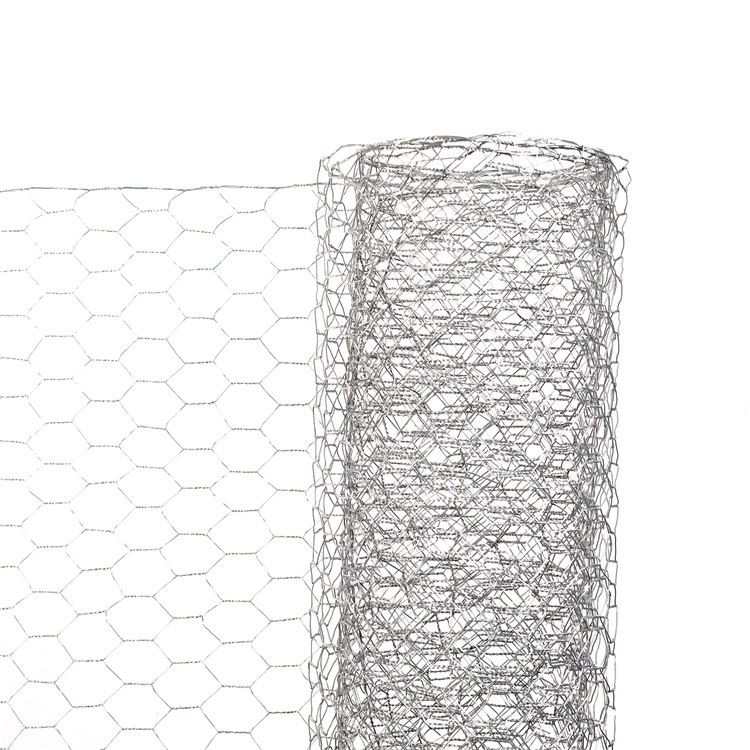
Simply put, hexagonal gabions wire mesh are wire cages made from steel wires twisted into hexagonal-shaped openings. These cages can be filled with rocks, concrete, soil, or even sand. Their hexagonal weave is not accidental—it adds superior flexibility and tensile strength compared to square or rectangular meshes.
In practice, these mesh cages are stacked or arranged to create barriers, walls, or containment systems that accommodate ground movements without cracking or breaking. They’re widely favored in civil engineering and environmental projects, and even in humanitarian contexts like rapid flood barrier construction, due to their modular nature.
Key Factors Behind Hexagonal Gabions Wire Mesh Effectiveness
1. Durability
These wire meshes typically use galvanized steel or PVC-coated steel, which resist corrosion from water, salts, and weathering agents. In coastal or high-rainfall areas, this proves crucial.
2. Flexibility & Adaptability
The distinctive hexagonal pattern permits gabions to adjust to shifting soils or settling foundations. This contrasts with rigid concrete walls that crack under pressure.
3. Cost Efficiency
Compared to poured concrete or steel sheet piling, gabions require less specialized labor and can be assembled onsite quickly, which cuts down both material and labor costs.
4. Environmental Friendliness
Due to their porous nature, gabions promote drainage and reduce soil erosion effectively. Plus, using local stones or recycled materials inside the cages supports sustainability.
5. Scalability
Whether it’s a small garden retaining wall or a kilometer-long flood defense system, gabions can be manufactured in modular units that adapt to virtually any size.
| Parameter | Typical Range/Value | Notes |
|---|---|---|
| Wire Diameter | 2.0 – 4.0 mm | Depends on target application strength |
| Mesh Opening Size | 60 x 80 mm (hexagonal) | Standard dimension widely used |
| Coating | PVC / Galvanized / Double Galvanized | Enhances corrosion resistance |
| Gabion Size | 1m x 1m x 1m (typical) | Modular units for scalability |
Global Applications & Use Cases
Taking real-world examples, in the mountainous terrains of Nepal, hexagonal gabions wire mesh are routinely used to stabilize trekking routes prone to landslides—where transporting heavy concrete would be impractical. In coastal Europe, many flood defense systems depend on these porous structures to minimize wave force impact while allowing natural water flow.
In post-disaster zones, NGOs often deploy gabions swiftly: they fill them with locally sourced stones, creating emergency retaining walls that can be upgraded later. Industrial mining sites in Australia use gabions extensively to reduce soil erosion in tailings dams — a particularly tricky challenge.
Advantages & Long-Term Value
Honestly, it’s not just about engineering specs and installation costs—there’s a deeper value here. Using hexagonal gabions increases the safety and dignity of communities vulnerable to natural disasters, enabling infrastructure that ‘breathes’ with the environment rather than fighting against it blindly. The longevity of galvanized gabions, often exceeding 50 years if maintained, means fewer replacements and less environmental disturbance.
Economically, many cities have witnessed lower repair costs after storms because of well-designed gabion flood defenses. Plus, their permeable nature reduces hydrostatic pressure buildup, a common cause of retaining wall failures elsewhere.
Future Trends & Innovations
The future looks exciting. Industry leaders are experimenting with bio-coatings that promote moss and plant growth on gabion surfaces, blending infrastructure into natural landscapes and enhancing ecological outcomes. Integration with digital sensors to monitor deformation or corrosion remotely is underway—kind of a smart gabion, if you like.
On materials, research into stainless steel alloys with enhanced durability and recycled wire content is pushing sustainability further. Also, automated assembly and robotic installation could soon reduce labor time significantly.
Challenges & Expert Solutions
That said, there are hurdles. Installation over very soft ground can cause settlement, and improper filling can weaken the structure. Some engineers note that in seismic zones, additional anchoring solutions are necessary.
Experts recommend thorough geotechnical analysis before design, and training onsite teams carefully to ensure proper mesh tensioning and infill material quality. New composite wire coatings, although pricier, offer promising resistance to harsh chemical environments.
| Vendor | Material Options | Customization | Typical Lead Time | Regional Focus |
|---|---|---|---|---|
| Five Star Metals | Galvanized, PVC-coated steel | Standard & tailored sizes | 2-4 weeks | Global |
| EcoMesh Solutions | Recycled steel, stainless | Highly customizable | 3-5 weeks | Europe, North America |
| WirePro International | PVC & Zinc coatings | Mostly standard sizes | 1-3 weeks | Asia-Pacific |
FAQ: Frequently Asked Questions About Hexagonal Gabions Wire Mesh
- How do hexagonal gabion wire meshes compare to other retaining wall options?
- Hexagonal gabions offer superior flexibility and drainage compared to rigid concrete walls, which makes them excellent for uneven or shifting soils. They’re also generally easier and cheaper to install and maintain over long periods.
- What coatings are best to prevent corrosion in coastal environments?
- Double galvanized wire or PVC-coated galvanized wire meshes are preferred for coastal areas since they resist saltwater corrosion more effectively, extending the lifespan of the gabions significantly.
- Can gabions be filled with materials other than stone?
- Yes, although stone is most common due to its weight and availability. Alternatives include recycled concrete, gravel, or even concrete mortar for enhanced stability. Selection usually depends on project requirements and local material availability.
- Are hexagonal gabions wire meshes recyclable?
- The steel wires are typically recyclable at end-of-life. The filled stones can be reused in landscaping or construction, reducing overall environmental impact when properly managed.
- Where can I find trusted hexagonal gabion wire mesh suppliers?
- You can explore reputable vendors such as Five Star Metals' hexagonal gabions wire mesh, who provide high-quality, customizable solutions with global distribution.
Conclusion: Why Hexagonal Gabions Wire Mesh Matter for Tomorrow’s Infrastructure
To wrap up, hexagonal gabions wire mesh offer a compelling blend of strength, flexibility, sustainability, and cost-effectiveness that few other materials can match. In the face of growing environmental challenges, they help build infrastructure that respects nature’s forces rather than resisting them blindly.
If you’re involved in civil engineering, construction, or environmental protection, or if you’re just curious about modern materials shaping our world, it’s well worth diving deeper into these versatile systems. For tailored solutions and detailed product info, visit our website: https://www.fivestar-metals.com.
Oddly enough, sometimes the simplest wire cage outperforms even the most complicated concrete wall. There’s something quietly brilliant about that.
— End of article —
References:


-
Canton Fair 2026-4 in Guangzhou,China
NewsApr.24,2027
-
High Quality Common Nails 1212 for Construction Projects
NewsApr.16,2026
-
The 139th Canton Fair
NewsApr.14,2026
-
Guide to Using Galvanised Common Round Nails for Durable Construction
NewsApr.09,2026
-
Comprehensive Guide to Flat Head Common Nails for Construction Projects
NewsApr.07,2026
-
Understanding the Versatility of the Common Nail 5 5 for Various Applications
NewsApr.04,2026