Durable & Affordable Chicken Mesh Wire Netting for Global Farming and Protection
Understanding Chicken Mesh Wire Netting: A Small Thing with Big Impact
If you’re not already familiar, chicken mesh wire netting might sound like just a humble, simple product — just some wire woven into a mesh pattern, right? Well, yes and no. While its design isn’t complicated, its applications stretch wide, touching everything from small-scale poultry farming to disaster relief and even ecological restoration projects around the globe. In a sense, it’s one of those unsung heroes of materials that quietly holds together communities, industries, and even ecosystems.
Why does it matter? Globally, the demand for affordable, durable fencing and containment solutions continues to grow. According to the FAO (Food and Agriculture Organization), small-scale farming represents nearly 80% of all farms worldwide. These farms often rely on chicken mesh wire nets to safely contain poultry and protect crops, boost livelihoods, and maintain food security. Curious how a simple mesh can be so pivotal? Let’s unravel the layers.
The Global Context: Why Chicken Mesh Wire Netting Keeps Finding Relevance
Across continents, chicken mesh wire netting plays a surprisingly vital role. In regions like Southeast Asia and Sub-Saharan Africa, expanding poultry farming is a key strategy to improve nutrition and income. The World Bank estimates that over 1.3 billion people rely on livestock as their main source of livelihood — much of which culturally depends on affordable fencing solutions. Chicken mesh wire netting steps in here to provide cost-effective protection from predators and theft, ensuring flocks thrive.
But it’s not just farms that benefit. Post-disaster recovery efforts by NGOs and governments use chicken mesh wire for quick, light, and scalable fencing needs — think temporary animal pens, debris barriers, or even reinforcing fragile structures. Problems like theft, wildlife intrusion, and property boundary disputes can be managed effectively.
So, wherever affordable, reliable containment is needed, this mesh finds its place — kind of like a backstage crew member in a complex theatre production, unseen but indispensable.
What Exactly Is Chicken Mesh Wire Netting?
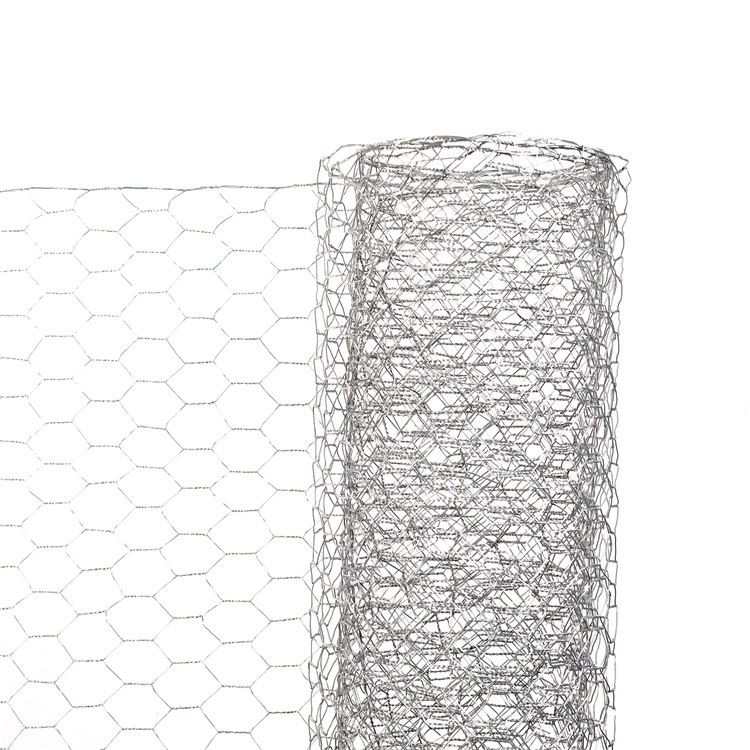
Simply put, chicken mesh wire netting consists of thin galvanized steel wires woven into hexagonal patterns, creating a flexible but sturdy mesh. The “chicken” in its name obviously harkens back to its primary use: fencing off poultry yards. But today, its uses have expanded — from gardening cages and insect screens to erosion control and construction reinforcement.
It connects closely to modern industry demands for lightweight, versatile materials that can be tailored easily on-site without heavy tools or machinery. Importantly — it offers a low-cost barrier solution that’s also reusable and recyclable, aligning nicely with sustainability principles gaining traction globally.
Mini Takeaway: A deceptively simple product, chicken mesh wire netting bridges traditional agriculture and modern humanitarian needs in an elegant way.
Core Components That Make It Work
Durability
Most chicken mesh wire netting you find is galvanized, meaning it’s coated with zinc to prevent rust and corrosion over time. This treatment is crucial in humid or rainy climates, keeping the mesh functional for years despite rough conditions. Durability also means fewer replacements — a major plus for small farmers watching pennies.
Flexibility & Scalability
One of the remarkable things about this wire mesh is how easy it is to manipulate. It bends and cuts with ordinary wire cutters, making it adaptable for various uses without specialized equipment. Need a 10ft tall fence? Or a small chicken coop cage? It scales up or down instantly.
Cost Efficiency
Compared to solid fencing materials, chicken mesh wire netting is very affordable while still providing effective containment. This is especially important in developing regions where budgets are tight and supply chains can be unpredictable.
Environmental Compatibility
Since it’s mostly steel, the mesh can be recycled into new products at end-of-life. Plus, its lightweight nature reduces transportation emissions, especially when bulk shipped from manufacturing hubs.
Resistance to Damage
While flexible, the mesh still offers good resistance to animal gnawing and clawing. It’s not impervious, but it strikes a balance between toughness and manageability that’s hard to beat.
Mini Takeaway: The blend of durability, flexibility, cost, and environmental friendliness explains why chicken mesh wire netting stays popular everywhere.
How Chicken Mesh Wire Netting Is Used Worldwide
- Southeast Asia: Helps thousands of backyard farmers protect poultry flocks from prevalent predators like snakes and mongoose.
- Africa: Used in communal farming projects, including fencing for school gardens and agricultural training centers.
- Disaster Relief: NGOs in countries prone to floods or earthquakes employ the mesh for quick fencing to demarcate safe zones or protect livestock.
- Urban Gardening: Locally grown vegetables in city allotments are often protected by this mesh from urban wildlife and pets.
One case I stumbled upon was in Nepal, where after the 2015 earthquake, relief workers used chicken mesh wire netting to support collapsing retaining walls and prevent further soil erosion. Quite a creative use beyond its usual scope.
Spec Sheet: Typical Chicken Mesh Wire Netting Characteristics
| Specification | Details |
|---|---|
| Wire Gauge | 19 to 22 gauge (approx. 0.9 - 1.2 mm) |
| Mesh Size | Typically 1/2 inch to 1 inch hexagonal openings |
| Roll Length | 50-100 feet per roll |
| Coating | Galvanized zinc; occasionally PVC coated |
| Typical Uses | Poultry fencing, garden protection, erosion control, temporary barriers |
Comparing Key Vendors of Chicken Mesh Wire Netting
| Vendor | Material Quality | Price Range | Customization Options | Availability |
|---|---|---|---|---|
| Five Star Metals | High-quality galvanized steel | $$$ (value for money) | Custom mesh sizes, coating options | Worldwide shipping |
| Global Wire Co. | Standard galvanized | $$ (budget friendly) | Limited | Regional only |
| EcoMesh Ltd. | Eco-friendly PVC coated | $$$$ (premium) | Wide (color, gauge, mesh) | Global, select distributors |
Why Choose Chicken Mesh Wire Netting? The Practical (and Emotional) Benefits
- Cost savings: Durable for years, reducing replacement costs and saving money in the long haul.
- Easy installation: You don’t need a construction crew or fancy equipment. Many say it's as simple as “unroll and fix.”
- Environmental impact: Reusable, recyclable, and lighter on transport fuel, improving your green credentials.
- Community safety: Provides peace of mind to small farmers and urban gardeners alike, protecting their livelihoods and food sources.
- Innovative versatility: Used in creative ways from erosion control to wildlife protection, it keeps advancing.
Emerging Trends in Chicken Mesh Wire Netting
Progress isn’t standing still. We’re seeing new formulations that boost corrosion resistance without heavy metals and even blends with biodegradable coatings. Automation and digital fabrication techniques let customization happen right at the manufacturers — meaning more tailored meshes for odd shapes and sizes. On the policy front, sustainable sourcing and worker safety regulations are pushing factories to revamp processes for better community impact.
Challenges—and How Experts Are Tackling Them
Sure, chicken mesh wire netting isn’t perfect. It can be vulnerable to rust if not properly coated or exposed for many years, and sometimes wildlife can eventually breach weaker spots. Some areas struggle with inconsistent quality, making durability an issue.
Leading vendors respond with improved zinc coating standards, thicker wire options, and detailed installation guides. Training local users on maintenance and repair also helps prolong lifespan. It feels like a balancing act between ideal durability and affordable access— but one that’s gradually being achieved.
FAQ: Common Questions About Chicken Mesh Wire Netting
- Q: How long does chicken mesh wire netting typically last outdoors?
A: Most galvanized mesh nets last between 5 to 15 years depending on climate and maintenance. Coastal or high humidity areas may see shorter lifespans unless enhanced coatings are used. - Q: Can chicken mesh wire netting be reused or recycled?
A: Absolutely. Steel mesh is highly recyclable, and many users repurpose old mesh for garden trellises or crafts before recycling. - Q: Is chicken mesh wire netting suitable for large-scale commercial poultry farms?
A: It can be, especially for perimeter fencing and small pen construction. Larger farms might combine it with sturdier fencing elements for full containment. - Q: Are there eco-friendly coating options available?
A: Yes. Several suppliers now offer PVC or polymer coatings that are less toxic and more environmentally sustainable compared to traditional galvanization. - Q: How can NGOs import chicken mesh wire netting effectively?
A: It’s best to partner with established vendors like Five Star Metals, who offer global shipping and comply with international trade regulations, simplifying customs clearance.
Final Thoughts: Why Chicken Mesh Wire Netting Remains a Global Staple
Reflecting on all this, chicken mesh wire netting might seem like just “wire on a roll.” But it carries a lot of weight—literally and figuratively—for global health, agriculture, and community resilience. It’s a small investment with lasting dividends: securing livelihoods, enhancing food security, and enabling adaptive solutions worldwide.
For anyone involved in agriculture, construction, or humanitarian work, keeping a reliable stock of this mesh is almost a no-brainer — affordable, durable, and surprisingly versatile.
Interested in learning more or sourcing your own supply? Visit Five Star Metals for expert guidance and quality products tailored to your needs.
References


-
Canton Fair 2026-4 in Guangzhou,China
NewsApr.24,2027
-
High Quality Common Nails 1212 for Construction Projects
NewsApr.16,2026
-
The 139th Canton Fair
NewsApr.14,2026
-
Guide to Using Galvanised Common Round Nails for Durable Construction
NewsApr.09,2026
-
Comprehensive Guide to Flat Head Common Nails for Construction Projects
NewsApr.07,2026
-
Understanding the Versatility of the Common Nail 5 5 for Various Applications
NewsApr.04,2026