Comprehensive Guide to Flat Head Common Nails for Construction Projects
Understanding Flat Head Common Nails for Your Construction Needs
When undertaking any construction or woodworking project, selecting the right type of nail is crucial for ensuring structural integrity and a professional finish. Flat head common nails are a staple in many toolboxes, known for their versatility and robust holding power. This article will provide a comprehensive overview of these nails, covering their features, applications, benefits, and considerations for choosing the correct size and finish. We’ll explore why Five Star Metals offers a superior selection for all your nailing requirements.
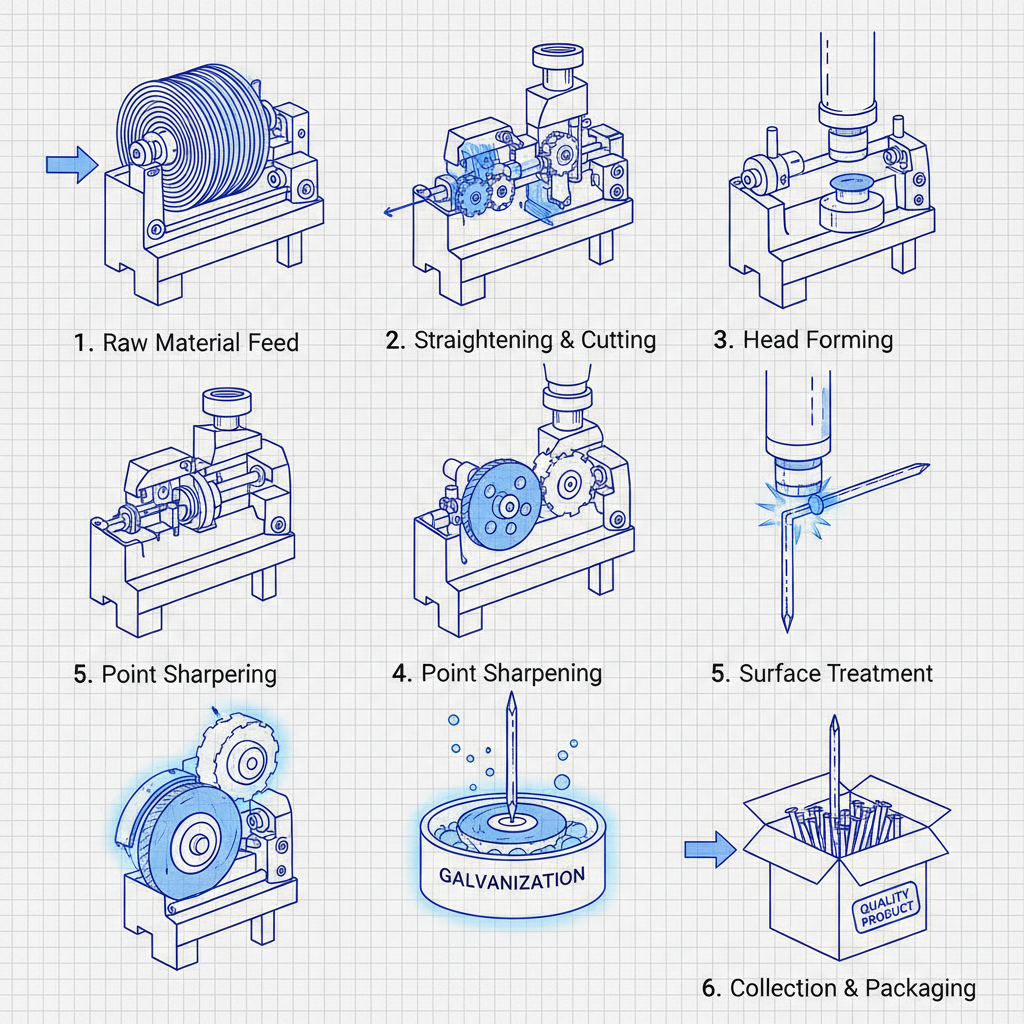
What are Flat Head Common Nails?
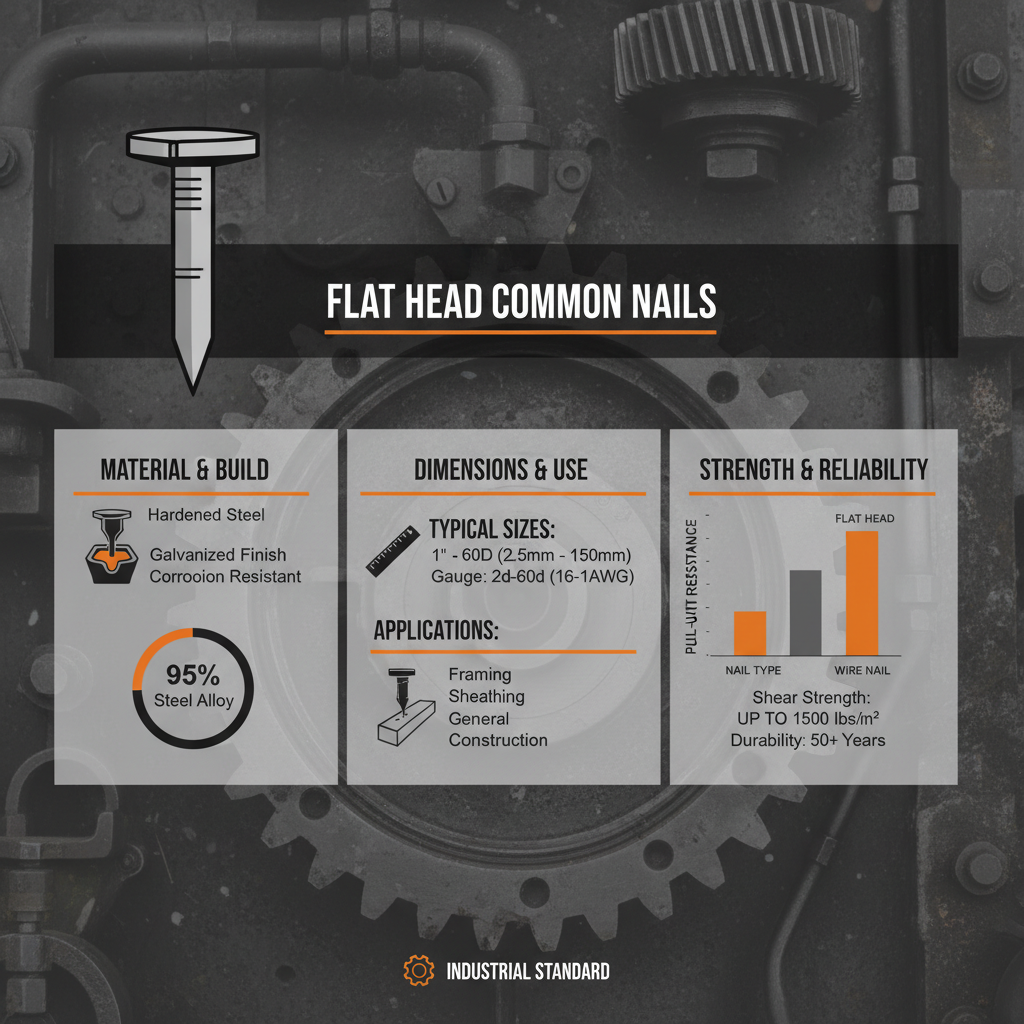
Flat head common nails, also known as flat-headed nails, are characterized by their wide, flat heads. This design allows them to be driven flush with the surface of the wood, providing a neat and secure hold. The shank is generally smooth, making them easy to drive, and they are available in a range of lengths and gauges (wire thicknesses) to suit various applications. They are a general-purpose nail ideal for a wide variety of construction and repair projects. Choosing the correct nail for the job ensures a strong and lasting connection.
Key Highlights: Wide, flat heads for flush finishing, Smooth shanks for easy driving, Available in various lengths and gauges, and Versatile for a multitude of applications.
Common Applications of Flat Head Common Nails
These nails are incredibly versatile and used in a multitude of construction and repair projects. Some common applications include framing, sheathing, general carpentry, pallet construction, fence building, and attaching trim and molding. Because of their strength and ease of use, they are frequently used in both indoor and outdoor projects. When selecting nails for outdoor applications, opting for galvanized or stainless steel finishes is essential to prevent rust and corrosion.
Versatile Applications:
• Framing and sheathing
• General carpentry
• Pallet construction
• Fence building
• Attaching trim and molding
Flat Head Common Nails vs. Other Nail Types
While several nail types are available, flat head common nails stand out for their specific advantages. Compared to finishing nails, they offer greater holding power, but are not designed for a completely invisible finish. Compared to box nails, they have a larger head, providing a more secure grip. The best choice depends on the specific requirements of your project. For general construction and applications where a strong, reliable hold is paramount, flat head common nails are an excellent choice. Five Star Metals can help you determine the ideal nail for your particular need.
Choosing the Right Size and Finish
The size of the nail (length and gauge) should be appropriate for the thickness of the materials being joined. A general rule is that the nail should penetrate at least twice the thickness of the top piece of wood into the bottom piece. For outdoor applications, galvanized nails are recommended to prevent rusting. Stainless steel nails offer even greater corrosion resistance, making them ideal for marine or highly corrosive environments. Five Star Metals offers a comprehensive range of finishes to meet your specific project needs.
Sourcing Quality Flat Head Common Nails
Ensuring you source high-quality nails is vital for a strong and durable finished product. Inferior nails can bend, break, or lack the necessary holding power. Five Star Metals is a trusted supplier of premium flat head common nails, offering a wide selection of sizes, gauges, and finishes to meet any project requirement. We are committed to providing superior products and exceptional customer service.
Conclusion: Choose Reliability with Five Star Metals
Selecting the right flat head common nails is essential for any construction or woodworking project. Five Star Metals offers a comprehensive range of high-quality nails, ensuring you have the right tools for a strong, lasting build. Don't compromise on quality – choose Five Star Metals for all your fastening needs.
Frequently Asked Questions (FAQs)
What gauge of flat head common nail should I use for framing?
For framing, a common gauge is 8d (0.131" diameter) or 10d (0.148" diameter). The 8d nail is often used for smaller framing members, while 10d nails provide greater holding power for larger timbers. The appropriate gauge also depends on the type of wood being used – softer woods require heavier gauges. It’s always best to consult local building codes for specific requirements.
What does "d" mean when referring to nail size?
The "d" in nail size refers to the "penny" size, an old British system. It doesn't relate to the actual length in inches, but rather to the nail's diameter and length. A higher "d" number indicates a longer and thicker nail. For example, a 6d nail is approximately 2 inches long, while a 16d nail is about 3.5 inches long.
Are flat head common nails suitable for exterior use?
While flat head common nails can be used for exterior projects, it's crucial to choose nails with a corrosion-resistant finish, such as galvanized or stainless steel. These finishes protect the nail from rust and deterioration caused by exposure to the elements, ensuring a long-lasting and secure hold. Using standard steel nails outdoors will result in rust and potential structural failure.
How can I prevent nails from bending when driving them into hardwood?
To prevent nails from bending when working with hardwood, consider pre-drilling a pilot hole slightly smaller than the nail's diameter. This will reduce the resistance and allow the nail to drive more easily. Using a nail set to drive the nail head flush with the surface can also help prevent bending. Additionally, ensure you're using nails of sufficient thickness (gauge) for the hardwood being used.


-
Canton Fair 2026-4 in Guangzhou,China
NewsApr.24,2027
-
High Quality Common Nails 1212 for Construction Projects
NewsApr.16,2026
-
The 139th Canton Fair
NewsApr.14,2026
-
Guide to Using Galvanised Common Round Nails for Durable Construction
NewsApr.09,2026
-
Comprehensive Guide to Flat Head Common Nails for Construction Projects
NewsApr.07,2026
-
Understanding the Versatility of the Common Nail 5 5 for Various Applications
NewsApr.04,2026