Rete Metallica Polli: Durable Poultry Wire Mesh for Global Farming Needs
The Growing Importance of Rete Metallica Polli: A Quick Overview
“Rete metallica polli” might not be the term you hear every day, but in global agriculture and poultry farming, it's a silent hero. Simply put, it refers to wire mesh or metal netting designed specifically for poultry enclosures—think chicken coops, broiler houses, even free-range fencing. Why does it matter? Well, as the UN notes, by 2050 the global demand for poultry meat is expected to rise significantly, which means secure, hygienic, and durable poultry housing is more critical than ever.
Understanding how this specialized metal mesh works—and why it’s preferred—can mean better animal welfare, easier farm management, and stronger food security worldwide. So yes, it’s not just about some chicken wire; it’s about supporting a whole chain of needs from safety to sustainability.
Rete Metallica Polli in the Global Agricultural Context
Let’s zoom out for a bit. Worldwide, poultry farming is one of the fastest growing sectors in agriculture. According to the Food and Agriculture Organization (FAO), broiler meat production alone surpassed 130 million tonnes in 2022. The driving force? Rising protein consumption, urbanization, and improved farm management.
But the rise also poses challenges. Disease prevention, predator protection, and optimal ventilation all require quality infrastructure—where “rete metallica polli” comes into play. Its role is not just physical but strategic: protecting livestock, improving biosecurity, and reducing losses.
What Exactly Is Rete Metallica Polli?
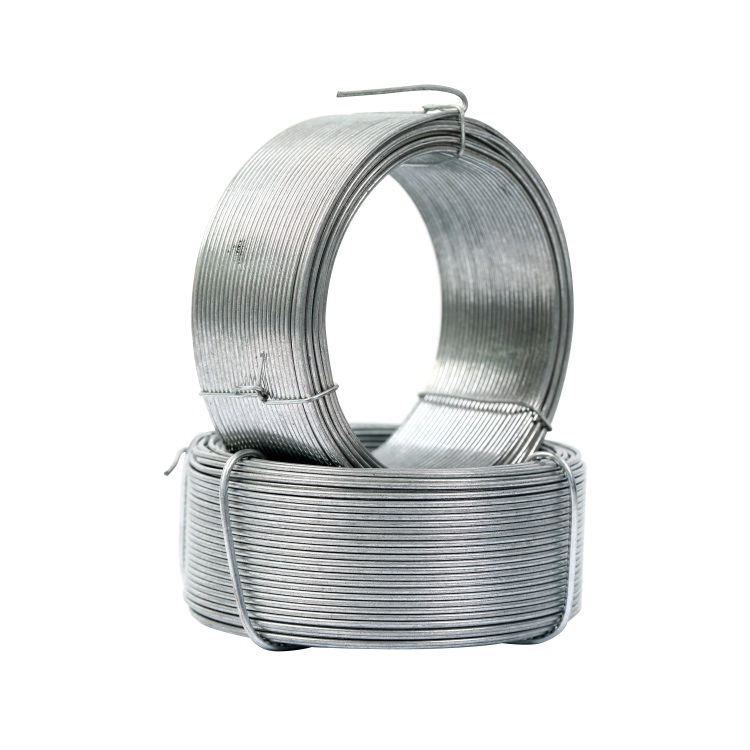
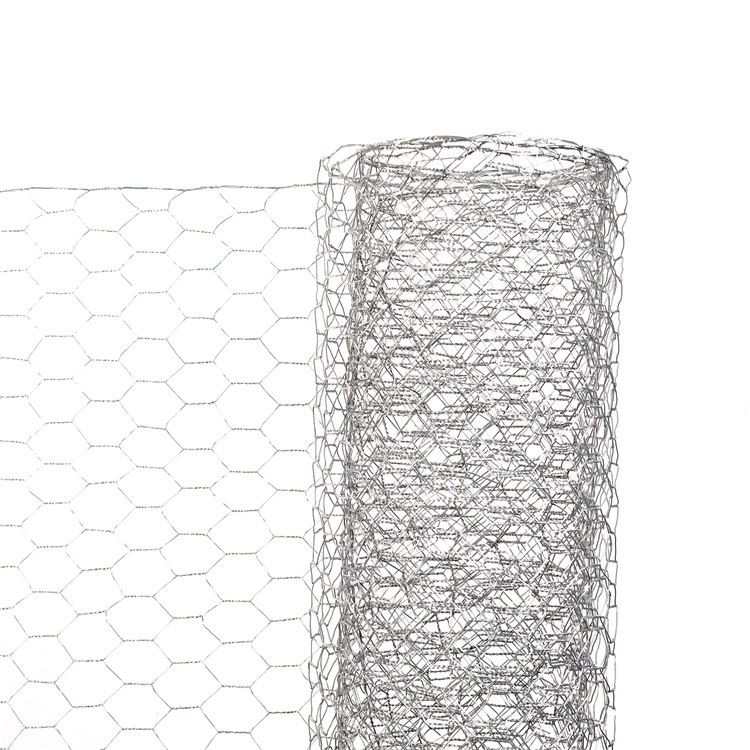
At its core, rete metallica polli means a durable, often galvanized steel wire mesh tailored for poultry fencing and housing. Unlike generic wire mesh, it’s designed to balance strength with ventilation and prevent escape or intrusion. Sometimes it’s called poultry wire mesh or chicken wire. The “metallica” part is essential—it's not plastic or fabric but steel or iron-based, ensuring robustness.
This mesh forms the backbone of modern poultry cages, pens, and coops. It allows airflow and daylight while serving as a barrier against foxes, rats, hawks, and other predators. Its design adapts to scales ranging from rural smallholders to commercial industrial farms.
Key Factors in Choosing the Right Rete Metallica Polli
Durability and Corrosion Resistance
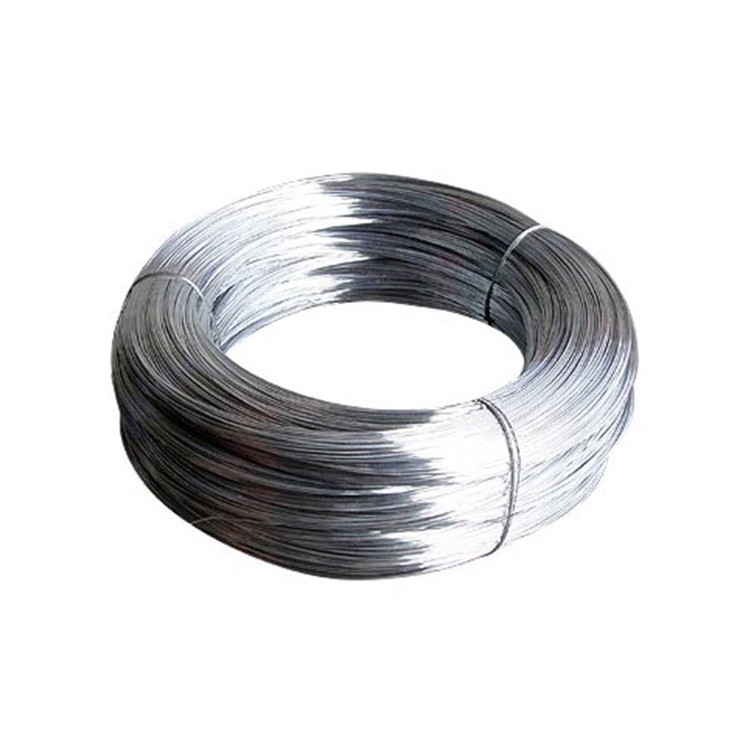
One of the biggest headaches farmers face is rust. Metal meshes exposed to outdoor elements quickly degrade if not protected. Hot-dip galvanizing or zinc coatings extend life significantly, meaning the mesh withstands moisture, ammonia from manure, even harsh winters. Longevity saves money and hassle.
Mesh Size and Wire Thickness
Wire gauge and mesh openings balance security and airflow. Too wide, and small chicks or pests may get through; too tight, and ventilation suffers, risking heat stress. Typical poultry wire ranges from 12 to 18-gauge with mesh sizes about 1/2” to 1” openings.
Flexibility and Ease of Installation
Installing hundreds of meters of mesh can be daunting. Lightweight wire mesh rolls that are nonetheless strong are preferred. Also, easy attachment methods—staples, clips—speed setup and maintenance.
Cost Efficiency
While cheaper options exist, investing in high-quality rete metallica polli reduces replacement cycles. Think of it like buying a sturdy pair of boots rather than disposable slippers—you may pay more upfront but save big down the road.
Global Applications and Real-World Use Cases
From Brazil’s large-scale chicken farms to small family operations in southeastern Asia, rete metallica polli is everywhere. In disaster relief zones, hygienic temporary poultry enclosures quickly erected with metal mesh support food security. In remote industrial regions, where supply chains are fragile, durable fencing minimizes animal losses and health risks.
Organizations such as the World Bank and FAO often recommend these meshes for sustainable poultry development projects worldwide. They’re fundamental not just for livestock containment, but increasingly for automated poultry systems, where machine access and airflow are critical.
Advantages and Long-Term Value of Rete Metallica Polli
- Cost-effectiveness: Less frequent replacement means lower capital and operational costs.
- Sustainability: Recyclable materials align with green farming trends.
- Animal Welfare: Proper ventilation and security improve poultry health and lower stress.
- Safety & Biosecurity: Reduced contact with wild animals limits disease transmission.
- Scalability: Suits both backyard setups and industrial hatcheries.
Frankly, for farmers, knowing their flocks are safe yet comfortable brings peace of mind that’s hard to quantify — but essential nonetheless.
Future Trends: What Comes Next for Rete Metallica Polli?
Innovations are underway. Coatings that resist microbial growth, creating a cleaner environment for animals, are becoming popular. Some companies experiment with smart sensors integrated into metal meshes for real-time monitoring of temperature and humidity. Sustainability drives interest in recycled steel meshes and minimizing production energy.
Automation in poultry farming demands meshes that integrate with robotic feeders or climate control, making the simple rete metallica polli progressively “smarter” — not just a fence, but part of an ecosystem.
Challenges and Ways to Overcome Them
No product is perfect. Issues like initial cost barriers, improper installation, or mesh damage through chewing pests do exist. Solutions include:
- Better farmer education and installation guides.
- Hybrid designs combining metal mesh with polymer coatings for added bite resistance.
- Modular fencing systems to ease repair and customization without full replacement.
Product Specification Table
| Specification | Details |
|---|---|
| Material | Galvanized Steel Wire |
| Mesh Size | 12mm to 25mm (½" to 1") openings |
| Wire Gauge | 14 - 18 Gauge |
| Coating | Hot-Dip Galvanized / PVC Coated Option |
| Roll Length | 25m, 50m |
| Weight per Roll | Approximately 10-15 kg |
Vendor Comparison: Leading Rete Metallica Polli Suppliers
| Supplier | Product Range | Customization | Typical Lead Time | Price Range |
|---|---|---|---|---|
| Five Star Metals | Galvanized & PVC Coated Meshes | Available - Custom Rolls & Coatings | 2-3 weeks | Mid to High |
| AgriMesh Corp. | Standard Wire Mesh | Limited | 1-2 weeks | Low to Mid |
| PoultrySafe Ltd. | Premium Coated Mesh with Anti-Corrosion | Available | 3-4 weeks | High |
Common Questions About Rete Metallica Polli
What makes galvanized poultry wire better than regular chicken wire?
Galvanized wire has a protective zinc coating, making it far more resistant to rust and corrosion than plain chicken wire. This increases durability—especially in humid or outdoor environments with manure exposure—leading to longer service life and less maintenance overall.
Can rete metallica polli be customized for large-scale commercial farms?
Definitely. Many suppliers offer custom roll lengths, coating thicknesses, and mesh sizes tailored for industrial poultry houses. This flexibility helps meet specific biosecurity and ventilation requirements of commercial operations.
Is it safe to use metal mesh around chicks and young poultry?
Yes, if the mesh size is right—usually smaller openings (around ½ inch) prevent young birds from escaping and keep predators out. Plus, properly coated surfaces avoid sharp edges or rust hazards.
How should farmers maintain their poultry wire mesh over time?
Regular inspections for damage, cleaning off debris, and touch-up of protective coatings will extend mesh life. Avoiding over-tightening during installation prevents wire breakage, too.
Where can I buy certified rete metallica polli?
Reputable manufacturers and distributors such as Five Star Metals provide certified poultry wire mesh that meets ISO quality standards and environmental certifications. Buying from established suppliers ensures product reliability and aftersales support.
Wrapping It Up: Why Rete Metallica Polli Matters for Poultry Farming
Looking back, rete metallica polli is more than just a piece of wire mesh; it’s an enabler for safe, efficient, and sustainable poultry farming worldwide. From small farms in Europe to huge operations in the Americas and Asia, this mesh is central to improving livelihoods, supporting global food supply chains, and embracing future challenges like climate resilience and automation.
For anyone involved in poultry, investing time to understand these specialized meshes pays dividends — not just in better fencing, but in better farming altogether.
To explore high-quality options for your poultry fencing needs, visit Five Star Metals and see how rete metallica polli can work for you.
References


-
Canton Fair 2026-4 in Guangzhou,China
NewsApr.24,2027
-
High Quality Common Nails 1212 for Construction Projects
NewsApr.16,2026
-
The 139th Canton Fair
NewsApr.14,2026
-
Guide to Using Galvanised Common Round Nails for Durable Construction
NewsApr.09,2026
-
Comprehensive Guide to Flat Head Common Nails for Construction Projects
NewsApr.07,2026
-
Understanding the Versatility of the Common Nail 5 5 for Various Applications
NewsApr.04,2026