Optimizing Steel Selection for Common Nail Production and Enhanced Durability
Choosing the Right Steel for Common Nail Production
The quality of a common nail hinges significantly on the steel used in its manufacture. Selecting the appropriate steel grade is crucial for ensuring the nail’s strength, durability, and resistance to corrosion. This article will delve into the types of steel commonly used for common nail production, their properties, and the considerations for choosing the best material for your needs. Understanding these nuances can optimize production costs and enhance product quality.
Common Steel Grades Used for Nail Manufacturing
Several steel grades are commonly employed in the production of common nails. Low-carbon steel is the most prevalent choice due to its excellent formability and cost-effectiveness. Specific grades like 1008, 1018, and 8d steel are frequently used. Medium-carbon steel offers higher strength but is less malleable. Higher carbon steel, while providing the greatest strength, is rarely used due to its brittleness and difficulty in forming. Selecting the right grade depends on the intended application of the nail – whether it’s for general construction, framing, or more demanding applications.
Key Takeaway: Low-carbon steel is the workhorse of nail production, balancing cost, formability, and sufficient strength for most applications.
Understanding Carbon Content and its Impact
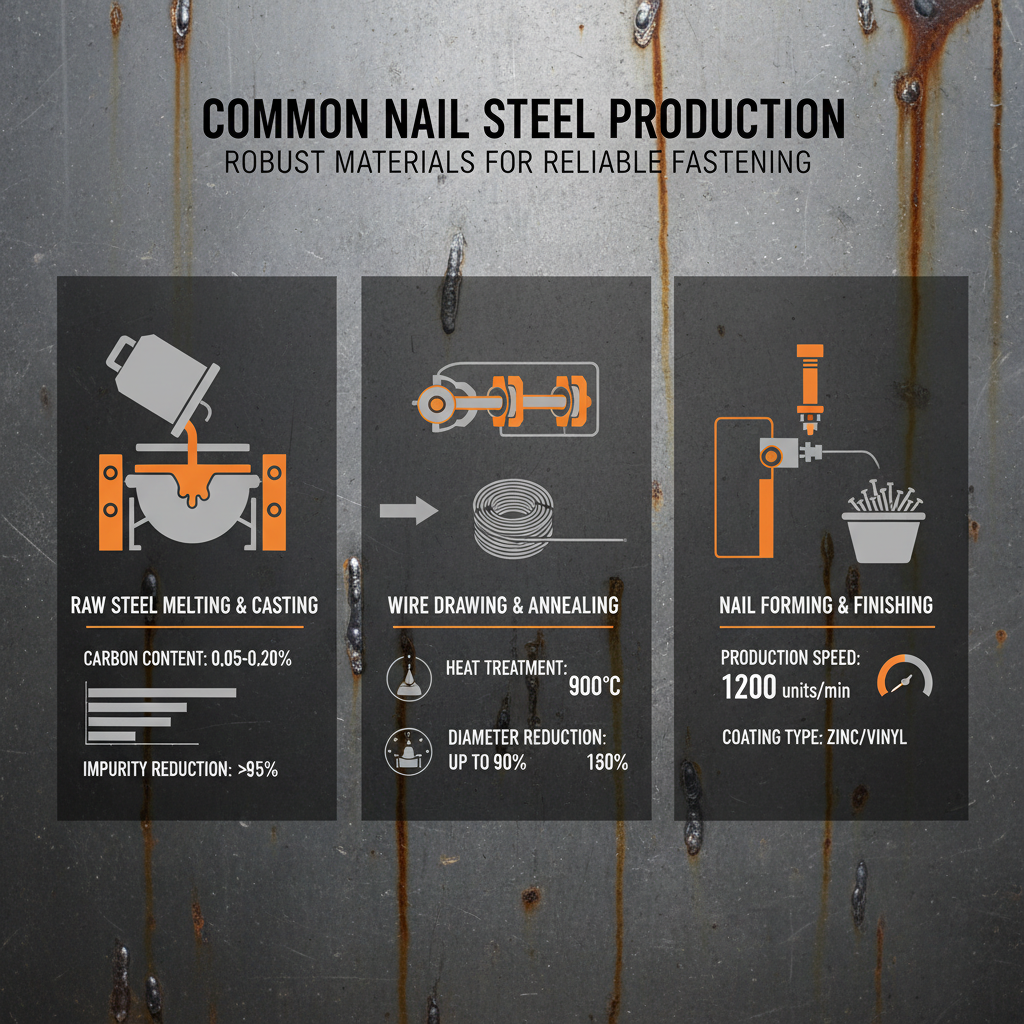
The carbon content in steel directly influences its properties. Low-carbon steel (typically 0.05% to 0.25% carbon) is ductile, meaning it can be easily bent and formed without breaking. This is essential for the nail-making process, which involves drawing the steel wire into the desired shape. As carbon content increases, the steel becomes harder and stronger, but also more brittle. This trade-off needs careful consideration. For instance, nails used in hardwood applications may benefit from slightly higher carbon content for increased holding power, while nails used in softer woods require lower carbon content to prevent splitting the wood.
Carbon Content Benefits:
• Low Carbon: Excellent formability, cost-effective.
• Medium Carbon: Increased strength, moderate formability.
• High Carbon: Maximum strength, limited formability.
Steel for Common Nail: Comparing Key Grades
Choosing between different low-carbon steel grades requires understanding their specific properties. Here’s a comparison of some commonly used grades:
Corrosion Resistance Considerations
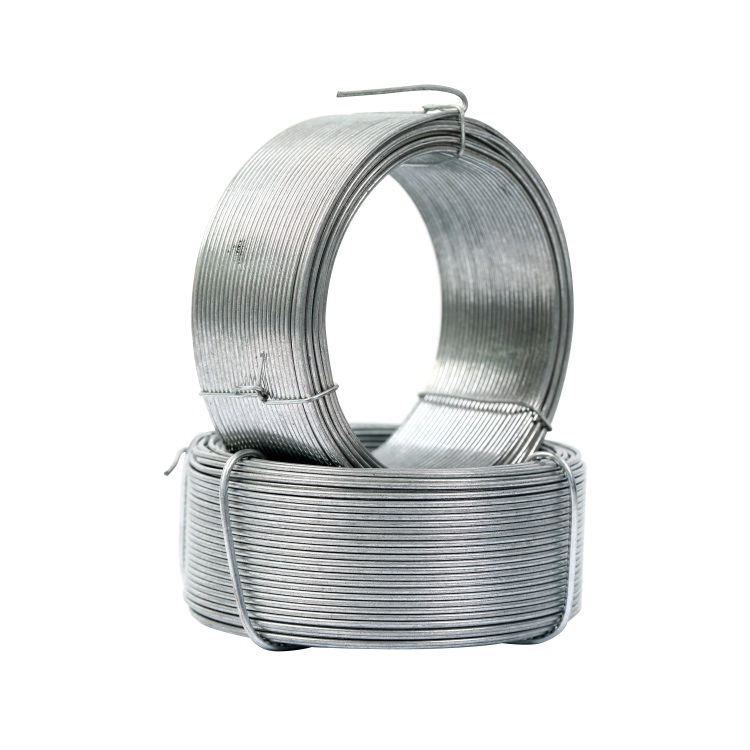
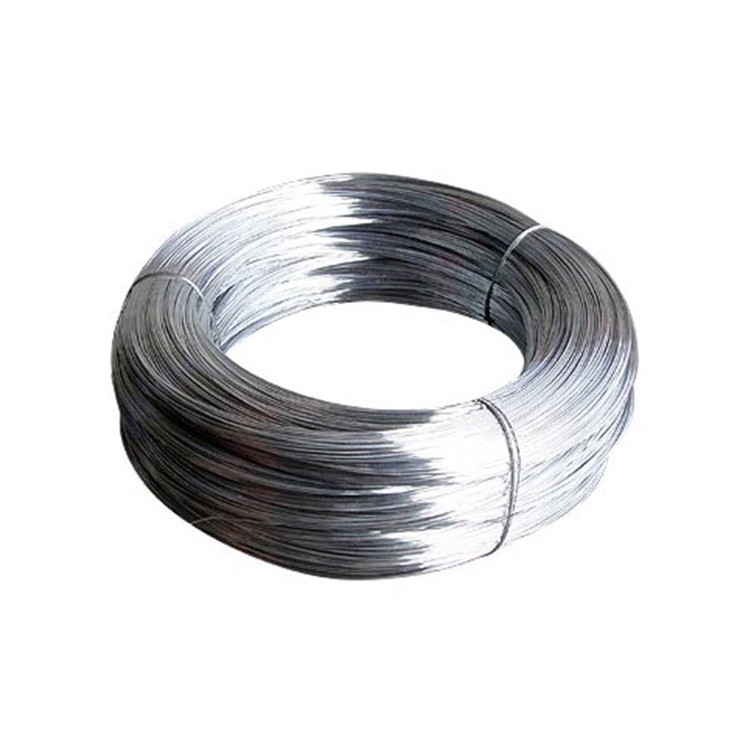
While carbon steel is cost-effective, it is susceptible to corrosion. For nails intended for outdoor use or in environments with high humidity, galvanization is a common treatment. This involves coating the steel with a layer of zinc, which protects it from rust. Different galvanization methods offer varying levels of corrosion resistance. Five Star Metals provides a wide range of galvanized steel options for nail manufacturing. Choosing the appropriate galvanization level is essential for ensuring the longevity and performance of the nails.
Partnering with a Reliable Steel Supplier
Selecting a reputable steel supplier is paramount to ensuring consistent quality and reliability. Five Star Metals specializes in providing high-quality steel products tailored to the needs of nail manufacturers. We offer a wide range of steel grades, galvanization options, and technical support to help you optimize your production process. Consistent material quality leads to fewer defects, reduced waste, and ultimately, a superior product.
Conclusion: The Foundation of Quality Nails
The selection of steel is the cornerstone of producing high-quality, durable common nails. Understanding the properties of different steel grades, the impact of carbon content, and the importance of corrosion resistance is critical for optimizing performance and cost-effectiveness. Partnering with a trusted supplier like Five Star Metals ensures access to consistent quality materials and expert support.
Frequently Asked Questions (FAQs)
What is the difference between hot-rolled and cold-drawn steel for nail production?
Hot-rolled steel is processed at high temperatures, resulting in a more cost-effective but less precise finish. Cold-drawn steel is further processed at room temperature, resulting in tighter tolerances, a smoother surface, and increased strength. For nail production, cold-drawn steel is often preferred as it allows for more consistent diameter and better formability, leading to higher quality nails. However, it comes at a higher cost. The choice depends on the desired quality and budget.
How does the type of galvanization affect the nail’s lifespan?
Different galvanization processes offer varying levels of corrosion protection. Hot-dip galvanizing provides a thicker, more durable coating, offering superior resistance to corrosion, especially in harsh environments. Electrogalvanizing results in a thinner, smoother coating, suitable for less demanding applications. The lifespan of a galvanized nail depends on the thickness of the zinc coating and the environmental conditions.
What should I look for in a steel supplier for nail manufacturing?
Look for a supplier with consistent quality control, a wide range of steel grades and galvanization options, competitive pricing, and reliable delivery. Technical support and the ability to meet specific requirements are also crucial. A reputable supplier should provide material certifications and be able to address any technical challenges you may encounter. Five Star Metals is a trusted partner for nail manufacturers.
Can different steel grades be mixed in nail production?
Mixing steel grades is generally not recommended for nail production. Different grades have varying properties, which can lead to inconsistencies in nail performance and potentially compromise their structural integrity. Using a consistent grade ensures uniform strength, ductility, and corrosion resistance, resulting in a reliable and durable product.


-
Canton Fair 2026-4 in Guangzhou,China
NewsApr.24,2027
-
High Quality Common Nails 1212 for Construction Projects
NewsApr.16,2026
-
The 139th Canton Fair
NewsApr.14,2026
-
Guide to Using Galvanised Common Round Nails for Durable Construction
NewsApr.09,2026
-
Comprehensive Guide to Flat Head Common Nails for Construction Projects
NewsApr.07,2026
-
Understanding the Versatility of the Common Nail 5 5 for Various Applications
NewsApr.04,2026