Grillage pour Poulet Guide – Durable Chicken Wire Solutions for Global Poultry Farming
Understanding Grillage Pour Poulet: What It Is and Why It Matters Globally
“Grillage pour poulet” — or chicken wire, as it’s commonly known — might sound humble at first glance, but its role in agriculture, industry, and humanitarian efforts is surprisingly significant worldwide. This mesh wiring isn’t just a fence; it’s part of a solution addressing food security, smallholder farming sustainability, and even emergency housing and containment in crisis zones.
Globally, small-scale poultry farming remains a backbone for millions of households, especially in developing nations. Reliable grillage pour poulet keeps livestock safe, improves yield, and reduces disease spread. Plus, from an eco and cost perspective, its lightweight and reusable nature make it an economical option for rural and urban farms alike. Understanding this product better helps stakeholders—from local farmers to large agribusinesses—make smarter investments.
Mini takeaway: Chicken wire is more than just fencing; it’s a linchpin of rural livelihoods and global food sustainability.
The Global Context: Why Grillage Pour Poulet Still Matters
Let’s not forget the scale. According to the Food and Agriculture Organization (FAO), over 70% of global poultry production comes from small farms. At the same time, the World Bank reports that rural populations in Asia and Africa heavily depend on backyard poultry for both nutrition and income.
However, these farmers face a common problem: keeping their birds safe from predators and theft, especially in regions where fencing materials might be costly or hard to get. Enter “grillage pour poulet” — a relatively inexpensive, easy-to-install fencing solution that addresses this crucial challenge.
What’s fascinating is that the mesh technology continues to evolve, meeting the needs of modern farming as well as urban applications like garden enclosures and hobby poultry keeping.
What Exactly Is Grillage Pour Poulet?
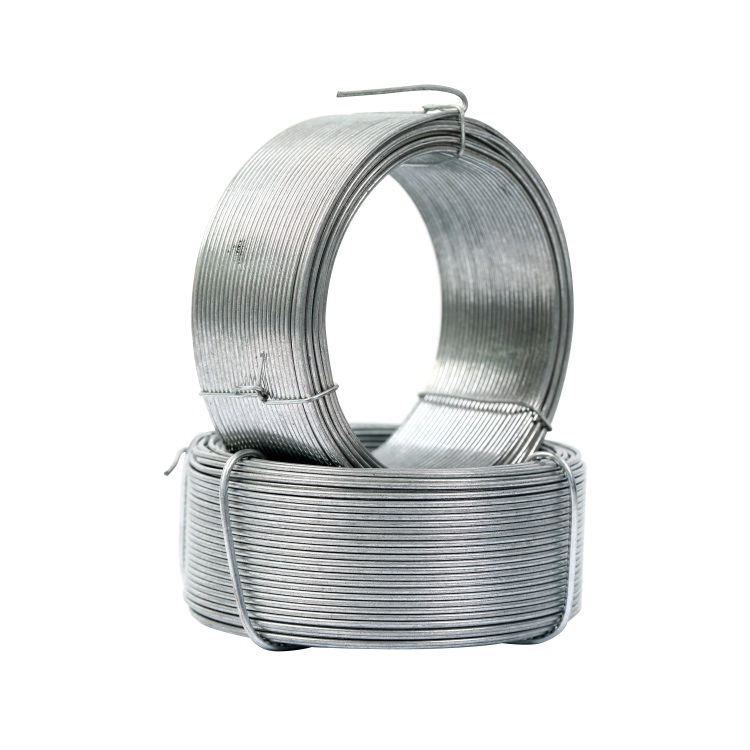
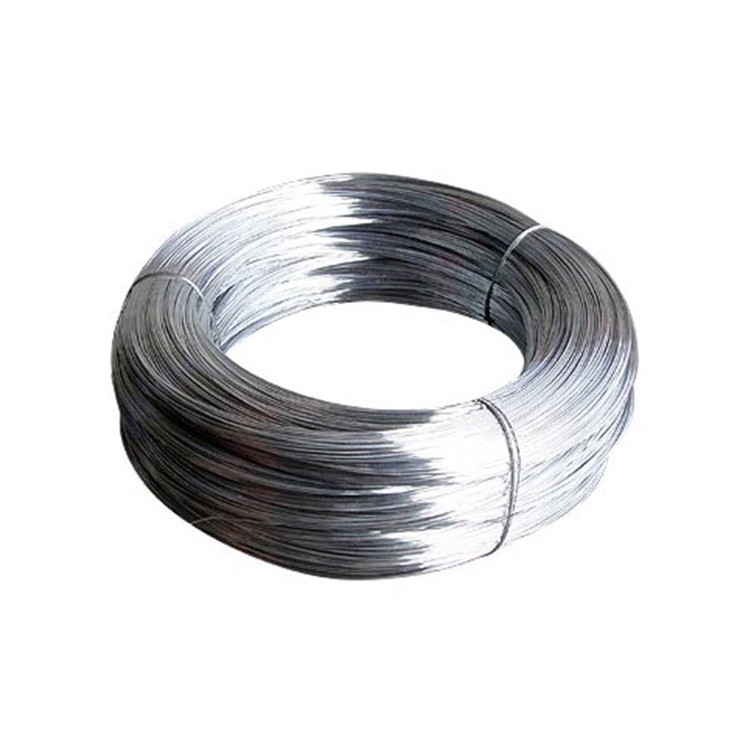
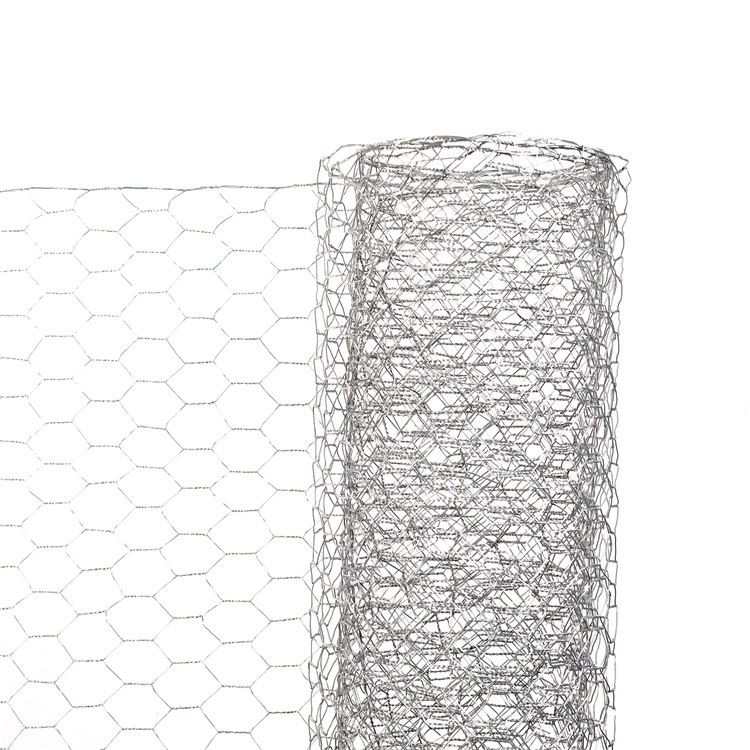
Simply put, grillage pour poulet is wire mesh designed primarily to contain poultry. Typically made of galvanized steel, it features a hexagonal or square mesh pattern fabricated in lightweight rolls. Its open design allows ventilation, visibility, and ease of handling. The galvanized coating prevents rust, extending its functional life outdoors.
While it has humble origins in traditional farming, today’s chicken wire plays a crucial role in industrial poultry houses, smallholder farms, urban agriculture, and even creative DIY projects or temporary fencing solutions in disaster zones.
In humanitarian contexts, for example, this mesh can be easily adapted for animal containment, structural reinforcement, or improvised shelters.
Core Features That Define Grillage Pour Poulet
1. Durability and Corrosion Resistance
Most chicken wire uses galvanized steel, helping resist the elements — rain, humidity, even salt air near coastal farms. This means it lasts multiple seasons without breaking down, which is essential for cost-conscious users.
2. Flexibility and Ease of Installation
Unlike rigid fencing, grillage pour poulet rolls out and bends to fences’ contours or irregular landscapes. This flexibility is why many rural farmers swear by it: quick setup without heavy tools or budgets.
3. Cost Efficiency
Its relatively low price, coupled with long lifespan, makes this mesh an attractive option. Smallholders often can’t afford expensive fencing, so chicken wire bridges that accessibility gap neatly.
4. Scalability: From Backyard to Large Farms
Whether enclosing a few hens or dozens of acres of poultry operation, the product scales up easily — you just buy more rolls. There's no steep learning curve for use.
5. Protection Against Predators
The wire mesh blocks common poultry predators—foxes, raccoons, or stray dogs—helping to reduce losses and improve flock health.
Mini takeaway: Its blend of durability, flexibility, and affordability underscores why grillage pour poulet remains the preferred choice across many farming types.
Real-World Use Cases: Where Grillage Pour Poulet Shines
Across continents, from Southeast Asia’s rice paddies to African savannah villages, this product proves invaluable:
- Smallholder Poultry Farms: Farmers rely on grillage pour poulet for coops and mobile pens, allowing rotational grazing that boosts soil and bird health.
- Urban Agriculture: Community gardens in cities use chicken wire to keep poultry secure without compromising plant space.
- Disaster Relief Efforts: In the aftermath of floods or storms, lightweight wire mesh can be used quickly to corral animals or reinforce temporary shelters.
- Wildlife Conservation Areas: Managing bird species while preventing escapes or poaching.
For example, in Bangladesh, where flooding regularly disrupts rural life, NGOs distribute galvanized chicken wire to help farmers protect their poultry against stray animals during evacuation periods.
Advantages & Long-Term Benefits of Using Grillage Pour Poulet
Here’s what people usually notice after switching to this wire mesh fencing:
- Economic Savings: Low material and installation costs mean farmers keep more profit without sacrificing protection.
- Sustainability: Reusable and recyclable, the product supports environmentally friendly farming practices.
- Improved Safety: Reduces risks of bird losses, disease spread, and theft.
- Ease of Maintenance: Minimal upkeep compared to wooden or plastic alternatives.
- Dignity & Trust: Helps smallholders gain confidence, showing care for their livestock.
So from a social angle, this isn’t just fencing; it’s a tool empowering livelihoods.
Technical Specifications of Typical Grillage Pour Poulet
| Specification | Detail |
|---|---|
| Material | Galvanized Steel Wire |
| Mesh Size | 12.7 mm (1/2 inch) Hexagonal or Square |
| Wire Diameter | 0.7 - 1.2 mm (22 - 18 gauge) |
| Roll Length | 10 - 25 meters |
| Height | 0.5 - 2 meters |
| Coating | Zinc (Galvanization) |
Vendor Comparison: Selecting the Right Supplier
| Vendor | Price per Roll (USD) | Customization Options | Delivery Time | Sustainability Certifications |
|---|---|---|---|---|
| Five Star Metals | $45–60 | Multiple mesh sizes, custom lengths | 5-7 business days | ISO 14001 |
| AgriMesh Co. | $50–65 | Standard sizes only | 7-10 business days | None |
| EcoWire Solutions | $55–70 | Custom coatings and recyclable materials | 6-8 business days | ISO 9001 & 14001 |
Looking Ahead: Future Trends in Grillage Pour Poulet
Oddly enough, something as simple as chicken wire is seeing interesting developments. Many manufacturers are experimenting with eco-friendly coatings — think organic zinc or polymer blends — aiming to extend lifespan without environmental damage. There’s also increased interest in grillage pour poulet enhanced with smart sensor integration, which can monitor containment breaches or animal movement remotely.
Another trend is modular fencing systems that adapt to evolving farm layouts, a great help in large-scale poultry operations or community farms transitioning to more automated systems.
Challenges & How Innovations Are Tackling Them
Of course, chicken wire isn’t perfect. Issues like wire fatigue, localized rust if galvanized coating is damaged, and limited strength against large predators pose ongoing hurdles. But many producers now reinforce wires with polymer coatings or combine mesh with electric fencing for extra security — a smart upgrade where budgets allow.
Distribution remains a challenge in remote areas, but partnerships between NGOs and suppliers help bridge access gaps. Digital ordering and regional warehousing have also improved delivery times dramatically in recent years.
FAQs: What People Usually Ask About Grillage Pour Poulet
- Q1: How long does typical chicken wire last outdoors without rusting?
- A1: Standard galvanized chicken wire usually lasts 5-7 years outdoors under normal conditions. This depends on coating quality and environment—coastal or humid areas may shorten lifespan unless specially coated.
- Q2: Can grillage pour poulet be reused after initial installation?
- A2: Yes, with proper removal, chicken wire can be reused multiple times. Its flexibility and rollable form make it easy to relocate or store during off-seasons.
- Q3: Is chicken wire safe for use with other animals besides poultry?
- A3: Generally yes, it works well for rabbits, small birds, or garden protection. However, it’s not strong enough for large animals or persistent diggers without added reinforcements.
- Q4: Where can I buy customized grillage pour poulet for specific farm needs?
- A4: Vendors like Five Star Metals offer custom mesh sizes and roll lengths. It’s best to source from suppliers who provide product specs and certifications to ensure quality.
Wrapping Up: Why Grillage Pour Poulet Remains Essential
In real terms, grillage pour poulet remains a deceptively simple but indispensable agricultural tool. Whether you’re a subsistence farmer in Mali, an urban gardener in Paris, or part of a relief organization in Southeast Asia, its versatility, affordability, and practicality shine through.
For those interested in reliable, customizable solutions that blend tradition with modern innovation, exploring options at Five Star Metals might just be the next step. It feels like the humble chicken wire story is far from over...
Mini takeaway: Grillage pour poulet truly is the unsung hero of poultry farming and beyond.
References:


-
Canton Fair 2026-4 in Guangzhou,China
NewsApr.24,2027
-
High Quality Common Nails 1212 for Construction Projects
NewsApr.16,2026
-
The 139th Canton Fair
NewsApr.14,2026
-
Guide to Using Galvanised Common Round Nails for Durable Construction
NewsApr.09,2026
-
Comprehensive Guide to Flat Head Common Nails for Construction Projects
NewsApr.07,2026
-
Understanding the Versatility of the Common Nail 5 5 for Various Applications
NewsApr.04,2026