Durable Hex Weld Mesh Solutions for Construction & Environmental Safety
Understanding Hex Weld Mesh: A Versatile Solution with Global Impact
Hex weld mesh might sound like just another industrial product, but its reach is far beyond the factory floor. Put simply, it’s a kind of metal mesh made from hexagonal-shaped wire patterns that’s welded at the joints — sturdier than your typical fencing wire and practically indispensable in many sectors. Globally, its significance spans from construction and agriculture to disaster relief and infrastructure projects. Knowing what hex weld mesh offers can open doors to smarter, more sustainable engineering and humanitarian strategies worldwide.
Introduction: Why Hex Weld Mesh Matters in Today’s World
In a world that’s rapidly urbanizing and simultaneously facing climate challenges, the demand for reliable, flexible building materials is ever-growing. According to the World Bank, nearly 55% of the global population lived in urban areas as of 2020—a number expected to reach 68% by 2050. Materials like hex weld mesh help bridge the gap between rapid infrastructural development and sustainable, safe construction. It plays a surprising role in preventing soil erosion, stabilizing embankments, and even safeguarding communities in flood-prone zones. However, challenges such as cost, durability under extreme weather, and eco-friendliness press the industry to innovate continuously.
Mini takeaway: Hex weld mesh is more than just fencing—it’s a global tool against environmental risks and a facilitator of rapid construction.
What Exactly Is Hex Weld Mesh?
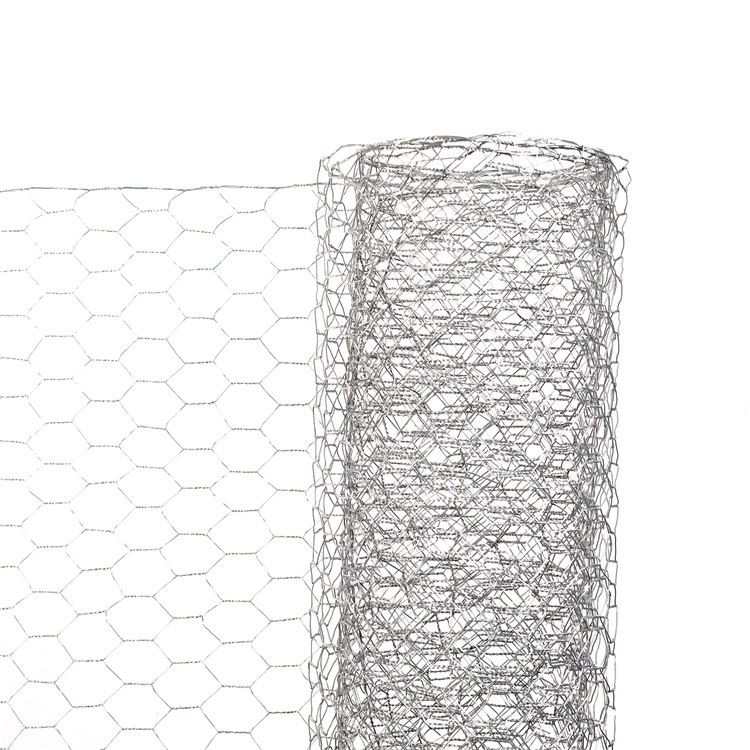
At its core, hex weld mesh consists of hexagonally arranged wires, usually galvanized steel or stainless steel, spot-welded to maintain shape and strength. The hex pattern provides excellent tensile strength while allowing flexibility, making it a favored choice over rigid meshes. This combination lets engineers and designers tailor structures that require both resilience and adaptability.
Its role isn’t limited to standard fencing — it extends to gabion walls, industrial filtration, and even in temporary housing reinforcements, demonstrating an interesting crossover between industry and humanitarian fields. After all, providing robust, lightweight materials to hold earth or create shelters aligns well with global development goals.
Hex weld mesh manufacturers often customize mesh sizes and wire thicknesses, which means it can meet niche project requirements worldwide.
Core Strengths of Hex Weld Mesh
Durability and Corrosion Resistance
Hex weld mesh is frequently galvanized or PVC-coated, upping its resistance to rust and corrosion. This is crucial in harsher environments like coastal regions or industrial zones where metals deteriorate faster.
Flexibility and Strength
The hexagonal shape boosts flexibility compared to square or rectangular mesh. This lets the mesh absorb and distribute loads better, which is vital in applications like retaining walls or soil stabilization — think of it as a mildly springy barrier that doesn’t snap under pressure.
Cost Efficiency in Construction
Compared to solid sheets or thicker chain links, hex weld mesh provides a cheaper but effective solution. The wire diameters and mesh aperture sizes allow for easy customization, balancing strength and material use smartly. Many engineers say this adaptability minimizes waste.
Ease of Installation and Scalability
Lightweight yet strong, this mesh is easier to transport and install on large sites or remote locations, a big plus for infrastructure teams racing against time and tight budgets.
Eco-Friendliness
Steel mesh is recyclable, which helps projects meet increasingly strict environmental regulations, an important aspect with ISO standards emphasizing sustainability.
Mini takeaway: Hex weld mesh offers a compelling combination of reliable strength, adaptability, and environmental conscientiousness — factors that resonate globally.
How Hex Weld Mesh Is Changing the Game Globally
This isn't just hypothetical. Across Africa, Asia, and South America, hex weld mesh components secure earthen dams and reinforce embankments in rain-heavy monsoon climates. In post-disaster zones — say after floods or earthquakes — rapid deployment of gabion cages (filled with rocks and welded with hex mesh) stabilizes damaged land and rebuilds infrastructure.
Industries such as mining and oil and gas also adopt hex weld mesh to filter debris and maintain safety barriers. Closer to home, farmers use it for affordable but effective livestock fencing. Even the military utilizes this mesh in fortifications and temporary structures.
Organizations like the United Nations and international NGOs increasingly recommend hex weld mesh as part of disaster resilience toolkits, given its durability and versatility. As global climate risks grow, so does the mesh’s relevance.
A Realistic Specification Table of Hex Weld Mesh
| Specification | Typical Value | Notes |
|---|---|---|
| Wire Diameter | 2.0 - 5.0 mm | Customizable for load requirements |
| Mesh Opening Size | 25 mm - 75 mm (hexagonal) | Affects flexibility and strength |
| Material | Galvanized steel / Stainless steel | Coated for corrosion resistance |
| Surface Treatment | Galvanized, PVC-coated | Extends lifespan in harsh environments |
| Standard Roll Size | 1m x 30m (length varies) | Easy handling on construction sites |
Comparing Leading Hex Weld Mesh Vendors
| Vendor | Product Range | Customization | Lead Time | Pricing |
|---|---|---|---|---|
| Five Star Metals | Hex weld mesh, gabions, PVC-coated options | High (wire thickness, size, coating) | 2-4 weeks | Competitive |
| WireTec Solutions | Standard hex mesh, welded wire fences | Medium (limited coatings) | 3-5 weeks | Mid-range |
| Global Mesh Inc. | Wide range, including stainless steel | High | 4-6 weeks | Premium |
The Long-Term Value of Hex Weld Mesh: Beyond the Basics
Why do so many industries swear by hex weld mesh? For one, its longevity saves replacement costs down the line — rust-resistant coatings and sturdy construction mean fewer headaches in upkeep. Then, there's the social angle: it helps build safer homes and infrastructure with dignity, a non-tangible but crucial feature overlooked in many tech specs.
Plus, it supports sustainable practices by reducing waste and supporting recyclable material cycles. Emotionally, it instills trust in communities relying on these materials to hold their homes, roads, or flood barriers. And logically, it boils down to innovation that cuts costs without cutting corners.
Emerging Trends and Innovations in Hex Weld Mesh
The industry’s buzzing with fresh ideas. There's a move towards eco-friendly coatings that reduce chemical runoff, digital manufacturing techniques for custom mesh shapes, and smarter alloys mixing stainless steel with lighter metals to make transport even easier. Automation in welding means better precision and consistent quality, which engineers love.
Combine this with green energy projects — for example, wind farms utilizing hex weld mesh in base reinforcements — and you see a pathway for the mesh to be part of a low-carbon future. Standards like ISO 9001 and ISO 14001 also push manufacturers to raise their game on quality and environmental responsibility.
Challenges and Smart Solutions
Like any material, hex weld mesh isn’t flawless. Corrosion can still sneak in if coatings fail, and certain mesh sizes aren’t ideal for all applications — oversized apertures could reduce strength, while too fine can hike costs. Logistics can be a problem in remote areas with limited transport infrastructure.
Thankfully, innovators are experimenting with composite coatings, modular panel designs to ease installation, and customizable packaging to optimize shipping. Field engineers are increasingly relying on on-site testing and simulation software to choose the right mesh specs for exact needs.
Mini takeaway: Challenges exist, but the blend of tech and experience ensures hex weld mesh keeps evolving and staying relevant.
FAQ: Practical Questions About Hex Weld Mesh
Q1: How does hex weld mesh differ from regular welded wire mesh?
A: Hex weld mesh uses hexagonal patterns for wire arrangement, offering enhanced flexibility and better load distribution compared to square welded wire mesh, which tends to be more rigid. This flexibility makes hex weld mesh ideal for applications needing both strength and adaptability, such as gabion walls or soil stabilization.
Q2: What coating types are best for outdoor hex weld mesh applications?
A: Typically, galvanized coatings prevent rust effectively in most outdoor environments. For even harsher conditions, PVC-coated mesh adds an extra plastic layer, enhancing corrosion resistance, especially in coastal or chemically aggressive zones.
Q3: Can hex weld mesh be customized to fit unique project requirements?
A: Absolutely. Wire thickness, mesh opening size, material type, and coating methods can be tailored to suit specific strength, flexibility, and environmental resilience needs. Many suppliers offer bespoke solutions to meet complex engineering demands.
Q4: How quickly can hex weld mesh be delivered for large-scale projects?
A: Lead times generally range from two to six weeks depending on the customization level and supplier. Companies like Five Star Metals offer competitive lead times around 2-4 weeks, ideal for tight schedules.
Q5: Is hex weld mesh recyclable?
A: Yes, steel-based hex weld mesh is fully recyclable, supporting eco-friendly construction initiatives. Recycling such materials reduces environmental impact and aligns with international sustainability standards.
Conclusion: Why Keep Hex Weld Mesh on Your Radar?
From construction to conservation, hex weld mesh quietly supports essential human activities around the world. Its adaptable design and durable features fit perfectly with the demands of modern infrastructure and environmental challenges. As technology pushes forward, this mesh isn't just a passive tool but an evolving solution reflecting the balance between innovation and responsibility. If you’re curious about integrating hex weld mesh into your projects, I recommend checking out Five Star Metals — they offer a robust lineup that balances quality and flexibility like few others.
It might seem just metal and wire, but in reality, it’s a quietly powerful stitch holding the fabric of modern engineering together.
References


-
Canton Fair 2026-4 in Guangzhou,China
NewsApr.24,2027
-
High Quality Common Nails 1212 for Construction Projects
NewsApr.16,2026
-
The 139th Canton Fair
NewsApr.14,2026
-
Guide to Using Galvanised Common Round Nails for Durable Construction
NewsApr.09,2026
-
Comprehensive Guide to Flat Head Common Nails for Construction Projects
NewsApr.07,2026
-
Understanding the Versatility of the Common Nail 5 5 for Various Applications
NewsApr.04,2026