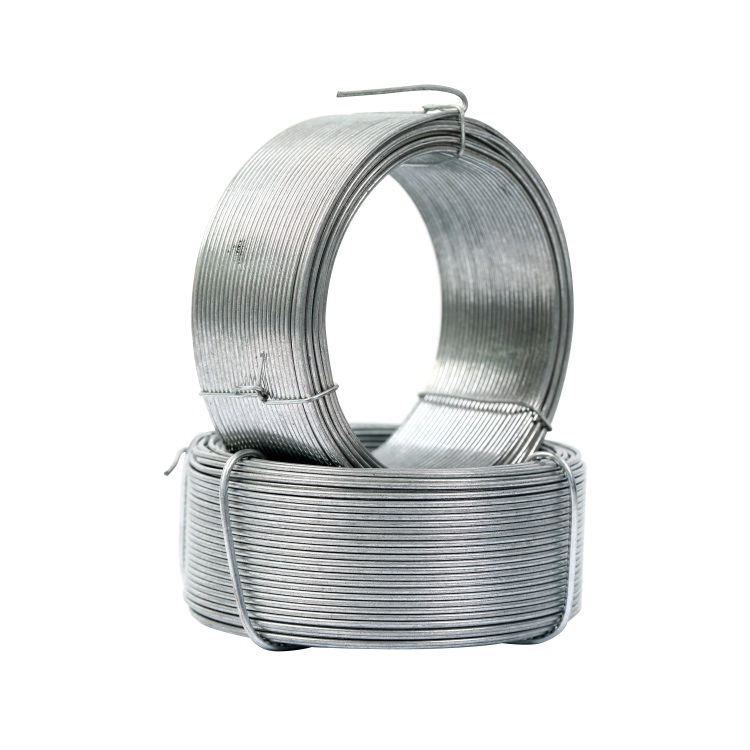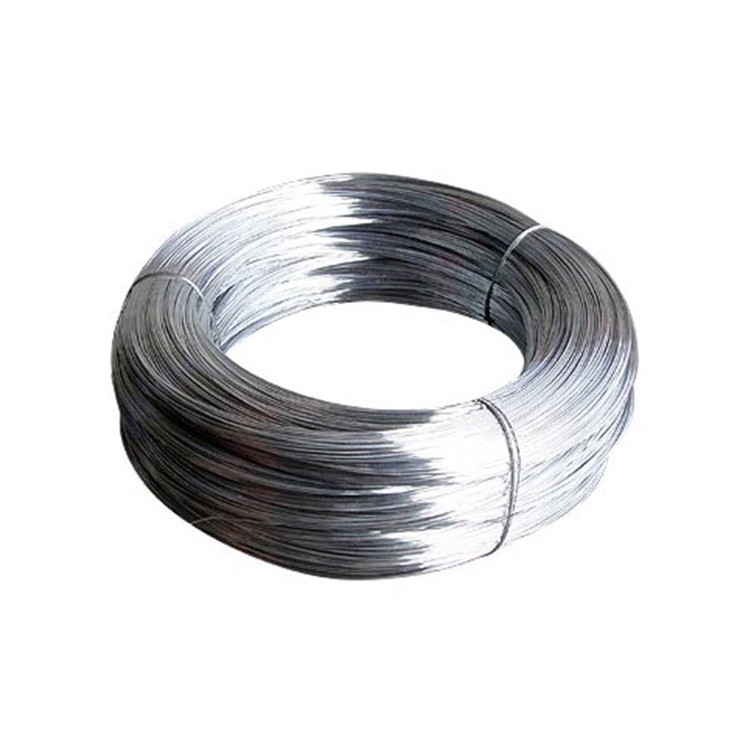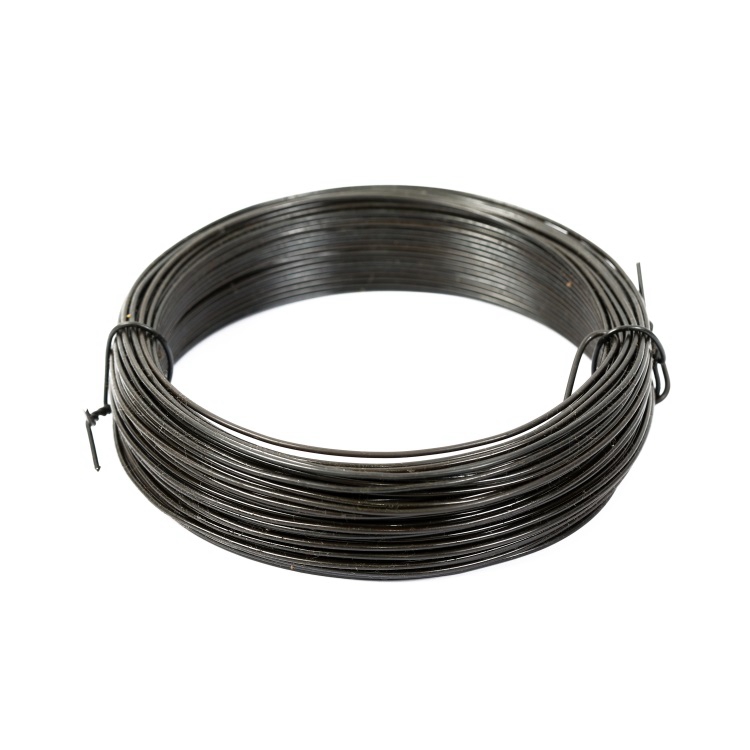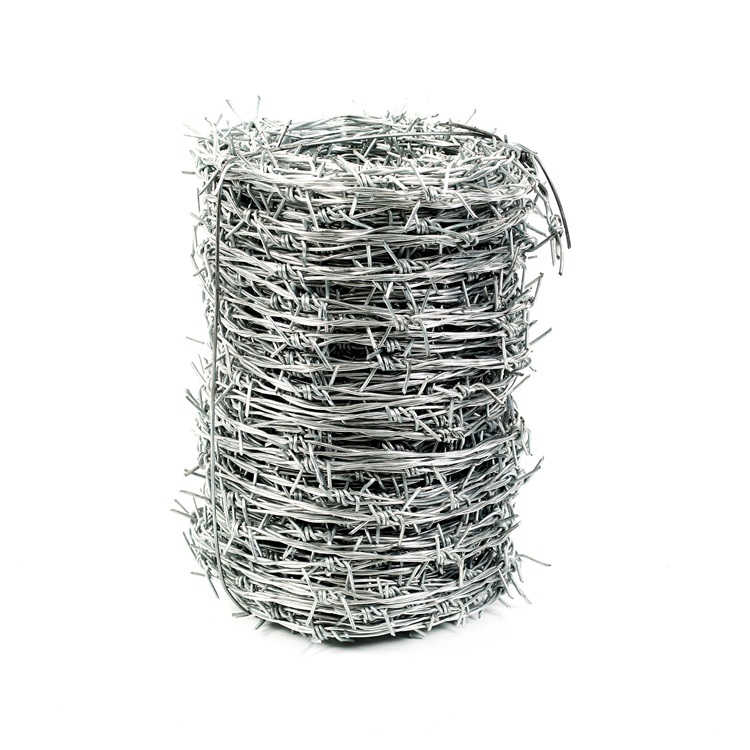
Durable and Versatile Chicken Wire Mesh Iron Wire Netting for Global Applications
Understanding Chicken Wire Mesh Iron Wire Netting: A Tiny Hero in Global Industry
If you’ve ever peeked behind a chicken coop or eyed a reinforced wall, you’re likely glimpsing the humble hero known as chicken wire mesh iron wire netting. It’s one of those unsung products that quietly solves big problems worldwide—from agriculture to construction and disaster relief. Globally, this mesh netting has become essential, not just for its durability but because it’s affordable and flexible, helping countless industries and communities. And honestly, understanding why this scrubby little wire matters could unlock how we think about infrastructure, safety, and sustainable development at a basic level.
In a world increasingly obsessed with high tech and flashy innovations, sometimes a straightforward solution like chicken wire mesh iron wire netting offers unmatched value. Whether it's keeping animals safe, reinforcing building projects, or acting as a lightweight barrier in remote zones, this netting blends simplicity with efficiency.
Why Chicken Wire Mesh Iron Wire Netting Matters in Today’s Global Context
Look at the stats: Agriculture still employs over 27% of the global workforce (according to the FAO), where protecting livestock and crops is critical. But beyond farms, the versatile iron wire netting is integral to construction in developing nations—increasingly so, as urbanization surged past 55% globally (World Bank data).
But here’s the rub — many developing regions face shortages of affordable, durable materials to support safe housing and secure farming spaces. Enter the chicken wire mesh iron wire netting, a low-cost, easily transportable material that fills this gap. Using it helps overcome logistical headaches, budget restrictions, and even environmental constraints.
So basically, it’s a core material that’s quietly supporting a lot of the world’s growth, safety, and sustainability goals. No flashy headlines—just everyday utility.
Mini takeaway:
- Chicken wire mesh offers cost-effective protection for millions globally.
- It addresses critical challenges in agriculture and infrastructure.
- It’s a practical link in the supply chain for developing economies.
What Exactly Is Chicken Wire Mesh Iron Wire Netting?
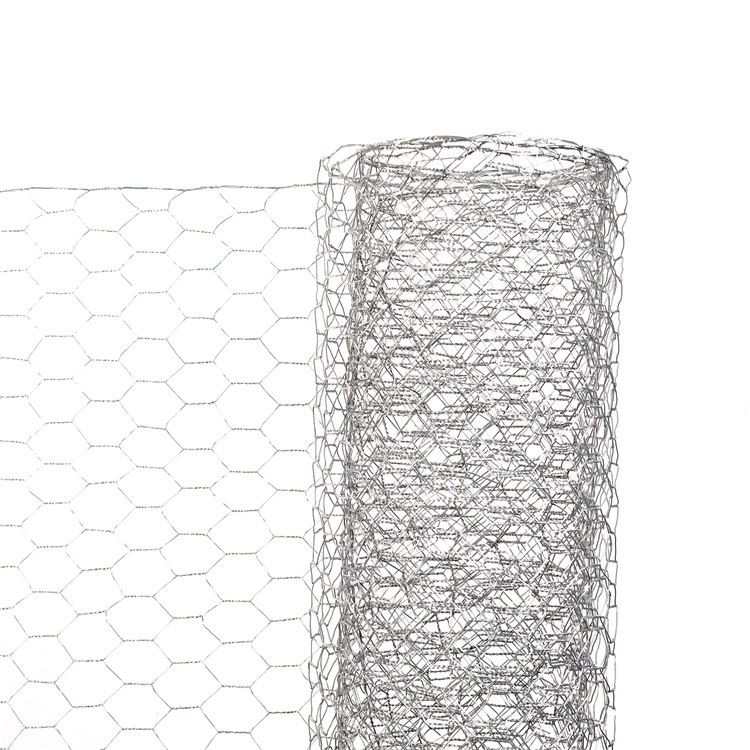
At its simplest, think of chicken wire mesh iron wire netting as a web of thin, hexagonal metal threads—often galvanized iron—that create a flexible yet tough grid. This mesh, usually woven or welded, forms hexagonal holes roughly 1/2 to 2 inches in diameter.
It’s widely used for fencing, cages, partitions, and sometimes as a base layer for plaster or concrete in construction. When people say 'chicken wire,' they mostly mean a lightweight iron mesh combining durability with easy handling. Sometimes it’s galvanized or coated to resist rust—important when exposed outdoors.
Its connection to modern humanitarian or industrial needs is bigger than one might expect. For example, in refugee camps or post-disaster housing setups, it’s a quick, cheap way to build partitions or protective barriers.
Mini takeaway:
- It’s a hexagonal wire mesh typically galvanized for rust resistance.
- Common in farming, building, and emergency relief sectors.
- Its design balances flexibility with strength for multiple uses.
Core Components of Chicken Wire Mesh Iron Wire Netting
1. Durability and Rust Protection
Most chicken wire nets use galvanized iron, meaning the iron threads are coated in a layer of zinc. This zinc barrier prevents rust and corrosion, extending the life of the mesh even in humid or rainy climates. Some vendors also provide PVC-coated netting for extra longevity.
2. Flexibility and Adaptability
The hexagonal pattern and thin wires let the mesh bend and mold to different shapes without breaking—pretty handy when fencing irregular-sized pens or creating round cages, for instance.
3. Cost Efficiency
Compared to welded steel wire or solid panels, chicken wire mesh iron wire netting is surprisingly affordable, especially in bulk. This means NGOs or farms on tight budgets can still secure their spaces without compromising function.
4. Easy Installation
The lightweight mesh rolls easily, so farmers or workers can install or remove it without heavy equipment. This portability is key in zones where manual labor is primary.
5. Environmental Considerations
Because it's reusable and often recyclable, the mesh scores points for sustainability in many circles. Plus, galvanized coatings tend to be less harmful than chemical paints or treatments.
6. Scalability
Whether you need a small backyard barrier or hundreds of meters for a large agricultural project, this netting scales up nicely.
Mini takeaway:
- It offers durability through galvanization and optional coatings.
- Its flexibility supports diverse shape and size needs.
- Cost-wise, it beats many alternatives on bang for the buck.
- And from an environmental lens, it’s pretty responsible.
Chicken Wire Mesh Iron Wire Netting in Action Around the World
Real-world applications span continents and industries:
- Agriculture: Protecting poultry and livestock in Latin America, Africa, and Asia, where secure fencing can make or break livelihoods.
- Construction: Used as armature mesh in plaster walls or concrete reinforcement in rapidly expanding urban zones across India and Southeast Asia.
- Humanitarian Aid: In post-disaster relief (think Haiti after the 2010 earthquake), NGOs have relied on chicken wire to build quick boundaries or reinforce shelters.
- Mining and Industrial Use: Safety fences and storage partitions in remote mining sites in Australia and Canada.
Interestingly, it’s also popular in DIY and home gardening worldwide—an all-rounder, truly.
Mini takeaway:
- From farms to disaster zones, this netting solves versatile challenges.
- Its adaptability is why it’s embraced by NGOs, miners, and gardeners alike.
Product Specification Table: Typical Chicken Wire Mesh Iron Wire Netting
| Specification | Typical Range | Notes |
|---|---|---|
| Material | Galvanized Iron Wire (Usually 0.6-1.5 mm dia.) | PVC coating optional |
| Mesh Size (Hexagonal Opening) | 15mm to 50mm (1/2 inch to 2 inch) | Common sizes cater to poultry or larger animals |
| Roll Width | 0.5m to 2m | Depends on supplier |
| Roll Length | 10m to 50m | Bulk orders available |
| Weight per Roll | 5kg to 20kg (approx.) | Varies with wire thickness |
Vendor Comparison: Top Suppliers of Chicken Wire Mesh Iron Wire Netting
| Vendor | Product Variety | Pricing | Delivery Reach | Quality Certifications |
|---|---|---|---|---|
| Five Star Metals | Wide range; galvanized & PVC coated | Competitive, volume discounts | Global, including developing countries | ISO 9001, ISO 14001 |
| Global Wire Industries | Focus on galvanized mesh only | Mid-tier pricing | Regional (Asia-Pacific) | ISO 9001 |
| EcoMesh Supplies | Eco-friendly PVC netting options | Premium pricing | Europe and North America | ISO 14001, LEED recommendations |
The Advantages and Long-Term Value of Chicken Wire Mesh Iron Wire Netting
Frankly, you don’t get much at this price point that balances cost and durability so well. It’s tough enough to keep animals from straying—as any farmer will tell you, that saves thousands a year in lost stock. On a social front, having reliable fencing means safer communities and less livestock theft.
From a sustainability perspective, the fact that it’s reusable and recyclable speaks directly to the growing push for circular economy materials. This meshes well (pun intended) with global efforts to reduce waste and carbon footprints.
Plus, from an innovation standpoint, small tweaks in coatings or wire diameter can customize mesh for specialized tasks, offering flexibility without costing a heap.
Emotionally and logically, it inspires trust. Workers know what to expect. The product’s proven track record means fewer surprises in the field—which, when dealing with essential safety materials, is priceless.
Looking Ahead: Trends and Innovations in Iron Wire Netting
Looking ahead, it’s interesting how manufacturers are experimenting with bio-based coatings to replace PVC and improve biodegradability. Alongside that, automation in welding and weaving techniques is increasing quality and reducing production costs.
Also notable: some companies are integrating conductive wires into netting for electric fencing, merging traditional mesh with smart livestock management systems—kind of an interesting tech fusion.
Governments and standards bodies (ISO) are leaning toward stricter regulations on material safety and environmental impact, pushing suppliers to innovate responsibly.
Challenges and Thoughtful Solutions
Let’s be honest: if galvanized poorly or left uncoated in salty or acidic environments, the mesh can corrode prematurely—thwarting the entire point. Sometimes installation is rushed, leading to sagging or gaps. Plus, sourcing consistently quality wire mesh can be tricky in remote areas.
The fix? Higher-quality galvanization, routine maintenance training for users, and collaborating with dependable suppliers—sometimes directly via NGO partnerships for bulk imports—help overcome these pitfalls.
FAQ: Clearing Up Common Questions About Chicken Wire Mesh Iron Wire Netting
- Q: How long does chicken wire mesh iron wire netting typically last outdoors?
A: When properly galvanized and maintained, it can last 5 to 10 years or more outdoors. PVC coatings extend this lifespan especially in wet or salty environments. - Q: Can this mesh be customized for different livestock or fencing needs?
A: Absolutely. Wire thickness and mesh size vary depending on whether you’re fencing chickens, goats, or larger animals. Suppliers often make custom orders. - Q: Is chicken wire mesh iron wire netting recyclable?
A: Yes, primarily because it's made from iron and coated zinc, both recyclable metals. Sustainability-conscious vendors encourage recycling old mesh. - Q: How do NGOs import these meshes efficiently for humanitarian projects?
A: NGOs typically establish wholesale agreements with reliable manufacturers to secure bulk shipments. Proper planning ensures timely customs clearance and delivery.
Wrapping Up: Why Chicken Wire Mesh Iron Wire Netting Still Holds its Ground
In a world sprinting towards automation and ultra-high-tech materials, the reliable, straightforward chicken wire mesh iron wire netting holds its ground for a simple reason: it works. Durable, inexpensive, versatile—and backed by decades of practical use—it remains essential globally. Whether you’re a farmer in rural Kenya or a disaster relief coordinator in Southeast Asia, it stays relevant.
Want to find out more or source your own? Visit Five Star Metals for a wide selection of trusted, quality nets.
Final takeaway:
Sometimes, the most unassuming products quietly support the biggest global needs. Chicken wire mesh iron wire netting is exactly that kind of staple — simple, smart, and significantly impactful.
References:


-
Canton Fair 2026-4 in Guangzhou,China
NewsApr.24,2027
-
High Quality Common Nails 1212 for Construction Projects
NewsApr.16,2026
-
The 139th Canton Fair
NewsApr.14,2026
-
Guide to Using Galvanised Common Round Nails for Durable Construction
NewsApr.09,2026
-
Comprehensive Guide to Flat Head Common Nails for Construction Projects
NewsApr.07,2026
-
Understanding the Versatility of the Common Nail 5 5 for Various Applications
NewsApr.04,2026