Comprehensive Guide to Fence Slats Chain Link: Benefits & Global Applications
Understanding Fence Slats Chain Link: A Global Perspective
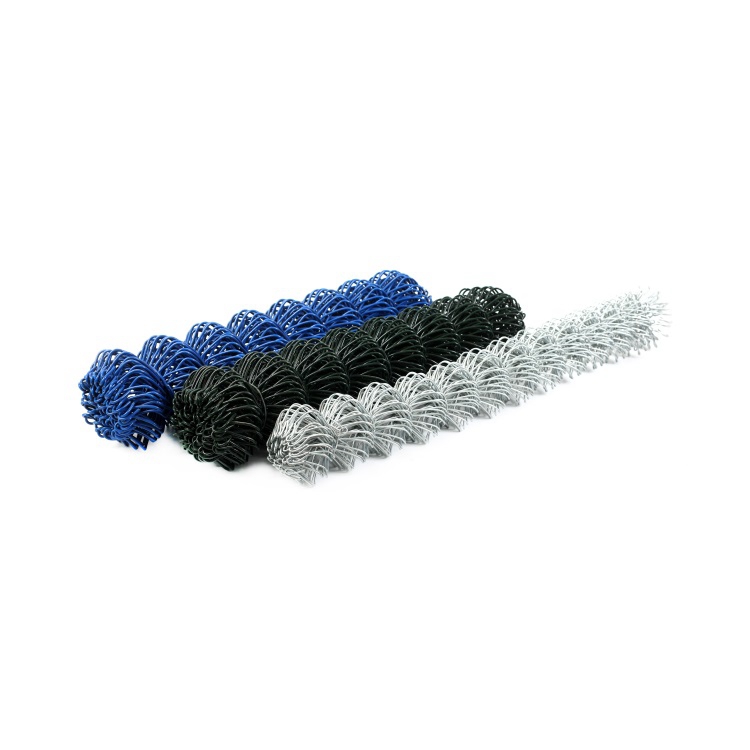
So, what exactly are fence slats chain link, and why are they becoming such a pivotal topic worldwide? At their core, fence slats on chain link fences are essentially strips—usually made of durable plastic, vinyl, or metal—that weave through the diamond-shaped patterns of chain link fencing. These slats provide added privacy, improved aesthetics, and sometimes even wind resistance. Globally, such additions are more than just functional; they represent a simple, scalable solution for security, community privacy, and even visual appeal in both residential and industrial zones. Understanding this helps industries, municipalities, and even humanitarian efforts upgrade fencing without costly rebuilds.
Put plainly, fence slats on chain link fences address a very basic, yet widespread challenge: how to make open chain fences less transparent and more adaptable to various needs, from privacy to safety, without compromising airflow or simplicity.
Global Context: Why Fence Slats Chain Link Matter
Chain link fences are ubiquitous—used in everything from schools to warehouses, borders to parks—in over 75% of urban areas worldwide, according to estimates referenced by the International Fence Association. But the problem arises when a chain link fence offers little privacy or protection from wind and debris. That's where fence slats save the day. They are cost-effective, easy to install, and versatile solutions gaining traction especially in regions with growing urban populations, such as North America, Europe, and parts of Asia.
UN habitat reports mention rising urban density contributing to increased demand for fence privacy and durability. Plus, chain link fences equipped with slats are becoming a favored choice in sustainable communities, where airflow and visibility are balanced with privacy. Still, environmental factors such as harsh weather or vandalism can challenge these installations, calling for tougher materials and clever designs.
What Are Fence Slats Chain Link? A Clear Definition
Simply put, fence slats are narrow strips designed to fit snugly into the openings of a chain link fence, creating a lattice that reduces visibility and sometimes blocks wind or dust. They come in various materials—vinyl, polyethylene, aluminum, polyester, or even recycled composites—each imparting different durability, color options, and price points.
You're likely to see these slats used in schools to protect student privacy, in sports complexes to create sight barriers, or in industrial yards to secure equipment while ensuring good airflow. Oddly enough, they also tie into humanitarian applications, where quick, secure, and private perimeter fencing can be critical, for example in refugee camps or temporary medical centers.
Core Components of Fence Slats Chain Link
Durability
One of the standout features is the material's resilience. Vinyl or PVC slats hold up well against rain, UV rays, and temperature fluctuations. Aluminum slats can provide sturdiness plus rust resistance in coastal environments. Durability means less frequent replacements and better long-term value.
Scalability
These slats are modular by nature. Installers can choose full or partial slat coverage, adjust colors, or mix patterns. This adaptability enables everything from commercial fencing projects to residential DIY upgrades.
Cost Efficiency
Compared to erecting a solid wall or installing privacy panels, slats are a budget-friendly alternative. Their easy insertion into existing chain link fences avoids costly demolition or rebuilds, making them attractive for municipalities or property managers on a budget.
Environmental Impact
Many manufacturers now use recycled plastics or eco-friendly composites, lowering the carbon footprint. Plus, by extending fence life and reducing replacement cycles, slats contribute to sustainability goals.
Aesthetic Flexibility
Colors range from grayscale to vibrant hues—letting designers or owners add a subtle or bold statement. Sometimes, that aesthetic appeal boosts community pride or business branding.
Practical Applications Across the Globe
Let's look at some examples:
- Urban neighborhoods: Fence slats installed in chain link fences help keep children safe and shield yards from outside view.
- Agricultural zones: They protect crops from wind damage while allowing enough airflow to prevent mold or mildew.
- Sports fields: Schools and sports clubs deploy slats to reduce visual distractions and provide sponsorship branding space.
- Industrial and military sites: Security and privacy are top priorities, making slatted fencing a practical choice.
- Disaster-relief camps: Quick to install partitions using chain link fences with slats improve privacy in temporary shelters.
In remote industrial zones, having a fence that balances durability with airflow can mean the difference between equipment degradation or preservation. Meanwhile, NGOs increasingly rely on slatted fencing to create dignified, private spaces during humanitarian missions.
Advantages and Long-Term Value
Fence slats offer more than just privacy. There's a tangible sense of security and safety that comes with a less permeable fence—even a psychological boost. Cost wise, they’re a win, extending fence life and cutting maintenance. Sustainability-wise, choosing eco-conscious materials helps communities meet tight environmental regulations.
As a homeowner or business owner, installing fence slats chain link balances functionality with affordability, all while improving visual appeal. Emotionally, they help residents or employees feel ‘enclosed’ safely, not trapped.
Product Specifications Snapshot
| Specification | Typical Range/Value | Remarks |
|---|---|---|
| Material | Vinyl, aluminum, recycled plastic | Selection based on environment & budget |
| Slat Width | 1-1.5 inches (25-38 mm) | Fits most chain link gauge sizes |
| UV Resistance | High, up to 10 years | Ensures color & strength over time |
| Installation Time | Approx. 20-30 minutes per 10 ft | Fast for professionals and DIY |
| Colors Available | 15+ including Black, White, Green | Custom color matching often possible |
Vendor Comparison At A Glance
| Vendor | Material Options | Price per 100 ft (USD) | Warranty | Eco-friendly Options |
|---|---|---|---|---|
| FenceRite Solutions | Vinyl, Aluminum | $110 | 10 years | No |
| EcoSlat Co. | Recycled Polyethylene | $130 | 12 years | Yes |
| Durafence Supplies | Vinyl, Composite | $115 | 8 years | Partial |
Future Trends & Innovations
The fencing world is quietly evolving. For fence slats chain link, that means exploring advanced composite materials that resist graffiti and UV, reducing maintenance. Some producers experiment with solar-integrated slats that can power small LED security lighting—oddly enough, a fence can glow sustainably now.
Digitally, enhanced design software lets contractors pre-visualize patterns and wind resistance effects, cutting errors on-site. Green building certifications increasingly factor in fencing sustainability, encouraging manufacturers to push recycled content percentages.
Common Challenges and Solutions
Truth be told, fence slats aren’t perfect. UV degradation, slats loosening over time, or wind damage are common issues. But smart locking designs have emerged to secure slats firmly. Also, blending slat density can balance privacy without turning fences into wind tunnels prone to blowing out.
Expert installers often recommend maintenance schedules and choosing materials suited for local climates, which makes a huge difference in longevity.
FAQ: Your Questions About Fence Slats Chain Link
- How do fence slats affect wind flow?
- The amount of slats inserted changes wind resistance. Full coverage blocks most wind, while partial coverage allows airflow to reduce fence strain during storms, prolonging fence life.
- Can I install slats on any chain link fence?
- Most chain link fences sized 9 to 12 gauge can accept standard slats. It’s good to measure your fence diamond size to get compatible slats—some manufacturers offer adjustable widths.
- Are fence slats easy to clean and maintain?
- Yes, vinyl and aluminum slats usually require only mild detergent and water spraying. This low maintenance aspect adds to their appeal for commercial and residential use.
- Do fence slats increase security?
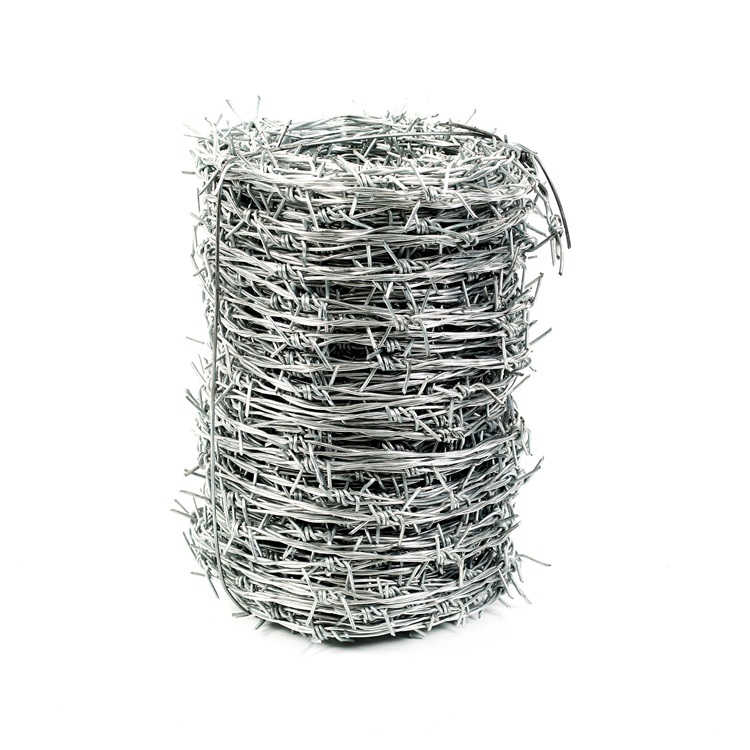
- While slats reduce visibility and climbing footholds, they don’t physically reinforce fences like barbed wire or tall security fences, but their privacy aspect can deter potential intruders.
In Conclusion: Why Fence Slats Chain Link Are a Smart Choice
Fence slats chain link truly stand out as an affordable, flexible, and practical upgrade to the classic chain link fence. They meet growing global needs for privacy, safety, and durability—without sacrificing airflow or stylish appeal. Whether you're securing a busy industrial site or sprucing up your backyard, fence slats are a savvy investment, backed by evolving tech and eco-friendly trends.
For anyone interested in exploring options or sourcing slats, don’t hesitate to visit fence slats chain link suppliers to find the perfect fit for your project.
Oddly enough, it’s these simple additions that often make the biggest difference — kind of like putting a frame around a picture, the fence slats turn basic fencing into something with purpose and personality.
References


-
Canton Fair 2026-4 in Guangzhou,China
NewsApr.24,2027
-
High Quality Common Nails 1212 for Construction Projects
NewsApr.16,2026
-
The 139th Canton Fair
NewsApr.14,2026
-
Guide to Using Galvanised Common Round Nails for Durable Construction
NewsApr.09,2026
-
Comprehensive Guide to Flat Head Common Nails for Construction Projects
NewsApr.07,2026
-
Understanding the Versatility of the Common Nail 5 5 for Various Applications
NewsApr.04,2026