Understanding Common Nail Building Material for Construction and Renovation Projects
Understanding Common Nail Building Material: A Comprehensive Guide
When undertaking construction or renovation projects, selecting the right building materials is crucial for ensuring structural integrity and longevity. Among the most fundamental of these is the common nail. While seemingly simple, common nails are essential fasteners used in a vast array of applications. This article will delve into the characteristics, types, uses, and considerations when choosing common nail building material, providing a thorough understanding for both professionals and DIY enthusiasts. Choosing the right nail can make all the difference in the success of your project.
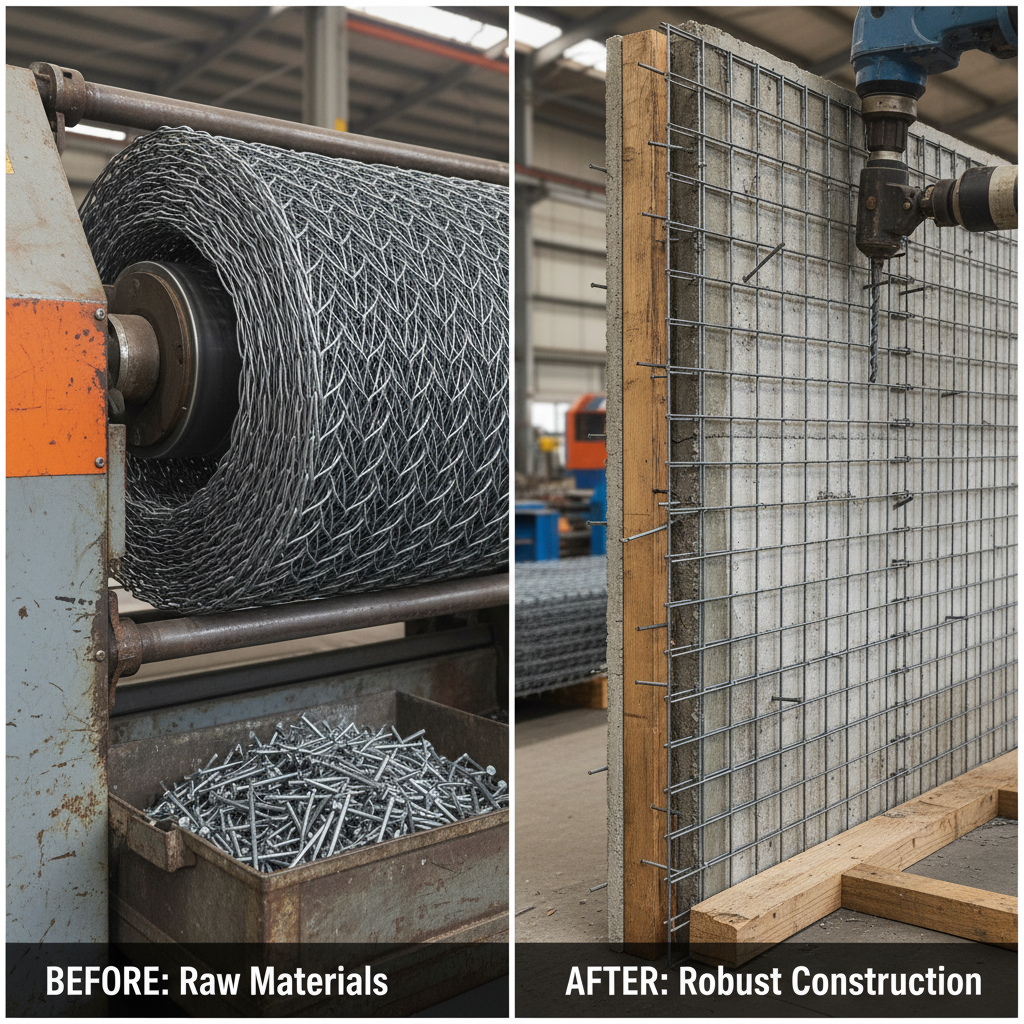
What are Common Nails?
Common nails are cylindrical fasteners with a flat head and a pointed end. They are typically made from steel wire, and their simplicity and affordability have made them a staple in the construction industry for centuries. The term "common" refers to their widespread use in general construction, framing, and various other applications where strong and reliable fastening is needed. The strength of a nail depends on its gauge (diameter) and length, with thicker and longer nails offering greater holding power. These nails are versatile and are frequently used for tasks ranging from building wooden structures to securing siding and roofing materials.
Key Highlights: Common nails are a simple yet essential building material, valued for their strength, affordability, and versatility in a wide range of construction applications.
Different Types of Common Nails
While the term "common nail" often refers to a standard type, several variations exist to cater to specific needs. These include galvanized nails, which are coated with zinc to resist corrosion, making them ideal for outdoor projects. Box nails, which are thinner with a smaller head, are often used for finish work and trim. Enameled nails offer a decorative finish, while hardened nails provide increased strength for demanding applications. Selecting the correct type depends on the environment and intended use of the construction project. Fivestar-Metals offers a broad variety of these common nails.
Common Nail Types & Applications:
• Galvanized Nails: Outdoor projects, corrosion resistance.
• Box Nails: Finish work, trim, delicate materials.
• Enameled Nails: Decorative purposes.
• Hardened Nails: Heavy-duty applications, hardwoods.
Common Nail Sizes and Specifications
Common nails are available in various sizes, determined by their length and gauge (diameter). Length is measured in inches, commonly ranging from 1 inch to 6 inches. The gauge, or "penny" size (d), indicates the diameter of the nail. A higher penny size corresponds to a thicker nail. For example, a 6d nail is thicker than a 4d nail. Choosing the appropriate size is critical to ensure adequate holding power without causing the wood to split.
Applications of Common Nails in Construction
Common nails are used in a remarkably diverse range of construction applications. Framing walls, roofs, and floors relies heavily on their strength and reliability. They are also employed in securing subflooring, sheathing, and siding. Furthermore, common nails find use in fencing, pallet construction, and general repair work. Their simplicity makes them easy to use with a hammer or nail gun, streamlining the construction process. Properly driven nails ensure a secure and lasting connection between materials.
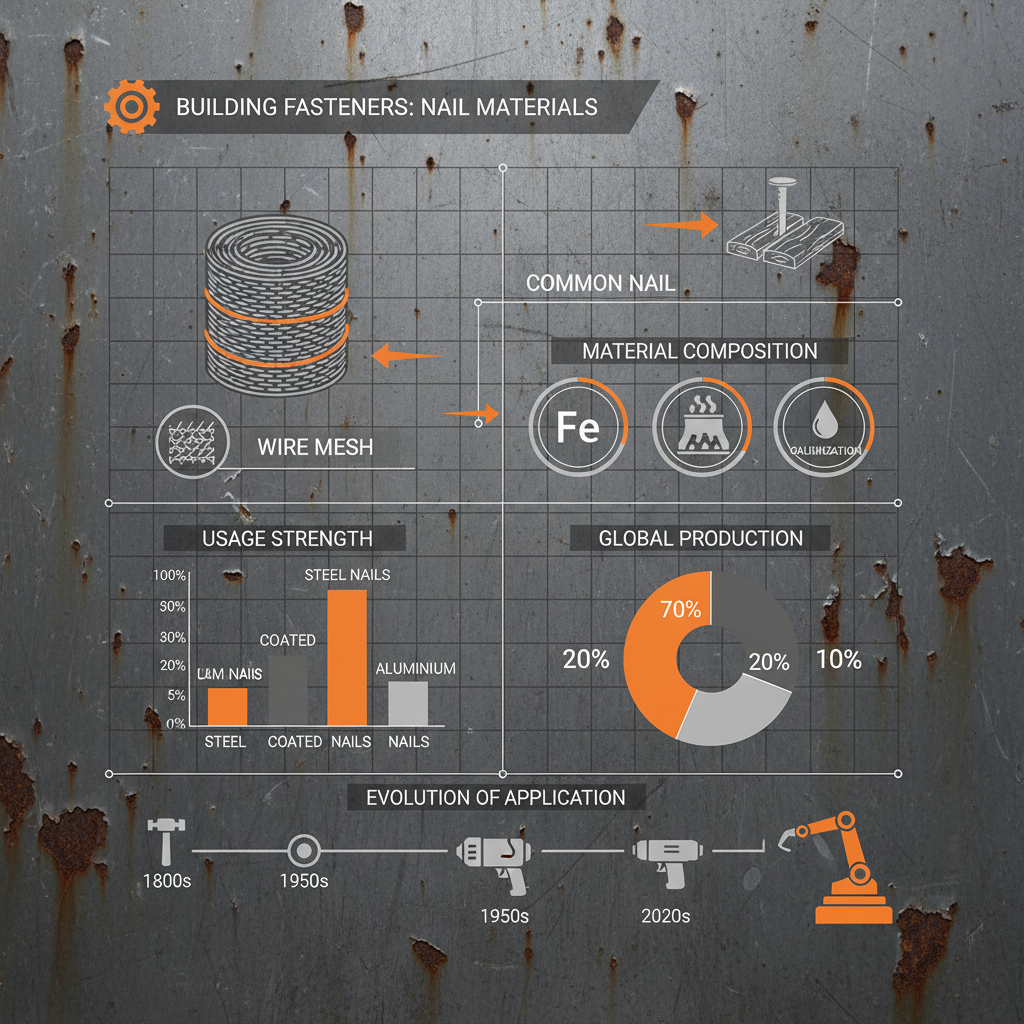
Selecting the Right Common Nail for Your Project
Choosing the right common nail involves considering several factors. The type of wood you're working with is crucial; hardwoods require stronger nails than softwoods. The environment also plays a role – galvanized nails are essential for outdoor projects to prevent rust. The load-bearing capacity of the connection is another critical consideration. Thicker nails offer greater holding power. Fivestar-Metals provides detailed product specifications to help you select the optimal nail for your specific requirements.
Conclusion: The Enduring Importance of Common Nails
The common nail remains an indispensable building material, despite advancements in fastening technology. Its affordability, versatility, and reliability continue to make it a preferred choice for countless construction and renovation projects. By understanding the different types, sizes, and applications of common nails, you can ensure the structural integrity and longevity of your work. Choosing quality nails from a trusted supplier like Fivestar-Metals is an investment in the success of your project.
Frequently Asked Questions (FAQs)
What is the best way to prevent nails from bending when hammering?
Bending nails is a common issue, often caused by striking the nail at an angle or using excessive force. Ensure you strike the nail head squarely with the hammer. Start with gentle taps to set the nail, then increase the force gradually. Using a nail holder or starting the nail with your fingers can also help maintain a straight trajectory. If you're working with hardwoods, consider using a pilot hole slightly smaller than the nail's diameter to reduce resistance.
How do I choose between galvanized and non-galvanized nails?
The choice depends on the environment. Galvanized nails are coated with zinc to resist corrosion, making them ideal for outdoor projects, decks, fencing, and any application where moisture is present. Non-galvanized nails are suitable for indoor projects where corrosion isn't a concern. Using galvanized nails indoors is generally fine, but using non-galvanized nails outdoors will lead to rust and weaken the connection over time.
What are the signs that a nail connection is failing?
Signs of a failing nail connection include visible rust, loose nail heads, creaking or movement in the structure, and gaps around the nail. If you observe any of these signs, it's crucial to inspect the connection further and replace the nails if necessary. Ignoring these warning signs can compromise the structural integrity of the building.
Is it possible to remove a bent nail without damaging the wood?
Removing a bent nail can be tricky, but it's often possible with the right tools and technique. Use a nail puller or a claw hammer to carefully lift the nail. If the nail is severely bent, gently rock it back and forth while pulling to avoid splitting the wood. You can also try tapping the nail head from the opposite side to loosen it. If the nail is deeply embedded, you might need to drill a small pilot hole around the nail to create more space for removal.


-
Canton Fair 2026-4 in Guangzhou,China
NewsApr.24,2027
-
High Quality Common Nails 1212 for Construction Projects
NewsApr.16,2026
-
The 139th Canton Fair
NewsApr.14,2026
-
Guide to Using Galvanised Common Round Nails for Durable Construction
NewsApr.09,2026
-
Comprehensive Guide to Flat Head Common Nails for Construction Projects
NewsApr.07,2026
-
Understanding the Versatility of the Common Nail 5 5 for Various Applications
NewsApr.04,2026