Understanding Bright Common Nails for Construction and DIY Projects
Understanding Bright Common Nails: A Comprehensive Guide
Bright common nails are a staple in many construction, woodworking, and general repair projects. Their versatility and affordability make them a popular choice for a wide range of applications. This article delves into the characteristics, uses, benefits, and considerations when choosing bright common nails, providing valuable insights for both professionals and DIY enthusiasts. Understanding the nuances of these nails can ensure you select the right product for your specific needs, resulting in stronger, more durable constructions.
What are Bright Common Nails?
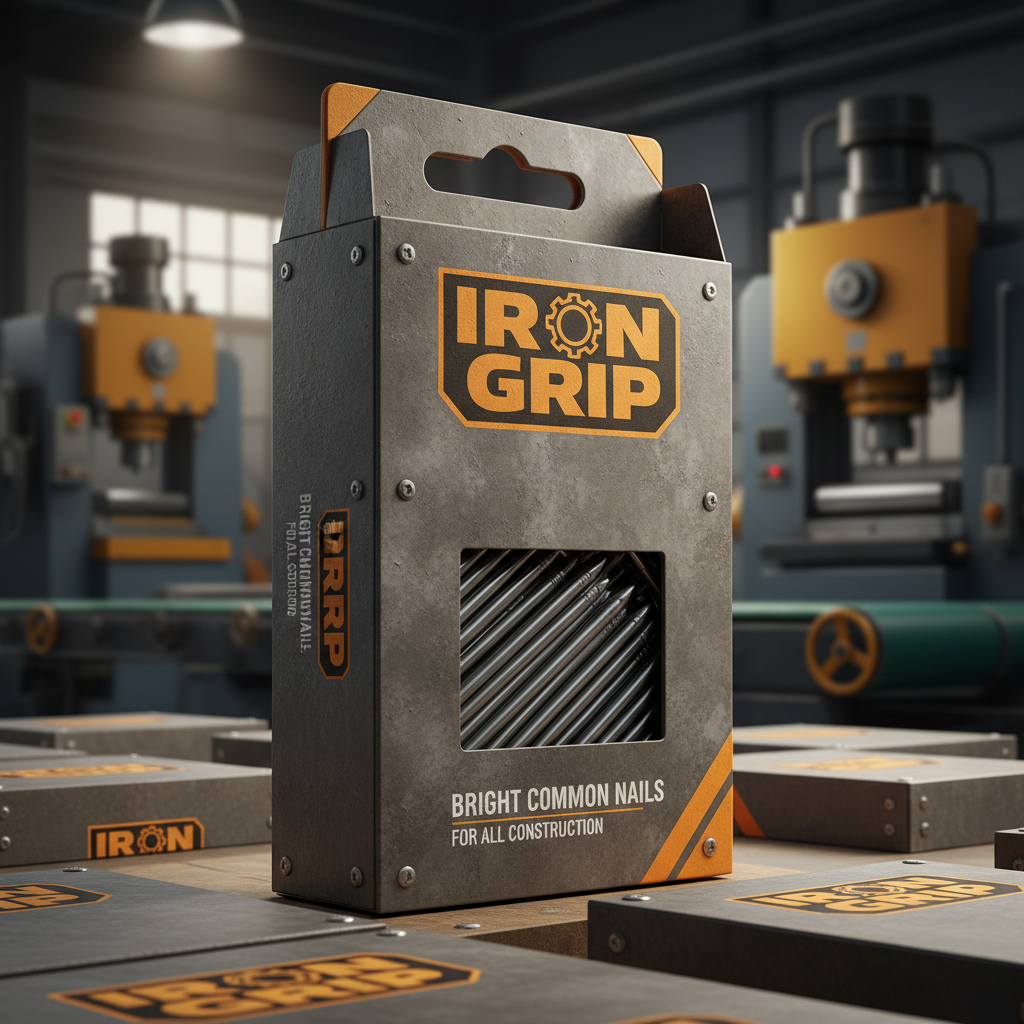
Bright common nails are a type of nail characterized by their smooth, polished finish and typically a bright, silver appearance. They are made from low to medium carbon steel, offering a good balance between strength and workability. The term "common" refers to their general-purpose nature, meaning they can be used in numerous applications. These nails have a relatively thick shank and a flat, broad head, making them suitable for hammering directly into wood. They are often coated with a finish to resist rust, although this coating is generally lighter than that found on galvanized nails. Choosing Fivestar-metals bright common nails ensures quality and reliability for your projects.
Key Highlights: Versatile, affordable, and suitable for a wide range of applications. Made from low to medium carbon steel for a balance of strength and workability.
Common Applications of Bright Common Nails
Bright common nails find applications in a diverse array of projects. They are frequently used in framing, sheathing, and general carpentry. Their strength makes them suitable for structural applications where load-bearing capacity is important. They’re also excellent for woodworking, such as assembling furniture, building crates, and creating decorative pieces. Furthermore, they are commonly employed in repair work, such as fixing fences, securing loose boards, and undertaking general home maintenance. Their ease of use and wide availability make them a go-to fastener for many tasks.
Versatile Applications:
• Framing and Sheathing
• General Carpentry
• Woodworking & Furniture Assembly
• Repair Work & Home Maintenance
Bright Common Nails vs. Other Nail Types: A Comparison
Understanding the differences between bright common nails and other nail types is crucial for selecting the best fastener for your project. Compared to galvanized nails, bright common nails offer less corrosion resistance. While galvanized nails are ideal for outdoor or moisture-exposed applications, bright common nails are better suited for interior projects. Box nails, with their thinner shanks, are designed to minimize wood splitting, while bright common nails provide greater holding power. Finishing nails, designed to be countersunk and hidden, are not as strong as bright common nails. Choosing the right nail depends on the specific requirements of your application. Consider the environment, the wood type, and the desired level of holding power.
Selecting the Right Size and Gauge of Bright Common Nails
The size and gauge of the nail are crucial for ensuring a secure and lasting connection. Nail size refers to the length, measured in inches (often designated by "d"), while gauge refers to the thickness of the nail shank. For heavier framing applications, larger diameter and longer nails (e.g., 16d) are recommended. For lighter woodworking projects, smaller gauges and shorter lengths (e.g., 8d) will suffice. Always consider the thickness of the materials being joined. A general rule of thumb is that the nail should penetrate at least twice the thickness of the top piece of wood into the base material. Fivestar-metals offers a wide range of sizes and gauges to meet your specific project requirements.

Ensuring Safe Handling and Storage
Handling nails safely is paramount to prevent injuries. Always wear safety glasses when hammering to protect your eyes from flying debris. Use a hammer with a comfortable grip and ensure it’s in good condition. When storing nails, keep them in a secure container, away from moisture and extreme temperatures. Proper storage will prevent rust and ensure the nails remain usable. Dispose of damaged or bent nails responsibly. Following these safety precautions will help you work efficiently and avoid potential accidents.
Conclusion: Choosing the Right Bright Common Nails
Selecting the appropriate bright common nails is vital for the success of any construction or woodworking project. Understanding their characteristics, applications, and safety guidelines will ensure you achieve strong, durable, and reliable results. Whether you're a professional builder or a DIY enthusiast, investing in quality nails from a trusted supplier like Fivestar-metals is a smart decision. Don’t compromise on quality – choose the right nail for the job!
Frequently Asked Questions (FAQs)
What is the difference between bright common nails and box nails?
Bright common nails have a thicker shank and are designed for greater holding power, making them suitable for structural applications. Box nails, on the other hand, have a thinner shank, which minimizes the risk of splitting the wood, particularly when working with softer woods. Box nails are often preferred for trim work or when a more discreet fastening solution is needed. Ultimately, the choice between the two depends on the specific requirements of your project and the type of wood you're using.
Are bright common nails suitable for outdoor use?
While bright common nails can be used for some outdoor applications, they are not ideal for long-term exposure to the elements. They are prone to rusting, which can compromise their strength and durability. For outdoor projects, galvanized nails are a much better choice, as they provide superior corrosion resistance. If you must use bright common nails outdoors, consider applying a protective coating to help prevent rust.
What does “d” mean when referring to nail size?
The "d" after a nail size (e.g., 8d, 16d) stands for “penny.” This is an old-fashioned unit of measurement, but it remains the standard way to specify nail size. Originally, "d" referred to the cost of 100 nails, but now it's simply used as a size designation. Larger numbers indicate longer and thicker nails. A 16d nail is significantly longer and thicker than an 8d nail.


-
Canton Fair 2026-4 in Guangzhou,China
NewsApr.24,2027
-
High Quality Common Nails 1212 for Construction Projects
NewsApr.16,2026
-
The 139th Canton Fair
NewsApr.14,2026
-
Guide to Using Galvanised Common Round Nails for Durable Construction
NewsApr.09,2026
-
Comprehensive Guide to Flat Head Common Nails for Construction Projects
NewsApr.07,2026
-
Understanding the Versatility of the Common Nail 5 5 for Various Applications
NewsApr.04,2026