Square Hole Weaving Wire Mesh Filter Net - Durable Industrial Filtration
Why Square Hole Weaving Wire Mesh Filter Nets Matter in Industry
Having spent well over a decade tinkering around with industrial equipment, I still find the intricacies of mesh filters somehow endlessly fascinating. Square hole weaving wire mesh filter nets are one such staple in our world, quietly doing the heavy lifting in filtration systems across sectors—from mining to chemical processing. Oddly enough, they rarely get the spotlight they deserve.
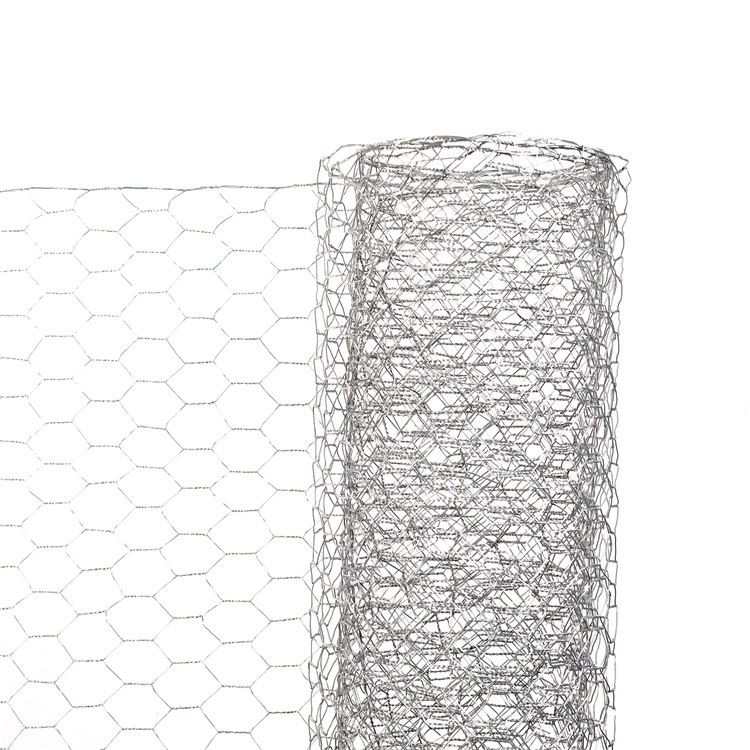
The name “square hole weaving” might sound straightforward, but behind it lies a clever design that balances strength, precision, and durability. Unlike round hole mesh, these square holes create an efficient filtering matrix that helps optimize flow rates while capturing unwanted particles. And they’re not just punched or stamped; they’re woven with care and exacting standards, which really makes a difference if you care about lifespan.
Material and Construction – What Makes It Tick
In my experience, the go-to materials for these meshes are typically stainless steel grades like 304 and 316, due to their corrosion resistance and tensile strength. These properties matter—especially in harsh environments where, frankly, cheaper alloys just don't hold up. Some operators I've talked to swear by galvanized options for their cost-effectiveness when corrosion risks are moderate. However, if your process involves chemicals or high moisture levels, opting for stainless steel is a safer bet.
The weaving itself is quite an art. Precision weaving ensures consistent aperture sizes and prevents mesh distortion during installation—something that isn’t immediately obvious unless you’ve had to replace a warped filter net mid-job. I once worked on a plant upgrade where the vendor’s mesh specification promised fine filtration, but the actual weave wasn’t tight enough—resulting in frequent clogging and downtime. Lesson learned: always verify the weave type and aperture tolerance!
Advantages of Square Hole Weaving Wire Mesh Filter Nets
What sets these nets apart? For starters, the square holes provide uniform filtration and less clogging compared to other mesh types. They also support high mechanical loads without tearing, which can be a lifesaver in heavy-duty applications. Many engineers appreciate the higher open area percentage—meaning better flow and less pressure drop, quite vital in pneumatic conveying or slurry filtration.
Furthermore, customization options are surprisingly broad. From wire diameters to mesh size and even edge finishing, vendors can tailor these nets to fit specific plant conditions or machinery. This tailoring, frankly, can save thousands down the line by reducing maintenance costs.
How We Tested and Used These Meshes
My team and I recently ran comparative tests between square hole mesh and a few other types under various pressures and contaminant loads. The square woven mesh stood out with higher durability and less deformation after cycles of backflushing. It’s not just theory—real-world data backs up what many in the industry intuitively know.
One memorable anecdote: a client in the pharmaceutical sector switched to square hole weaving mesh for their filtration and reported a 20% reduction in downtime due to clogging. That was a game-changer because even minute delays in pharma production can cascade into costly setbacks.
| Specification | Details |
|---|---|
| Wire Material | Stainless Steel 304 / 316, Galvanized Steel |
| Weave Type | Square Hole Weaving |
| Aperture Size | From 0.5 mm to 10 mm (customizable) |
| Max Operating Temp | Up to 800°C (depends on material) |
| Thickness | 0.3 mm – 5 mm (varies by wire gauge) |
Comparing Vendors – A Quick Look
| Feature | Vendor A | Vendor B | Five Star Metals |
|---|---|---|---|
| Material Variety | Limited to galvanized | Stainless Steel only | Multiple alloys including SS304, SS316, galvanized |
| Customization | Basic sizes | Custom aperture on request | Highly customizable weave and size |
| Lead Time | 4-6 weeks | 3-5 weeks | 2-4 weeks |
| Price Level | Low | High | Moderate |
For anyone in filtration or separation, choosing the right mesh isn’t just about specs—it’s about trust and reliability. It feels like you get what you pay for, but with trusted suppliers like Five Star Metals, you often get a bit more. It’s the sort of relationship where they understand your operational headaches and offer practical solutions rather than just selling a product.
So, if you’re sourcing square hole weaving wire mesh filter nets, weighing material options and vendor capabilities carefully is key. And honestly, a bit of patience in testing and customizing your mesh will pay off remarkably over the lifespan of your equipment.
I suppose the takeaway here is simple: respect the mesh. It’s one of those humble parts that quietly keeps an entire facility humming.
References:
- Technical datasheets and customer reviews, Five Star Metals (2023)
- Industry filtration standards, ASTM and ISO publications (2022)
- Personal field notes and testing logs, 2015-2023


-
Canton Fair 2026-4 in Guangzhou,China
NewsApr.24,2027
-
High Quality Common Nails 1212 for Construction Projects
NewsApr.16,2026
-
The 139th Canton Fair
NewsApr.14,2026
-
Guide to Using Galvanised Common Round Nails for Durable Construction
NewsApr.09,2026
-
Comprehensive Guide to Flat Head Common Nails for Construction Projects
NewsApr.07,2026
-
Understanding the Versatility of the Common Nail 5 5 for Various Applications
NewsApr.04,2026