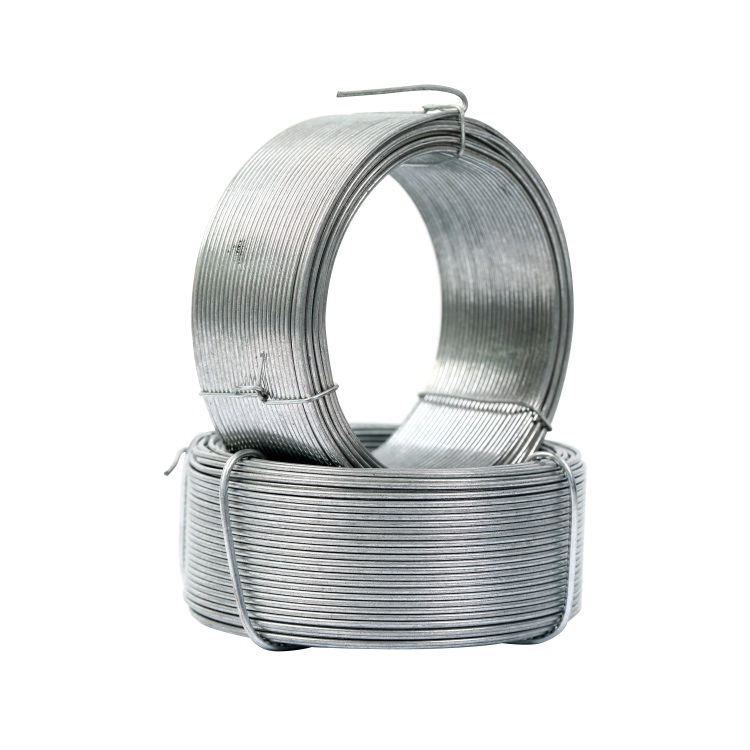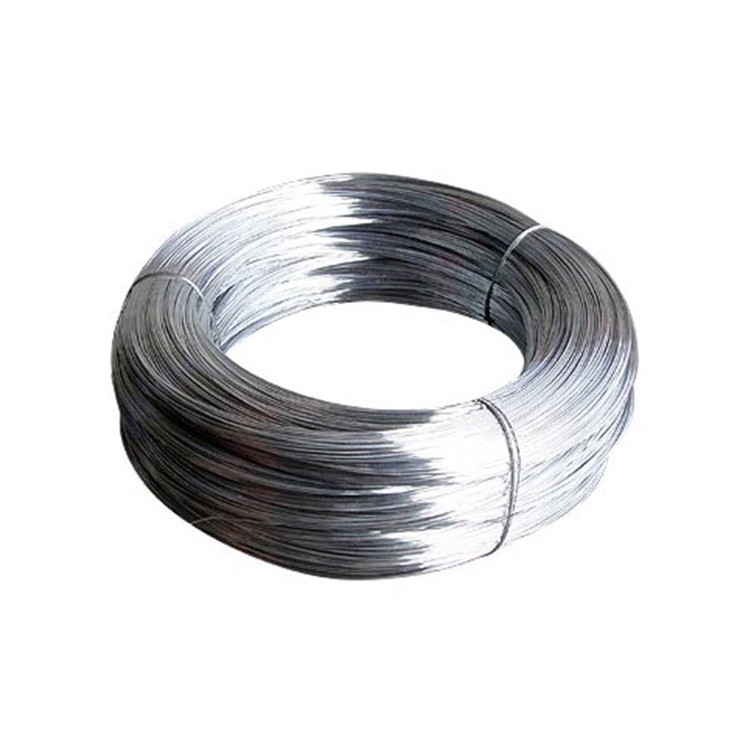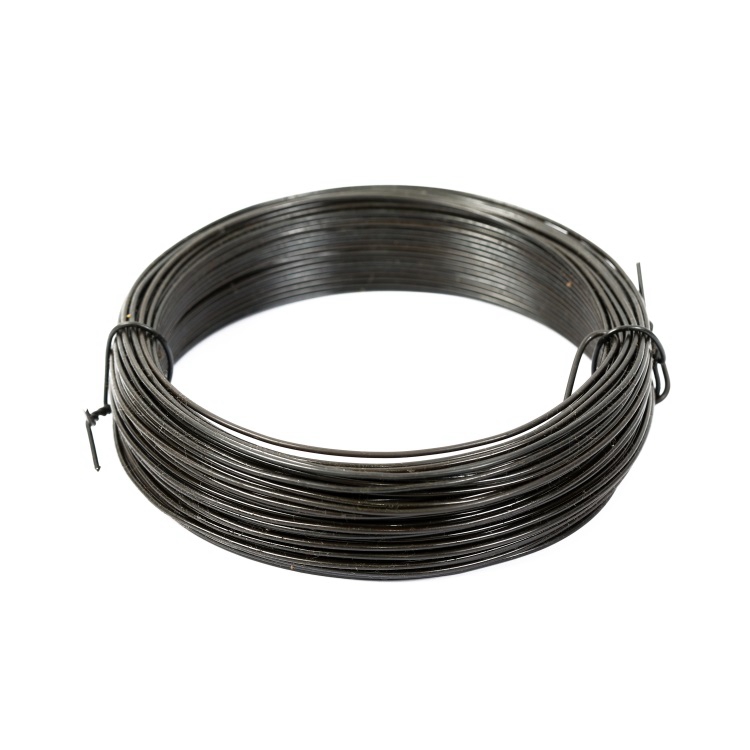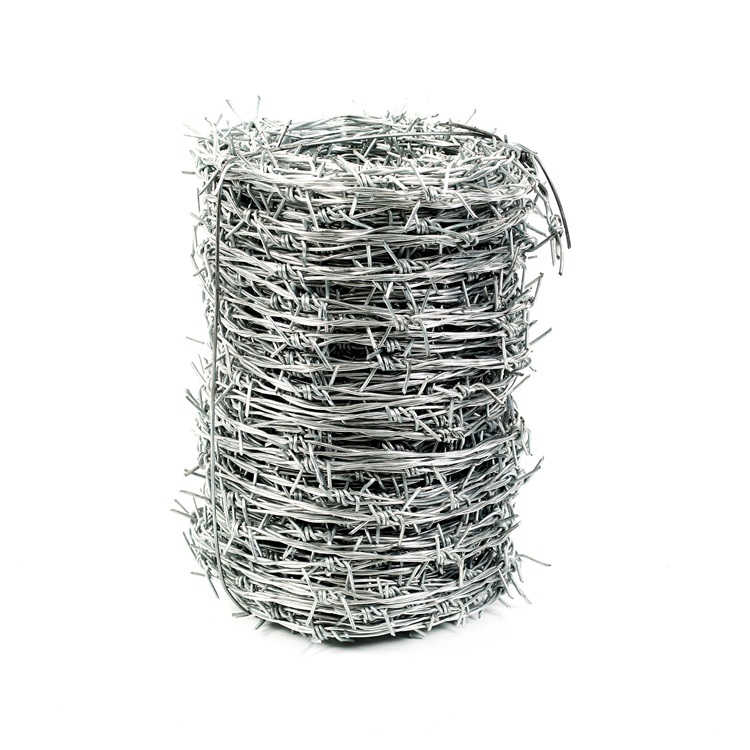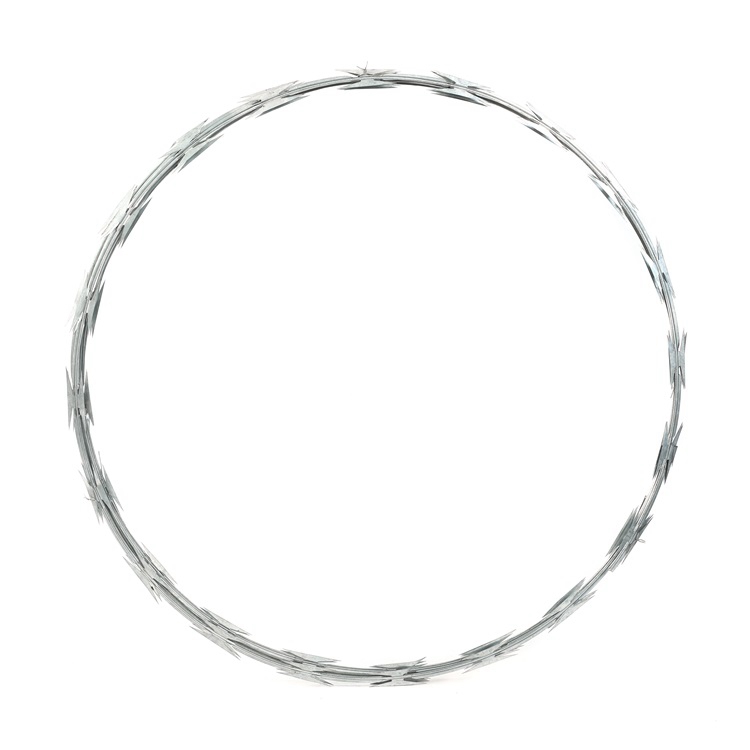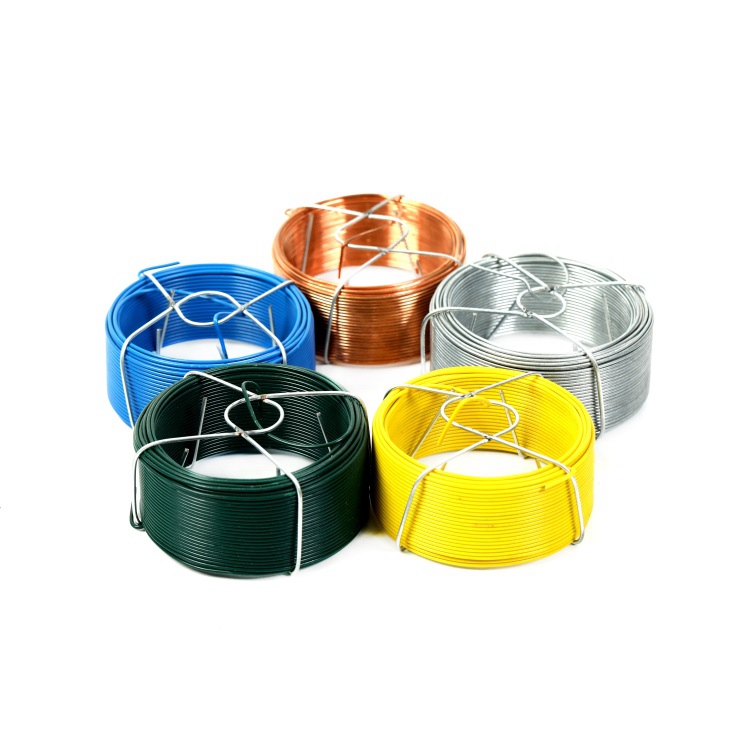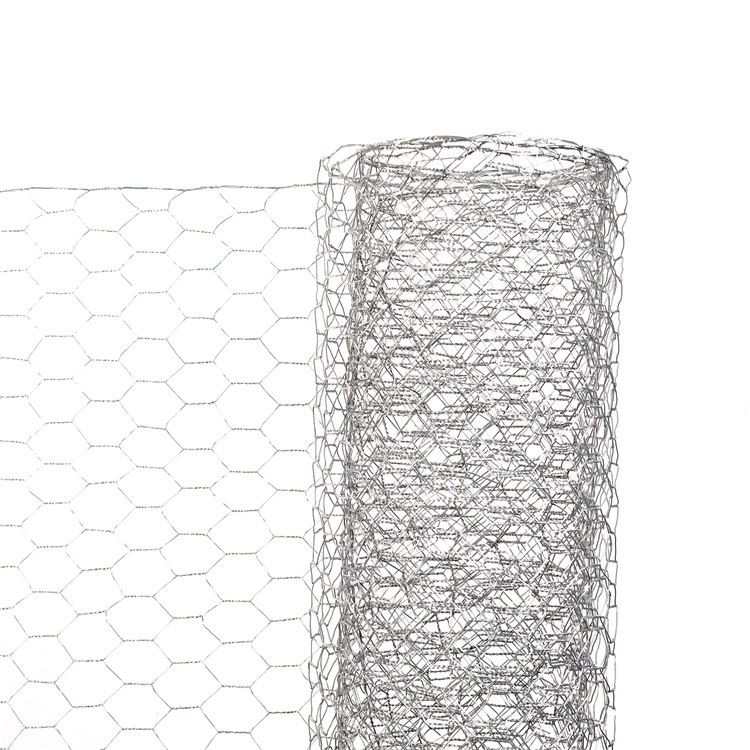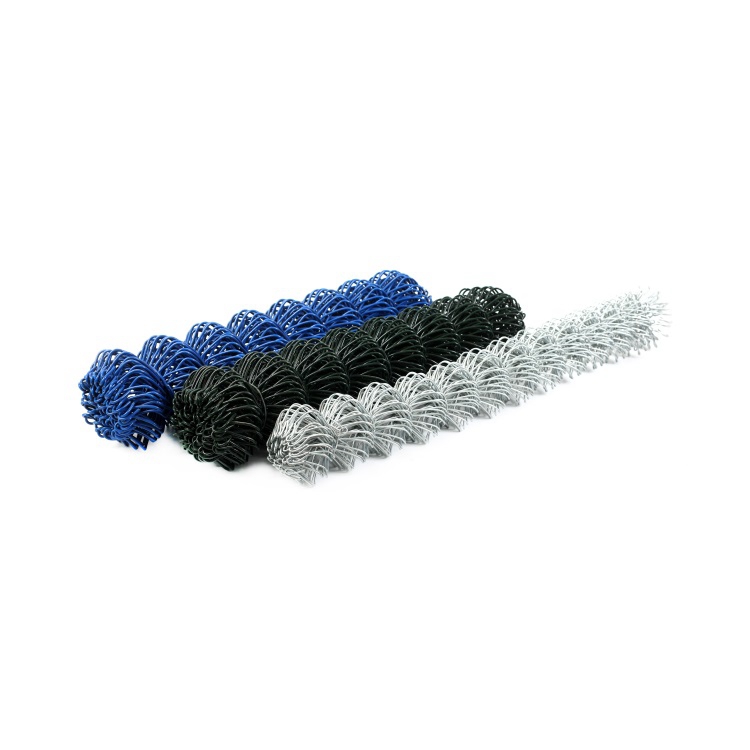
Durable Steel Wire Mesh Solutions for Modern Industry & Infrastructure
Steel Wire Mesh: A Global Backbone in Industry and Infrastructure
If you stopped to think about the invisible heroes shaping modern life, steel wire mesh would be right up there. It’s the sturdy grid that holds concrete together, the cage behind fences, the backbone of filtration systems—basically, a multipurpose marvel. But why does it really matter on a global scale? Well, as cities sprawl and industries expand, the demand for reliable, cost-effective, and versatile materials has skyrocketed. Steel wire mesh answers this call with unmatched durability and adaptability.
Understanding steel wire mesh isn’t just for engineers or architects; it’s crucial if you want to grasp how infrastructure withstands natural disasters, how food stays safe, or how renewable energy facilities are built. Today, we’ll weave through the threads of its significance, global applications, and what the future holds for this indispensable material.
Understanding Steel Wire Mesh in a Global Context
Worldwide, infrastructure development is booming. The UN reports that by 2050, nearly 68% of humanity will live in urban areas — a staggering leap from today's approximately 56%. Building safe, sustainable urban environments depends heavily on materials like steel wire mesh. It's more than just a construction product; it’s a solution to some very real, very expensive challenges like structural integrity, environmental protection, and cost control.
Oddly enough, with climate change bringing stronger storms and seismic activity, the need for materials that offer resilience and flexibility is urgent. Steel wire mesh, often overlooked, plays a pivotal role in reinforcing concrete, preventing erosion, or securing hazardous waste sites globally. The World Bank emphasizes that about 70% of infrastructure failures could be mitigated with appropriate reinforcement — there, steel wire mesh’s practicality shines bright.
What Exactly Is Steel Wire Mesh?
At its core, steel wire mesh is simply woven or welded wires forming a grid — a straightforward design that’s actually quite flexible in use. Think of a chicken coop wire but made from higher-grade steel, with variations in wire thickness, spacing, and coatings. This seemingly simple structure offers strength, ventilation, and filtration properties all at once.
Industrially, it’s a fundamental material. Without steel wire mesh, modern construction would be less safe, many manufacturing processes strained, and logistical setups like cages or storage mesh flimsy at best. It also supports humanitarian efforts — for example, in post-disaster sheltering, wire mesh structures can create durable barriers or supports quickly and affordably.
Durability: The Backbone of Steel Wire Mesh
One standout feature is durability. Steel, especially when galvanized or coated, resists corrosion, abrasion, and impact. This means structures reinforced with wire mesh last decades in harsh environments — a critical factor when replacement costs skyrocket.
Scalability and Customization
Steel wire mesh is produced in a range of sizes and mesh openings, offering custom solutions for everything from delicate filtration to heavy-duty reinforcement. Manufacturers can modify wire gauge, grid spacing, and coating to tailor to specific needs — odd widths or jumbo rolls, you name it.
Cost Efficiency Over Time
Though the upfront cost may be higher than some alternatives like plastic meshes or untreated steel, the long-term savings through durability, reduced maintenance, and safety make steel wire mesh a smart investment.
Environmental Resistance
With suitable coatings, steel wire mesh withstands extreme weather, chemical exposure, and UV radiation. For coastal infrastructure or chemical plants, where conditions are brutal, this resistance is priceless.
Multi-functionality
From filtration in food processing to security fencing and concrete reinforcement, steel wire mesh wears many hats. It often replaces several single-purpose materials, streamlining supply chains and reducing waste.
Mini takeaway: The versatility of steel wire mesh is rooted in its durability, adaptability, and cost-effectiveness — factors that highlight why it remains so widely used across industries worldwide.
Steel Wire Mesh in Action: Global Applications and Use Cases
Let’s talk real-world. In rapidly industrializing countries like India and Brazil, steel wire mesh is the go-to for reinforcing concrete slabs in buildings and bridges. In colder climates like Scandinavia, it supports insulated building panels to combat energy loss, ensuring homes stay warm with fewer heating needs.
- Post-disaster relief: NGOs use steel wire mesh cages filled with earth as quick, low-cost building walls for refugee camps or emergency shelters.
- Agricultural sectors: Farmers employ wire mesh fencing to protect livestock from predators and enclose crops — critical in rural Africa and Australia.
- Mining and construction industries: Used extensively in rockfall protection nets, conveyor belts, and safety guards for machinery.
- Water treatment facilities: Stainless steel wire mesh filters debris and pollutants, keeping fresh water supply safe in regions from the EU to Southeast Asia.
Regions facing infrastructure challenges often turn to steel wire mesh for its combination of reliability and economy. For example, in remote industrial zones of Canada, mesh reinforced precast panels ensure quick installation with minimal manpower — smart when labor is scarce and expensive.
Product Specifications: A Quick Guide to Typical Steel Wire Mesh
| Specification | Typical Value / Range |
|---|---|
| Wire Diameter | 0.5 mm – 6 mm |
| Mesh Opening (Spacing) | 1 mm x 1 mm up to 100 mm x 100 mm |
| Material | Stainless Steel, Galvanized Steel, Carbon Steel |
| Coatings | Hot-dip galvanization, PVC coating, Electroplating |
| Standard Width | 1 m, 1.2 m, 2 m (custom sizes available) |
| Tensile Strength | 400 – 1500 MPa |
Comparing Steel Wire Mesh Vendors: Choosing the Right Partner
| Vendor | Product Range | Lead Time | Custom Specs | Global Shipping |
|---|---|---|---|---|
| FiveStar Metals | Wide (from fine filters to heavy mesh) | 2-4 weeks | Yes | Yes |
| SteelGrid Inc. | Moderate | 3-5 weeks | Limited | Regional |
| MeshMasters | Extensive, specialty meshes | 4 weeks | Yes | Yes |
Why Invest in Steel Wire Mesh? Advantages & Long-Term Value
Economically, steel wire mesh saves money by slashing maintenance and repair costs, since it’s tough and long-lasting. From a social perspective, it assures safety — be it reinforcing earthquake-proof structures or preventing hazardous material leaks at factories. There's an emotional factor here too: it’s about trust. People rely on the integrity of buildings and installations, sometimes without thinking about what makes them safe — and often that’s steel wire mesh quietly doing its job.
Sustainability-wise, recycled steel mesh reduces environmental footprint and supports circular economies. Its versatility also reduces the need for multiple materials, meaning less waste generated and shipped. Simply put, it’s an investment with both green and economic returns.
Emerging Trends and Future Innovations
What’s next for steel wire mesh? For starters, smart coatings that resist biofouling or self-heal scratches are appearing. Digital manufacturing processes, like robotic welding and mesh customization via AI algorithms, make production faster and more precise. Solar farms are increasingly using customized wire mesh for protective fencing that doesn't obstruct sunlight.
Another trend focuses on lightweight, high-strength alloys. Titanium-infused meshes, for example, are making their way into aerospace and marine industries. And let’s not forget sustainability push: more suppliers now use 100% recycled steel and eco-friendly coatings.
Challenges and Solutions in Using Steel Wire Mesh
Despite its merits, steel wire mesh isn’t flawless. Corrosion, especially in marine or chemical environments, remains the biggest pain point. However, advances in galvanization and polymer coatings are mitigating these issues effectively. Another challenge is supply chain delays, which some vendors alleviate through stockpiling popular sizes or offering expedited shipping.
On-site installation requires skilled labor, often limiting its use in remote areas. The innovation here? Modular mesh panels that snap or bolt together easily–think of it as "Lego-style" construction gaining ground.
Frequently Asked Questions About Steel Wire Mesh
- What determines the best type of steel wire mesh for construction projects?
- The choice depends on factors like load-bearing needs, environmental exposure, mesh opening size, and required corrosion resistance. For structural reinforcement, welded galvanized steel is common; for filtration or fencing, stainless or PVC-coated wire mesh might be better suited.
- How long does steel wire mesh typically last outdoors?
- When properly coated and maintained, steel wire mesh can last anywhere from 15 to 50+ years outdoors. Environmental factors affect longevity significantly—saltwater air shortens lifespan unless corrosion-resistant coatings are applied.
- Can steel wire mesh be recycled after use?
- Yes, steel is one of the most recycled materials globally. Used wire mesh can be processed and remade without loss of quality, making it an eco-friendly choice compared with synthetic alternatives.
- Is it difficult to customize steel wire mesh sizes and specifications?
- Not at all—most manufacturers, including FiveStar Metals, offer custom specifications for wire gauges, mesh openings, and coating types tailored to client needs.
Wrapping Up: Why Steel Wire Mesh Still Holds Strong
So, steel wire mesh isn’t just some caged wire you forget about — it’s a cornerstone of modern development, safety, and sustainability. Its adaptability, durability, and cost effectiveness make it indispensable across diverse industries worldwide. Whether you’re reinforcing a bridge or setting up a water filtration system, this mesh quietly ensures peace of mind.
If you’re curious about incorporating steel wire mesh into your next project — or just want a trustworthy supplier worth your time — I recommend visiting FiveStar Metals for comprehensive options crafted to meet real-world demands.
Mini takeaway: Embracing steel wire mesh today is investing in safer, smarter infrastructure tomorrow.
References


-
Canton Fair 2026-4 in Guangzhou,China
NewsApr.24,2027
-
High Quality Common Nails 1212 for Construction Projects
NewsApr.16,2026
-
The 139th Canton Fair
NewsApr.14,2026
-
Guide to Using Galvanised Common Round Nails for Durable Construction
NewsApr.09,2026
-
Comprehensive Guide to Flat Head Common Nails for Construction Projects
NewsApr.07,2026
-
Understanding the Versatility of the Common Nail 5 5 for Various Applications
NewsApr.04,2026