Comprehensive Guide to Chain Link Fence in India: Usage, Benefits & Trends
Understanding the Chain Link Fence in India: A Practical Guide
Chain link fences might not be the flashiest part of infrastructure, but they are everywhere — from bustling urban centers to remote industrial zones — especially in India. I'm talking, of course, about the chain link fence in India, a staple in security and boundary marking, with surprisingly broad implications. Globally, these fences matter because they represent a balance between cost, durability, and adaptability. For developing regions, that makes a world of difference, whether it’s safeguarding a school playground or securing an electrical substation.
Why Does Chain Link Fence in India Matter Globally?
India’s infrastructure growth rates have been nothing short of staggering — the World Bank noted India's urban population is projected to hit 600 million by 2030, underpinning massive demand for boundary fencing solutions. Chain link fences fill a unique role here: they’re affordable, quick to install, and scalable. Oddly enough, they help address challenges ranging from urban sprawl to industrial safety in one neat package.
However, one common challenge remains: how can these fences be optimized to meet India’s environmental conditions, regulatory requirements, and evolving industrial needs without blowing budgets?
What Is a Chain Link Fence and Its Role in India?
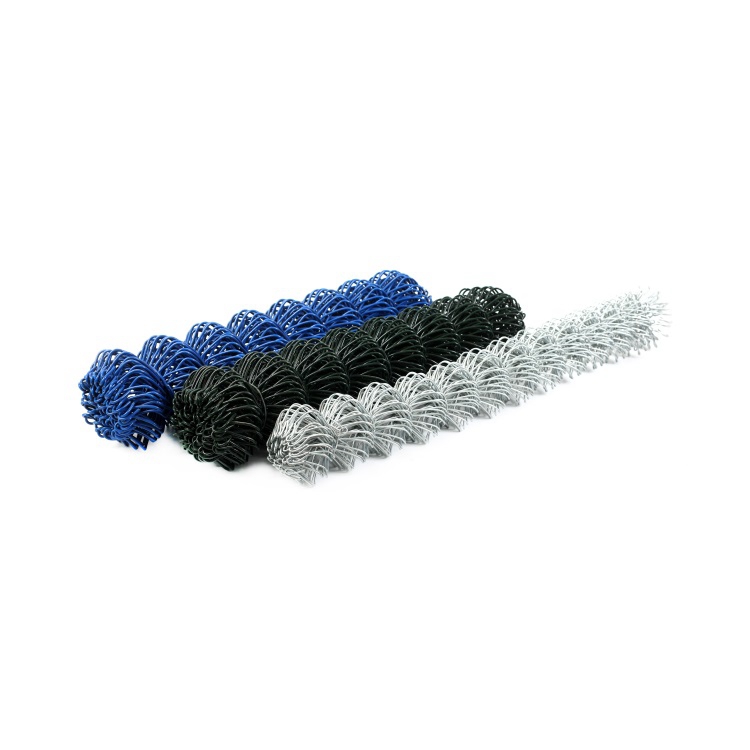
Simply put, a chain link fence is a woven mesh of galvanized or coated steel wires forming a diamond pattern, held together by metal poles. In India, these fences find themselves in a sweet spot due to ease of installation, maintenance, and reasonable cost. They’re the go-to boundary marker for everything from residential homes to commercial factories.
The fencing isn’t just an industrial necessity; it's connected deeply to humanitarian efforts too. For example, NGOs often use chain link fencing in refugee camps or disaster sites for quick, reliable perimeter control. This makes them a modest but vital part of modern development and crisis relief.
Core Components and Key Factors
Durability
Indian weather can be brutal — heavy monsoons, scorching summers. Chain link fences typically use galvanization or PVC coating to resist rust and corrosion. This makes them last much longer under tough conditions.
Cost Efficiency
Compared to alternatives like brick walls or electric fencing, chain link is both cheaper upfront and cheaper to maintain. In low-margin industries or budget-conscious municipal projects, this makes a huge difference.
Scalability & Flexibility
Chain link systems can be easily extended or modified. If a factory expands or a community requires different security levels, fences adapt without costly rebuilds.
Security & Visibility
While chain link fences provide physical barriers, they don’t obstruct viewlines — meaning security personnel can monitor premises easily and effectively. This is critical for industrial parks and schools alike.
Product Specification Table: Typical Chain Link Fence in India
| Specification | Details |
|---|---|
| Material | Galvanized Steel Wire / PVC Coated Steel Wire |
| Mesh Size | 50mm x 50mm to 75mm x 75mm |
| Wire Gauge | 2.0 mm to 4.0 mm diameter |
| Height | 1.2 m to 3 m (customizable) |
| Pole Type | Galvanized tubular MS poles, 40mm to 60mm diameter |
Global Applications & Real-World Use Cases
- Industrial Zones: Many manufacturers use these fences extensively to control access to hazardous areas.
- Residential Security: Urban neighborhoods prefer chain link fencing for low-cost perimeter control.
- Sports Facilities: Schools and private clubs often use chain link fences around fields and courts.
- Post-Disaster Relief: Organizations erect them quickly to protect supplies in flood or earthquake zones.
- Agriculture: Farmers use modular sections to protect livestock and crops from wild animals.
Interestingly, these applications show just how versatile a simple chain link mesh can be when carefully designed and executed.
Advantages & Long-Term Value
Long story short, the chain link fence in India offers:
- Cost-Effectiveness: Upfront and ongoing savings compared to masonry or electric fencing.
- Environmental Sustainability: Steel is recyclable; coatings extend lifespan reducing waste.
- Social Impact: Provides tangible security and peace of mind to communities.
- Reliability: It stands up well to both natural weather and vandalism attempts.
Plus, there’s something satisfying, almost reassuring, in the transparency of a chain link fence: security without sacrificing openness.
Vendor Comparison Table: Top Chain Link Fence Providers in India
| Vendor | Product Range | Customization | Pricing | Lead Time |
|---|---|---|---|---|
| Five Star Metals | Standard and PVC-coated fences | High (mesh sizes, colors, heights) | Competitive | 2-3 weeks |
| SecureFencing India | Galvanized steel mesh only | Medium | Moderate | 3-4 weeks |
| UrbanGuard Solutions | Wide range: PVC, galvanized, anti-corrosion | High | Premium | 1-2 weeks |
Future Trends & Innovations in Chain Link Fencing
Looking ahead, what’s on the horizon? For starters, sustainability is a huge driver. Increasingly, vendors are experimenting with eco-friendly coatings and recycled steel to reduce carbon footprints. Digital transformation is another trend — with sensors and smart cameras integrated into fences to boost security intelligence.
Also, automation can speed installation, even enabling modular prefab fencing systems designed specifically for quick disaster response or large industrial setups.
Challenges & Practical Solutions
Despite the benefits, chain link fences aren't perfect. Issues like corrosion, vandalism, and limited privacy are common complaints. Luckily, many manufacturers now offer enhanced PVC coatings and hybrid fences incorporating other materials. Monitoring tech can deter vandalism, while added privacy slats address visibility concerns.
Realistically, compromises are part of the deal, but continuous R&D and user feedback steadily improve these fences.
Frequently Asked Questions About Chain Link Fence in India
- Q: How long does a typical chain link fence last in India’s climate?
- A: With proper galvanization and maintenance, chain link fences usually last 15-20 years. PVC coatings can extend this further by preventing rust in humid and coastal areas.
- Q: Can chain link fencing be customized for height and color?
- A: Absolutely! Vendors in India often provide adjustable heights (1.2m to 3m or more) and several color coatings. Customization helps fit aesthetic and security needs.
- Q: Is chain link fencing suitable for residential security?
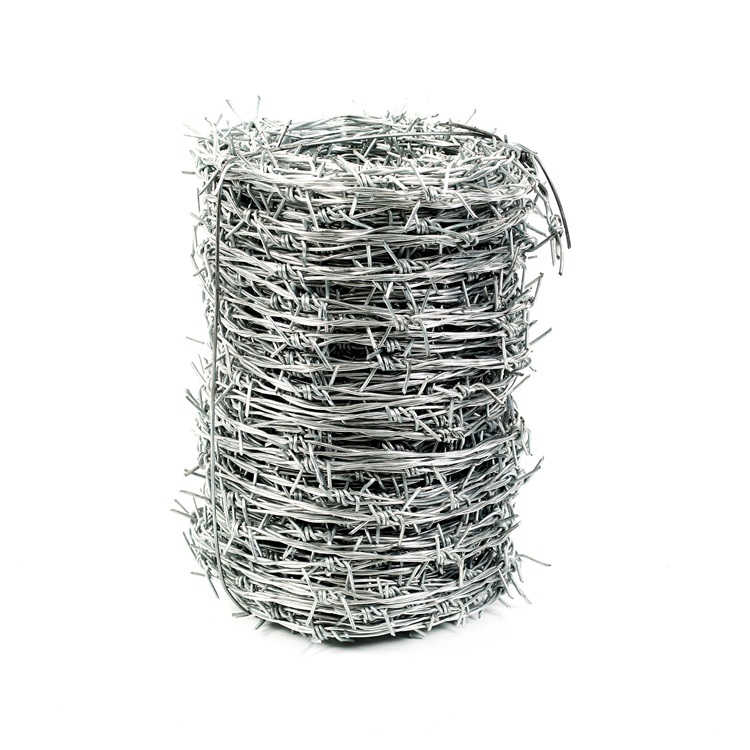
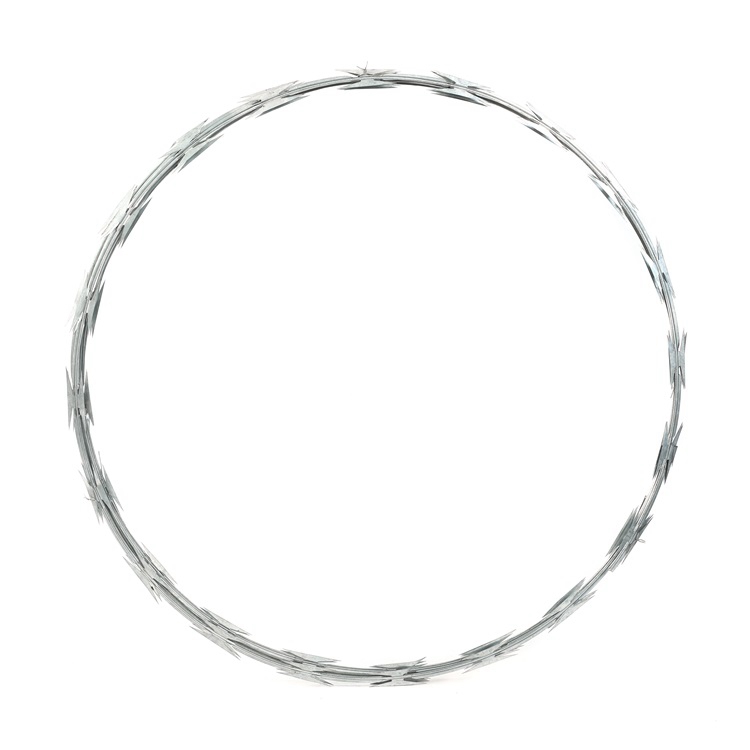
- A: Yes, it’s widely used for residential properties due to affordability and visibility. For extra security, it can be topped with barbed wire or combined with other deterrent measures.
- Q: What is the average lead time for delivery and installation?
- A: Most vendors deliver within 1-4 weeks depending on customization and order size, with installation completed rapidly given the modular design.
- Q: Are these fences eco-friendly?
- A: Steel is highly recyclable, and advances in eco-friendly coatings mean chain link fences can be sustainable options compared to traditional construction.
Conclusion
To sum it all up, the chain link fence in India offers an unbeatable combination of durability, cost efficiency, and versatility. Whether it’s securing a factory or supporting humanitarian relief, it plays a quiet but crucial role. The future looks bright too, with digital and sustainable innovations on the rise.
Curious to explore options or customize your fencing needs? Visit Five Star Metals today and discover practical, long-lasting solutions.
In real terms, chain link fencing might feel ordinary, but its impact and potential—especially in India—are anything but.
References


-
Canton Fair 2026-4 in Guangzhou,China
NewsApr.24,2027
-
High Quality Common Nails 1212 for Construction Projects
NewsApr.16,2026
-
The 139th Canton Fair
NewsApr.14,2026
-
Guide to Using Galvanised Common Round Nails for Durable Construction
NewsApr.09,2026
-
Comprehensive Guide to Flat Head Common Nails for Construction Projects
NewsApr.07,2026
-
Understanding the Versatility of the Common Nail 5 5 for Various Applications
NewsApr.04,2026