What Are Chain Link Fence Rolls? Benefits, Uses & Global Applications Explained
Understanding Chain Link Fence Rolls: A Versatile Solution for Global Needs
Chain link fence rolls – it sounds straightforward, almost mundane, but they’re surprisingly central to so many facets of modern life. Let’s start with the basics: these rolls of woven steel mesh are one of the most widely used fencing solutions worldwide. They help define boundaries, secure properties, and even provide safety in volatile environments. From industrial compounds in Asia to residential neighborhoods in North America, their importance is truly global. But beyond just fences, grasping how chain link fence rolls work and why they matter gives us insight into industries ranging from construction and agriculture to disaster relief.
Global Context: Why Chain Link Fence Rolls Matter Today
On a macro scale, fencing plays a key role in urban planning, property management, and security. According to ISO standards related to fencing, the demand has surged alongside rapid urbanization. The World Bank notes that by 2050, nearly 68% of the global population will live in cities, which amplifies the need for secure, cost-effective fencing solutions. Chain link fence rolls offer a unique answer to challenges such as minimizing installation costs, adapting to rugged environments, and meeting strict durability needs.
One major challenge they address is the quick establishment of secure perimeters — something that’s critical during emergencies or in areas with limited construction resources. For example, during post-disaster relief, rapid setup of controlled zones can literally save lives.
What Are Chain Link Fence Rolls?
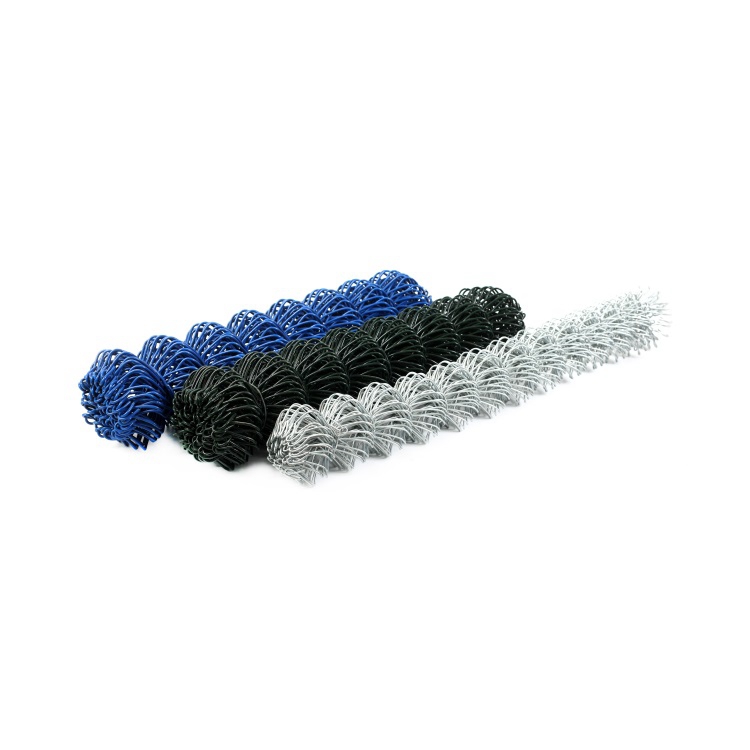
Simply put, a chain link fence roll is a continuous mesh made primarily from galvanized or PVC-coated steel wire, woven into a diamond pattern. These rolls come in various heights and gauges, allowing a flexible approach to creating strong, yet permeable barriers. Their modular nature means you can unroll and install large fence sections efficiently, which is why they’re a staple not just for homeowners but for municipalities and humanitarian organizations alike.
They bridge industrial practicality and human needs perfectly: securing construction sites, protecting livestock, or marking safe zones in refugee camps. This versatility ties them closely to modern industry practices and humanitarian engineering.
Key Features of Chain Link Fence Rolls
Durability
The backbone of any fencing system is how well it stands up over time and weather. Chain link fences typically use galvanized steel, which resists rust and corrosion remarkably well. Some come coated in vinyl or PVC for extra protection and aesthetics. This means you’re not just investing in a fence, but in many years of minimal maintenance.
Scalability
One roll can cover long distances, and additional rolls interlock to span even greater lengths. This scalability suits both tiny sections—say, a backyard—with sprawling industrial perimeters or secure facility boundaries. It’s almost like Lego for fences, only sturdier.
Cost Efficiency
Chain link fence rolls remain one of the most economical fencing solutions on the market. Unlike masonry walls or wrought iron fences, they balance strength with affordability. Installation labor and material costs tend to be lower, partly because of their modular design and partly because the materials are widely available.
Visibility and Safety
The open diamond mesh allows for visibility through the fence while maintaining a physical barrier. This is especially important for secured public spaces or parks, where seeing inside (or out) deters unauthorized activity without creating a claustrophobic feel.
Customizability
Different wire gauges, coatings, and heights let you tailor a fence roll to specific needs. For example, security fencing might feature higher gauge wire and added barbed wire accessories, while a garden fence could use lighter materials with green vinyl coatings.
Product Specification Table
| Specification | Typical Range / Options |
|---|---|
| Wire Gauge | 6 - 12 gauge (heavier gauges for security fencing) |
| Roll Length | 25 to 100 feet |
| Height | 3 feet up to 12 feet or more |
| Coating | Galvanized steel, PVC/Vinyl coated |
| Mesh Size | 1 inch to 2 inch diamond pattern |
How Chain Link Fence Rolls Are Used Worldwide
Oddly enough, despite their simplicity, chain link fences play a critical role everywhere from bustling metropolitan areas in Europe to remote industrial zones in Africa. Humanitarian groups often deploy them quickly to create safe spaces in refugee camps across the Middle East and East Africa.
In agriculture, they keep livestock contained while preventing wildlife intrusion — think of ranchers in Australia or cattle farmers in rural South America. Construction companies use them to cordon off hazardous work zones, especially in densely populated cities where pedestrian safety is a priority.
Security and sports are two other big applications. Many schoolyards, stadiums, and parks rely on chain link fences for both boundary marking and preventing unauthorized access.
Vendor Comparison: Which Provider Offers What?
| Vendor | Material Quality | Customization Options | Price Range | Lead Time |
|---|---|---|---|---|
| Five Star Metals | Galvanized & PVC coated | Yes – wire gauge, height, coating | $$$ (mid-range) | 1–3 weeks |
| SecureFencing Co. | Galvanized only | Limited sizes | $ (budget) | 2–4 weeks |
| Global Mesh Supply | Premium galvanized & custom coatings | Extensive, including specialty materials | $$$$ (premium) | 3–6 weeks |
Advantages & Long-Term Value
There’s a reason chain link fence rolls stay popular despite advancements in fencing tech. First, their cost-effectiveness and ease of installation make them ideal for both small and massive projects. It’s not just about money, though — longevity and low maintenance translate into trust for users. If a farmer knows the fence will hold through rain, wind, and sun for decades, that peace of mind is priceless.
Socially, they enable safe environments. For schools—think playground safety—and neighborhoods, the fences offer a clear boundary without making spaces feel enclosed or oppressive. This balance between security and openness kind of reflects a community’s values.
Future Trends & Innovations
Looking ahead, the chain link fencing industry is leaning towards sustainability and tech integration. Some manufacturers now offer fences made from recycled steel or with eco-friendly coatings to reduce environmental impact. Smart fence systems under development include sensors to detect breaches or damage — an innovation slowly making its way into high security installations worldwide.
Automation in installation is also on the radar. Robotics may help roll out and install fences faster on difficult terrain, potentially revolutionizing how site security is established in the future.
Challenges & Solutions
Obvious limitations still exist: chain link fences don’t provide privacy, and their metal mesh can be cut with the right tools. To address this, many users combine them with privacy slats or barbed wire accessories, or use integrated alarm systems. Corrosion can still be a problem if low-quality materials are used or coating fails, so expert consultation on material specs is crucial before purchase.
Installation quality also matters a lot. A poorly installed fence is only a nominal barrier, so training and skilled labor remain key issues in some regions.
FAQ: Common Questions About Chain Link Fence Rolls
- Q: How long do chain link fence rolls typically last outside? A: With proper galvanization and coatings, a chain link fence can last 15–30 years outdoors. PVC coatings tend to add extra corrosion resistance, extending lifespan.
- Q: Can chain link fence rolls be customized to fit unusual terrains? A: Yes, the flexibility of the mesh and modular sections allows adaptation to hilly or uneven ground without significant extra cost.
- Q: Are chain link fence rolls suitable for high-security needs? A: They form an effective base layer but often require enhancements like barbed wire, privacy slats, or patrol monitoring to meet strict security standards.
- Q: How quickly can a site be fenced using chain link fence rolls? A: Thanks to pre-rolled mesh, a skilled team can install several hundred feet per day depending on terrain and post preparations.
- Q: Is PVC-coated fencing environmentally friendly? A: PVC coatings have some environmental concerns, but newer formulations reduce harmful emissions. Alternatives like powder coatings or recycled steel mesh also help reduce impact.
Conclusion & Call to Action
Chain link fence rolls embody simplicity and strength — affordable fencing that fits a global set of needs, from agriculture to emergency response. Their versatility, combined with constant innovations in materials and applications, ensures they’ll remain indispensable for decades. If you’re looking for reliable fencing solutions backed by expertise, it’s worth checking out trusted providers like chain link fence rolls from Five Star Metals.
Here’s the takeaway: sometimes, a simple woven wire mesh speaks loudly in security, safety, and sustainability. It’s oddly reassuring to know that something as humble as chain link fencing quietly frames and protects communities around the world.


-
Canton Fair 2026-4 in Guangzhou,China
NewsApr.24,2027
-
High Quality Common Nails 1212 for Construction Projects
NewsApr.16,2026
-
The 139th Canton Fair
NewsApr.14,2026
-
Guide to Using Galvanised Common Round Nails for Durable Construction
NewsApr.09,2026
-
Comprehensive Guide to Flat Head Common Nails for Construction Projects
NewsApr.07,2026
-
Understanding the Versatility of the Common Nail 5 5 for Various Applications
NewsApr.04,2026