Temporary Chain Link Fence: Global Security, Flexibility & Sustainable Solutions
Understanding Temporary Chain Link Fence: A Global Necessity for Security and Flexibility
When you hear about a temporary chain link fence, you might picture a simple barrier, but the reality is far more complex—and crucial on a global scale. Temporary fencing plays an essential role not only in construction or event sites but in humanitarian efforts, industrial safety, and urban planning worldwide. Why does this matter? Because securing a perimeter quickly, reliably, and affordably is often the difference between chaos and order, safety and risk. Understanding this fencing type reveals insights into how industries and governments tackle critical challenges efficiently.
Global Context: Why Temporary Chain Link Fences Matter
Around the world, from urban construction projects in New York to post-disaster zones in Southeast Asia, temporary fencing provides a vital security solution. According to the United Nations Office for Disaster Risk Reduction, over 100 million people are affected by extreme weather annually, often displacing communities and disrupting construction or rehabilitation work.[1] In these volatile scenarios, temporary chain link fencing is anything but “temporary” in value. They secure work zones, prevent unauthorized access, and help organize relief efforts.
Moreover, rapid urbanization increases demand for flexible perimeter controls. Public safety officials worldwide recognize the challenge of containing crowds, preventing vandalism, or protecting hazardous zones amidst constant change.
What Exactly Is a Temporary Chain Link Fence?
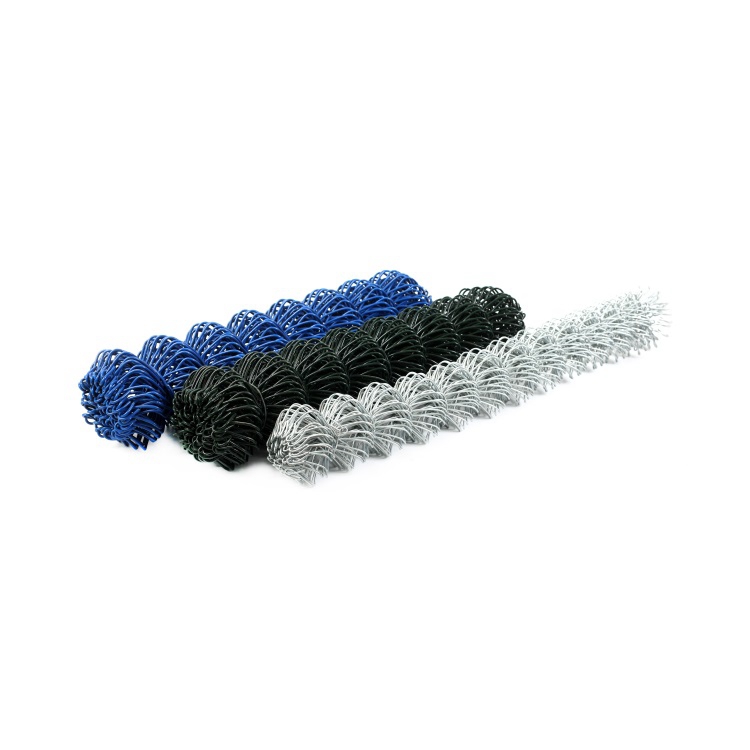
At its simplest, a temporary chain link fence is a portable, modular fencing system composed of metal mesh panels, usually galvanized steel, connected by posts that stand independently without permanent foundations. Unlike permanent fences, these are designed for easy transport, fast assembly, and reusability.
These fences meet a broad spectrum of needs — from securing outdoor concerts in busy city centers to cordoning off hazardous industrial zones and providing controlled boundaries in refugee camps. Such versatility explains their widespread adoption and ongoing innovation.
Key Factors of Temporary Chain Link Fence
Durability
Even though it's “temporary,” durability is paramount. These fences are often galvanized or powder-coated to resist rust and withstand harsh weather conditions for months at a time — which frankly surprises many people expecting flimsy solutions.
Scalability
Whether you need a 100-foot barrier or a multi-acre enclosure, chain link fence panels can be combined, extended, or rearranged effortlessly. This modularity gives planners tremendous flexibility—a factor that’s often undersold.
Cost Efficiency
Affordability drives decision-making in temporary fencing. The ability to reuse panels, combined with relatively low maintenance, translates into a better bottom line compared to alternatives like wood or iron barriers that might need replacement or painting.
Safety & Visibility
Chain link fences strike a balance between robust security and transparency—you can see through the barrier while still preventing unauthorized access. This dual nature is crucial for law enforcement or site safety inspectors.
Portability
Lightweight panels and standardized connections make transport and deployment faster, reducing labor costs and downtime during busy project turnovers.
Mini Takeaway: Temporary chain link fencing blends strength, flexibility, and cost savings, making it a staple in dynamic environments worldwide.
Product Specifications: Typical Temporary Chain Link Fence
| Specification | Details |
|---|---|
| Panel Dimensions | 6 ft (height) × 10 ft (width) |
| Mesh Gauge | 9 gauge galvanized steel wire |
| Post Type | 1 3/8" diameter steel tube with base plate |
| Finish | Hot-dip galvanized / powder-coated optional |
| Weight per Panel | Approximately 60 lbs |
| Assembly | Tool-free clamps or bolts |
| Typical Use Duration | 3–12 months (reusable) |
Global Applications and Real-World Examples
In post-disaster relief operations—take the 2019 cyclone in Mozambique, for example—temporary chain link fencing was deployed not only to demarcate safe zones but also to manage distribution centers, helping NGOs effectively serve displaced populations.
Remote industrial zones, such as mining sites in Canada or oil fields in the Middle East, use these fences to secure heavy equipment while still allowing inspectors to perform visual checks without dismantling barriers.
In Europe and North America, large-scale events like music festivals or public demonstrations leverage temporary fences to direct foot traffic and increase safety without permanent modifications to parks or urban spaces.
Vendor Comparison: Popular Temporary Chain Link Fence Providers
| Vendor | Material Quality | Pricing (per panel) | Lead Time | Special Features |
|---|---|---|---|---|
| Five Star Metals | Hot-dip galvanized steel, 9 gauge | $$$ | 1–2 weeks | Custom coatings, rental options |
| FenceCo | Powder-coated steel, 11 gauge | $$ | 3–4 weeks | Lightweight panels, integrated wheels |
| SecureLine Fencing | Galvanized steel, 9 gauge | $$$ | 2–3 weeks | High-security locking system |
Advantages and Long-Term Value
What’s most striking about temporary chain link fences is how they weave cost-efficiency with meaningful social impact. For one, reusability means less environmental waste—which aligns with ISO 14001 standards on environmental management.[2] When fences can be redeployed instead of discarded, that’s a win for sustainable operations.
Then there’s the psychological dimension: a secure, well-defined perimeter helps workers and public alike feel safe and respected. I’ve noticed that at large venues, visible fencing can reduce anxiety just by establishing clear boundaries, and this human factor is sometimes overlooked.
Future Trends & Innovations
Innovations are quietly reshaping this market. Manufacturers are experimenting with lightweight alloys and recyclable polymers to reduce weight while maintaining strength. There’s also increasing integration of smart technology—imagine fences with embedded sensors to detect breaches or structural weaknesses.
Policy-wise, many governments push for greener construction practices, encouraging fence suppliers to adopt sustainable coatings or production methods. Digital transformation lets vendors track inventory and deploy fencing more efficiently to meet sudden demand spikes.
Challenges & Solutions
Of course, temporary fencing is not without challenges. Wind uplift can destabilize panels if not secured properly, and theft is a recurrent problem. However, clever site design—anchoring bases, using tamper-proof fasteners—and technology such as motion sensors are mitigating these issues.
Also, balancing durability with ease of use often requires tradeoffs. As experts put it, “no fence is perfect, but a flexible system is the closest you get.”
FAQ: Common Questions About Temporary Chain Link Fence
- How quickly can a temporary chain link fence be installed?
Typically, panels can be erected in a few hours by a small crew, depending on site size and terrain, allowing for rapid response in urgent scenarios. - Can these fences withstand harsh weather conditions?
Yes, when properly galvanized and anchored, these fences resist rain, wind, and even snow for several months without significant wear. - Is renting temporary fencing more cost-effective than buying?
For short-term projects, rentals reduce upfront costs and storage hassles. For recurring long-term needs, purchasing tends to be more economical. - What is the typical lifespan of temporary chain link fencing?
Depending on environmental exposure and maintenance, panels often last 3–5 years, making them a smart investment for sustained use. - Are there eco-friendly options available?
Yes—some suppliers offer powder coatings with low volatile organic compounds (VOCs) or panels made from recycled steel that meet ISO sustainability guidelines.
Conclusion: Long-Term Benefits and Next Steps
Temporary chain link fencing may seem like small gear in the grand scheme, but it’s a formidable tool that supports safety, efficiency, and sustainability across sectors worldwide. Whether safeguarding a sprawling construction project, managing crowds at a festival, or helping a vulnerable community recover from disaster, these fences earn their keep and often save money and lives.
If you want to explore solutions tailored to your unique needs, consider visiting Five Star Metals for expert guidance, competitive products, and fast delivery options.
It truly feels like temporary fencing forms the invisible skeleton supporting many of the world’s safest projects.
References


-
Canton Fair 2026-4 in Guangzhou,China
NewsApr.24,2027
-
High Quality Common Nails 1212 for Construction Projects
NewsApr.16,2026
-
The 139th Canton Fair
NewsApr.14,2026
-
Guide to Using Galvanised Common Round Nails for Durable Construction
NewsApr.09,2026
-
Comprehensive Guide to Flat Head Common Nails for Construction Projects
NewsApr.07,2026
-
Understanding the Versatility of the Common Nail 5 5 for Various Applications
NewsApr.04,2026