Durable & Eco-Friendly Plastic Wire Mesh for Poultry | Global Solutions & Benefits
Understanding Plastic Wire Mesh for Poultry: A Small Innovation with Big Impact
In an increasingly interconnected world, humble solutions can ripple across industries and communities. Plastic wire mesh for poultry is one such unsung hero — a product that combines practicality, sustainability, and durability to meet the needs of poultry farmers globally. But why should we care about this niche product? Well, poultry farming represents a crucial protein source worldwide, providing livelihoods for millions and contributing significantly to food security. Ensuring effective, safe, and affordable poultry enclosures means better animal welfare, higher productivity, and often, more sustainable farming practices. Here’s where plastic wire mesh shines, offering a modern alternative to traditional metal or wooden materials with clear technical and economic benefits.
Mini takeaway: Plastic wire mesh for poultry might sound like a simple material choice, but its role is vital in supporting sustainable poultry farming efforts worldwide.
The Global Context: Why Plastic Wire Mesh Matters More Than Ever
According to the FAO and World Bank data, poultry production has been growing steadily at around 4% per year globally—feeding growing populations, particularly in Asia and Africa. Yet, many smallholders and industrial farms alike face challenges from rusting wire, fluctuating metal prices, and concerns over animal safety and disease control. Plastic wire mesh emerges as a nimble, cost-effective solution here.
Why? Because it resists corrosion, is lighter and easier to handle, and supports hygienic environments for birds. Plus, it helps address the global push toward more sustainable farming infrastructure—plastic wire mesh lasts longer, reduces waste replacement cycles, and can be recycled in some designs.
Mini takeaway: Amid rising global food demands and environmental pressures, plastic wire mesh acts as a modern tool easing poultry farmers’ daily challenges.
What Exactly Is Plastic Wire Mesh for Poultry?
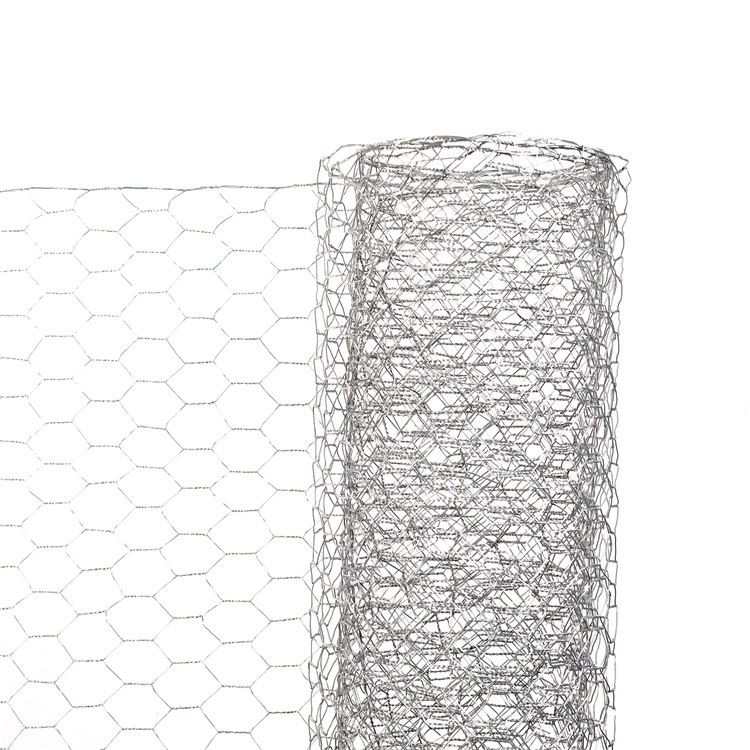
At its core, plastic wire mesh for poultry is a grid-like sheeting made from durable plastic materials such as polypropylene or polyvinyl chloride (PVC), designed specifically to enclose poultry spaces safely. The mesh replaces traditional metal wire in chicken coops, broilers, and pens, ensuring confinement without injury risks related to rust or sharp edges.
Its plastic composition means it doesn’t conduct heat like metal wire; this can reduce thermal stress on birds during hot weather—a small comfort, but one that can improve welfare and productivity. Beyond poultry, similar meshes serve agricultural, industrial, and construction needs, but the poultry sector demands certain specifications like mesh size, coating safety, and flexibility.
Mini takeaway: Plastic wire mesh is a durable, bird-friendly alternative to metal fencing, blending protection with practicality for modern poultry farming.
Core Features that Define Plastic Wire Mesh
1. Durability and Corrosion Resistance
One of the biggest headaches with traditional metal mesh is rusting, especially in humid or wet conditions common in livestock environments. Plastic wire mesh sidesteps this by naturally resisting corrosion and rot, lasting multiple seasons with minimal maintenance.
2. Lightweight and Easy Handling
Farmers often need to assemble or relocate pens quickly, and the lighter plastic grids are significantly easier to move and install—frequently without tools. This also reduces shipping costs which adds up globally.
3. Cost Efficiency Over Time
While upfront costs might be roughly comparable with metal mesh, long-term savings come from durability and reduced replacement frequency.
4. Animal Welfare Considerations
Plastic meshes have smoother edges and reduce risk of cuts or injuries, improving overall animal safety. Also, the less heat conduction helps in warmer climates.
5. Environmental Impact and Recyclability
Many suppliers now offer recyclable plastic meshes or use material blends designed to reduce carbon footprints.
Mini takeaway: The blend of durability, safety, ease of use, and sustainability make plastic wire mesh a smart choice for modern poultry farmers.
Real-World Examples: Where Plastic Wire Mesh Makes a Difference
From small family farms in Southeast Asia to large commercial poultry producers in Eastern Europe, plastic wire mesh finds applications everywhere. In disaster relief zones where temporary livestock enclosures are needed fast, plastic mesh allows quick setup and reuse. For instance, NGOs working with livestock recovery after floods in Bangladesh have turned to plastic meshes due to their lightness and corrosion resistance in soggy conditions.
Industrial poultry farms in parts of the US and Europe prefer plastic mesh for selective zoning inside sprawling henhouses where flexibility and maintenance ease become paramount. Meanwhile, organic or free-range farms value the mesh’s non-toxicity and bird comfort properties.
Mini takeaway: Versatility and resilience mean plastic wire mesh for poultry adapts to various climates, farms, and operational scales worldwide.
Advantages and Long-Term Value of Plastic Wire Mesh for Poultry
- Reliability: Long product life reduces downtime and replacement needs.
- Cost savings: Maintenance and replacement expenses drop.
- Sustainability: Less waste and recyclable options help farms meet green goals.
- Animal safety & welfare: Smoother edges and less thermal stress mean healthier birds.
- Social impact: Improving smallholder livelihoods by lowering barriers to quality infrastructure.
- Innovation trust: Many farmers report satisfaction thanks to evolving designs and easy installation.
Mini takeaway: The financial and ethical benefits position plastic wire mesh as a forward-looking solution for poultry farming.
Product Specification Table
| Specification | Details |
|---|---|
| Material | High-density polypropylene (HDPP) or PVC |
| Mesh Size | 12mm x 12mm to 25mm x 25mm standard |
| Sheet Size | 1m x 2m (typical), customizable |
| Color | Green, white, or natural translucent |
| Weight | Approx. 0.5kg – 0.7kg per sqm |
| UV Resistance | Stabilized for up to 3 years |
| Flammability | Meets UL94 V-0 standard |
Comparing Leading Vendors of Plastic Wire Mesh for Poultry
| Vendor | Material Quality | Customization | Global Reach | Sustainability Initiatives |
|---|---|---|---|---|
| Five Star Metals | Premium HDPP, UV stabilized | High, customizable sizes & colors | Worldwide shipping | Recyclable raw materials, waste minimization |
| AgroMesh Ltd. | Standard PVC blend | Limited customization | Regional Europe focus | Minor recycling programs |
| GreenFarm Supplies | Bio-based plastic composites | Moderate customization | Asia-Pacific focus | Strong sustainability ethos |
Looking Ahead: The Future of Poultry Mesh Technology
Innovation doesn’t stop here. We’re starting to see plastic wire mesh incorporate embedded sensors to monitor poultry activity or environmental conditions—think of a mesh that not only encloses but helps farmers track flock health remotely. Moreover, green chemistry advances aim to reduce the polymer carbon footprint and improve biodegradability. Automation in fabrication promises yet more durability and precision tailored to complicated poultry facility designs.
With multiplayer demands — economics, ecology, ergonomics — converging, plastic wire mesh for poultry looks ready to continue evolving as a key enabler of smarter, more ethical farming.
Mini takeaway: Future trends promise mesh solutions that are smarter, greener, and even more adaptable to farmer needs.
Common Challenges and How They’re Being Tackled
- Challenge: UV degradation causing brittleness after prolonged sun exposure.
- Solution: Advanced UV stabilizers and protective coatings now extend lifespan considerably.
- Challenge: Disposal concerns and plastic waste.
- Solution: Recycling initiatives along with bio-based raw materials offer long-term paths away from landfill.
- Challenge: Initial higher cost compared to some metal wires.
- Solution: Emphasizing full lifecycle cost savings and safety benefits convinces many buyers.
FAQ: Your Questions About Plastic Wire Mesh for Poultry Answered
Q1: How does plastic wire mesh compare to metal wire in tough outdoor environments?
A: Plastic wire mesh resists rust and corrosion far better than metal, especially in humid or saline environments. It remains structurally sound longer, meaning less frequent replacement and lower maintenance—a big plus for farms near coastlines or during rainy seasons.
Q2: Can the mesh be customized to fit different poultry breeds or sizes?
A: Absolutely. Mesh openings, sheet sizes, and even colors can be adjusted to match specific bird sizes, breed behaviors, or farming setup needs. This flexibility helps optimize both bird safety and operational efficiency.
Q3: Is plastic wire mesh eco-friendly?
A: While plastic raises environmental questions, many suppliers now offer UV-stabilized, recyclable options or use bio-based plastics. Responsible end-of-life recycling and reuse are encouraged in supply chains, aligning the product with sustainable farming trends.
Q4: What’s the typical lifespan of plastic wire mesh in poultry farming?
A: Depending on sunlight exposure and handling, plastic wire mesh typically lasts 3 to 5 years before replacement is needed—often double the lifespan of untreated metal wire in similar conditions.
Q5: How can international buyers source quality plastic wire mesh?
A: Reputable vendors like Five Star Metals offer global shipping and technical support, easing import logistics and offering tailored product options to meet local regulations and environment.
Wrapping Up: Why Plastic Wire Mesh for Poultry Makes Sense
Looking back at the journey, plastic wire mesh for poultry combines engineering savvy, economic sense, and ecological awareness. It’s a clear example of how material science subtly transforms agriculture — improving both farmer livelihoods and animal welfare. Whether you run a backyard flock or manage complex industrial farms, considering plastic mesh is increasingly worth the thought. For more details suitable for your poultry infrastructure needs, don’t hesitate to visit our website — where modern farming solutions meet real-world demands.
It’s funny how something so simple plays an outsized role in everyday farming — yet so few talk about it. Maybe it’s time to change that.
References


-
Canton Fair 2026-4 in Guangzhou,China
NewsApr.24,2027
-
High Quality Common Nails 1212 for Construction Projects
NewsApr.16,2026
-
The 139th Canton Fair
NewsApr.14,2026
-
Guide to Using Galvanised Common Round Nails for Durable Construction
NewsApr.09,2026
-
Comprehensive Guide to Flat Head Common Nails for Construction Projects
NewsApr.07,2026
-
Understanding the Versatility of the Common Nail 5 5 for Various Applications
NewsApr.04,2026