Durable and Versatile Black Chicken Wire | Five Star Metals
Understanding Black Chicken Wire and Its Global Importance
At first glance, black chicken wire might seem like just another fencing material—simple, utilitarian, and kind of old-school. Yet, its relevance stretches far beyond backyard chicken coops or garden fences. Worldwide, this humble mesh plays an essential role in agriculture, construction, and even humanitarian efforts. Why does it matter? Because black chicken wire, unlike the standard galvanized versions, brings durability, corrosion resistance, and aesthetic appeal to the table, making it a versatile tool in increasingly challenging environments.
From protecting crops against pests in humid tropical climates to reinforcing barriers in urban farming projects, understanding black chicken wire helps industries and communities safeguard resources efficiently. Plus, its black PVC coating—while subtle—marks a significant step toward longer-lasting fencing solutions in various climates. So whether you're a farmer, an engineer, or a relief agency offloading crucial supplies, grasping what black chicken wire meets the eye (and hands) unlocks value globally.
The Global Context: Why Black Chicken Wire Matters More Than You Think
In 2023, the global fencing market had grown by a solid 5% annually, with industrial and agricultural applications pushing demand, according to ISO reports. But here’s the kicker: regions with high humidity or saline air, like Southeast Asia or coastal Africa, face rapid corrosion problems with traditional galvanized wire.
Enter black chicken wire. Its PVC coating offers up to five times the corrosion resistance, according to World Bank environmental tech studies, thus extending fencing life significantly—critical in fragile agricultural economies that can’t afford constant replacements. Plus, better fencing reduces crop losses and livestock escapes, pushing food security slightly higher in these pressured food systems.
That said, there’s also an urban trend—urban farms, community gardens, rooftop pens—all seeking fencing that blends into the setting better than shiny metals. Black chicken wire fits the bill: subtle, tough, and easy to maintain.
What Exactly Is Black Chicken Wire?
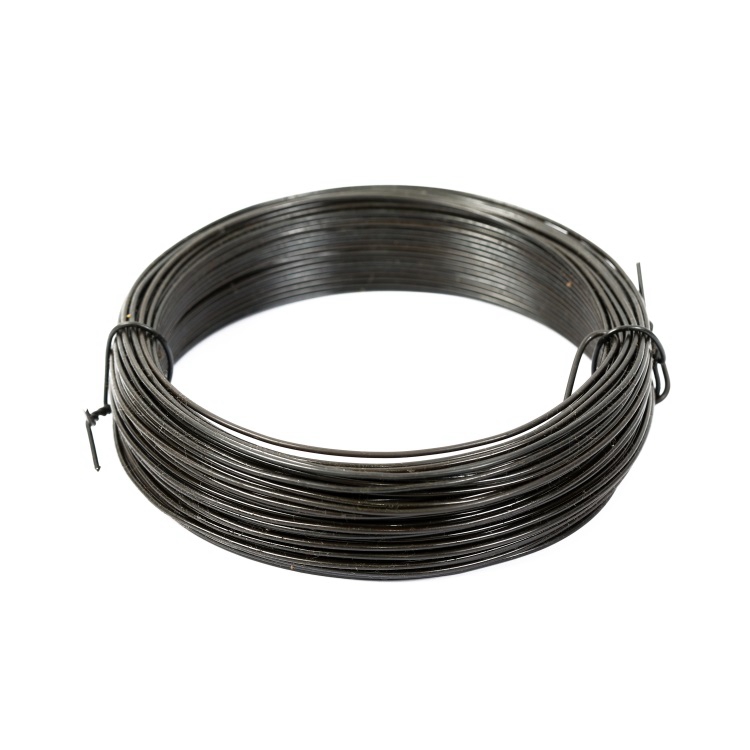
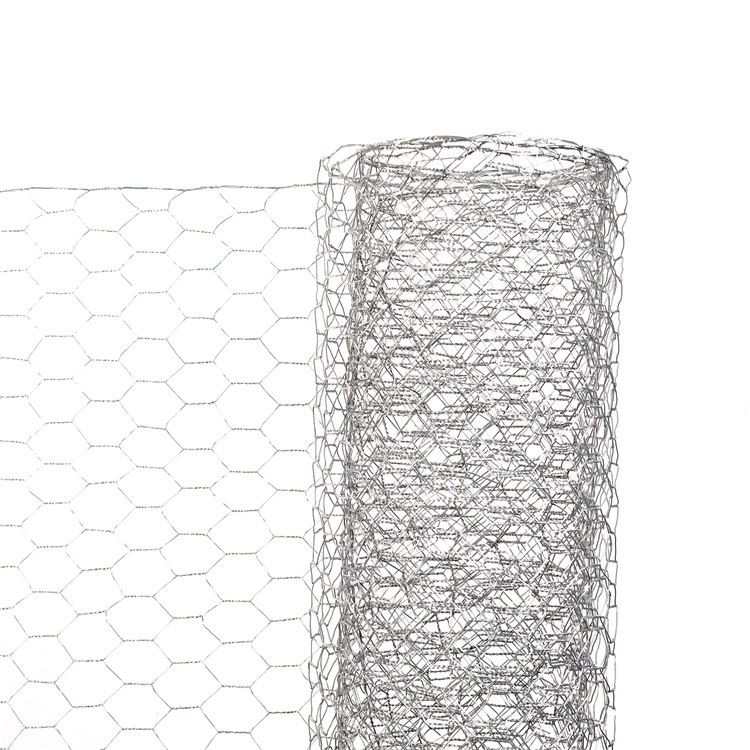
Simply put, black chicken wire consists of hexagonal mesh made from galvanized steel wire coated with a black PVC or plastic sheath. This transforms plain metal into something much tougher and more weather-resistant. Its core purpose remains the same as traditional chicken wire—creating an enclosure or barrier that’s strong yet flexible.
What sets black chicken wire apart is that protective coating. It’s this layer that links modern material science to practical use; a great example of how simple products evolve to meet demanding, real-world conditions.
If you're curious about the sourcing or variety, you might want to see black chicken wire producers who specialize in industrial-grade coating and different mesh sizes.
Key Components and What Makes Black Chicken Wire Stand Out
1. Durability
Unlike bare metal meshes, black chicken wire’s PVC coating significantly slows rust, UV damage, and moisture degradation. So it lasts 3–4 times longer on average—the kind of longevity engineers love when planning outdoor projects that must withstand the elements without constant upkeep.
2. Flexibility & Strength
The wire’s hexagonal pattern, combined with high-quality galvanized steel, provides a perfect balance between rigidity and give. It’s flexible enough to curve around irregular structures but strong enough to deter predators or contain livestock.
3. Aesthetic & Environmental Resistance
The black finish blends well with natural settings—less visual pollution, more subtle fencing. Plus, the PVC layer adds resistance against acid rain, salt spray, and industrial pollutants, common in many growing global urban centers.
4. Cost-Efficiency
Although slight price premiums exist over raw galvanized wire, the longer lifespan and reduced maintenance translate into lower total cost over time. This economically matters most in developing regions relying on small capital investments.
5. Ease of Installation and Customization
This fencing comes in rolls or sheets, with various mesh sizes (typically 1/2” to 2”), making it adaptable to different needs—poultry, garden fencing, small animal containment, or even erosion control.
Product Specifications: What to Expect from Quality Black Chicken Wire
| Specification | Typical Value | Notes |
|---|---|---|
| Wire Gauge | 20 – 24 gauge | Thinner wire for lightweight fencing, thicker for heavy-duty |
| Mesh Size | 1" to 2" hexagons | Common sizes for poultry & small animals |
| Coating | PVC Black Coating (0.8 – 1 mm) | Provides UV, corrosion, & impact protection |
| Roll Width | 0.9 m, 1.2 m, 1.5 m | Adaptable to fence height requirements |
| Length per Roll | 15 – 30 meters | Varies by supplier and application |
Comparing Top Black Chicken Wire Vendors
| Vendor | Coating Quality | Mesh Strength | Lead Time | Price Range |
|---|---|---|---|---|
| Five Star Metals | Superior, thick PVC | Heavy-duty | 2-3 Weeks | $$ |
| GreenMesh Corp | Standard PVC | Medium | 3-4 Weeks | $ |
| EcoWire Supplies | Eco-friendly PVC blend | Medium to Heavy | 1-2 Weeks | $$$ |
Global Applications & Use Cases for Black Chicken Wire
In real terms, the uses of black chicken wire travel far beyond simple backyard fences. In Southeast Asia, NGOs deploying rapid farming kits after typhoons use black chicken wire to secure crops against invasive pests and stray livestock. Meanwhile, in parts of Sub-Saharan Africa, community cooperatives employ it for small animal husbandry, benefiting from its longevity in humid climates.
At industrial sites—say, mining operations in Australia or remote oil rigs in the North Sea—black chicken wire often acts as a lightweight, corrosion-resistant guard over pipes or vents, balancing protective needs with weight constraints.
Even urban agriculturalists in cities like New York or London favor it for rooftop gardens, where discreet, durable fencing preserves the aesthetic harmony while keeping birds at bay.
Advantages and Long-Term Value of Black Chicken Wire
- Cost Savings: Fewer replacements mean ongoing savings.
- Sustainability: Less waste, longer life, and some vendors now offering eco-conscious coatings.
- Reliability: Proven resistance to tough weather and chemical exposure.
- Safety & Animal Welfare: Secure containment that minimizes injury risks.
- Aesthetic Appeal: Black color integrates visually into landscapes and urban spaces.
On a human level, it means farmers can sleep a bit easier knowing their livestock or crops aren’t going to be lost or damaged due to faulty fencing. For designers and architects, it means a material that fits functional and aesthetic bills. Oddly enough, such a simple product holds a surprising emotional weight in trusted, resilient boundaries. And it’s this trust that bridges functionality with dignity—for humans and animals alike.
Future Trends & Innovations in Black Chicken Wire
Looking ahead, you’ll find efforts to lighten the weight of these meshes using advanced polymers, blending durability with easier transport. Another wave focuses on black chicken wire coated with UV-reflective materials to reduce heat absorption—great for hotter climates.
Plus, digitization is creeping in, with sensors integrated into fencing to detect breaches or environmental changes, especially useful in high-security or sensitive agricultural areas. Sustainability is huge, so expect more recycled content and bio-based coatings to enter the mix.
Challenges & Solutions in Current Use
No product is perfect, right? Black chicken wire sometimes struggles with cutting under stress, and PVC coatings can degrade if improperly applied. Low-quality suppliers can flood markets with inconsistent gauges or coatings that peel.
The fix? Quality sourcing, thorough field testing, and close vendor partnerships. Education on proper installation and storage helps overcome premature failures. Many engineers swear by custom mesh sizes or hybrid coatings combining PVC with polyurethane for extra abrasion resistance—solutions tailored for specific settings.
FAQ: Your Black Chicken Wire Queries Answered
Q1: How long does black chicken wire typically last outdoors?
A: When properly installed and maintained, black chicken wire can last 8-12 years, significantly longer than untreated alternatives. The PVC coating plays a crucial role in resisting corrosion, especially in humid or coastal environments.
Q2: Is black chicken wire safe for all types of poultry?
A: Yes, the coated surface is smooth and prevents rust-related injuries. Just ensure mesh size is appropriate to your bird species to prevent escape or predation.
Q3: Can I use black chicken wire for garden trellises or climbing plants?
A: Absolutely. Its flexibility and durability make it great for supporting plants like peas, cucumbers, or beans, and it won’t degrade as quickly as bare wire when exposed to mulch or pesticide sprays.
Q4: Is black chicken wire recyclable or eco-friendly?
A: The steel core is fully recyclable, but the PVC coating complicates recycling processes. Some newer products on the market feature eco-friendly or bio-based plastic coatings to address this concern.
Wrapping It Up: Why Black Chicken Wire Is Worth Your Attention
In sum, black chicken wire blends practicality and innovation, delivering a fencing solution that’s tough, durable, and visually unobtrusive. Whether your goal is to protect crops, manage animals, or enhance urban farms, understanding this product’s global importance helps you make savvy investments. It’s more than a fence; it’s a durable, cost-efficient boundary that fits the needs of a modern, sustainable world.
Curious to explore quality black chicken wire options? Visit https://www.fivestar-metals.com to find products tailored to your needs.


-
Canton Fair 2026-4 in Guangzhou,China
NewsApr.24,2027
-
High Quality Common Nails 1212 for Construction Projects
NewsApr.16,2026
-
The 139th Canton Fair
NewsApr.14,2026
-
Guide to Using Galvanised Common Round Nails for Durable Construction
NewsApr.09,2026
-
Comprehensive Guide to Flat Head Common Nails for Construction Projects
NewsApr.07,2026
-
Understanding the Versatility of the Common Nail 5 5 for Various Applications
NewsApr.04,2026