Chicken Net: Durable, Versatile Poultry Fencing for Global Farming and Beyond
Understanding Chicken Net: A Small Component with Big Global Impact
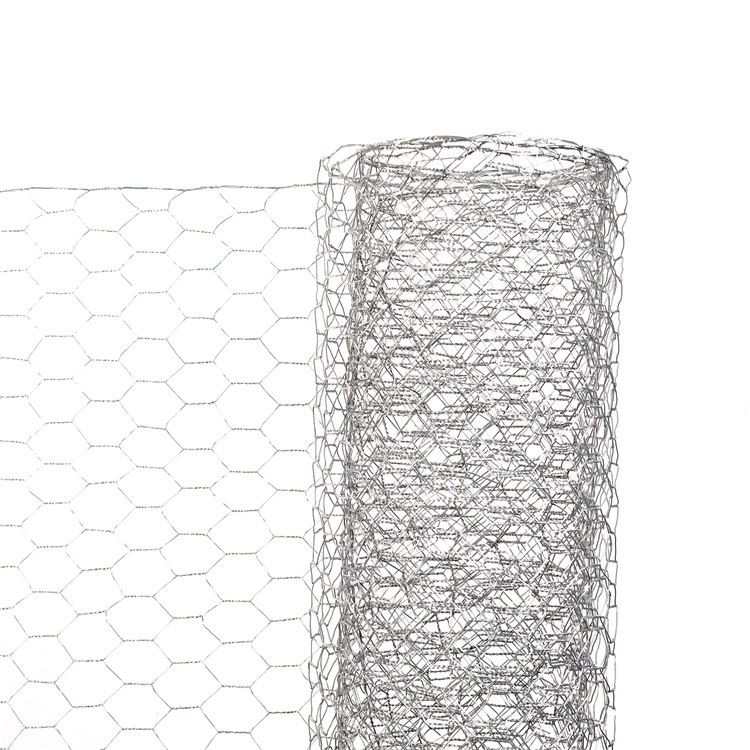
Chicken net, also called poultry netting or hexagonal wire mesh, might sound like something tucked away in backyards or farms, but its reach goes far beyond that. You’ll find this humble mesh playing a surprisingly critical role in agriculture, construction, and disaster relief worldwide. Given global food security concerns and the ever-growing need for efficient, cost-effective containment solutions, chicken net stands as a quiet hero supporting poultry farming, erosion control, and more.
Why does it matter on a global scale? Well, according to the FAO and other food-security watchdogs, poultry remains one of the most accessible protein sources worldwide, especially in developing regions. The success of poultry farming often rests on dependable yet affordable containment — enter chicken net.
Global Perspective: How Chicken Net Fits the Industry Puzzle
Looking at statistics from global bodies like the World Bank, poultry production has steadily increased over the past decade, especially across Asia and Africa. However, farmers face challenges in protecting their flocks against predators and environmental elements without heavy capital investment.
Chicken net provides an effective solution: lightweight, flexible, and economical fencing material that can be deployed quickly and scaled to fit any poultry operation’s needs. Problems like predator attacks, contamination risks, and inefficient penning decrease significantly with proper chicken net installation.
Yet, surprisingly, not everyone knows the variety of applications this mesh covers, from containment to erosion control in construction or landscaping — proving it’s much more than just “chicken wire.”
What Is Chicken Net? A Clear-Cut Definition
Simply put, chicken net (or chicken wire) is a hexagonal wire mesh typically made from galvanized steel strands woven together forming a flexible yet strong grid. Many farmers and industrial users prefer it because it combines ease of use with durability and adequate strength for most containment needs.
Its traditional use has been to enclose poultry, preventing bird escapes and protecting them from predators. But beyond that, chicken net connects modern industry and humanitarian needs alike: it acts as an erosion control aid, reinforcement in gabion walls, and an inexpensive safety net during emergencies.
Key Properties That Define Quality Chicken Net
Durability and Corrosion Resistance
Most chicken net is galvanized, offering protection against rust and corrosion—critical for outdoor use. You may also find PVC-coated variants, which last longer and resist weathering even better. Durability matters because replacing fencing frequently can be a hidden operational cost.
Scalability and Flexibility
Thanks to its hexagonal mesh structure, chicken net is extremely flexible and can be cut and shaped easily to fit various pen sizes or terrain types. This adaptability means it can be tailored for small backyard coops or larger commercial operations.
Cost Efficiency
Compared to welded wire mesh or solid fencing, chicken net comes at a fraction of the price, making it a go-to solution for farmers or NGOs working with tight budgets. Easy installation saves labor costs as well.
Ease of Installation
Lightweight rolls let installers handle and deploy chicken net quickly, which is essential during disaster relief or rapid-response farming projects. Simple tools and minimal expertise needed.
Environmental Compatibility
Because it's made mostly from steel, chicken net can be recycled. Its minimal environmental footprint during production and use adds to the sustainability credentials.
Chicken Net in Action: Real-World Applications Across the Globe
Chicken net’s uses are impressively diverse:
- Agricultural fencing: The classic use — keeping chickens in and predators at bay in backyards, farms, and poultry enterprises.
- Erosion control: Engineers construct gabion walls filled with rock using chicken net to stabilize slopes and protect riverbanks.
- Disaster relief: Rapid assembly of temporary animal pens helps displaced communities maintain food sources.
- Construction and landscaping: Containment fences around sites and garden projects.
For example, in rural Kenya, NGOs working to enhance food security use chicken net to help families set up safe poultry pens quickly, giving them a stable income source. Meanwhile, in eastern Europe, construction projects rely on chicken net reinforced gabions for affordable slope stabilization.
Quick Facts: Chicken Net Specification Table
| Specification | Typical Range/Value | Notes |
|---|---|---|
| Mesh Size | 12-25 mm (0.5-1 inch) hexagonal | Smaller mesh for smaller birds or finer applications |
| Wire Diameter | 0.7–1.5 mm | Varies by strength requirement |
| Material | Galvanized Steel, PVC Coated Steel | PVC coating increases life span |
| Roll Length | 10–50 meters | Longer rolls reduce seams |
| Weight per Roll | 5–20 kg | Depends on wire thickness/length |
Comparing Major Chicken Net Vendors
| Vendor | Material Options | Typical Pricing (per roll) | Special Features | Delivery Regions |
|---|---|---|---|---|
| FiveStar Metals | Galvanized, PVC Coated | $35–$50 | Custom roll sizes, eco-friendly coating options | Global (including Africa & Asia) |
| AgriFencing Co. | Galvanized only | $30–$45 | Bulk discounts, rapid fulfillment | North America, Europe |
| EcoMesh Solutions | PVC Coated, Biodegradable Coatings | $40–$60 | Green-certified products, sustainability focused | Europe, Asia |
The Advantages and Enduring Value of Chicken Net
The chief advantage of chicken net remains clear: it’s an economical yet durable fencing solution that fosters food independence and safety all over the world. Less obvious, however, are the social and emotional benefits — farmers gain dignity and autonomy knowing their flocks are protected; children grow up with better nutrition; communities build resilience.
Chicken net’s sustainability angle is subtle but important. Its light manufacturing footprint and recyclability reduce environmental burden. Also, because chicken net fencing can often be repaired locally, it nurtures a cycle of reuse and reduces dependency on expensive imports.
What’s Next? Future Trends and Innovations in Chicken Net
Looking ahead, advanced coatings that extend longevity even further are entering the scene, including UV-resistant and antimicrobial layers. Some manufacturers experiment with incorporating smart sensors into fencing to monitor animal movement or breaches remotely — a sort of “Internet of Things” meets farmyard.
There’s also a notable shift towards eco-friendly materials, such as biodegradable coatings or even bio-based wires, aimed to reduce microplastics and chemical runoff. The chicken net of tomorrow will likely be more digital, greener, and better tailored to user needs.
Challenges and How to Overcome Them
Nothing’s perfect: chicken net can be vulnerable to predators strong enough to claw through thin mesh, or degrade prematurely if exposed to harsh environments without proper coatings. Installation in rocky or uneven terrain sometimes requires reinforcement.
However, expert installers and manufacturers advise combining chicken net with stronger wire along vulnerable edges, or using PVC-coated versions in wet climates. Educating users on proper maintenance and repair can greatly extend service life.
FAQ: What You Really Need to Know About Chicken Net
Q1: How long does chicken net typically last outdoors?
A: Galvanized chicken net usually lasts about 5–10 years depending on climate and wear. PVC-coated options can extend this life by several years, sometimes up to 15 years in mild environments.
Q2: Can chicken net be used to contain animals other than poultry?
A: Yes, small livestock such as rabbits or young goats can be enclosed with chicken net, but for larger animals stronger fencing may be required due to the mesh’s light gauge.
Q3: Is it easy to repair chicken net after damage?
A: Absolutely. Because it’s lightweight and flexible, small holes or tears can be patched by twisting new wire pieces and doubling up mesh layers, often without professional help.
Q4: What factors should I consider when choosing chicken net for my project?
A: Think about mesh size (to suit your poultry size), wire thickness for durability, and whether you need galvanized or PVC coating for weather protection—and obviously price and local availability.
Q5: How can NGOs ensure efficient shipping and customs clearance for chicken net shipments internationally?
A: Partnering with vendors experienced in international logistics, like FiveStar Metals, who provide clear documentation and support shipping paperwork, can vastly reduce delays at customs.
Final Thoughts: The Last Word on Chicken Net
Chicken net may be a simple piece of mesh, but its global footprint is huge and growing. Economically, socially, and environmentally, it helps communities protect their livelihoods and foster sustainable farming around the world.
If you’re considering fencing solutions, or want to explore how modern chicken net products can support your agricultural, construction, or relief efforts, take a closer look at options from trusted suppliers. Visit our website at FiveStar Metals to learn more about custom chicken net solutions built for your needs.
It’s those small hexagons, tightly woven, that hold together much bigger stories... and honestly, that’s kind of poetic.
Reference List


-
Canton Fair 2026-4 in Guangzhou,China
NewsApr.24,2027
-
High Quality Common Nails 1212 for Construction Projects
NewsApr.16,2026
-
The 139th Canton Fair
NewsApr.14,2026
-
Guide to Using Galvanised Common Round Nails for Durable Construction
NewsApr.09,2026
-
Comprehensive Guide to Flat Head Common Nails for Construction Projects
NewsApr.07,2026
-
Understanding the Versatility of the Common Nail 5 5 for Various Applications
NewsApr.04,2026