Durable Square Screening Crimped Wire Mesh for Industrial Use
Square Screening Crimped Wire Mesh: A Veteran’s Take
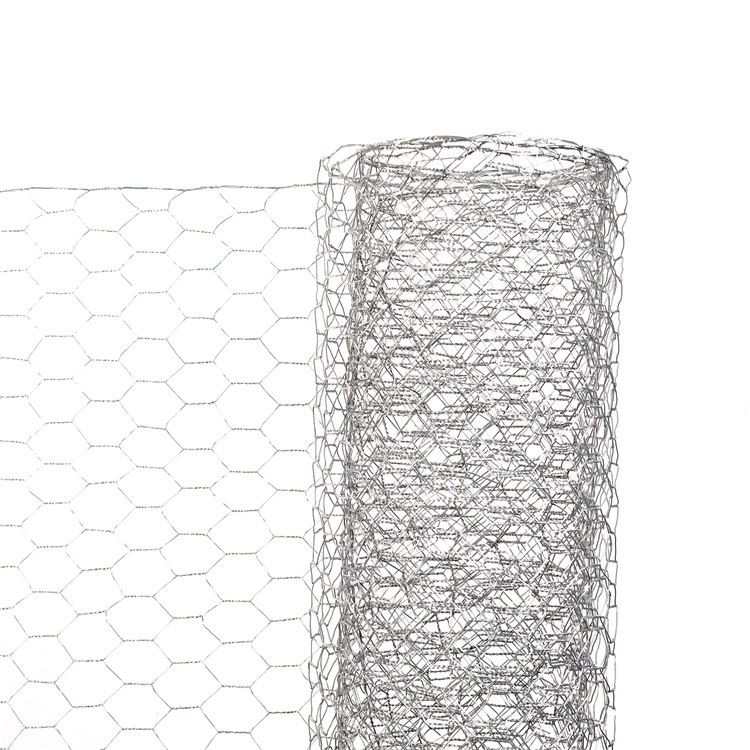
Having spent over a decade deep in the industrial equipment trenches, I can tell you that square screening crimped wire mesh isn’t just another type of mesh. It’s a pretty clever piece of engineering that quietly but reliably supports many essential operations—whether in mineral processing, filtration, or even construction.
Frankly, the first time I handled this kind of mesh, I was struck by its excellent rigidity combined with surprisingly good flow characteristics. That crimping—basically a systematic deformation of the wire strands before weaving—not only enhances strength but also maintains consistent aperture size, which is crucial for screening accuracy. A lot of folks overlook this subtlety, yet it makes all the difference during high-tension applications or when repeated cleanings happen on-site.
For those curious, the wires are generally made from stainless steel or carbon steel, depending on exposure to corrosive elements or required mechanical strength. Oddly enough, I’ve seen some clients opt for galvanized wire mesh to tackle outdoor scenarios, trading off a bit of longevity for budget—something I usually advise reviewing carefully in advance.
Now, in real terms, why does crimping matter so much? Unlike plain woven mesh, crimping locks each wire at intersections, preventing slippage under stress and helping the mesh maintain its shape across long runs. Many engineers say that without this, screens can deform quickly, leading to inaccurate separation or even early failure.
Here’s a quick spec rundown to set the basics straight:
| Specification | Details |
|---|---|
| Material | Stainless Steel (304, 316), Carbon Steel, Galvanized Steel |
| Wire Diameter | 0.3 mm to 5 mm |
| Aperture Size | 1 mm to 100 mm (square openings) |
| Crimp Type | Single, Double, Lock Crimp |
| Mesh Width (Rolls) | 1m to 3m |
| Typical Applications | Screening, Filtration, Sifting, Protective Barriers |
What I appreciate most about this mesh is how customizable it is. Whether it’s a finer mesh for pharmaceutical screening or a super-tough, large-aperture design for mining aggregates—the mesh specs can be dialed in to almost any industrial need. And, having worked closely with suppliers over the years, I’ve noticed that not all crimped meshes are created equal.
To give a little context, here’s a comparison of some trusted vendors I’ve interacted with, highlighting key capabilities:
| Vendor | Material Range | Crimp Types | Customization | Lead Time |
|---|---|---|---|---|
| FiveStar Metals | SS 304, SS 316, Carbon Steel | Single, Double, Lock | Full Custom Orders | 2–3 weeks |
| MeshTech Solutions | SS 304, Galvanized | Single, Double | Limited Sizes | 3–4 weeks |
| Industrial Wireworks | Carbon Steel, Galvanized | Single | Standard Specs Only | 1–2 weeks |
A little story: once I helped a team install a custom crimped wire mesh in a gold mining operation. The screen had to endure not only the dynamic load but also continuous abrasive wear. The lock crimp design from FiveStar Metals held up remarkably well over months of operation, outperforming other meshes they had trialed before. It’s one of those “you only know after hands-on” observations that reinforces the value of supplier expertise.
Ultimately, deciding on the right square screening crimped wire mesh hinges on balancing strength, aperture precision, corrosion resistance, and, of course, budget. And if you ask me, that’s where a supplier like FiveStar Metals really shines with their combination of quality and custom service.
So next time you’re picking mesh for your project, remember—it’s not just wire. It’s a carefully engineered component that quietly keeps your entire workflow ticking.
— Joe T., Industrial Equipment Specialist
References:
- Industry Standard Handbook for Wire Mesh & Screening Systems, 2021
- FiveStar Metals Product Catalog and Technical Datasheets, 2023
- Practical Screening Applications, Mining Monthly Journal, 2022


-
Canton Fair 2026-4 in Guangzhou,China
NewsApr.24,2027
-
High Quality Common Nails 1212 for Construction Projects
NewsApr.16,2026
-
The 139th Canton Fair
NewsApr.14,2026
-
Guide to Using Galvanised Common Round Nails for Durable Construction
NewsApr.09,2026
-
Comprehensive Guide to Flat Head Common Nails for Construction Projects
NewsApr.07,2026
-
Understanding the Versatility of the Common Nail 5 5 for Various Applications
NewsApr.04,2026