The Same Product And Company, The Different Quality and Service!

Dec . 13, 2025 08:15
Back to list
Binding Black Annealed Wire: Durable Solutions for Industrial Use
Why Binding Black Annealed Wire Holds Its Ground
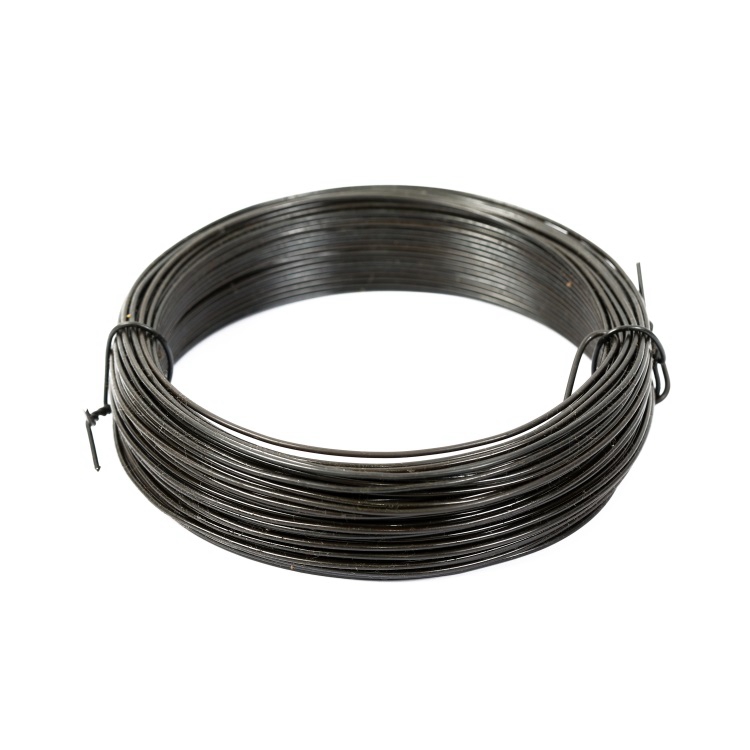
I’ve been around industrial equipment and materials for a while now—decades, actually—and binding black annealed wire always stands out as one of those quietly reliable workhorses. It might not sparkle like stainless steel or shout about corrosion resistance like galvanized wire, but its unique flexibility and cost-effectiveness carve out a niche that’s hard to beat. If you ask folks in construction or agriculture, they’ll probably tell you that binding wire is their go-to “helper” when it comes to tying up rebar, bundling harvested crops, or securing scaffolding components. What really makes black annealed wire interesting is its thermal treatment. The annealing process softens the wire, which basically means it bends easily without snapping. This pliability is especially handy on job sites where you’re often working mid-air or in tight spots and can’t afford to fiddle with brittle wire. And here’s a little insider secret: binding black annealed wire is sometimes underestimated because people mistake it for just “cheap wire.” But frankly, the price point reflects the efficient process and the right choice of materials rather than a knockdown on quality. In fact, many engineers say it performs exceptionally well under normal stress while being easier to work with than alternatives.Key Product Specifications: What to Look For
Based on various discussions with product managers and actual field data, here’s a snapshot of typical black annealed wire specs that matter most:| Specification | Details |
|---|---|
| Material | Low carbon steel wire (0.20%-0.30% carbon) |
| Wire Diameter | Commonly 1.2 mm – 2.0 mm (varies by supplier) |
| Tensile Strength | Approximately 350–550 MPa |
| Finish | Smooth or slightly rough black oxide surface |
| Packaging | Spools or coils, ranging from 1 kg to 20 kg |
| Usage Temperature Range | -40°C to 120°C (ambient conditions) |
Comparing Top Vendors: What Sets Them Apart?
Now, here’s where things get a bit nuanced. While the core product is fairly standardized, vendors vary in packaging, quality control, and additional services. I’ve gathered some insights and compared three popular suppliers who all get the job done but with subtle differences you might appreciate.| Vendor | Typical Packaging | Quality Overview | Lead Time | Notable Extras |
|---|---|---|---|---|
| Five Star Metals | 1–20 kg spools, custom branding available | Consistent tensile values, thorough inspection systems | 1–2 weeks | Technical support & flexible order volumes |
| WirePro Group | Standard 10 kg coils | Good quality but occasional diameter variance | 3–4 weeks | Bulk discounts, limited customization |
| SteelBind Inc. | 5 kg coils, pre-cut lengths available | High consistency, premium pricing | 1 week (rush option) | Custom coatings on request |
Final Thoughts on Black Annealed Wire in Practice
So, binding black annealed wire might sound like a “boring” product to outsiders, but it’s truly one of those unsung heroes in the industrial world. Whether you’re tying rebar or bundling materials, having wire that bends just right, holds firm without cracking, and comes from a dependable supplier can make all the difference. To wrap up, remember that good annealed wire isn’t just a commodity—it’s a tool that can boost efficiency and reduce waste. And if you ever get a chance to chat with site supervisors or engineers, you might hear a few good stories about why they swear by it. Thanks for sticking around. I hope this little dive into binding wire helps you see why companies like binding black annealed wire suppliers matter—and maybe you’ll feel a bit more confident picking the right wire next time you’re on the job.
References:
1. Industry Talk: Construction Binding Wire Usage – Field Report, 2023
2. Five Star Metals Product Documentation, 2024
3. Interviews with Site Engineers, Various Projects, 2022-2023
1. Industry Talk: Construction Binding Wire Usage – Field Report, 2023
2. Five Star Metals Product Documentation, 2024
3. Interviews with Site Engineers, Various Projects, 2022-2023
Share


Latest news
-
Canton Fair 2026-4 in Guangzhou,China
NewsApr.24,2027
-
High Quality Common Nails 1212 for Construction Projects
NewsApr.16,2026
-
The 139th Canton Fair
NewsApr.14,2026
-
Guide to Using Galvanised Common Round Nails for Durable Construction
NewsApr.09,2026
-
Comprehensive Guide to Flat Head Common Nails for Construction Projects
NewsApr.07,2026
-
Understanding the Versatility of the Common Nail 5 5 for Various Applications
NewsApr.04,2026