Affordable and Durable Cheap Chicken Wire/Rabbit Wire Mesh for Global Applications
Understanding Cheap Chicken Wire and Rabbit Wire Mesh: A Global Perspective
Cheap chicken wire, also known as rabbit wire mesh, might not sound like the showstopper of industrial materials—but, frankly, it plays a surprisingly pivotal role worldwide. From securing livestock and safeguarding crops to assisting humanitarian projects, it’s this humble, often overlooked product that keeps many operations safe and sustainable. Why? Because knowing the key benefits, usages, and innovations around cheap chicken wire/rabbit wire mesh is more than a niche interest—it’s a window into vast global supply chains and practical challenges that businesses and communities alike face.
The Big Picture: Why Cheap Chicken Wire/Rabbit Wire Mesh Matters Globally
In a world increasingly concerned with sustainable farming, disaster response, and economic fairness, affordable fencing solutions become a cornerstone. According to UN reports, more than 60% of the world’s population relies directly on agriculture for their livelihoods. But fencing—or the lack of it—can mean the difference between thriving crops and ruined fields, between secure livestock and devastating losses. This is where cheap chicken wire or rabbit wire mesh steps in, offering an inexpensive and effective barrier to protect resources and livelihoods.
However, challenges remain. Fragile economies, harsh environmental conditions, and rising raw material costs mean producers and end-users constantly seek better, more durable yet affordable wire meshes. It’s about balancing cost efficiency with practical durability.
Mini takeaway:
- Cheap chicken wire/rabbit wire is essential in securing agricultural and livestock operations on a global scale.
- Its affordability addresses critical economic and environmental challenges in developing regions.
What Is Cheap Chicken Wire/Rabbit Wire Mesh?
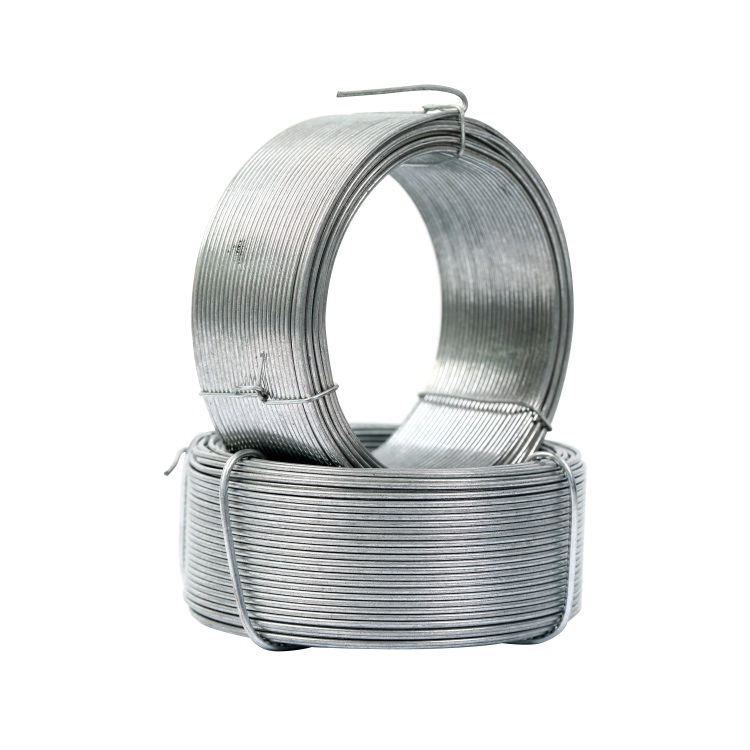
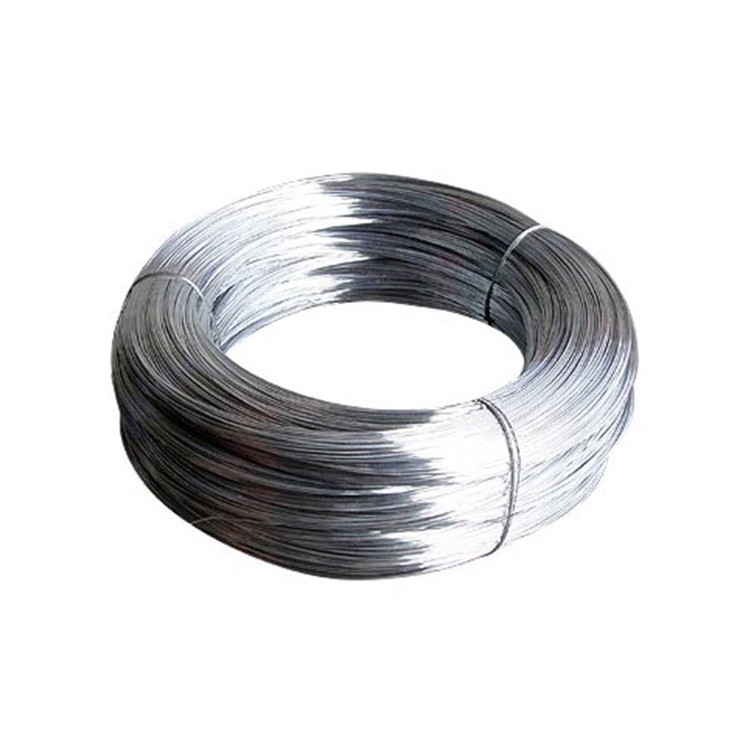
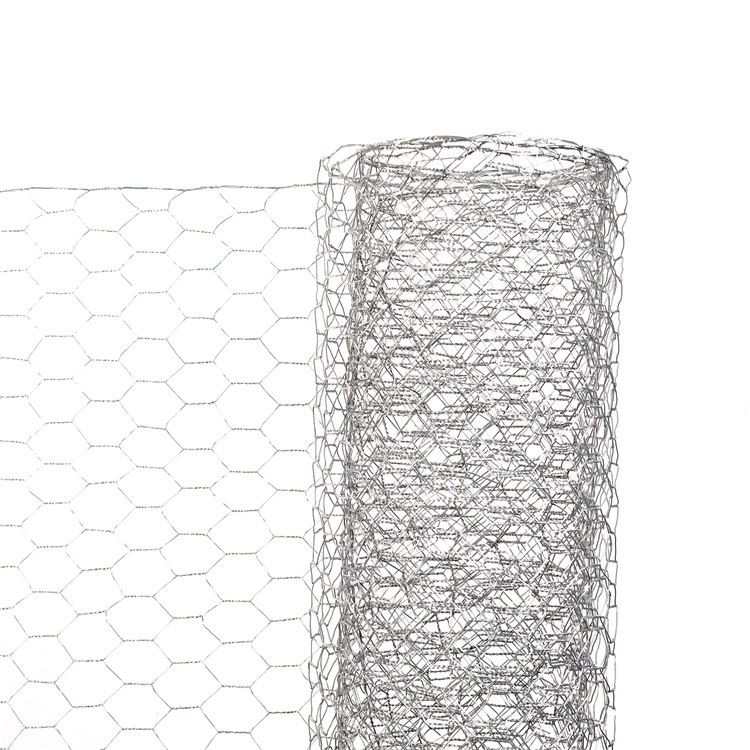
Simply put, chicken wire or rabbit wire mesh is a woven mesh made primarily from galvanized steel wire, often with hexagonal holes (commonly 1/2" to 1" in diameter). The “cheap” version refers to basic, mass-produced wire that trades advanced coatings or specialized steel for affordability and wide availability. It’s widely used to build pens, cages, trellises, and fences.
In modern terms, this mesh serves as a key industrial and humanitarian tool. For rural farmers, it’s a protection against animals eating crops; for NGOs and disaster relief groups, it can serve as fencing in temporary shelters or aid distribution points. Oddly enough, its simple construction links back to some of the most vital global challenges—food security, poverty alleviation, and infrastructure resilience.
Mini takeaway:
- Cheap chicken wire is galvanized steel mesh with hexagonal patterns for lightweight fencing.
- It connects agricultural sustainability to humanitarian aid and industrial applications.
Core Characteristics That Make Cheap Chicken Wire Indispensable
Durability and Corrosion Resistance
Typically galvanized to prevent rust, cheap wire mesh withstands moisture and weather surprisingly well. While it’s not stainless steel, its zinc coating helps extend lifespan under normal field conditions, often lasting several years in moderate climates.
Cost Effectiveness
This is the main selling point. While premium wire mesh might boast stainless coatings or specialty plastics, basic galvanized chicken wire provides necessary protection at a fraction of the price—in many cases, undercutting alternative fencing solutions by 40% or more.
Flexibility and Ease of Installation
Its lightweight and malleable hexagonal weave makes it easy to cut and shape onsite. Farmers or workers don’t usually need specialized tools or training to erect functional barriers quickly.
Scalability
Available in rolls of various heights and lengths, chicken wire supports both small garden setups and larger-scale livestock farming. The modular nature allows users to scale fences up or down fast depending on immediate needs.
Environmental Impact
Though steel production is inherently resource-intensive, the recyclability of galvanized wire helps reduce waste. Properly maintained chicken wire meshes can be recycled at end-of-life, offering a modest sustainability edge over some plastic or composite fencing options.
Mini takeaway:
- Durability vs. cost balance is key.
- Installation ease and flexibility support widespread adoption.
- Environmental concerns are addressed through recyclability.
Real-World Applications Around the Globe
In Southeast Asia and Sub-Saharan Africa, cheap chicken wire is the go-to solution for protecting small-scale livestock—think chickens, rabbits, even goats—from predators. It’s also crucial in demarcating safe crop areas from roaming wildlife or stray animals.
In disaster relief scenarios—like after floods or earthquakes in regions such as South Asia or parts of Latin America—humanitarian groups rapidly deploy chicken wire fencing to secure aid distribution zones or make-shift shelters, providing a semblance of privacy and order.
Industrial zones, often in developing countries, use rabbit wire mesh to create quick and budget-friendly partition walls, fencing off sensitive areas without heavy infrastructure investments.
Mini takeaway:
- Highly prevalent in agriculture, humanitarian relief, and light industrial fencing.
- Supports food security and safety in vulnerable regions.
Product Specifications for Typical Cheap Chicken Wire Mesh
| Specification | Details |
|---|---|
| Material | Galvanized Steel Wire |
| Wire Diameter | 0.6 - 1.0 mm |
| Mesh Size (Hexagonal) | 25mm to 50mm (1" to 2") |
| Roll Length | 25m (standard) |
| Roll Height | 0.6m to 1.2m |
| Coating Thickness | 40-60 g/m² zinc galvanization |
Top Vendors Comparison: Choosing the Right Cheap Chicken Wire Supplier
| Vendor | Price Range (USD) | Lead Time | Customization | Shipping Coverage |
|---|---|---|---|---|
| Five Star Metals | $50 - $120 per roll | 2-4 weeks | Roll size, wire gauge | Global, with bulk discounts |
| AgroMesh Co. | $45 - $110 per roll | 3-5 weeks | Mesh size variants | Asia-Pacific focus |
| WireNet Ltd. | $60 - $130 per roll | 2 weeks | Customized orders available | Europe & North America |
The Long-Term Value of Cheap Chicken Wire and Rabbit Wire Mesh
Beyond the price tag, investing in quality cheap chicken wire yields long-term dividends. Economically, it keeps costs low for farmers and project managers—money saved on fencing means more investment in seeds, feed, or community development. Socially, it enhances safety, helping rural families protect animals and crops, thus supporting dignity and resilience.
Environmentally, while steel production has footprint concerns, the mesh’s durability means fewer replacements, and recyclability limits landfill buildup. Plus, many engineers I’ve spoken to point out that the balance of strength, affordability, and ease of use is hard to beat.
Emerging Trends in Wire Mesh Technology
Innovation does reach this world, sometimes in subtle ways. We’re seeing moves toward eco-friendly coatings that reduce zinc usage, or novel polymer composites that resist harsh chemicals better. Digitally, smart farms might one day integrate sensors with wire mesh to monitor fence integrity or animal movement.
Policy-wise, ISO standards like ISO 5659 provide guidance on wire mesh durability testing, helping suppliers maintain quality. Meanwhile, automation in manufacturing streamlines consistent quality—even for budget models.
Challenges and Expert Solutions
Cheap chicken wire can have drawbacks: lower mechanical strength, occasional variable coatings, and limited resistance to corrosion in salty or acidic environments. Some users complain about mesh tearing under strain or attacks by larger predators.
Expert solutions? Pre-treatment protocols, hybrid mesh options (combining galvanized wire with small plastic overlays), and thoughtful installation practices—like proper tensioning and post-supports—greatly improve performance. NGOs often combine mesh with barriers or electrification for tougher conditions.
FAQ: Common Questions About Cheap Chicken Wire/Rabbit Wire Mesh
Q1: How long does cheap chicken wire usually last outdoors?
A1: Typically, galvanized chicken wire can last anywhere between 3 to 7 years outdoors, depending on local climate and installation quality. Humid or coastal areas may accelerate corrosion, so maintenance and protective coatings can extend lifespan significantly.
Q2: Is cheap chicken wire suitable for predator-proof fencing?
A2: For small predators like foxes or rabbits, yes—when properly installed. However, for larger or stronger animals such as coyotes or dogs, heavier gauge wire or reinforced fencing methods might be necessary for effective protection.
Q3: Can I customize roll sizes or mesh dimensions when ordering?
A3: Many suppliers—including Five Star Metals—offer customization in wire diameter, roll length, and mesh size depending on your project needs, especially for bulk orders.
Q4: How do I import cheap chicken wire internationally for NGO projects?
A4: Working with vetted suppliers knowledgeable about international shipping regulations is key. You’ll want clear communication on packaging, customs paperwork, and delivery timelines. Most vendors assist with documentation to streamline imports.
Q5: Are there eco-friendly alternatives to traditional galvanized chicken wire?
A5: Yes, some manufacturers are developing meshes with polymer coatings or recycled materials to reduce environmental impact, though these options usually cost more. It’s a trade-off between upfront cost and sustainability.
Conclusion: Why Cheap Chicken Wire Deserves Your Attention
Cheap chicken wire and rabbit wire mesh might seem humble and simple, but their impact—economic, social, and environmental—is anything but small. They help secure livelihoods, enable efficient farming, support humanitarian efforts, and deliver reliable fencing solutions at an affordable price.
If you’re involved in agriculture, aid distribution, or simple infrastructure projects, understanding and sourcing quality cheap chicken wire mesh pays dividends. For dependability and competitive pricing, consider visiting Five Star Metals to explore your options and tailor your needs.
Quick recap:
- Essential fencing tool for global agriculture and relief sectors.
- Balances cost, durability, and ease of use.
- Ongoing innovations promise greener, smarter mesh solutions.
Go ahead, secure your project’s perimeter—and you might be surprised how far a little wire mesh can go.
References


-
Canton Fair 2026-4 in Guangzhou,China
NewsApr.24,2027
-
High Quality Common Nails 1212 for Construction Projects
NewsApr.16,2026
-
The 139th Canton Fair
NewsApr.14,2026
-
Guide to Using Galvanised Common Round Nails for Durable Construction
NewsApr.09,2026
-
Comprehensive Guide to Flat Head Common Nails for Construction Projects
NewsApr.07,2026
-
Understanding the Versatility of the Common Nail 5 5 for Various Applications
NewsApr.04,2026