Kawat Ayam — Durable and Versatile Wire Mesh for Global Applications
What is Kawat Ayam and Why Should You Care?
At first glance, kawat ayam might sound like an exotic phrase, but it’s actually a very common term in many industries and homes around the world. Literally translating to “chicken wire” in Indonesian and Malay, kawat ayam is a versatile wire mesh known for its hexagonal pattern. While it conjures images of backyard coops or fencing, this material’s global relevance extends well beyond just poultry pens. Whether it’s used in construction, agriculture, or disaster relief, knowing the ins and outs of kawat ayam can unlock practical benefits for sustainability, safety, and cost efficiency.
Understanding kawat ayam’s properties and applications is crucial in contexts where reliable, flexible, and lightweight fencing or structural material is needed — that’s why millions globally depend on it. So, why does it matter? Because kawat ayam is a solution to everyday challenges like securing livestock, protecting crops, reinforcing concrete, and even enabling swift rebuilding after disasters. The better we grasp its qualities and uses, the smarter we can get about durability, economics, and even community resilience.
Global Snapshot: How Kawat Ayam Plays a Role Worldwide
Industries spanning continents harness kawat ayam in surprising ways. According to ISO standards for metal mesh and fencing, materials like galvanized or PVC-coated wire mesh are critical for safety and environmental resilience. The World Bank also highlights agricultural fencing as key for protecting smallholder farms across Asia, Africa, and Latin America, where kawat ayam is often the go-to. Meanwhile, humanitarian agencies utilize this mesh for quick, temporary access control and support in refugee camps, post-disaster zones, and fragile settlements.
That global proliferation is no accident: the product addresses core challenges such as livestock theft, soil erosion, and even habitat preservation. Yet, kawat ayam also comes with its set of quandaries — like exposure to corrosion in humid climates or the need for customizable specifications based on local conditions. These limitations often spark innovation in materials and coatings.
Mini takeaway:
- Kawat ayam is indispensable from farms to disaster zones worldwide.
- It’s recognized in international standards and developmental projects alike.
What Exactly is Kawat Ayam?
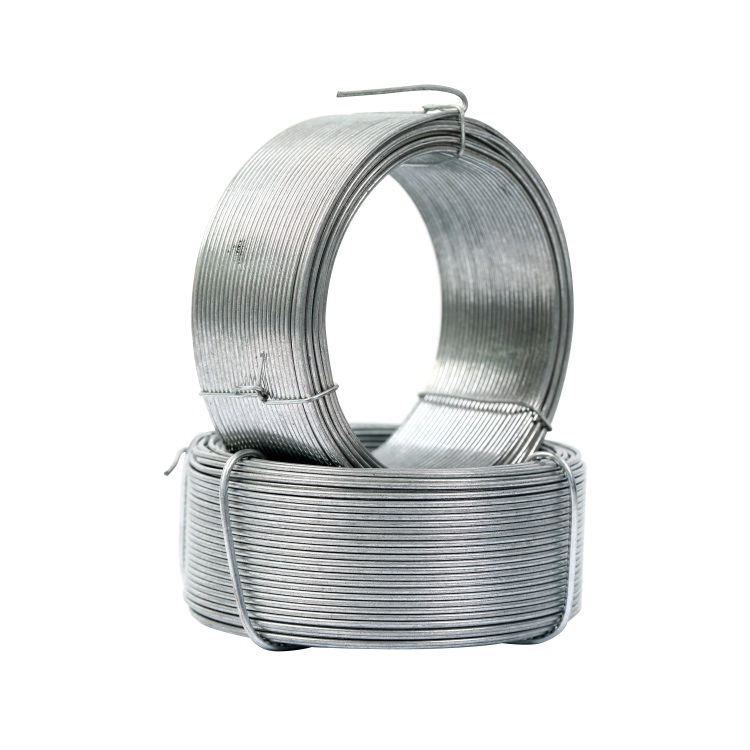
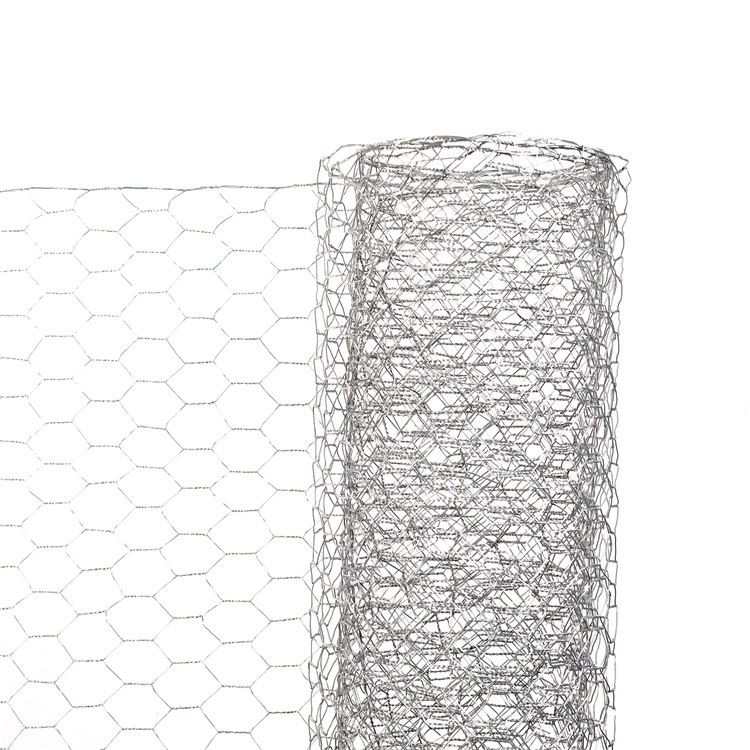
Simply put, kawat ayam is a type of wire mesh fashioned from thin, flexible wire spun into a hexagonal pattern. Typically galvanized or coated, the wire prevents rust and enhances longevity. While it often comes to mind as fencing around chickens (hence “chicken wire”), its uses span fencing, concrete reinforcement, garden protection, and even craftwork.
Industrially, kawat ayam's design offers an excellent balance between strength and lightweight flexibility. Its ingenious hexagonal mesh gives it more stretch and less breakage under tension compared to rectangular grids. From a humanitarian perspective, it’s a staple for creating durable temporary barriers quickly and affordably.
Core Components and Key Factors Driving Use
Durability
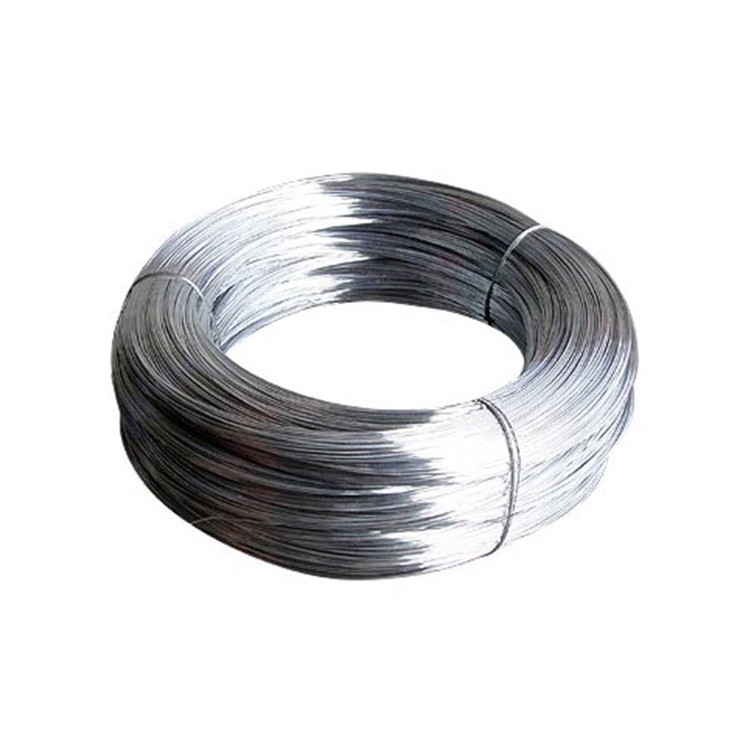
Good kawat ayam needs to withstand weather and physical stress without rapidly degrading. Galvanization — basically zinc coating — is a must in humid or rainy regions. Even better are PVC coatings that add extra protection and color options. Durability ensures less frequent replacements, saving money and headache.
Flexibility and Scalability
The innate flexibility of kawat ayam means it can be molded around corners, hills, or oddly shaped enclosures. This adaptability is vital in remote or irregular terrain where prefab fencing won’t cut it. And scaling up or down is as easy as unrolling new sections and adding supports.
Cost Efficiency
Compared to concrete walls, solid fences, or other materials, kawat ayam offers a compelling price/performance ratio. It’s cheap enough for smallholders but sturdy enough for commercial use. That sweet spot drives repeated adoption.
Environmental impact
While metal wire production carries a carbon footprint, many manufacturers now prioritize recycled steel and eco-friendly galvanization. There’s also an emphasis on longevity to reduce waste. Plus, kawat ayam fencing minimizes the need for heavy machinery installation, lowering environmental disruption in sensitive habitats.
Ease of Installation
Installing kawat ayam is not rocket science — many homeowners and workers can do it with basic hand tools after a short lesson. This factor accelerates projects and enables community participation.
Product Specification Table
| Specification | Details |
|---|---|
| Mesh Size | 13 mm Hexagonal (typical) |
| Wire Diameter | 0.9 to 2.0 mm |
| Material | Galvanized Steel or PVC Coated Wire |
| Roll Length | 10 to 50 meters |
| Coating Thickness | 40-60 microns (galvanized) |
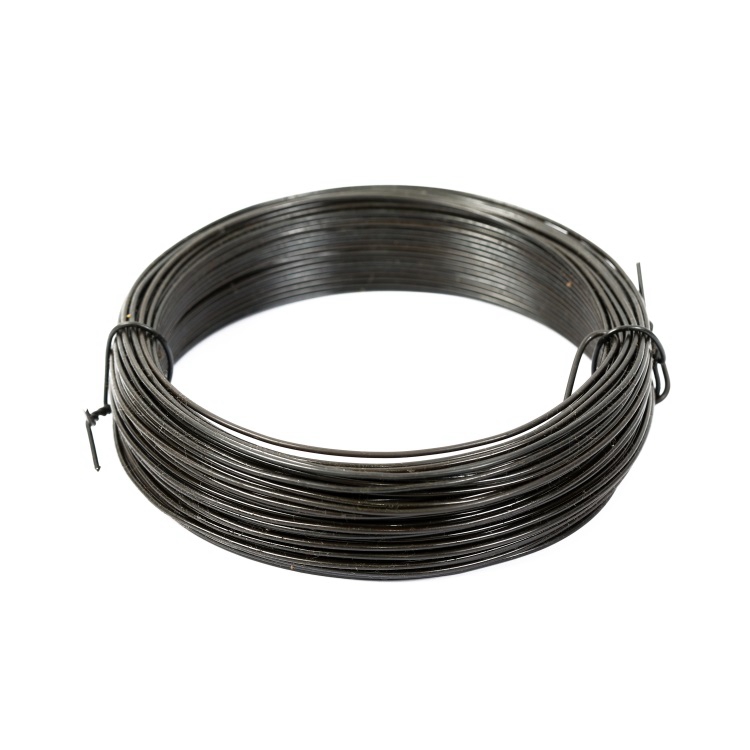
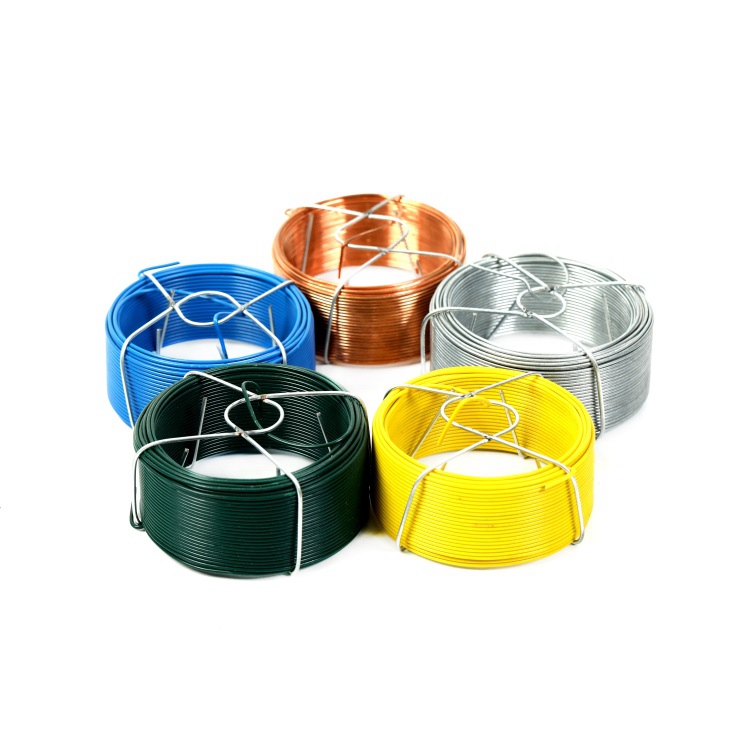
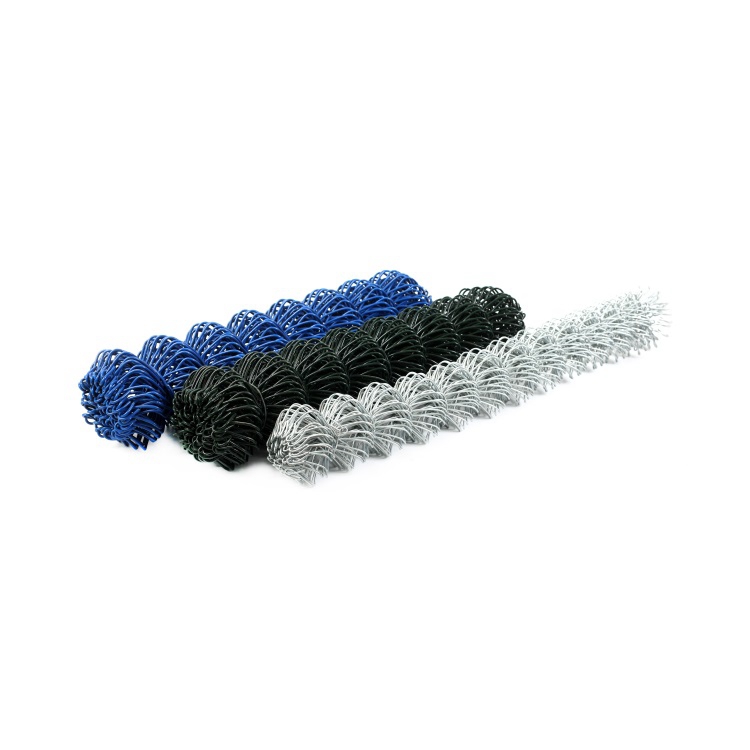
| Color Options | Silver (standard), Green, Black (PVC coated) |
How Kawat Ayam is Used Around the World
From farms in Indonesia to refugee settlements in Africa, kawat ayam is a silent hero. In agriculture, it keeps livestock safe, prevents crop-damaging wildlife, and supports vines or climbing plants. A notable example is Kenyan smallholders who attribute increased yield partly to reliable fencing protecting maize fields from elephants and baboons.
In urban construction, kawat ayam is used as concrete reinforcement (“wire mesh” or “chicken wire lath”), providing tensile strength and holding plaster or stucco in place. Interestingly, some public housing projects in Southeast Asia favor kawat ayam for fencing and temporary partitions given its cost efficiency.
Humanitarian organizations like the UNHCR employ kawat ayam to establish temporary perimeter fencing in displacement camps where speed and resourcefulness matter. The mesh allows airflow, light transmission, and quick repairs, which are critical in harsh environments.
Global Vendor Comparison Table
| Vendor | Material Quality | Price (per roll) | Coating Options | Delivery Speed |
|---|---|---|---|---|
| FiveStar Metals | High-grade galvanized & PVC | $45 – $65 | Silver, Green, Black | Within 7 days (intl shipping) |
| EastWire Co. | Standard galvanized | $35 – $50 | Silver only | 10–14 days |
| Global Mesh Supplies | Premium galvanized steel | $55 – $75 | Silver & Green | 5–10 days |
The Lasting Benefits of Using Kawat Ayam
What’s really amazing about kawat ayam is how it blends utility with peace of mind. The cost savings add up, but beyond that, it speaks to trust. You install a fence that won’t fail unexpectedly, that adapts to the landscape, and that offers breathable security rather than suffocating walls. That matters when people and livelihoods are at stake.
Socially, it helps protect communities and preserves dignity — think of farmers saving their only livestock or displaced families securing their spaces. Environmentally, when combined with sustainable production practices, kawat ayam reduces waste and supports biodiversity by keeping wildlife where they belong. Innovations like using recycled materials or biodegradable coatings could make it even greener.
What’s Next? Trends and Innovations Shaping Kawat Ayam’s Future
There’s a slow but steady shift toward greener alloys and smarter coatings that prolong life without toxic runoff. Some startups experiment with combining kawat ayam with sensors for security monitoring — a bit futuristic but very relevant in smart farming and urban surveillance. Digitally enhanced supply chains allow custom orders in real time, adjusting mesh size, wire gauge, and coating on demand.
And with the global push for sustainability, manufacturers are exploring biodegradable alternatives or hybrid composites that blend metal wire with natural fibers. It feels like kawat ayam, a seemingly simple product, is quietly riding the waves of the digital and green revolution.
Common Challenges and How Industry is Tackling Them
One persistent issue is corrosion, especially in coastal or humid environments. Experts recommend better zinc plating thickness or dual-layer PVC coatings to combat this. Installation challenges—such as tearing or sagging—are being addressed with stronger core wires and smarter tensioning tools.
Another challenge is sourcing quality material affordably in remote areas. That’s where vendors like kawat ayam suppliers with global logistics networks come into play, bridging gaps between manufacturing hubs and end-users.
FAQ: Frequently Asked Questions About Kawat Ayam
- How long can kawat ayam fencing last outdoors?
- With proper galvanization and PVC coating, kawat ayam fencing can last 10-20 years outdoors, depending on climate and usage. Regular maintenance extends lifespan.
- Can kawat ayam be customized for different mesh sizes?
- Yes, vendors often offer mesh sizes ranging from 10mm to 25mm hexagons and varying wire gauges to fit specific demands, whether for lightweight garden fencing or heavy-duty construction.
- Is kawat ayam suitable for coastal areas prone to salt corrosion?
- Standard galvanized wire may rust faster in coastal zones; therefore, enhanced coatings like PVC or special marine-grade galvanization are recommended for longer durability.
- How quickly can kawat ayam fencing be installed?
- Installation times vary, but an average 10m roll can be set up by two people in under an hour with basic tools, making it ideal for rapid deployment.
- Where can I buy high-quality kawat ayam with international shipping?
- Reputable suppliers like kawat ayam specialists offer international shipping options with quality certifications. It’s always best to verify product specs and delivery times.
Wrapping Up: Why Kawat Ayam Remains Essential
Ultimately, kawat ayam’s blend of strength, flexibility, and affordability makes it tough to beat. Whether protecting crops in rural Asia or marking boundaries in refugee camps, it provides a practical and trusted solution worldwide. Its ongoing evolution with sustainability and technology only enhances its value.
Thinking of upgrading your fencing or need a reliable wire mesh for your next project? Visit our website to explore the latest kawat ayam variants tailored to your needs!
References


-
Canton Fair 2026-4 in Guangzhou,China
NewsApr.24,2027
-
High Quality Common Nails 1212 for Construction Projects
NewsApr.16,2026
-
The 139th Canton Fair
NewsApr.14,2026
-
Guide to Using Galvanised Common Round Nails for Durable Construction
NewsApr.09,2026
-
Comprehensive Guide to Flat Head Common Nails for Construction Projects
NewsApr.07,2026
-
Understanding the Versatility of the Common Nail 5 5 for Various Applications
NewsApr.04,2026